
Hear from Our Customers
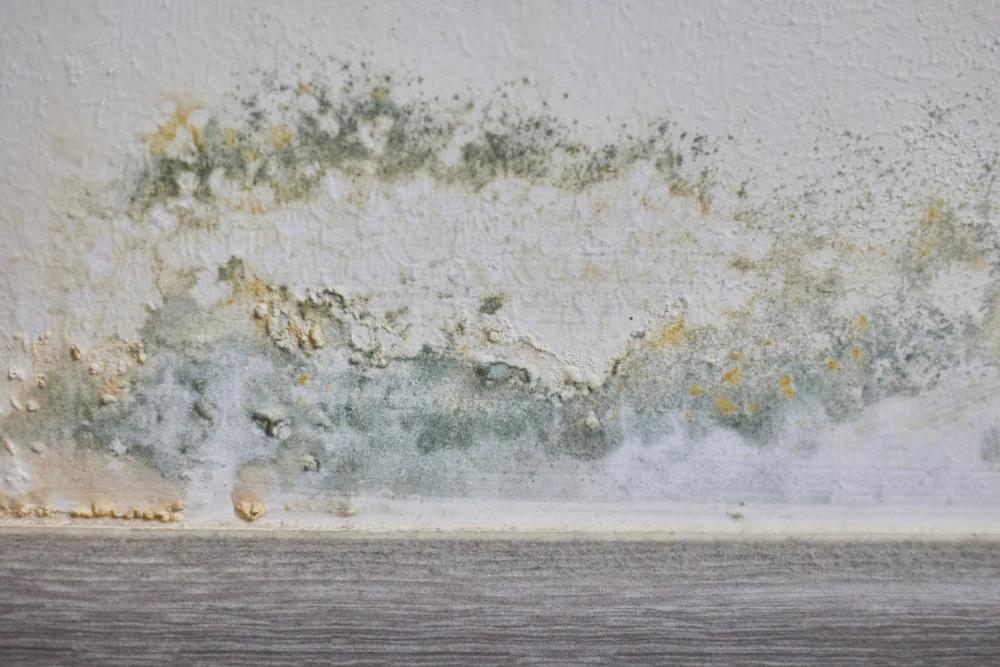
You’ve got 24 to 48 hours before mold spreads to new areas of your home. That’s not a scare tactic—it’s how fast mold moves in Chester County’s humid climate, especially during spring and fall when moisture levels spike.
Surface cleaning won’t fix this. If the leak behind your wall, the humidity in your crawlspace, or the condensation in your HVAC system isn’t addressed, you’ll see mold again in weeks. Real mold mitigation means finding what’s feeding the growth and shutting it down for good.
When the job’s done right, your family stops dealing with unexplained sneezing, skin irritation, and respiratory issues. Your home value stays protected—unaddressed mold can drop resale value by 20% to 37%, and half of interested buyers walk away the moment they hear “mold problem.” You get documentation proving the air quality is safe, which matters if you’re selling, refinancing, or filing an insurance claim.
We’ve been serving East Goshen and Chester County homeowners through every kind of mold situation—basement flooding after heavy storms, attic mold from roof leaks, bathroom mold from poor ventilation, and hidden growth that showed up during renovations.
We know this area. Pennsylvania’s humid summers and damp winters create perfect conditions for mold, and East Goshen’s older homes often have the kind of moisture issues that newer construction avoids. We’ve seen what works and what doesn’t.
Our team uses moisture meters and infrared cameras to find water sources you can’t see. We work directly with your insurance company to handle documentation and reduce what you pay out of pocket. And we don’t leave until post-mitigation testing confirms your air quality is back to safe levels.
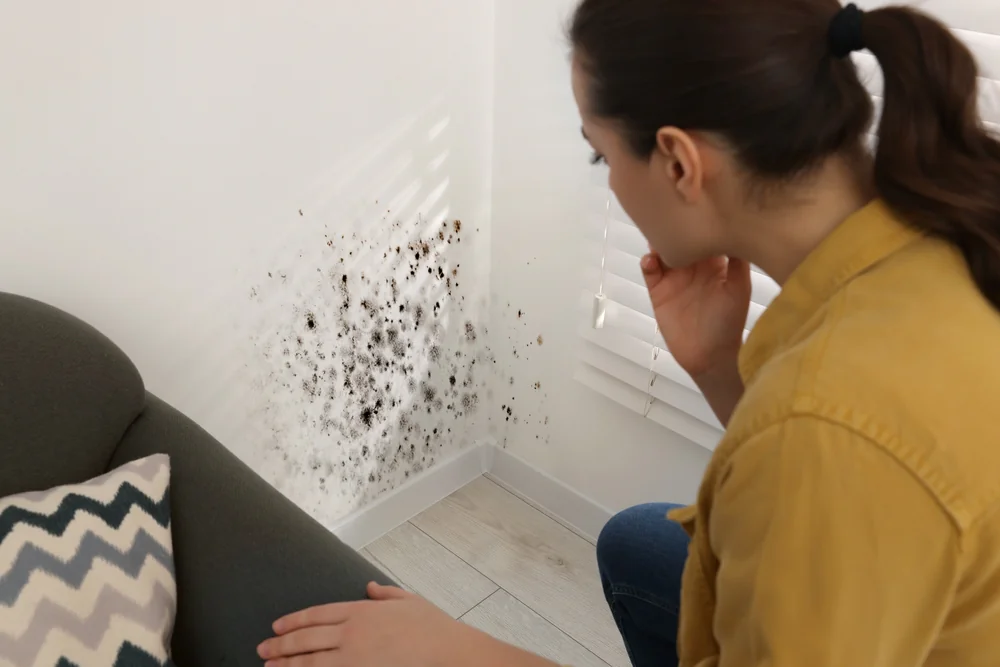
First, we inspect your property with moisture meters and infrared cameras. We’re looking for the water source—the leak, the humidity problem, the condensation issue—that’s feeding mold growth. You can’t fix mold without fixing moisture.
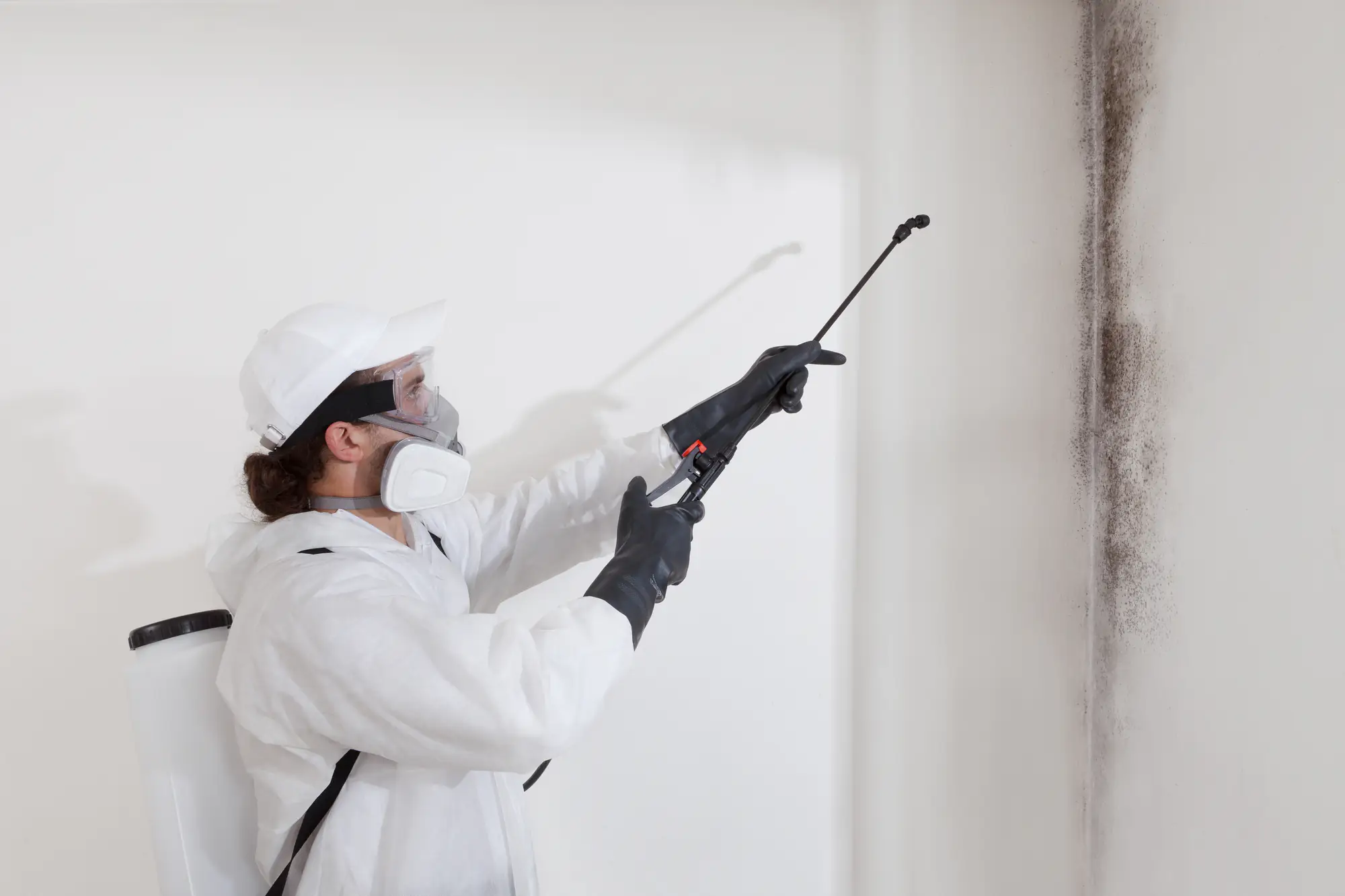
Next, we contain the affected area with physical barriers and negative air pressure systems. This keeps mold spores from spreading to clean parts of your home while we work. We remove contaminated materials, apply antimicrobial treatments, and use HEPA filtration to clean the air.
Then we address the moisture source. That might mean repairing a leak, improving ventilation, installing a dehumidifier, or fixing drainage issues. This step is what separates mitigation from surface-level cleaning.
Finally, we run post-mitigation testing to verify air quality is safe. You get documentation proving the job was done right—useful for insurance claims, real estate transactions, or just knowing your family’s protected.
Ready to get started?
You get a free inspection that identifies visible mold and hidden moisture sources. We use advanced detection equipment to check behind walls, under floors, and in spaces you’d never think to look.
Containment systems prevent cross-contamination during removal. We seal off work areas and use negative air pressure so spores don’t travel to clean rooms. HEPA filtration pulls mold particles from the air while we work.
We remove affected materials, treat surfaces with antimicrobial solutions, and fix the moisture problem causing growth. In East Goshen, that often means addressing basement humidity, attic ventilation, or plumbing leaks common in older Chester County homes.
Post-treatment testing verifies air quality meets safe standards. You get written documentation showing spore levels are back to normal ranges. We also coordinate directly with insurance companies, handling paperwork and claims documentation to reduce your out-of-pocket costs.
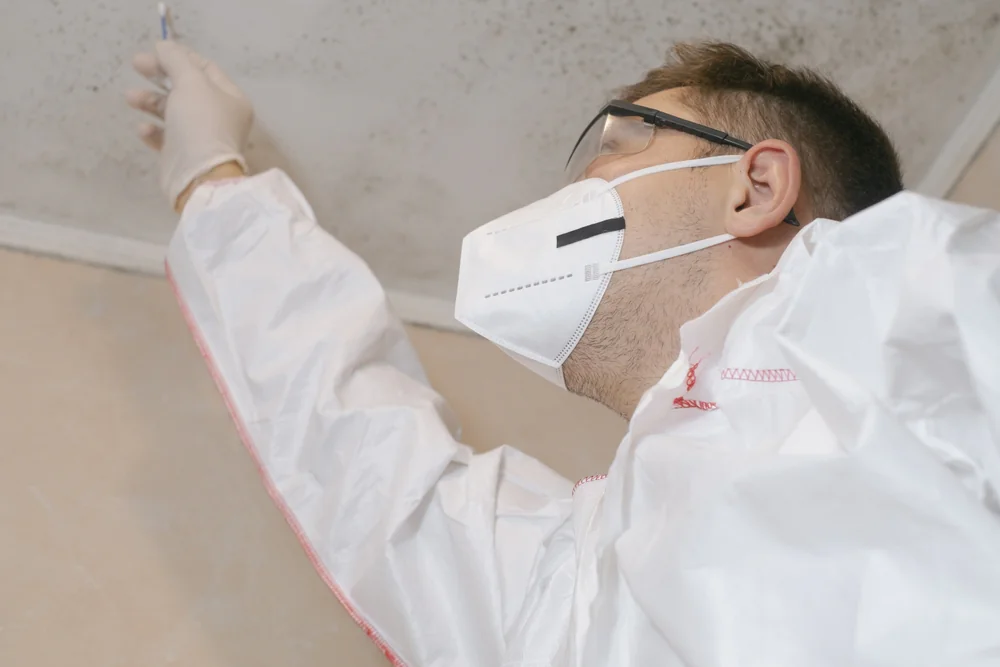
Mitigation focuses on reducing mold to safe, normal levels and eliminating the conditions that let it grow. Remediation often refers to complete removal, but that’s not always realistic—mold spores exist everywhere, even in clean homes.
Professional mold mitigation brings spore counts back to the baseline levels found in healthy indoor environments. We remove contaminated materials, treat affected areas, and most importantly, fix the moisture source feeding growth. Without addressing moisture, mold returns regardless of how thoroughly you clean.
The goal isn’t a completely sterile environment. It’s restoring your home to safe air quality levels and preventing future growth by controlling humidity, fixing leaks, and improving ventilation. That’s what protects your family’s health and your property value long-term.
Most mold mitigation projects in East Goshen run between $1,500 and $3,500, with the national average around $2,300. Your actual cost depends on how much mold is present, where it’s located, and what’s causing the moisture problem.
A small bathroom mold issue from a leaky shower costs less than widespread basement mold from foundation water intrusion. Hidden mold behind walls or in HVAC systems takes more time to access and treat. If we need to remove drywall, insulation, or flooring, material replacement adds to the total.
Many homeowners insurance policies cover mold mitigation if it resulted from a covered event like a burst pipe or storm damage. We work directly with insurance companies, handle documentation, and help you understand what’s covered. You get a detailed estimate before any work starts, so there’s no confusion about costs.
Most residential mold mitigation projects in East Goshen take two to five days from start to finish. Small, contained areas like a bathroom or closet might wrap up in one to two days. Larger projects involving basements, attics, or multiple rooms take longer.
The timeline depends on the extent of contamination, drying time for treated areas, and how long it takes to fix the underlying moisture problem. If we’re repairing a plumbing leak or improving ventilation, that adds time but prevents mold from coming back.
We’re available 24/7 for emergencies because mold spreads fast in Chester County’s humid climate. The sooner we start containment, the less damage you’ll deal with. Post-mitigation testing happens after treatment is complete and affected areas are fully dry, ensuring we’re not just covering up the problem.
It depends on the size and location of the affected area. For small, contained projects like a bathroom or single room, most families stay home while we work. We seal off the work area with physical barriers and negative air pressure to prevent spore spread.
Larger projects involving extensive contamination, black mold, or central HVAC systems might require temporary relocation. If mold has spread through air ducts or affected multiple rooms, staying elsewhere during active mitigation protects your family from exposure.
We’ll tell you upfront if relocation makes sense for your situation. Safety comes first, especially if anyone in your household has asthma, allergies, or respiratory conditions. Mold exposure can trigger serious reactions in sensitive individuals, and containment systems aren’t foolproof during active removal work.
Not if the moisture source is fixed. Mold needs water to grow, so if we eliminate what’s feeding it—whether that’s a leak, humidity problem, or ventilation issue—it won’t return.
This is why professional mold mitigation focuses on moisture control, not just cleaning visible growth. We use moisture meters to verify affected areas are completely dry. We identify and repair leaks, improve airflow in problem areas, and recommend dehumidifiers if your home has chronic humidity issues common in East Goshen’s climate.
Surface cleaning alone won’t prevent mold from coming back. You’ll see new growth in weeks if the underlying moisture problem isn’t addressed. Real mitigation means fixing what caused the problem in the first place, then verifying through post-treatment testing that conditions no longer support mold growth.
Many policies cover mold mitigation if it resulted from a sudden, accidental event like a burst pipe, appliance leak, or storm damage. Coverage typically doesn’t extend to mold from long-term neglect, maintenance issues, or flooding.
Your policy might have a mold coverage limit—often between $5,000 and $10,000—separate from your main dwelling coverage. Some insurers exclude mold entirely unless you purchase additional coverage. Reading your specific policy or calling your agent clarifies what’s covered.
We work directly with insurance companies throughout the claims process. We document everything with photos, moisture readings, and detailed reports. This helps support your claim and often reduces what you pay out of pocket. You get a clear estimate before work starts, so you know your potential costs whether insurance covers it or not.
Other Services we provide in East Goshen