
Hear from Our Customers
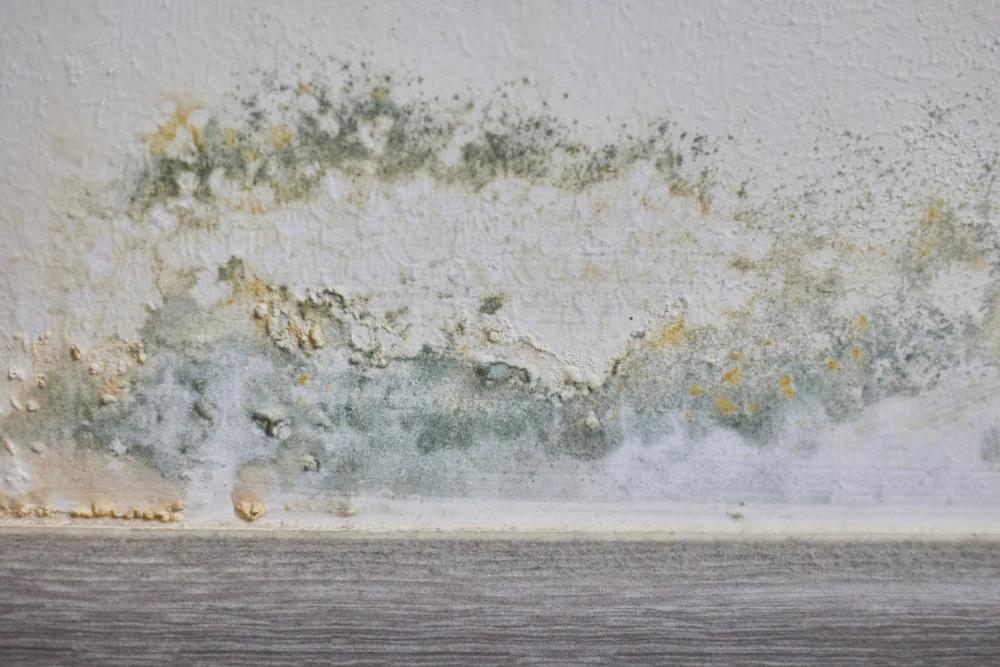
You shouldn’t have to wonder if the mold is really gone or if it’s just hiding somewhere you can’t see. Real mold mitigation means finding where it’s growing, why it’s growing, and eliminating both the problem and the conditions that let it happen in the first place.
That’s what changes after we’re done. The air smells clean. Your family stops coughing at night. You’re not checking behind furniture every week or second-guessing whether that spot on the wall is coming back.
We use moisture meters and infrared cameras to find mold in places you’d never think to check—behind drywall, under flooring, inside HVAC systems. Then we contain it, remove it, and address the moisture source so it doesn’t return. You get documentation, clear communication, and a home you can trust again.
We work with homeowners throughout Douglass, PA and the surrounding Bucks County area. We know what causes mold here—humid summers, older homes with poor ventilation, basements that trap moisture, and the kind of construction that wasn’t built with modern airflow in mind.
We’re not a national franchise following a script. We’re local, we understand the housing stock in this area, and we’ve seen what happens when mold mitigation is done halfway. That’s why we focus on the source, not just the surface.
Every job starts with a free assessment. We’ll tell you what’s happening, why it’s happening, and what it takes to fix it for good.
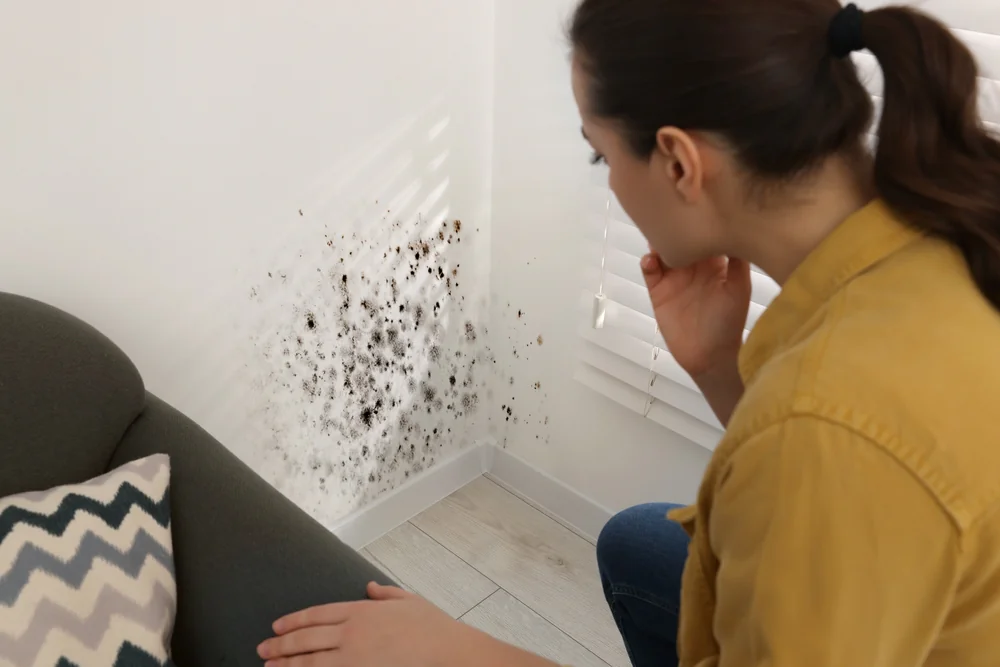
First, we inspect your property—thoroughly. That means checking visible areas and using technology to find hidden moisture and mold growth behind walls, under floors, and in crawl spaces. We identify the type of mold, the extent of contamination, and the moisture source feeding it.
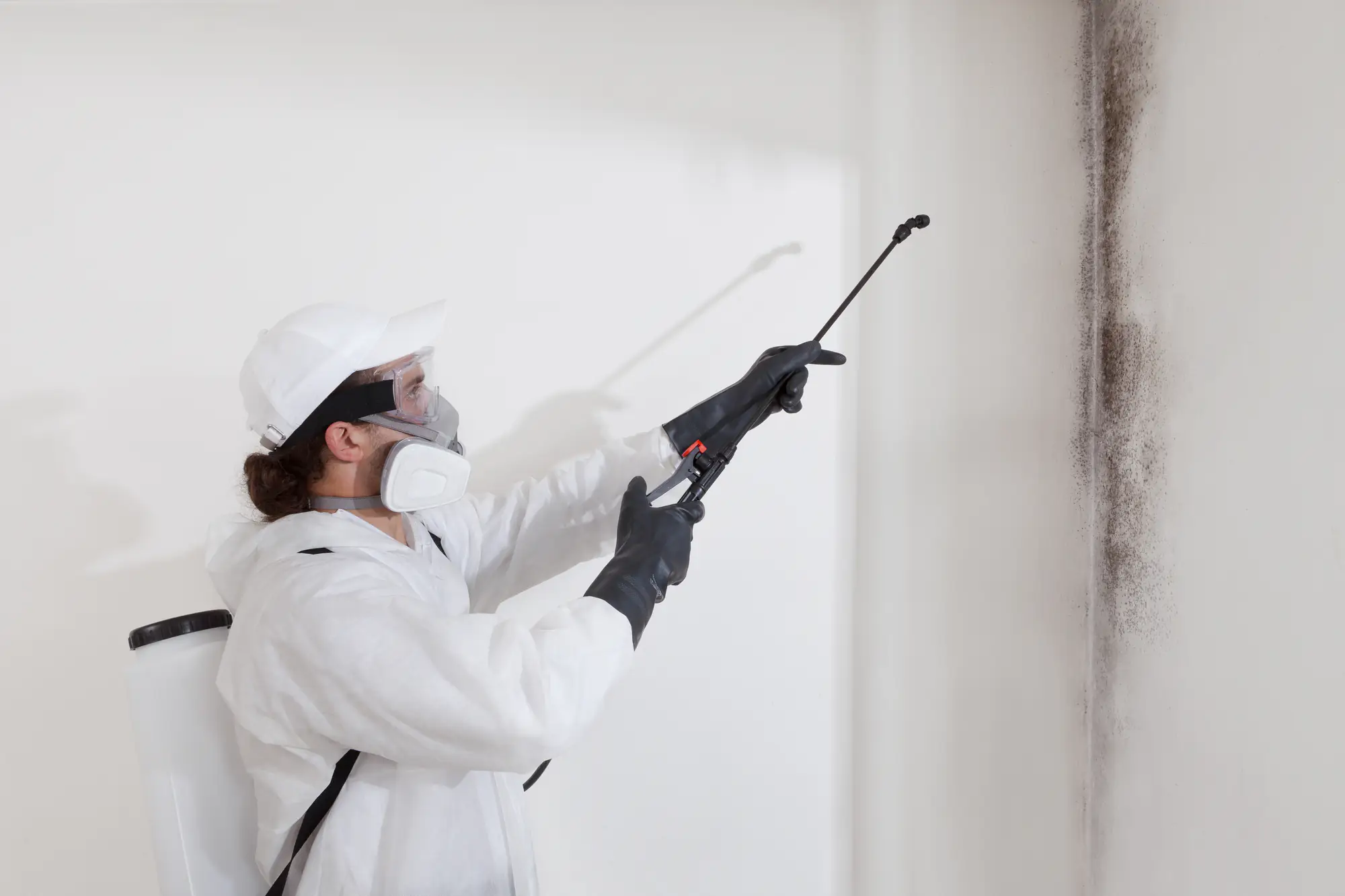
Next, we contain the affected area using physical barriers and negative air pressure systems. This keeps mold spores from spreading to clean parts of your home while we work. Then we remove contaminated materials, treat affected surfaces, and use HEPA filtration and air scrubbers to clean the air.
After removal, we address the root cause—whether that’s repairing a leak, improving ventilation, or installing a dehumidifier. We don’t just clean up mold. We eliminate the conditions that allowed it to grow. You’ll get clear documentation of what was done and recommendations to keep your home mold-free going forward.
Ready to get started?
You’re getting a full-scope service, not a quick cleanup. That includes a free initial assessment with moisture mapping and mold testing to understand what you’re dealing with. We provide containment and air filtration during the entire process to protect the rest of your home.
We remove all contaminated materials—drywall, insulation, flooring, whatever can’t be safely restored. We treat and disinfect affected areas using EPA-approved methods. And we don’t stop there. We identify and fix the moisture problem, whether it’s a plumbing leak, condensation issue, or ventilation failure.
In Douglass and throughout Bucks County, we see a lot of basement mold tied to old stone foundations and poor drainage. We also see attic mold from roof leaks and bathroom mold from exhaust fans that vent into the attic instead of outside. These are fixable problems, but they require more than surface cleaning. Our mold mitigation services address the whole picture so you’re not calling us back in six months.
We also work directly with your insurance company if your claim covers mold mitigation, and we offer financing options to make the work manageable.
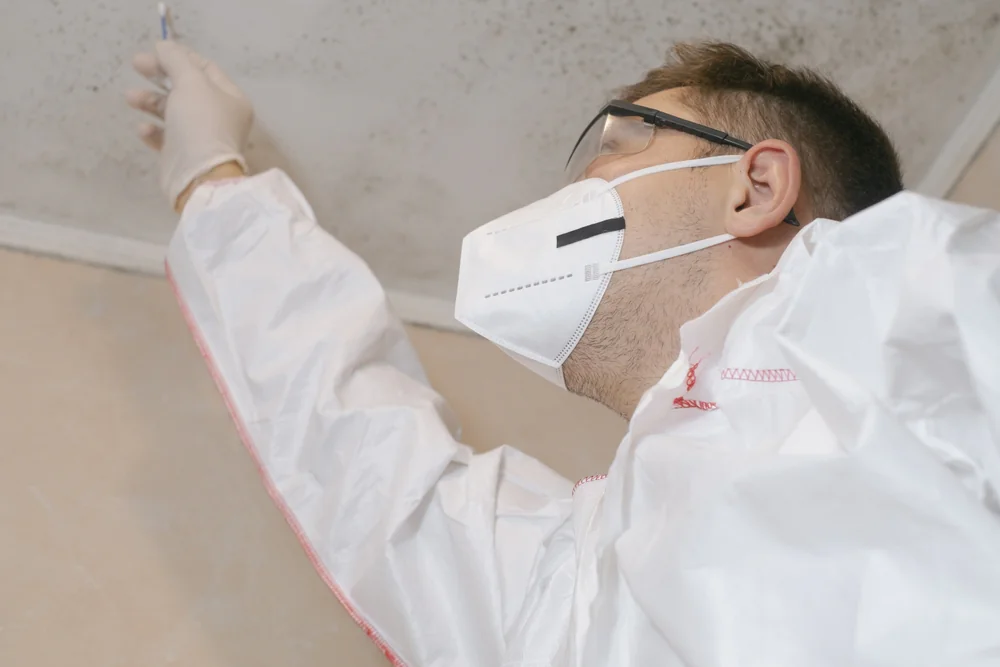
Mold removal focuses on cleaning visible mold off surfaces. Mold mitigation goes further—it’s about reducing and controlling the conditions that allow mold to grow in the first place.
When you mitigate mold damage, you’re addressing the moisture source, containing the spread during removal, eliminating contaminated materials, and preventing future growth. Removal might get rid of what you can see today. Mitigation keeps it from coming back next month.
If your home has had mold more than once, removal isn’t enough. You need mitigation that fixes the underlying problem, whether that’s a leak, humidity issue, or ventilation failure.
It depends on the size of the affected area and how far the mold has spread. A small, contained area like a bathroom might take two to three days. A larger job involving multiple rooms, a basement, or hidden mold behind walls can take a week or more.
The timeline includes inspection, containment setup, removal, treatment, drying, and addressing the moisture source. Rushing through any of those steps means the mold is more likely to return.
We’ll give you a clear timeline after the initial assessment. If it’s an emergency situation—like after a flood or major leak—we can start containment within hours to prevent further spread while we plan the full mitigation process.
In most cases, yes—but it depends on the extent of contamination and where the mold is located. If the affected area is contained to one part of the house, we seal it off with barriers and negative air pressure so spores don’t spread. You can stay in unaffected areas.
If the mold covers a large area, affects your HVAC system, or involves black mold in living spaces, we may recommend staying elsewhere during active removal. Your health and safety come first.
We’ll be upfront during the assessment about whether it’s safe to stay or not. If you have young children, elderly family members, or anyone with respiratory issues, we usually recommend extra caution even when containment is in place.
It depends on what caused the mold. If it resulted from a sudden, accidental event—like a burst pipe, roof leak during a storm, or appliance malfunction—most policies will cover mitigation. If the mold developed over time due to neglect, poor maintenance, or long-term moisture issues, coverage is less likely.
The key is documenting everything and acting fast. Insurance companies want to see that you addressed the water damage quickly and that the mold mitigation was necessary to prevent further loss.
We work with insurance companies regularly and can help you navigate the claims process. We’ll provide detailed documentation, photos, and estimates to support your claim. Even if insurance doesn’t cover the full cost, we offer financing to make the work affordable.
If you’ve had a flood, major leak, sewage backup, or any situation where materials stayed wet for more than 24 to 48 hours, you’re in the window where mold starts growing fast. That’s when emergency mold mitigation matters.
You’ll also want immediate help if you’re seeing rapid mold growth, smelling strong musty odors throughout your home, or if anyone in your household is experiencing sudden respiratory symptoms or allergic reactions.
Emergency mitigation focuses on containment first—stopping the spread and controlling moisture before the problem gets worse. We’re available 24/7 because mold doesn’t wait for business hours, and the faster you act, the less damage you’ll deal with overall.
Mold comes back because the moisture source is still there. You can scrub every visible spot with bleach, but if you’ve got a leaky pipe, poor ventilation, high humidity, or condensation problems, you’re just buying time until it regrows.
Mold needs moisture to survive. If that moisture isn’t eliminated, the spores that are already in your home—and they’re everywhere, that’s normal—will start colonizing again as soon as conditions are right.
That’s why mold mitigation focuses on identifying and fixing the moisture problem, not just cleaning the surface. In Douglass and Bucks County, we see recurring mold in basements with foundation issues, bathrooms without proper exhaust, and attics with roof leaks or poor insulation. Fix the cause, and the mold stops coming back.
Other Services we provide in Douglass