
Hear from Our Customers
You’re not just getting rid of what you can see on the bathroom ceiling or basement wall. Real mold mitigation means your air quality improves, your family stops dealing with mystery headaches and respiratory issues, and you can finally stop worrying about what’s growing behind your walls.
Homes in Cheltenham face specific challenges. With a median construction year of 1953 and nearly a third of homes built before the 1940s, older ventilation systems trap humidity exactly where mold thrives. Pennsylvania’s climate doesn’t help—high summer humidity and temperature swings create condensation in attics, crawl spaces, and anywhere air can’t circulate properly.
When mold mitigation is done right, you’re looking at documented reductions in asthma symptoms—25 to 45 percent in most cases. You’re protecting your property value from the 20 to 37 percent loss that untreated mold damage causes. And you’re getting verification through air quality testing that proves spore levels are back where they should be.
We serve homeowners throughout Cheltenham and Bucks County. We’re not a national franchise reading from a script—we understand the specific construction styles, basement moisture patterns, and climate challenges that affect homes in this area.
Cheltenham’s housing stock presents unique vulnerabilities. The high-density development from the streetcar suburb era means attached homes, shared walls, and ventilation issues that weren’t problems when these houses were built. We’ve seen how mold behaves in these structures, and we know how to stop it permanently.
We use EPA-approved methods, advanced moisture detection, and HEPA filtration systems. More importantly, we help you navigate insurance claims and provide the documentation you need to prove the work was done correctly.
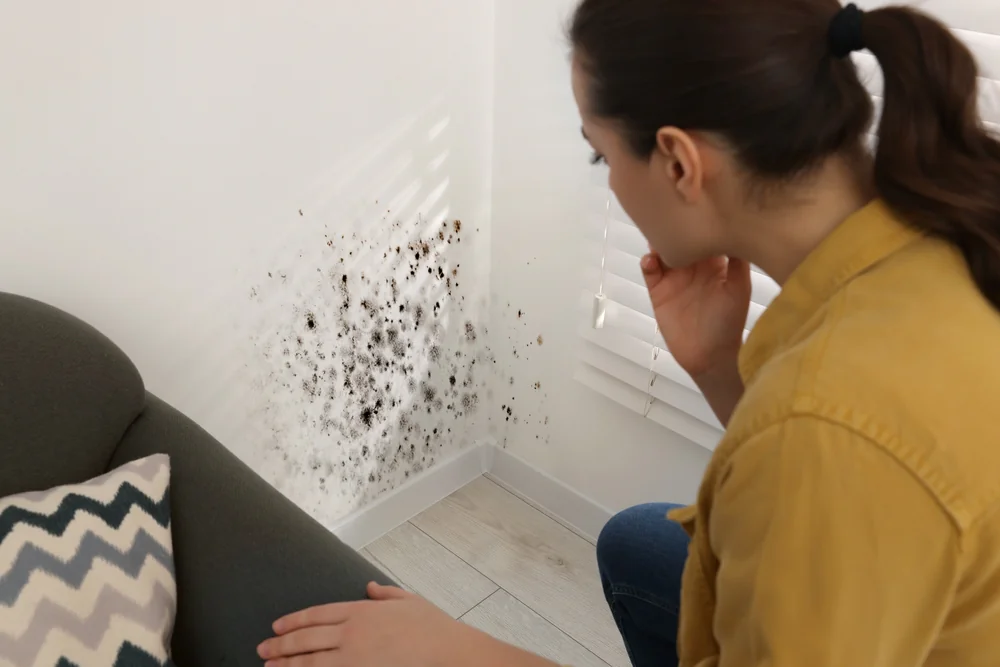
First, we identify where moisture is coming from—leaky pipes, roof penetration, poor ventilation, whatever’s feeding the problem. Mold doesn’t grow without moisture, so if we don’t fix the source, you’re just paying to remove growth that’ll come back in six months.
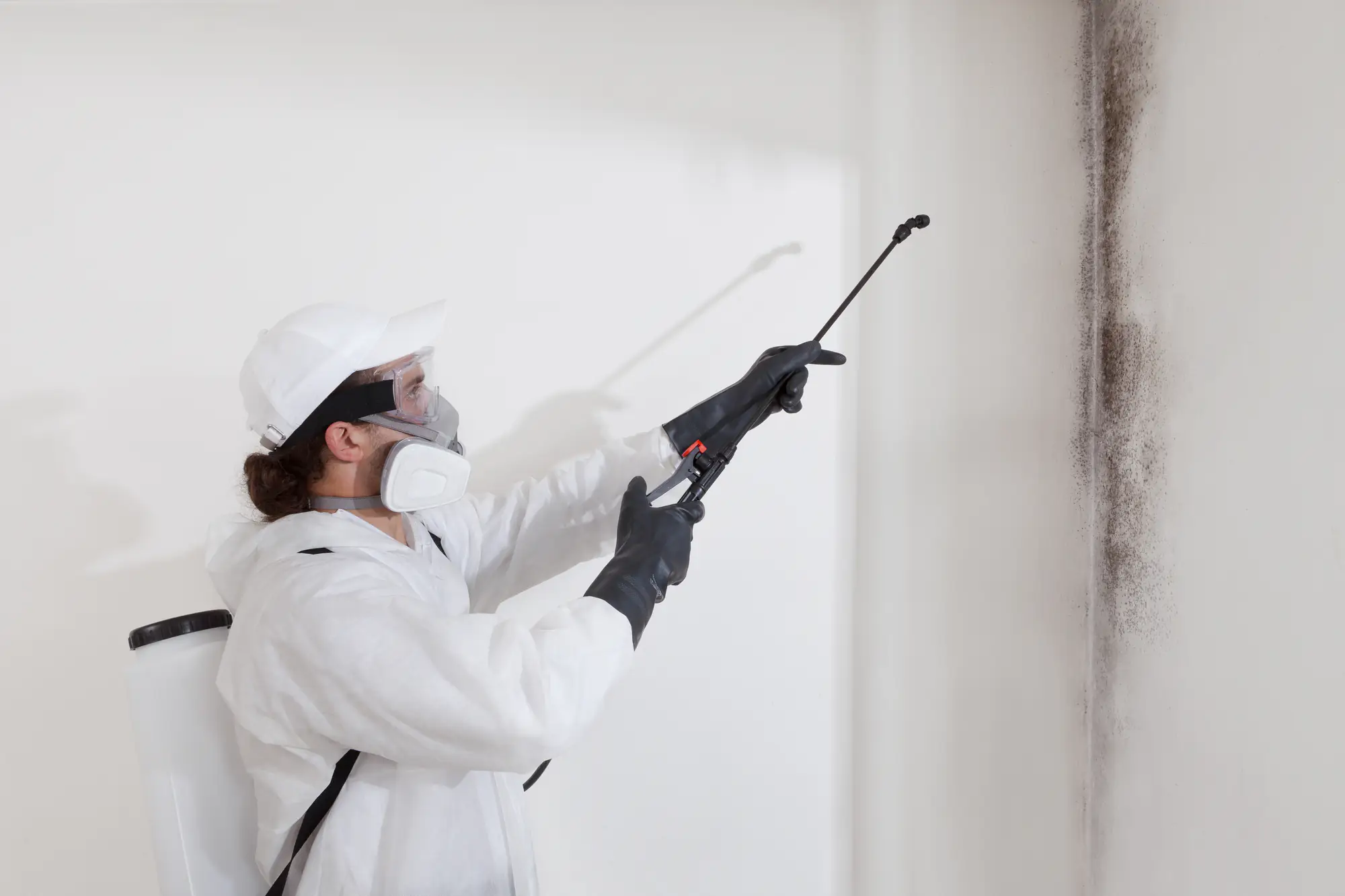
Next, we contain the affected area to prevent spores from spreading during removal. We’re using negative air pressure and physical barriers, not just throwing up some plastic sheeting. Then comes removal of contaminated materials, antimicrobial treatment of affected surfaces, and thorough drying with commercial-grade equipment.
The final step is air quality testing. You’re not taking our word that the job’s done—you’re getting lab results showing spore counts are back to normal levels. We also provide complete documentation for your records and insurance company. The whole process typically takes three to five days depending on the extent of growth, but we can start within 24 hours of your call because mold colonization accelerates fast after water exposure.
Ready to get started?
You’re getting moisture source identification and repair, complete containment setup, removal of all contaminated materials, antimicrobial treatment, structural drying, HEPA air filtration, and verified air quality testing. That’s the baseline. We also handle the insurance paperwork, provide photo documentation of the entire process, and give you a clear timeline before we start.
In Cheltenham specifically, we’re often dealing with basement moisture from the water table, attic condensation from inadequate ventilation in older homes, and black mold growth behind walls where slow leaks went unnoticed. Nearly half of residential buildings in this region show visible mold or detectable odor—it’s not unusual, and it’s not something to ignore.
Pennsylvania has no state-specific mold regulations, which means anyone can claim they do mold remediation. What separates actual mitigation from surface cleaning is addressing the moisture problem, removing hidden growth, and proving through testing that the air is safe. You’re also getting guidance on preventing recurrence—dehumidifier placement, ventilation improvements, maintenance schedules for older HVAC systems common in homes from the 1940s and 50s.
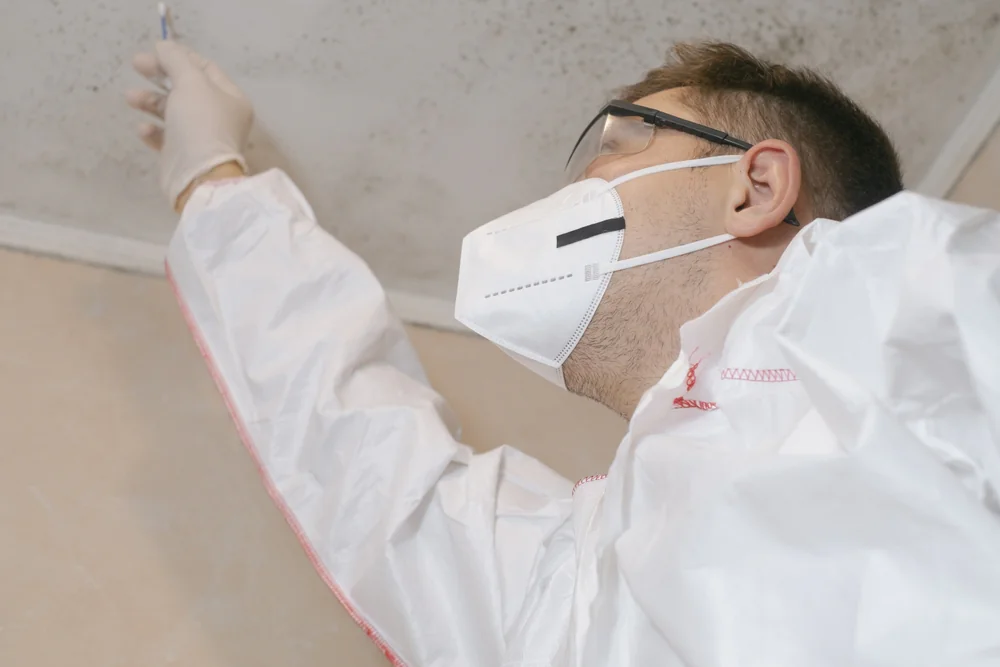
Most residential mold mitigation projects take three to five days from start to finish. That includes containment setup, removal, treatment, drying, and final air quality testing.
The timeline depends on how much growth we’re dealing with and where it’s located. A single bathroom with surface mold might take two days. A finished basement with growth behind drywall and in the HVAC system could take a week. Homes built before 1940—and Cheltenham has plenty—often have mold in multiple areas because moisture issues in older construction tend to affect more than one room.
We can usually start within 24 hours of your call. That matters because mold spreads fast once conditions are right. You’re not doing yourself any favors by waiting to see if it gets worse.
It depends on what caused the mold. If it’s from a sudden, accidental water event—burst pipe, roof damage from a storm, appliance malfunction—most policies cover mitigation. If it’s from long-term neglect or maintenance issues, probably not.
The key is documentation. Insurance companies want to see that the water damage was unexpected and that you acted quickly to address it. We help with that process—providing detailed reports, photos, moisture readings, and scope of work documentation that claims adjusters actually need.
Pennsylvania doesn’t require special licensing for mold work, but insurance companies prefer contractors who follow EPA guidelines and provide verified testing. We handle both, which makes the claims process smoother. Call your insurance company as soon as you discover mold, then call us. We’ll work directly with your adjuster to get you the coverage you’re entitled to.
Mold removal is what it sounds like—getting rid of visible growth. Mold mitigation is more complete. You’re addressing the moisture source, removing both visible and hidden growth, treating affected areas to prevent recurrence, and verifying through air testing that spore levels are safe.
Anyone can spray bleach on a moldy wall. That’s removal, and it’s temporary. Mitigation means finding out why that wall got moldy in the first place—maybe it’s condensation from poor insulation, maybe it’s a slow leak in the plumbing, maybe it’s humidity from a crawl space that’s never been properly sealed.
In Cheltenham’s older homes, we often find multiple moisture sources. Mitigation handles all of them. You’re getting a permanent fix, not a cosmetic one. And you’re getting documentation that proves the work was done correctly, which matters for resale value and insurance purposes.
Musty odors are the biggest tell. If a room smells like mildew but you don’t see growth, it’s probably behind walls, under flooring, or in the HVAC system. Other signs include water stains on ceilings or walls, peeling paint, warped baseboards, and persistent allergy symptoms that improve when you leave the house.
We use moisture meters and thermal imaging to find hidden growth without tearing into walls randomly. These tools show us where moisture levels are elevated, which is where mold is likely growing. In Cheltenham’s older homes, common hiding spots include exterior wall cavities where insulation is inadequate, basement rim joists, attic sheathing near roof penetrations, and behind bathroom tile where grout has failed.
Professional detection matters because surface mold is usually just part of the problem. If you’re seeing growth on drywall, there’s often more behind it. If your basement smells musty but looks fine, the mold is in the walls or under the carpet pad. You can’t mitigate what you can’t find.
Small surface areas—less than 10 square feet, no HVAC involvement, no structural materials affected—you can handle yourself with proper protection. Anything larger, anything in your heating and cooling system, anything that’s compromised drywall or framing, you need professional mitigation.
The problem with DIY mold removal is you’re likely spreading spores throughout your home during the process. You’re also probably not addressing the moisture source, which means it comes back. And you’re definitely not testing afterward to confirm the air is safe.
Homes in Cheltenham face specific challenges that make DIY risky. Older ventilation systems mean spores spread easily between rooms. Attached housing stock means mold can affect shared walls. And if you’re dealing with black mold—which is common in damp basements and poorly ventilated bathrooms—exposure during removal can cause serious respiratory issues. Professional mitigation costs more upfront, but it’s permanent, it’s verified, and it doesn’t put your health at risk during the process.
Control moisture and improve ventilation. Those are the two factors that determine whether mold returns. We fix the immediate moisture source during mitigation, but long-term prevention is about managing humidity levels and ensuring air circulates properly.
For Cheltenham homes, that usually means running dehumidifiers in basements during humid months, making sure bathroom and kitchen exhaust fans vent outside (not into the attic), fixing any plumbing leaks immediately, and keeping gutters clean so water doesn’t pool near the foundation. Older homes often need ventilation upgrades—ridge vents in attics, vapor barriers in crawl spaces, better airflow in finished basements.
We’ll give you specific recommendations based on what we find during mitigation. Maybe your HVAC system needs a UV light to kill spores. Maybe your basement needs a sump pump or better drainage. Maybe you just need to keep indoor humidity below 50 percent. Prevention isn’t complicated, but it does require addressing the conditions that allowed mold to grow in the first place.
Other Services we provide in Cheltenham