
Hear from Our Customers
You’re not dealing with mold because you ignored it. You’re dealing with it because something in your home is creating the conditions for it to grow. Maybe it’s humidity that never drops below 60% in your basement during summer. Maybe it’s a slow leak you didn’t know about, or an attic that doesn’t breathe the way it should.
Mold mitigation means we find what’s feeding the mold and we stop it. That’s containment, removal, antimicrobial treatment, HEPA filtration to pull spores out of the air, and then addressing the moisture problem so you’re not calling someone else in six months.
You get a home that doesn’t smell musty. Air quality that doesn’t trigger allergies or asthma. And the peace of mind that comes with a 5-year warranty, because we’re confident the work holds up.
This isn’t about masking the problem. It’s about making sure it doesn’t come back.
We’ve been working with homeowners in Abington and across Bucks County for over 25 years. We’re not a franchise with a call center three states away. We’re local, and we understand why mold is such a persistent problem here.
Abington’s older homes weren’t built with vapor barriers or crawl space ventilation the way new construction is. Add in Pennsylvania’s humid summers and the temperature swings we get year-round, and you’ve got the perfect environment for mold growth. We’ve seen it in basements, attics, behind drywall, under sinks, and in HVAC systems that haven’t been checked in years.
We show up with moisture meters, infrared cameras, and 25 years of knowing where mold hides in homes like yours. You get a free inspection, a clear explanation of what needs to happen and why, and an estimate with no pressure. If your insurance covers it, we’ll help with the documentation and walk you through what carriers actually need to see.
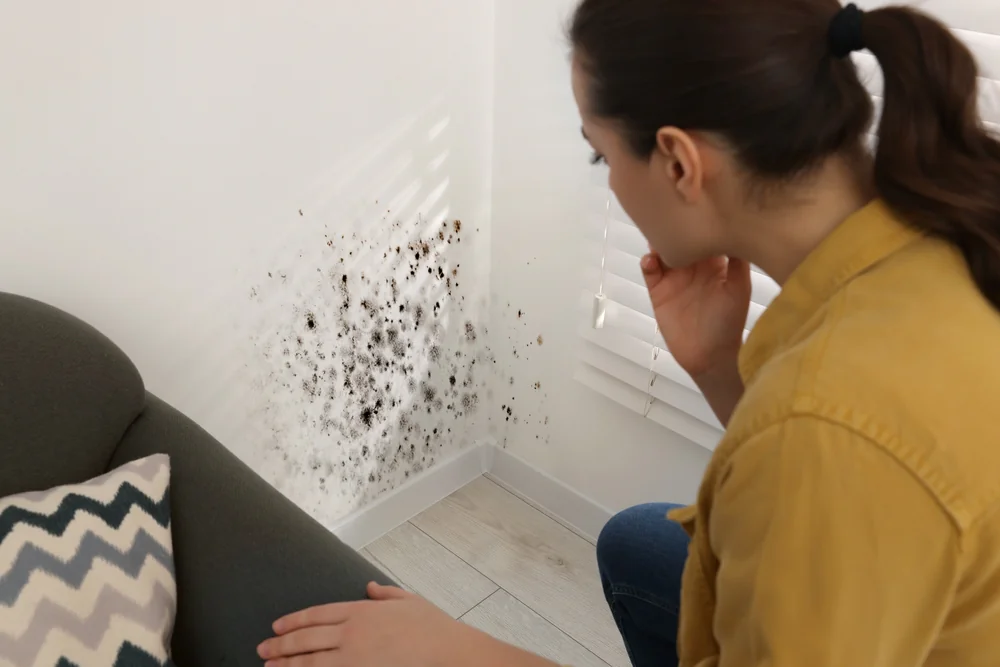
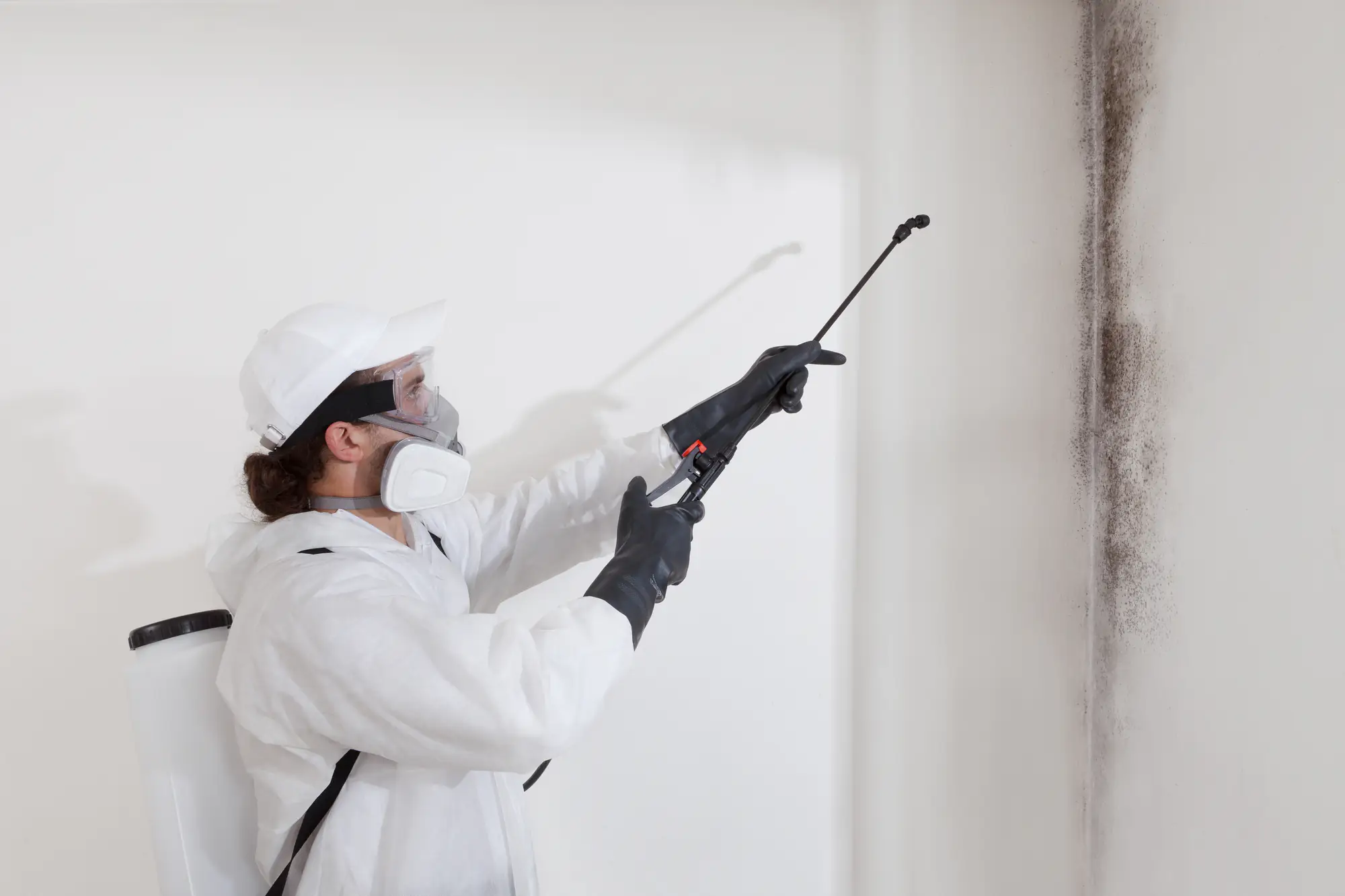
First, we contain the area so spores don’t spread to other parts of your home while we’re working. That means plastic sheeting, negative air pressure, and sealed-off work zones.
Then we remove the mold using EPA-approved antimicrobials and HEPA vacuums that pull spores out of the air. If materials like drywall or insulation are too far gone, we remove and dispose of them properly. This isn’t a DIY bleach-and-pray situation. Black mold mitigation requires protective equipment, proper containment, and knowing what you’re dealing with.
After removal, we address the moisture source. That could mean fixing a leak, installing a dehumidifier, improving ventilation, or waterproofing a basement. Without this step, you’re just cleaning mold that’s going to grow back.
Finally, we verify air quality and make sure the space is safe before we close it back up. You get documentation, photos, moisture readings, and a 5-year warranty that backs up the work.
Ready to get started?
Mold mitigation isn’t just removal. It’s cleanup plus prevention. You’re getting containment, HEPA filtration, antimicrobial treatment, removal of contaminated materials, and the fix that stops mold from coming back.
In Abington, that often means dealing with basements that stay damp all summer, attics with poor ventilation, or crawl spaces that were never designed to handle moisture. We’ve worked in enough older homes here to know what the common culprits are. High humidity, old plumbing, roof leaks that went unnoticed, HVAC systems that circulate mold spores because the ducts were never cleaned.
We also handle insurance documentation if your claim is covered. That means detailed reports, photos, and moisture readings that show the extent of the damage and what caused it. Most carriers cover sudden events like burst pipes or storm damage. Long-term neglect is harder to get covered, but we’ll help you understand what you’re working with.
You also get 24/7 emergency response if you need it. Mold doesn’t wait for business hours, and neither do we.
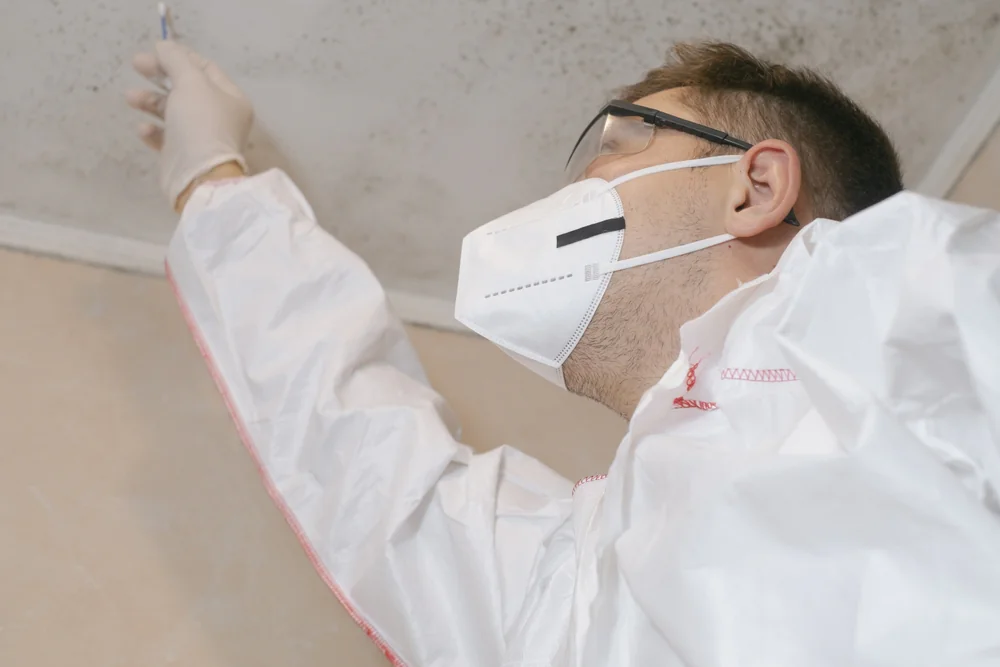
Mold removal is surface-level cleanup. You’re scrubbing or wiping away visible mold, but you’re not addressing what caused it. Mold mitigation is removal plus fixing the underlying problem so it doesn’t come back.
In Abington, most homeowners need mitigation because the climate and older home construction create recurring moisture issues. If you only do removal, the mold will likely return within a year. Mitigation means we find the moisture source, whether it’s a leak, poor ventilation, or high humidity, and we address it as part of the job.
That’s why mitigation comes with a warranty and removal doesn’t. We’re confident the problem is actually solved, not just temporarily cleaned up.
It depends on the size of the affected area and what’s causing the mold. A small bathroom or closet might take one to two days. A full basement or attic with structural damage and moisture issues could take a week or more.
The timeline includes containment, removal, treating the area with antimicrobials, addressing the moisture source, and verifying air quality before we’re done. Rushing through mitigation means cutting corners, and that usually means the mold comes back.
We’ll give you a clear timeline during the free inspection so you know what to expect. If it’s an emergency situation, we can start containment and removal within hours and work through the rest of the process as quickly as possible without compromising the quality of the work.
It depends on what caused the mold. Most insurance policies cover mold mitigation if it’s the result of a sudden, accidental event like a burst pipe, roof leak from storm damage, or appliance malfunction. If the mold is from long-term neglect, like a slow leak you didn’t fix or chronic humidity issues, coverage is less likely.
We help Abington homeowners with the documentation process. That means detailed reports, photos, moisture readings, and a clear explanation of what caused the mold and what needs to happen to fix it. We know what insurance carriers need to see, and we’ve worked with enough claims to understand how the process works.
Even if your insurance doesn’t cover it, we’ll give you a clear estimate up front so you know what you’re paying for and why. No surprises, no pressure.
If it’s a very small area, less than 10 square feet, and you know what caused it and can fix that cause, you might be able to handle it yourself. Anything larger, anything involving black mold, or anything where you don’t know the source of the moisture should be handled by professionals.
DIY mold removal usually makes the problem worse. Without proper containment, you spread spores throughout your home while you’re scrubbing. Without identifying the moisture source, the mold grows back. And if you’re dealing with toxic black mold, you’re exposing yourself to health risks without the right protective equipment.
Professional mold mitigation means containment, HEPA filtration, EPA-approved antimicrobials, proper disposal, and addressing the root cause. It also means you’re not doing the job twice. Most homeowners who try DIY end up calling us after the mold returns, and by then the problem is usually bigger and more expensive to fix.
Black mold, or Stachybotrys chartarum, is usually dark green or black, slimy in texture, and has a strong musty odor. But you can’t identify mold species just by looking at it. The only way to know for sure is through testing, which we can do during the inspection.
Black mold grows in areas with consistent moisture and cellulose-based materials like drywall, wood, or insulation. In Abington homes, we commonly find it in basements with humidity issues, attics with roof leaks, behind walls where plumbing has been leaking, and in HVAC systems that haven’t been maintained.
If you’re experiencing unexplained respiratory issues, headaches, or allergy symptoms that get worse at home, that’s a sign you might have a mold problem. Black mold releases mycotoxins that can cause serious health issues, especially for kids, elderly family members, and anyone with asthma or a compromised immune system. Don’t wait to get it checked.
Mold keeps coming back because the moisture source was never addressed. You can clean mold off a surface, but if the humidity is still too high, or there’s still a leak, or the ventilation is still poor, mold will regrow in the same spot.
Abington’s climate makes this especially common. Humid summers, older homes without proper vapor barriers, basements that weren’t built with moisture control in mind, and attics that don’t ventilate well all create perfect conditions for mold. Add in an aging roof or old plumbing, and you’ve got recurring problems.
Mitigation fixes this by addressing the root cause. That might mean installing a dehumidifier, improving airflow, waterproofing a basement, or fixing a leak you didn’t even know was there. We use moisture meters and infrared cameras to find hidden issues, and we don’t close up the work until we’re confident the moisture problem is solved. That’s why we can offer a 5-year warranty.
Other Services we provide in Abington