

Hear from Our Customers
Most homeowners in East Passyunk don’t have a mold problem—they have a “not knowing” problem. You see water stains in the basement. You smell something musty near the crawl space. Your kids keep coughing, and you can’t figure out why.
Store-bought test kits won’t tell you what species you’re dealing with or how much is actually there. They just tell you mold exists—which isn’t helpful when you’re trying to decide if you need to spend thousands on remediation or just fix a leaky pipe.
Professional mold testing gives you lab-verified results. You’ll know exactly what type of mold is present, where it’s concentrated, and whether it’s actually dangerous. That means you can make smart decisions about your next steps instead of panicking or ignoring a real problem until it gets worse.
When you’re dealing with a rowhouse built in 1920 with a brick foundation and no vapor barrier, guessing isn’t good enough. You need to know.
We’ve been serving Philadelphia homeowners since the early ’90s. We’ve seen every kind of mold issue these old rowhomes can throw at us—from basement seepage to attic condensation to hidden growth behind original plaster walls.
Our technicians are certified, licensed, and insured. We follow EPA protocols and Pennsylvania Department of Health standards because we know you’re not just looking for a number on a report—you’re looking for clarity and a plan that actually works.
East Passyunk is full of beautiful old homes with quirks that come with age. We understand how these buildings behave, where moisture likes to hide, and what actually needs attention versus what’s just cosmetic. That local knowledge matters when you’re trying to protect a home you love in a neighborhood that’s finally getting the recognition it deserves.
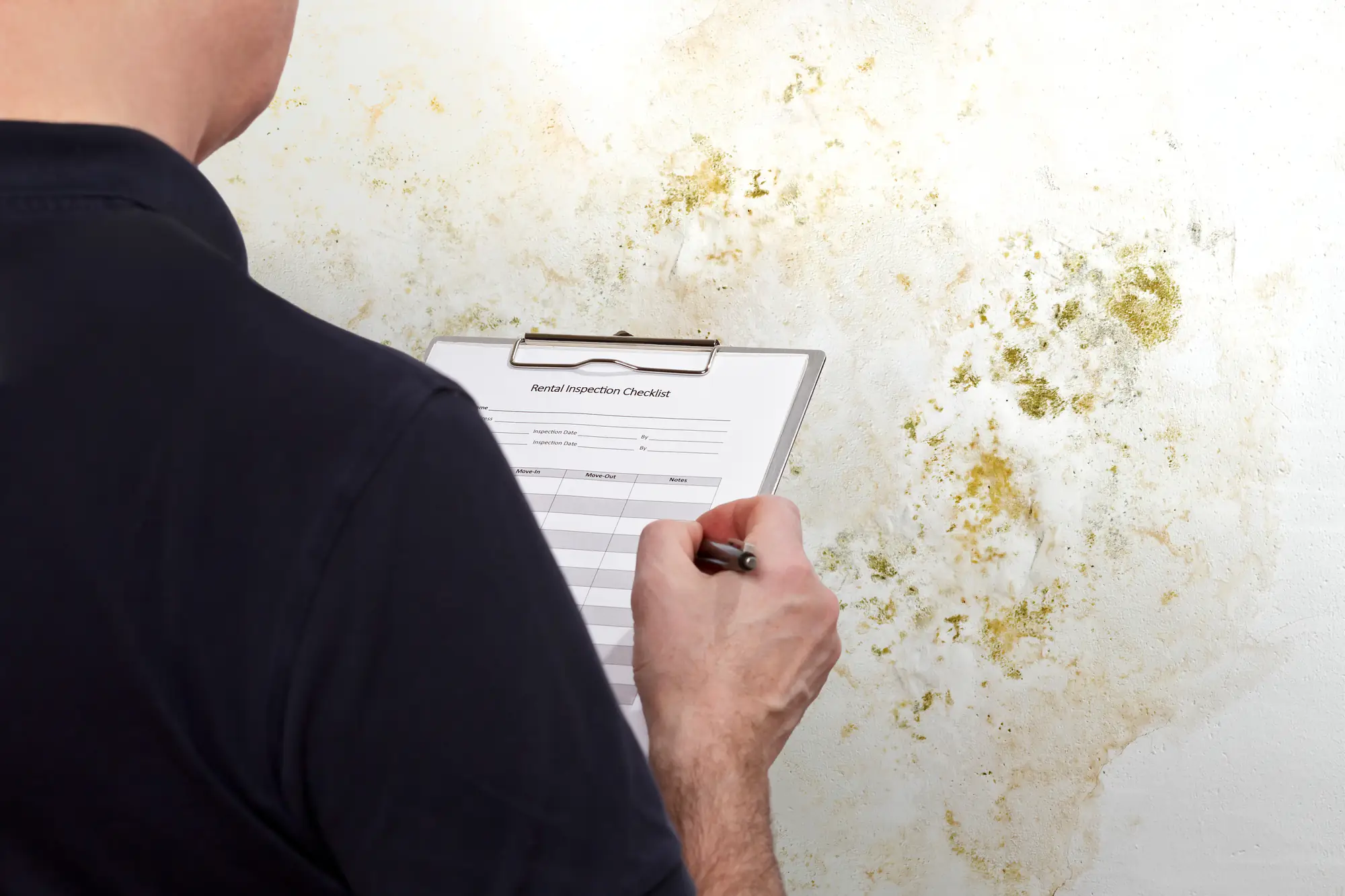
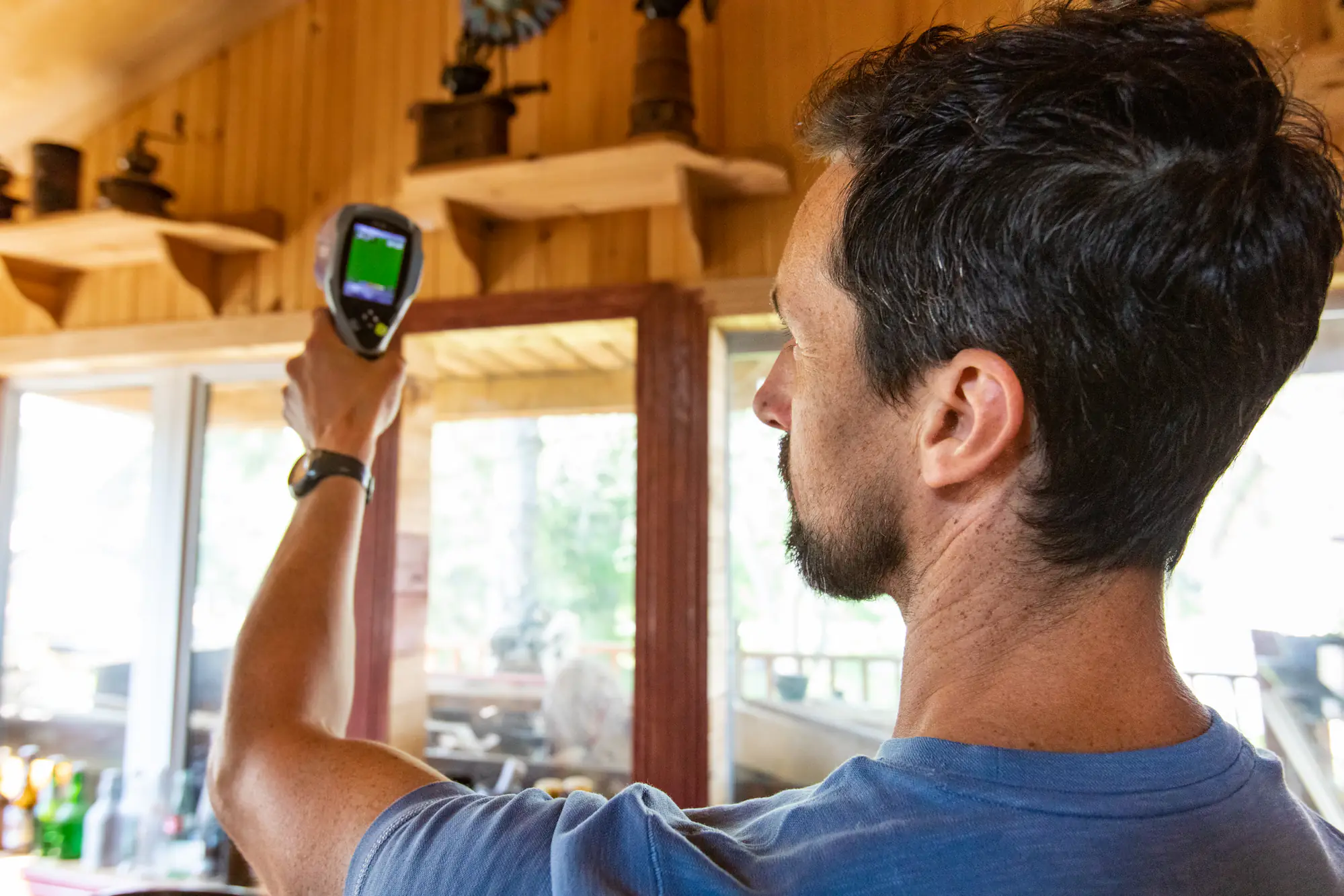
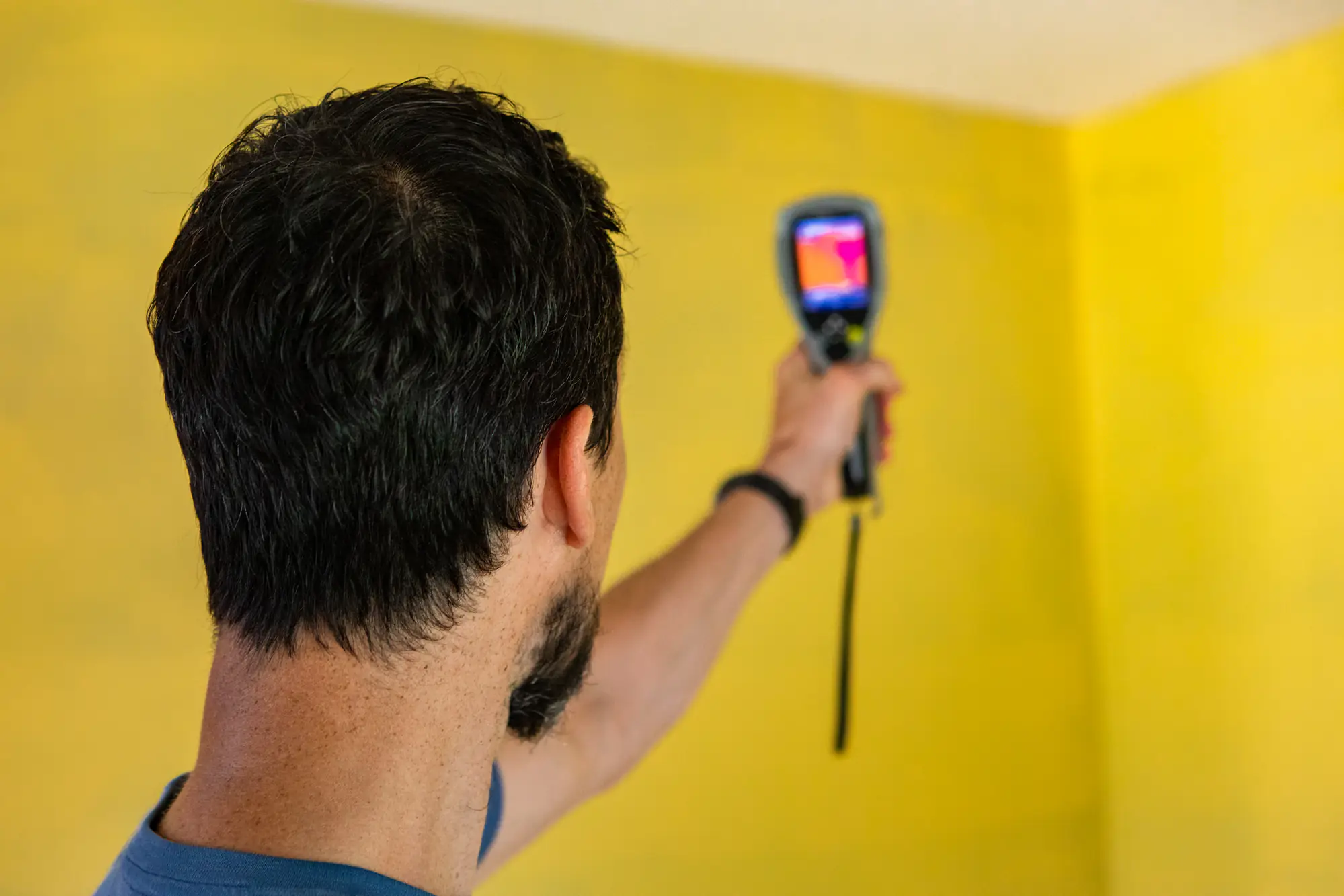
First, we walk through your home and look for visible signs of mold and moisture. We’re checking basements, crawl spaces, attics, bathrooms—anywhere water tends to accumulate. We use moisture meters and thermal imaging to find hidden problems you can’t see.
Next, we collect air samples and surface samples from areas of concern. These samples go to an independent lab for analysis. The lab identifies the species and measures spore concentration levels so you know exactly what you’re dealing with.
You’ll get a detailed report within a few days. It explains what type of mold is present, where the moisture source is, and how far the contamination has spread. If remediation is needed, we’ll tell you what that looks like—no upselling, no unnecessary work.
If the issue is minor, we’ll tell you that too. Sometimes it’s just a matter of fixing a gutter or improving ventilation. Other times, you need a full remediation plan. Either way, you’ll know the truth and have a clear path forward.
Ready to get started?
You get a certified inspector who knows how Philadelphia homes are built and where problems typically start. In East Passyunk, that usually means old brick foundations that let moisture seep through, unfinished basements with poor airflow, or flat roofs that don’t drain properly after heavy rain.
We collect air samples from multiple rooms to measure airborne spore levels. We take surface samples from visible growth or suspected areas. Everything gets sent to an accredited lab for species identification and concentration analysis—not some in-house kit that gives you a yes/no answer.
Your report includes photos, lab results, moisture readings, and our professional assessment of what’s causing the problem. We’ll explain whether you’re looking at a minor issue that needs monitoring or active contamination that requires immediate remediation.
You also get recommendations that make sense for your situation. If you’ve got a century-old rowhouse with no basement waterproofing, we’re not going to pretend a dehumidifier will solve everything. We’ll tell you what actually needs to happen to keep mold from coming back—and what that’s likely to cost.
Most residential mold testing in East Passyunk runs between $300 and $700, depending on the size of your home and how many samples we need to collect. A typical rowhome inspection with air and surface sampling usually falls around $400 to $500.
That price includes the on-site inspection, sample collection, lab analysis, and a detailed report with recommendations. If you’ve got a larger home or multiple areas of concern—like a finished basement plus an attic—the cost goes up because we’re collecting more samples and spending more time on-site.
Some companies charge less, but they’re often using basic test kits that don’t give you species identification or spore counts. Others charge more because they’re bundling the testing with a remediation estimate you didn’t ask for. We keep it straightforward: you pay for accurate testing and honest answers, nothing more.
You’ll typically get results within three to five business days after we collect samples. The timeline depends on the lab’s workload, but we work with accredited facilities that prioritize turnaround time without cutting corners on accuracy.
We can usually schedule your inspection within 24 to 48 hours of your call. The actual on-site visit takes one to two hours depending on your home’s size and layout. After that, samples go straight to the lab for analysis.
Once results come back, we’ll walk you through the report and explain what everything means. If you need remediation, we can start planning next steps right away. If the results show low levels or non-toxic species, we’ll explain what monitoring or prevention looks like so you’re not left wondering what to do next.
A mold inspection is a visual assessment where we look for signs of mold growth, water damage, and moisture problems. We’re checking all the common problem areas and using tools like moisture meters and thermal cameras to find hidden issues.
Mold testing goes a step further—we actually collect samples and send them to a lab for analysis. That tells you what species of mold is present and how much of it is in your air or on your surfaces. Testing gives you scientific data instead of just an educated guess.
Most homeowners need both. The inspection helps us figure out where to test and what’s causing the problem. The testing confirms what we’re dealing with and whether it’s something that needs immediate attention. You can’t create an effective remediation plan without knowing what you’re up against, and you can’t prove the problem is gone without follow-up testing after the work is done.
You can, but it won’t give you the information you actually need to make decisions. Those kits tell you whether mold spores are present—which they always are, in every home, because mold is everywhere. They don’t tell you what type of mold it is, how much is there, or whether it’s actually a problem.
Professional testing measures spore concentration and identifies specific species. That matters because some molds are harmless and some can cause serious health issues or structural damage. Without that information, you’re either going to panic over nothing or ignore something that’s actually dangerous.
The other issue is accuracy. DIY kits don’t account for variables like airflow, humidity, or contamination during collection. If you’re trying to protect your family or your property value, you need results you can trust—and that means working with certified professionals who follow EPA protocols and use accredited labs.
Most rowhomes in East Passyunk were built between 1900 and 1940, and they weren’t designed with moisture control in mind. You’ve got brick foundations with no vapor barriers, unfinished basements with dirt floors or old concrete, and ventilation systems that weren’t built for today’s humidity levels.
Philadelphia’s climate doesn’t help. You get heavy rain in spring and fall, high humidity in summer, and freeze-thaw cycles in winter that crack mortar and let water seep through. When you combine that with old roofing, outdated plumbing, and shared walls that trap moisture between units, mold finds plenty of opportunities to grow.
The good news is that these problems are fixable. Once you know where the moisture is coming from—whether it’s groundwater, a roof leak, or condensation—you can address the source and prevent mold from coming back. But you have to start with accurate testing so you’re not just treating symptoms while the real problem keeps getting worse.
First, don’t panic. “Black mold” usually refers to Stachybotrys chartarum, which can cause health problems in high concentrations—but not every dark-colored mold is Stachybotrys, and not every case requires extreme measures.
If lab results confirm toxic mold species at elevated levels, we’ll recommend professional remediation. That means containing the affected area, removing contaminated materials, treating surfaces, and fixing the moisture source so it doesn’t come back. Depending on the extent of contamination, costs typically range from a few hundred to several thousand dollars.
If levels are low or the mold is contained to a small area, you might be able to address it with targeted cleaning and moisture control. We’ll give you honest guidance based on what the lab report actually says—not what sounds scariest or most profitable. Either way, you’ll have a clear plan and know exactly what needs to happen to make your home safe again.
Other Services we provide in East Passyunk