
Hear from Our Customers
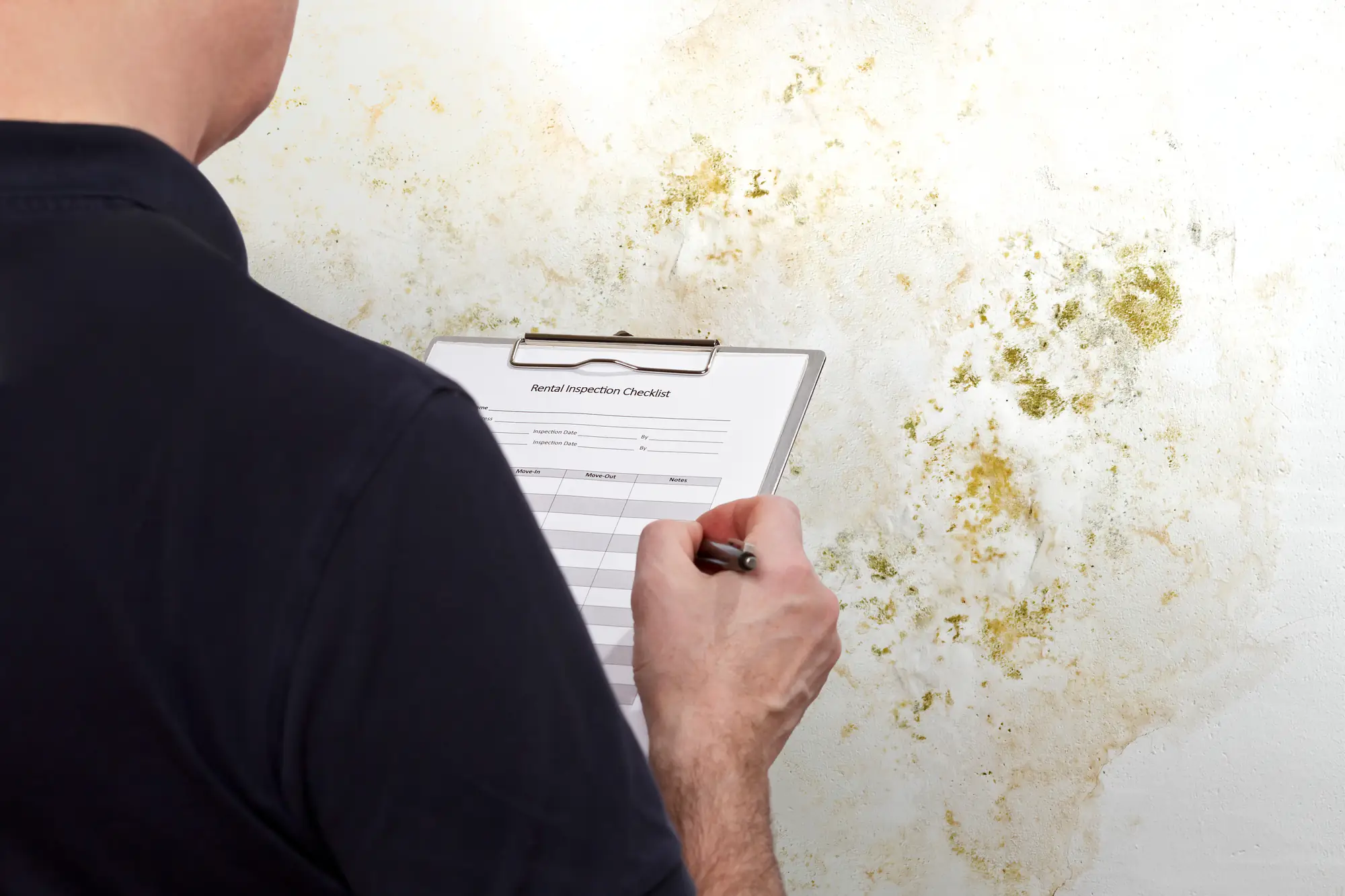
Most mold isn’t visible when it starts. You might notice a musty smell, or maybe someone in your home is dealing with unexplained respiratory issues. By the time you see discoloration on a wall, spores have likely been circulating for weeks.
A professional mold inspection catches problems early. We test your indoor air quality, check moisture levels in walls and floors, and inspect areas where mold typically hides—basements, crawl spaces, around HVAC systems, and anywhere water has been present. You get a detailed report that tells you exactly what’s growing, where it’s located, and what needs to happen next.
This matters especially in Washington Square West, where many homes were built before 1939. Older construction means different ventilation, different materials, and more opportunities for moisture to settle in places you’d never think to check. If you’re a landlord here, regular inspections aren’t just smart—they keep you compliant and protect your tenants from health risks you’re legally responsible for addressing.
We’ve been handling mold detection and remediation across Philadelphia, Bucks, Montgomery, Delaware, and Chester Counties for nearly three decades. We follow EPA and IICRC guidelines because cutting corners in mold work doesn’t just fail—it makes things worse.
Our team knows Washington Square West properties. We’ve inspected historic townhomes, high-rise apartments, and rental units throughout Center City. We understand how these buildings behave, where moisture collects, and what warning signs matter most in structures this old. When you call us, you’re working with certified professionals who’ve seen it all and know how to document findings in ways that work with insurance companies and meet legal standards for rental properties.
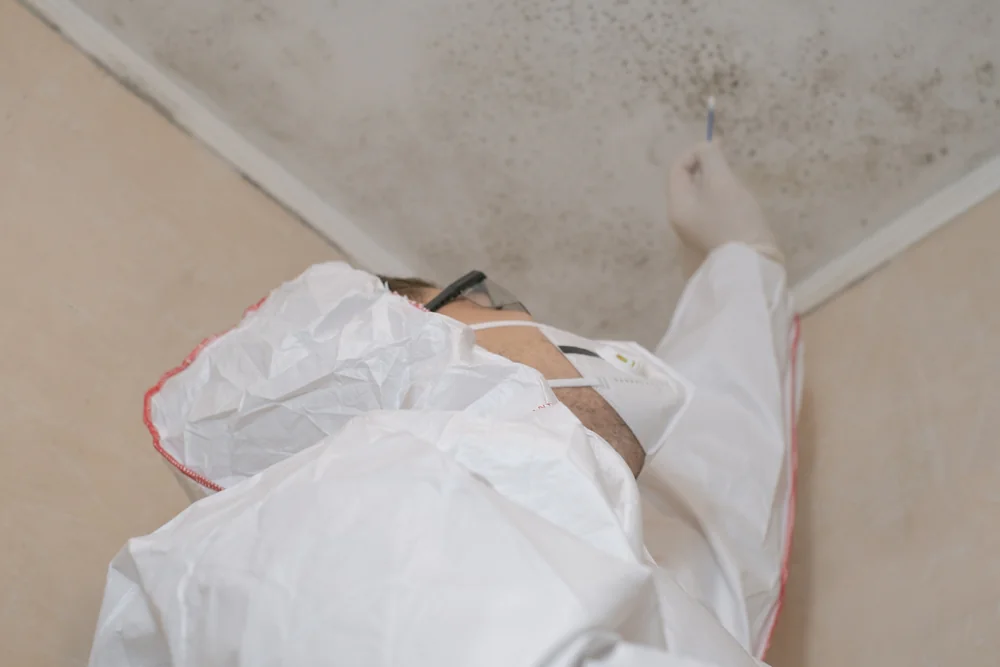
First, we walk through your property and talk about what you’ve noticed—smells, water damage history, health symptoms, anything that brought you here. Then we start the actual inspection. We use moisture meters to check walls, ceilings, and floors. We look inside HVAC systems, under sinks, around windows, in basements, and anywhere else moisture tends to accumulate.
If we find visible mold or conditions that suggest hidden growth, we collect samples. Those samples go to a certified lab for analysis. This tells us exactly what type of mold you’re dealing with and how much of it is present. Some molds are more aggressive than others. Some require more intensive remediation. You need to know what you’re up against before anyone starts tearing into your walls.
Once lab results come back, we provide a detailed report. It explains what we found, where the moisture source is, and what remediation steps make sense for your situation. If you need mold removed, we can handle that too. If it’s minor enough for you to address yourself, we’ll tell you that honestly. You’ll know exactly what’s happening in your property and what your options are.

Ready to get started?
You’re not just paying for someone to look around and guess. Our mold detection services include a full visual inspection of your property, moisture mapping with professional-grade meters, air quality testing, and surface sampling when needed. We check hidden areas most homeowners never access—behind appliances, inside wall cavities where plumbing runs, and in attic spaces where condensation builds up.
This matters more in Washington Square West than in newer neighborhoods. With 32% of properties here at risk of severe flooding over the next 30 years, moisture intrusion isn’t a “maybe” problem—it’s something you need to stay ahead of. Historic buildings weren’t designed with modern moisture barriers. Water finds its way in, and when it does, mold follows within 72 hours.
If you own rental property here, you’re dealing with additional pressure. Your tenants have a right to a mold-free environment, and if someone gets sick because you didn’t address a known issue, you’re looking at legal liability on top of remediation costs. Our inspection gives you documentation that shows you took the problem seriously and acted on professional recommendations. That matters if things ever escalate.
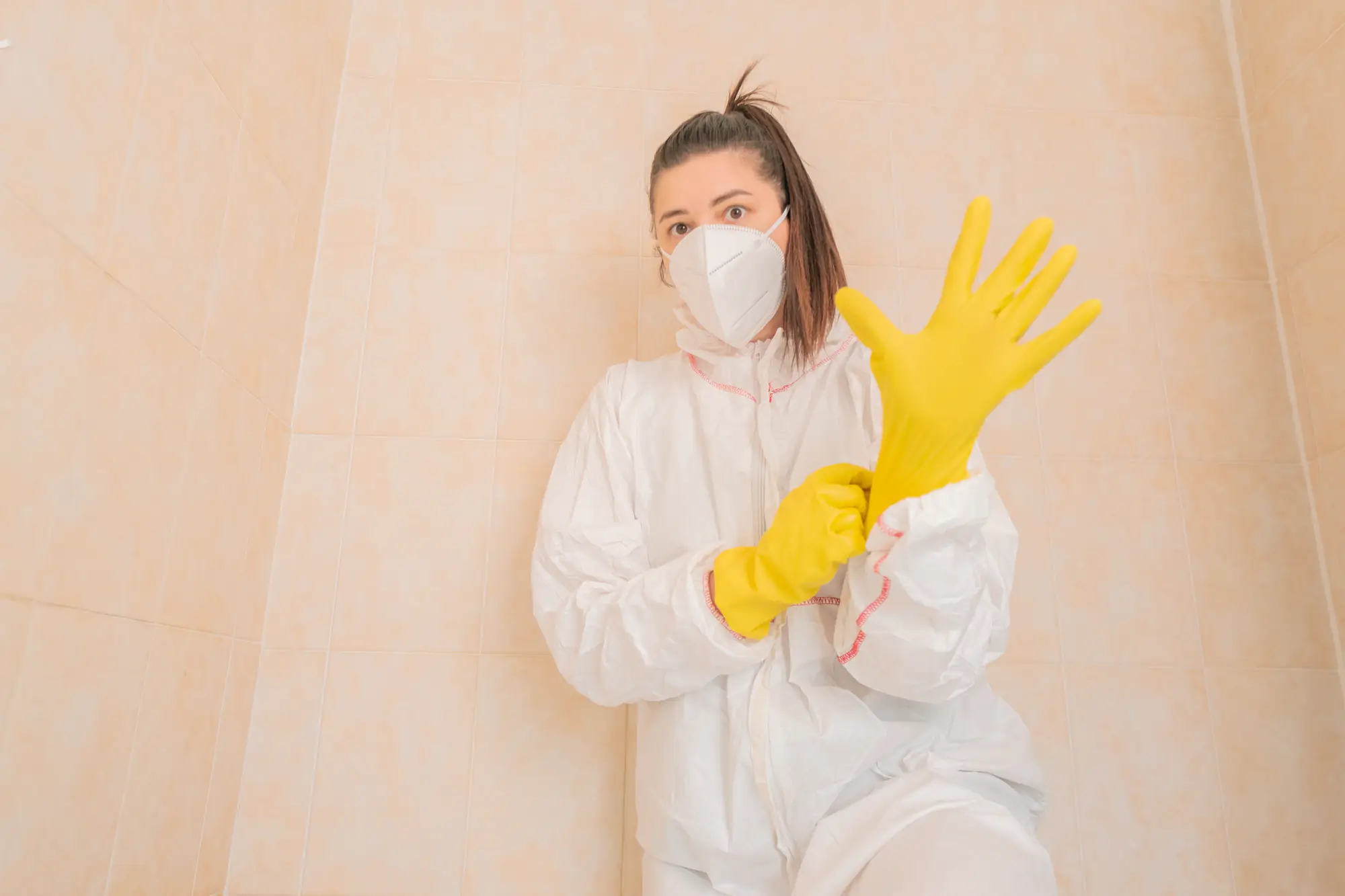
You need an inspection if you’ve had any water damage—leaks, floods, burst pipes, roof damage—even if it was cleaned up quickly. You also need one if you smell something musty but can’t find the source, or if anyone in your home is experiencing unexplained allergies, respiratory issues, or chronic fatigue that gets better when they leave the property.
Visible mold is an obvious trigger, but don’t wait for that. By the time you see mold, it’s already established. If you’re buying a property in Washington Square West, especially one of the historic homes built before 1939, get an inspection before you close. Sellers aren’t always aware of hidden mold problems, and once you own the property, it’s your problem to fix.
Landlords should inspect rental units regularly, especially after a tenant moves out or if there’s been any maintenance issue involving water. It’s cheaper to catch mold early than to deal with a tenant health complaint or a code violation.
A mold inspection is the full process—visual examination, moisture detection, identifying problem areas, and assessing conditions that support mold growth. Mold testing is the lab analysis part, where we collect air or surface samples and send them to a certified lab to identify the specific type and concentration of mold present.
You don’t always need testing. If there’s visible mold and an obvious moisture source, we can often move straight to remediation. But if you’re dealing with health symptoms and can’t find visible mold, or if you need documentation for insurance or legal purposes, testing gives you concrete data. It also helps when you’re buying or selling property and need to prove the extent of a problem—or prove there isn’t one.
In Washington Square West, where property values average over $1.1 million, testing is often worth it just for the documentation. You want proof of what’s happening in your investment, not guesswork.
For a typical residential property, plan on two to three hours. Larger homes or properties with multiple problem areas take longer. We’re not rushing through this—we’re checking everywhere mold could be hiding, and that takes time.
If we collect samples for lab testing, you’ll wait a few days for results. Most labs turn around mold analysis within three to five business days. Once we have those results, we’ll walk you through what they mean and what happens next.
The inspection itself is non-invasive. We’re not tearing into walls or making a mess. We use moisture meters, thermal imaging when needed, and visual assessment. If we need to access a specific area—like lifting a section of carpet or checking behind a removable panel—we’ll ask first and explain why it matters.
You can buy a test kit, but it won’t tell you much that’s useful. Those kits detect mold spores in the air, which is almost meaningless on its own—every property has some mold spores present. What matters is the type of mold, the concentration, and where it’s growing.
DIY kits don’t include a professional inspection. You’re collecting a sample blind, without knowing if you’re testing the right area or interpreting results correctly. You also don’t get guidance on what to do next. If the kit says “mold detected,” then what? You still need a professional to find the source, assess the damage, and create a remediation plan.
In a neighborhood like Washington Square West, where you’re dealing with high property values and potential legal liability if you’re a landlord, skipping a professional inspection to save a couple hundred dollars doesn’t make sense. You need accurate information and a clear plan, not a color-changing test strip that leaves you guessing.
No. If your mold problem is minor and you can handle it yourself, we’ll tell you. Our job during an inspection is to give you accurate information, not to manufacture work.
That said, most people underestimate mold problems. What looks like a small patch on a bathroom ceiling is often connected to a much larger issue inside the wall or above the ceiling line. We’ve seen homeowners try to clean visible mold with bleach, only to have it come back within weeks because they didn’t address the moisture source or the hidden growth.
Our inspection report will be clear about what you’re dealing with. If remediation is necessary, we’ll explain why and what’s involved. If it’s something you can manage on your own, we’ll give you guidance on how to do it right. We’ve been doing this for nearly 30 years—we don’t need to oversell. Our reputation is built on being straight with people about what their property actually needs.
First, don’t panic. Finding mold during an inspection is better than finding it after someone gets sick or after it’s caused structural damage. Once we identify mold, we document everything—location, extent, moisture sources, and the type of mold if we’re running lab tests.
You’ll get a detailed report that explains what we found and what needs to happen next. Small, surface-level mold in a well-ventilated area might just need cleaning and fixing the moisture problem. Larger infestations, or mold inside walls and HVAC systems, require professional remediation. We’ll give you a clear scope of work and help you understand your options.
If you’re working with insurance, our documentation is designed to support your claim. If you’re a landlord, the report gives you what you need to stay compliant and protect your tenants. And if you’re buying or selling a property, it provides the transparency everyone needs to move forward. We handle the remediation too, so if you need mold removed, we can move directly from inspection to action without you having to coordinate multiple companies.
Other Services we provide in Washington Square West