
Hear from Our Customers
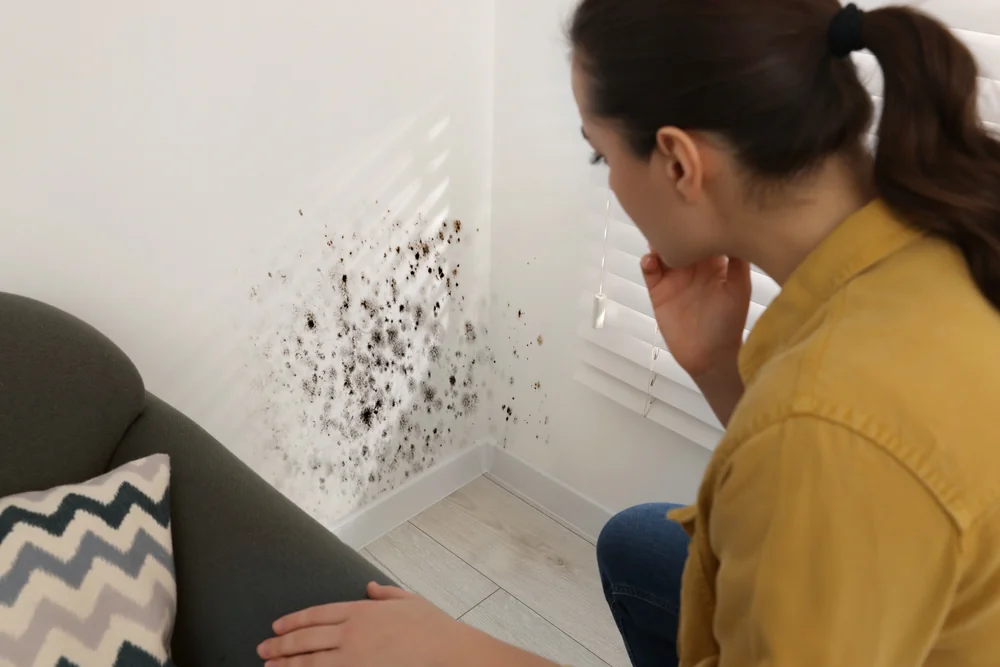
You’re dealing with symptoms nobody can explain. Headaches that won’t quit. Kids coughing at night. Allergies that flare up the moment you walk through the door. Your doctor says everything’s fine, but something in your house isn’t right.
A home air quality test gives you actual answers. Not guesses. Not maybes. Real data about what’s floating around in the air your family breathes every day.
Mold spores hide behind walls. VOCs leak from old paint and flooring. Dust mites thrive in Philadelphia’s humidity. You can’t see any of it, but a professional air quality testing service can measure all of it. Once you know what’s there, you can fix it before it turns into a bigger health issue or a costly remediation project.
Most people wait until someone gets sick or they’re trying to sell. By then, the damage is done. Testing early means you’re in control.
Mack’s Mold Removal has been serving Hunting Park and the surrounding Philadelphia area for years. We know these neighborhoods. We know the rowhouses built in the 1920s with basements that flood every spring. We know how humidity settles into older homes with poor ventilation.
We’re not a national chain. We’re local, and we focus on one thing: helping homeowners understand what’s happening inside their walls and their air. Our team uses lab-grade equipment to test for mold spores, allergens, and airborne contaminants that affect your health.
When you call us, you’re talking to someone who’s been inside hundreds of Hunting Park homes and knows exactly what to look for.

First, we walk through your home and ask questions. Where do symptoms show up? When did you first notice the smell? Any recent water damage or leaks? This helps us know where to focus.
Then we collect air samples from multiple rooms using calibrated equipment. We’re measuring mold spore counts, particulate matter, VOC levels, and other contaminants. If there’s visible moisture or suspected mold growth, we document that too.
Samples go to an independent lab for analysis. You get a detailed report within a few days that breaks down exactly what’s in your air, how much of it, and whether it’s above safe levels. No jargon. Just clear information about what needs attention.
From there, we walk you through your options. Sometimes it’s a ventilation issue. Sometimes it’s hidden mold that needs remediation. Sometimes it’s something simple you can handle yourself. We’re not here to upsell you. We’re here to give you the facts so you can make the right call for your home and your family.
Ready to get started?
Every residential air quality testing appointment includes a full walkthrough of your property, air sample collection from key areas, and lab analysis by certified professionals. You’re not getting a DIY kit that gives you vague results. You’re getting precise measurements that meet Pennsylvania Department of Health standards.
Hunting Park’s housing stock creates specific challenges. Most homes here are older rowhouses with shared walls, limited airflow, and basements prone to moisture. That means mold can grow in hidden spaces and spread through ventilation systems without you ever seeing it. Our testing process is designed to catch that.
You also get documentation that’s useful if you’re filing an insurance claim, preparing for a real estate transaction, or just want proof that your home is safe. We’ve worked with local insurance companies and know what they require.
If we find elevated mold levels or other contaminants, we’ll explain what’s causing it and what your next steps should be. If your air quality is fine, we’ll tell you that too. The goal is clarity, not fear.
Most professional air quality testing in Hunting Park runs between $300 and $600 depending on the size of your home and how many samples you need. A typical rowhouse usually requires 2-3 air samples to get accurate results.
That might sound like a lot, but compare it to what happens if you skip testing. Mold remediation can cost thousands once it spreads. Health issues from prolonged exposure add up fast in medical bills and missed work. And if you’re selling your home, undisclosed mold can kill a deal or drop your sale price by 20% or more.
Testing gives you a baseline. If something’s wrong, you catch it early when it’s cheaper to fix. If everything’s fine, you have peace of mind and documentation to back it up.
DIY kits are cheap, but they’re not reliable. Most of them use petri dishes that collect whatever lands on them, which doesn’t tell you much about what’s actually in your air. They can’t measure spore concentration, identify dangerous mold species, or give you results that meet insurance or legal standards.
Professional testing uses calibrated air pumps that pull a measured volume of air through a collection device. Those samples go to an accredited lab where technicians identify specific mold types and calculate spore counts per cubic meter. That’s the data you need to make real decisions.
If you’re dealing with health symptoms, preparing to buy or sell, or you’ve had water damage, don’t waste time on a kit. Get a real test from someone who knows what they’re looking at.
You’ll usually have results within 3-5 business days after we collect samples. The lab needs time to culture and analyze what we send them, and we’re not going to rush that process just to give you faster answers.
When the report comes back, we’ll walk you through it. You’re not getting a PDF dumped in your inbox with no explanation. We’ll tell you what the numbers mean, whether anything’s above safe levels, and what your options are if action is needed.
If you’re in a time crunch because of a real estate closing or an urgent health concern, let us know upfront. We can sometimes expedite lab processing for an additional fee.
Yes, but with a caveat. If mold is growing behind a wall and releasing spores into the air, our testing will pick that up. Elevated spore counts in a specific room usually mean there’s a source nearby, even if you can’t see it.
What air testing can’t do is pinpoint the exact location. If we find high levels, the next step is often a visual inspection using moisture meters and thermal imaging to narrow down where the problem is. Sometimes we need to open up a small section of drywall to confirm.
In Hunting Park’s older homes, hidden mold is common. Leaky pipes, roof damage, and poor ventilation create perfect conditions behind walls and under floors. Testing is the first step in finding it before it spreads.
Absolutely. Buyers in Philadelphia are getting smarter about indoor air quality, especially with older housing stock. If your home inspection raises any red flags about moisture, musty smells, or visible staining, the buyer’s going to ask for testing anyway.
Getting it done upfront puts you in control. If there’s an issue, you can address it before listing and avoid last-minute negotiations that tank your sale price. If your air quality is clean, you have documentation that builds buyer confidence.
We’ve seen deals fall apart over mold concerns that turned out to be nothing. We’ve also seen sellers lose tens of thousands because they didn’t know they had a problem until the buyer’s inspector found it. Testing early protects your investment.
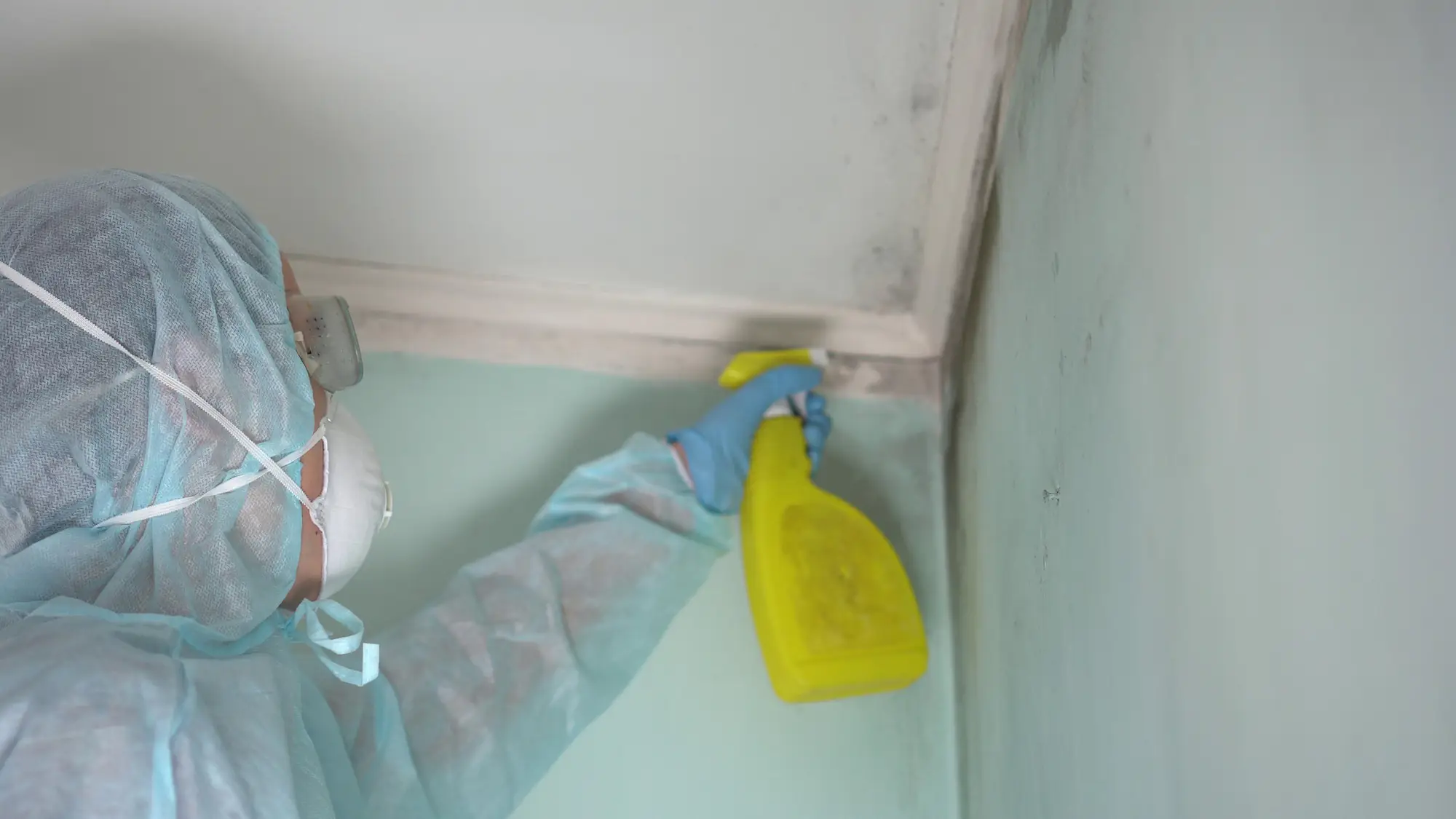
First, don’t panic. High mold counts are fixable, but you need to address the source, not just the symptoms. Spraying bleach on visible mold won’t solve anything if there’s a leak or ventilation problem feeding it.
We’ll walk you through what the report says and help you understand where the contamination is likely coming from. If it’s a small issue, you might be able to handle it yourself with proper cleaning and moisture control. If it’s more extensive, you’ll need professional remediation.
Either way, you’ll also need to fix whatever’s causing the moisture. That might mean repairing a roof leak, improving basement drainage, or upgrading your HVAC system. Once the source is handled and contaminated materials are removed, a post-remediation test confirms the air is clean again.
Other Services we provide in Hunting Park