
Hear from Our Customers
You’re dealing with something you can’t see. Maybe it’s unexplained headaches, allergies that won’t quit, or that musty smell you can’t track down. You’ve opened windows, cleaned everything twice, and still—something’s off.
Here’s what changes after a proper indoor air quality test. You’ll know exactly what’s in your air and where it’s coming from. No more wondering if that cough is seasonal or if your rowhouse has a hidden mold problem behind the walls.
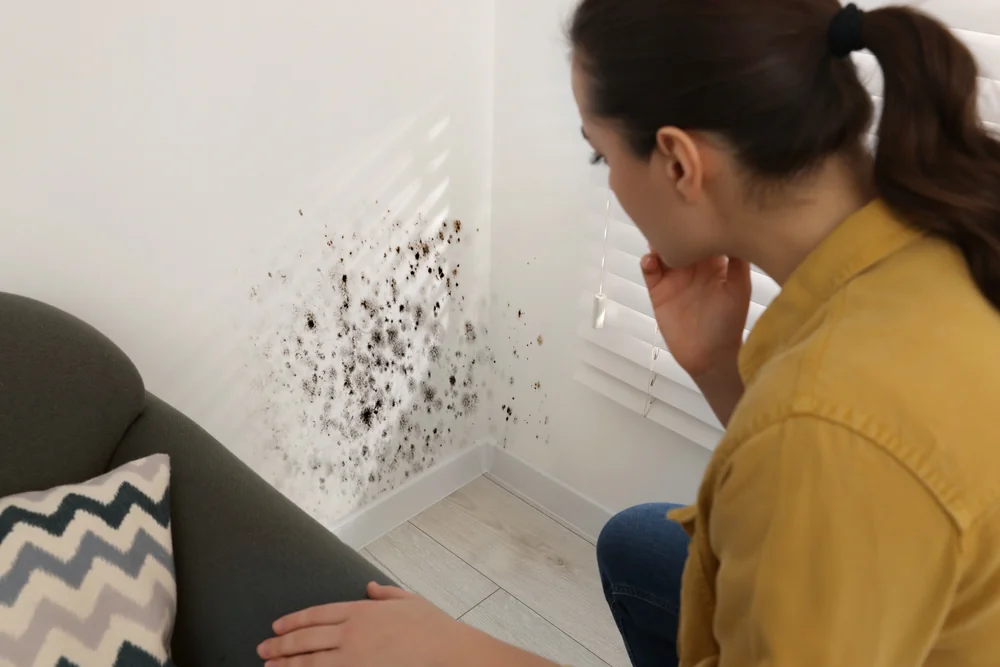
Most homes in East Passyunk were built before 1950. That means decades of moisture, poor ventilation, and aging materials. A mold air test doesn’t just confirm your suspicions—it gives you a roadmap. You’ll see contamination levels, identify the mold species, and understand whether you’re dealing with a minor issue or something that needs immediate attention.
Testing also protects your investment. If you’re buying, selling, or filing an insurance claim, you need documentation. Professional air quality testing gives you that proof.
We work exclusively in the Philadelphia area. We understand what happens when 1930s rowhouses meet humid summers and poor attic ventilation.
We’re not a national franchise with rotating techs. Our certified inspectors use the same advanced equipment on every job—thermal imaging, moisture meters, and lab-grade air sampling. We’ve tested hundreds of East Passyunk homes, and we’ve seen what happens when problems go undetected.
You’ll get a free inspection to start. No pressure, no upselling. Just a clear assessment of what’s happening in your home and what it’ll take to fix it. We’ll walk you through the results in plain language, help with insurance paperwork if needed, and give you a plan that makes sense for your situation and budget.
First, we schedule your free inspection. You’ll talk to someone local who knows East Passyunk—not a call center. We’ll ask about symptoms, visible issues, and any moisture problems you’ve noticed.
When we arrive, we start with a visual assessment. We’re checking basements, crawl spaces, attics, bathrooms—anywhere moisture accumulates. We use thermal imaging to spot temperature differences that indicate hidden water damage. Moisture meters tell us if materials are wet even when they look dry.
Then we collect air samples. We place collection devices in multiple rooms and outside for comparison. These samples go to an accredited lab that identifies mold species and measures spore counts. You’re not getting a yes-or-no answer—you’re getting specific data about what’s growing and how much.
Results come back in a few days. We’ll review them with you and explain what they mean for your health and your home. If remediation is needed, we’ll outline the process and cost upfront. If it’s minor, we’ll tell you that too. You’ll have everything you need to make an informed decision.
Ready to get started?
Your residential air quality testing includes a complete inspection of your property. We’re looking at HVAC systems, checking for leaks, examining ventilation, and identifying any conditions that support mold growth.
Air sampling covers multiple areas. We test the rooms where you spend the most time—bedrooms, living areas, basements. Outdoor samples establish a baseline so we can measure what’s elevated inside. Surface sampling may be included if we find visible growth that needs identification.
Lab analysis is thorough. You’ll receive a report that lists every mold species detected, spore counts per cubic meter, and a comparison to outdoor levels. The report also notes any moisture readings and thermal anomalies we documented during inspection.
East Passyunk’s housing stock makes this especially important. With 64% of homes built before 1940, you’re dealing with old plaster, outdated plumbing, and minimal moisture barriers. Flat roofs and shared walls create additional risk. Our testing accounts for these local factors. We know where problems hide in these homes because we’ve opened enough walls to see the patterns.
You’ll also get prevention guidance. We’ll explain what’s causing elevated levels and how to address it—whether that’s a dehumidifier, better ventilation, or full remediation.
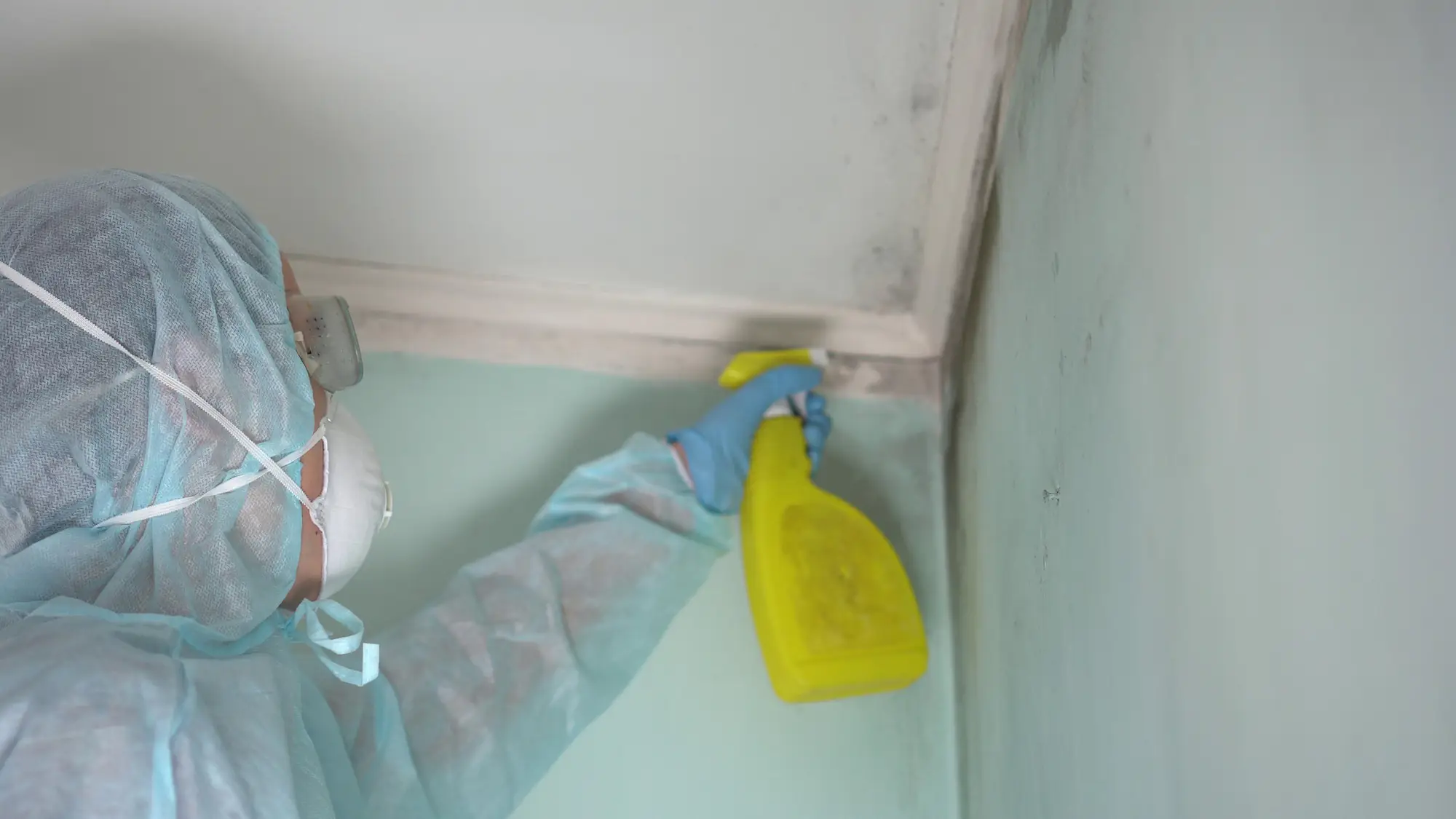
Most residential air quality testing in East Passyunk runs between $300 and $600, depending on your home’s size and how many samples we collect. A typical rowhouse with two or three sampling locations falls in the lower range. Larger homes or properties with multiple suspected problem areas cost more because we’re collecting and analyzing additional samples.
We offer free inspections to start. That means we’ll assess your situation, identify potential issues, and give you an honest recommendation before you spend anything. If testing isn’t necessary, we’ll tell you. If it is, we’ll explain exactly what we’re testing for and why.
The cost includes the on-site inspection, air and surface sampling, lab analysis, and a detailed report with findings and recommendations. We also help with insurance claims if your policy covers testing or remediation. Some homeowners get reimbursed, especially if the mold resulted from a covered water event like a pipe burst or roof leak.
A mold air test specifically measures mold spores in your air. We’re identifying species, counting concentrations, and comparing indoor levels to outdoor baselines. This test tells you if you have a mold problem, how severe it is, and what type of mold you’re dealing with.
A comprehensive home air quality test covers more ground. In addition to mold, we can test for VOCs (volatile organic compounds), allergens, dust mites, and other contaminants. This broader test makes sense if you’re experiencing symptoms but aren’t sure mold is the cause.
For most East Passyunk homeowners, we start with mold testing. Given the age of the housing stock and Philadelphia’s humidity, mold is the most common culprit behind air quality issues. If mold testing comes back clean but you’re still having problems, we can expand to a full air quality panel.
The testing process is similar for both. We collect air samples, send them to a lab, and provide detailed results. The difference is what the lab is analyzing and how comprehensive the report is.
Lab results typically take three to five business days. We collect samples at your home, send them to an accredited lab that same day, and the lab processes them using microscopy and other analysis methods. You’ll receive a full report via email as soon as results are available.
If you’re dealing with an urgent situation—severe symptoms, a real estate transaction with a tight deadline, or a suspected toxic mold—we can request expedited processing. That usually cuts the turnaround to 24 to 48 hours, though it comes with an additional lab fee.
The report itself is detailed. You’ll see spore counts for every mold species detected, comparisons to outdoor levels, and notes about any elevated readings. We include photos from the inspection and moisture readings we documented. Most importantly, we’ll schedule a follow-up call to walk through the results and answer your questions.
You’re not just getting a piece of paper. You’re getting an explanation of what the numbers mean, whether remediation is necessary, and what your next steps should be.
You can buy DIY mold test kits at hardware stores, but they’re not reliable. Most use petri dishes that collect whatever lands on them—which could be anything. They don’t measure spore concentrations in the air, can’t identify specific mold species accurately, and often produce false positives that create unnecessary panic.
Professional air quality testing uses calibrated equipment and accredited labs. We’re collecting measured air samples over specific time periods, not just seeing what sticks to a dish. The lab uses microscopy and sometimes DNA analysis to identify exactly what’s present and at what levels.
There’s also the inspection component. A test kit can’t find the source of your problem. We’re using thermal imaging and moisture meters to locate hidden issues behind walls, under floors, and in attics. That’s where the real value is—not just knowing you have mold, but understanding where it’s coming from and what’s causing it.
If you’re buying a home in East Passyunk and the inspector noted moisture issues or a musty smell, don’t rely on a $10 kit. Get professional testing that gives you documentation you can use in negotiations or insurance claims. If you’re experiencing health symptoms, you need accurate data to make informed decisions about remediation.
There’s no universal “safe” threshold because sensitivity varies by person. Some people react to low levels of certain molds, while others tolerate higher concentrations without symptoms. That said, indoor mold levels should generally be lower than outdoor levels. If your indoor counts are significantly elevated compared to outside, you have a problem.
Labs measure spores per cubic meter of air. Outdoor levels in Philadelphia typically range from 500 to 5,000 spores per cubic meter depending on season. If your indoor levels exceed outdoor levels by a factor of two or more, that’s a red flag. If we’re detecting toxic molds like Stachybotrys (black mold) at any measurable level, that warrants immediate attention.
The species matters as much as the count. Some molds are allergenic but relatively harmless in small amounts. Others produce mycotoxins that cause serious health effects even at lower concentrations. Our lab reports identify species specifically so you understand what you’re dealing with.
Context matters too. If you have young children, elderly family members, or anyone with respiratory conditions or compromised immune systems, even moderate mold levels can cause problems. We factor in your household situation when reviewing results and making recommendations. You’re not getting a generic answer—you’re getting guidance based on your specific circumstances and what we found in your home.
Yes. That’s exactly what testing is for. The results show contamination levels, identify mold species, and give us enough information to determine whether remediation is necessary or if you can handle it with cleaning and moisture control.
Minor surface mold in a bathroom—the kind you can see on grout or caulking—usually doesn’t require professional remediation. You can clean it yourself with the right products and fix the moisture issue causing it. But if we’re finding elevated airborne spore counts, hidden growth behind walls, or toxic mold species, you need professional remediation.
The report includes our recommendations. If remediation is needed, we’ll outline the scope of work—what needs to be removed, what can be cleaned, and how we’ll prevent recurrence. You’ll get upfront pricing before any work starts. If remediation isn’t necessary, we’ll tell you that too and explain what you should do instead.
Testing also provides documentation for insurance claims. Many policies cover mold remediation if it resulted from a covered event like a pipe burst. Without professional testing and a detailed report, you’re unlikely to get reimbursed. We work with insurance companies regularly and know what documentation they require. We’ll help you through that process if needed.
Other Services we provide in East Passyunk