

Hear from Our Customers
Your air smells clean again. No musty odor when you walk into the basement or bathroom. Your family stops dealing with the coughing, sneezing, and irritation that’s been hanging around for weeks.
The black spots on your walls are gone. The discoloration in your attic or crawl space isn’t spreading anymore. You’re not wondering if it’s safe to let your kids play in certain rooms.
Your home value isn’t at risk. When you eventually sell, you won’t have a failed inspection or a buyer backing out because of mold. You’re protecting what’s probably your biggest investment without the constant worry that it’s rotting from the inside out.
This is what professional mold removal does when it’s done right. Not just surface cleaning that buys you a few months. Real remediation that addresses why the mold showed up in the first place.
We serve Washington Crossing and Bucks County with one focus: getting mold out of homes and keeping it out. We’re not a general restoration company that does mold on the side. This is what we specialize in.
Our team uses EPA-approved methods and the right equipment to remove mold safely. We’re certified, insured, and we follow Pennsylvania regulations because cutting corners on mold work creates bigger problems down the road.
Washington Crossing’s older homes and humid climate create perfect conditions for mold growth. We’ve seen it in basements after spring flooding, in attics with poor ventilation, and behind walls where slow leaks went unnoticed. The local environment here means you need someone who understands how mold behaves in this area and how to stop it permanently.

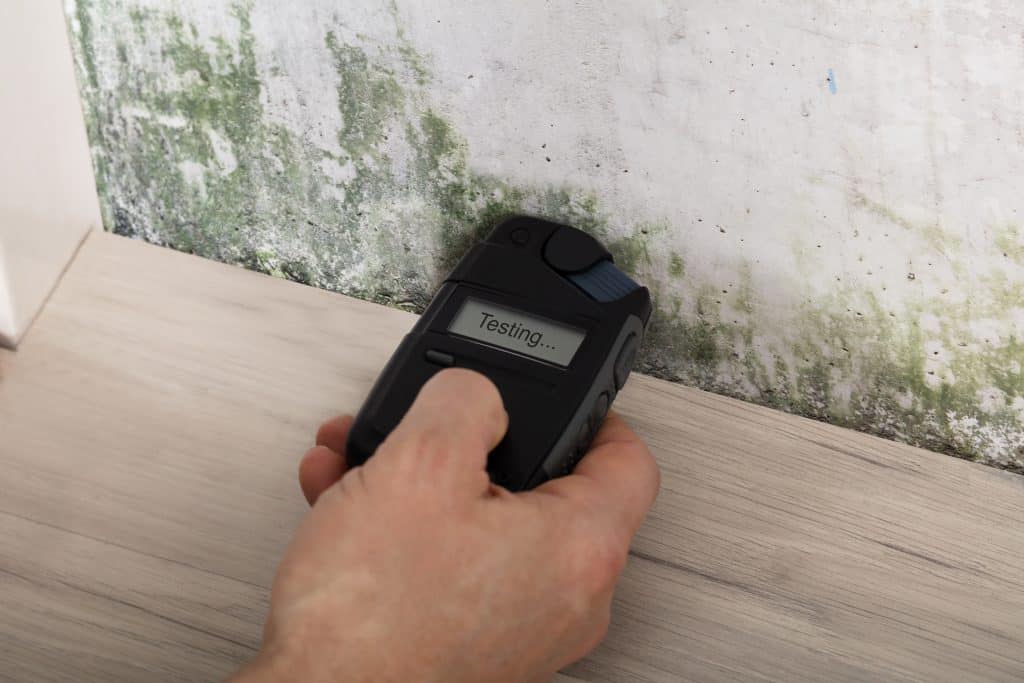
First, we inspect your property thoroughly. That means checking the obvious spots and the hidden ones—wall cavities, crawl spaces, behind appliances, anywhere moisture can collect. We use moisture meters and infrared cameras to find what you can’t see. You get a clear assessment of what’s happening and why.
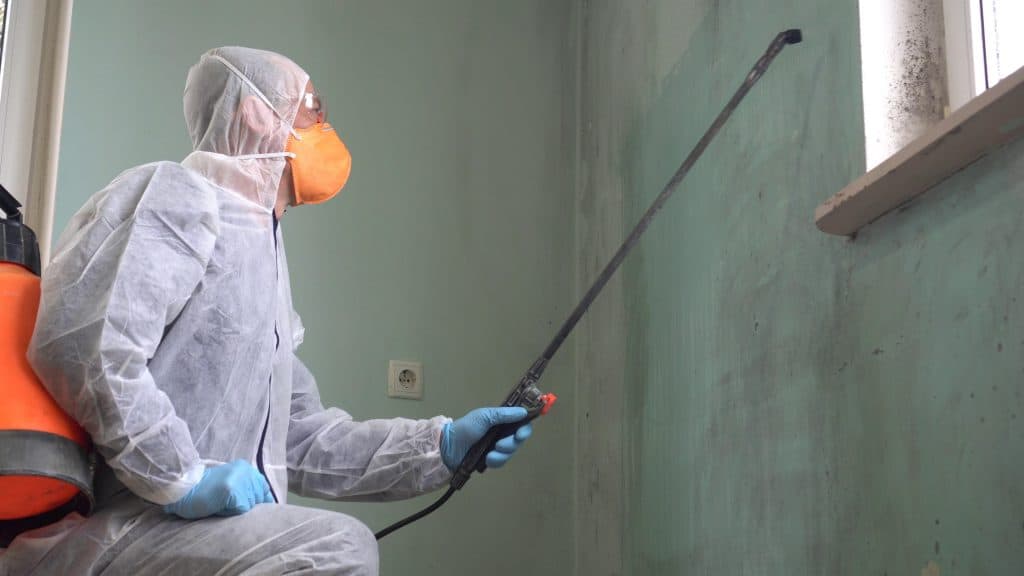
Next, we contain the affected area so mold spores don’t spread during removal. We set up barriers and use negative air pressure to keep contamination isolated. Then we remove the mold using HEPA filtration systems and approved cleaning agents. If materials like drywall or insulation are too damaged, we remove and dispose of them properly.
But here’s the part that matters most: we find the moisture source. Mold doesn’t grow without water. Whether it’s a leak, condensation, poor ventilation, or drainage issues, we identify what’s feeding the problem. We fix that source or tell you exactly what needs fixing. Otherwise, the mold just comes back.
After removal, we clean and sanitize the area. We test to confirm the mold is gone. Then, if needed, we handle the repairs to get your space back to normal. You’re not left with a half-finished job or a list of contractors to call.
Ready to get started?
You get a free inspection to start. We assess the full scope of your mold problem, identify the type of mold, and locate the moisture source. No surprises, no hidden fees—just a detailed estimate before any work begins.
Our mold removal covers basements, attics, crawl spaces, bathrooms, and any other area where mold is growing. We handle black mold, which is the most concerning type, along with other common mold species found in Bucks County homes. The removal process includes containment, safe extraction, HEPA air filtration, and proper disposal of contaminated materials.
We also fix the root cause. That might mean sealing a foundation crack, improving ventilation, repairing a roof leak, or addressing a plumbing issue. If it’s beyond our scope, we’ll tell you exactly what needs to happen and connect you with the right people.
In Washington Crossing, we see a lot of mold issues tied to the area’s humidity and older housing stock. Homes built decades ago weren’t designed with modern moisture barriers. Basements flood during heavy rain. Attics trap heat and condensation. We understand these local patterns and how to address them effectively so your mold problem doesn’t become a recurring nightmare.
We’re available 24/7 for urgent mold situations. If you’ve just discovered mold after a flood, burst pipe, or major leak, time matters. Mold colonies can establish within 24 to 48 hours after water damage.
When you call, we’ll assess the urgency and typically get someone to your property the same day or within 24 hours. Fast response limits the spread and reduces the overall damage and cost.
Emergency mold removal follows the same thorough process—we just move faster. Containment happens immediately to stop spores from spreading. Then we start extraction and drying while identifying the moisture source. Speed matters, but we don’t skip steps that protect your home and health.
Mold removal means getting rid of visible mold growth. Mold remediation means removing the mold and fixing the conditions that allowed it to grow. Remediation is the complete solution.
You can scrub mold off a surface, but if the leak or humidity issue is still there, the mold returns. That’s why remediation focuses on the source. We don’t just clean what you can see—we eliminate the moisture problem, treat affected areas, and prevent future growth.
Most homeowners need remediation, not just removal. If you’re dealing with recurring mold, it’s because the root cause was never addressed. We handle both parts: getting rid of what’s there now and making sure it doesn’t come back. That’s the only approach that actually works long-term.
It depends on the size and location of the mold problem. For small, contained areas like a bathroom or closet, you can usually stay in your home. We seal off the work area to prevent spore spread.
For larger jobs—like extensive basement mold or black mold throughout multiple rooms—it’s safer to stay elsewhere during active removal. Mold spores become airborne during the process, and even with containment, sensitive individuals should avoid exposure.
We’ll tell you upfront whether you need to leave. If you have young children, elderly family members, or anyone with respiratory issues or compromised immunity, we typically recommend staying away until the work is complete and the air is cleared. Your safety matters more than convenience, and we won’t downplay the risks just to make the job easier.
Sometimes. It depends on what caused the mold. If mold resulted from a sudden, accidental event—like a burst pipe or storm damage—most policies cover it. If it’s from long-term neglect, like an ignored leak or poor maintenance, they usually won’t.
Insurance companies also have limits on mold coverage, often capping it at a few thousand dollars. You need to check your specific policy to know what’s covered and what your limits are.
We work with insurance companies regularly and can help with the claims process. We document everything, provide detailed estimates, and communicate directly with adjusters if needed. If your claim gets approved, that’s one less thing to stress about. If it doesn’t, we’ll work with you on pricing and financing options to make the remediation affordable. Either way, the mold still needs to go.
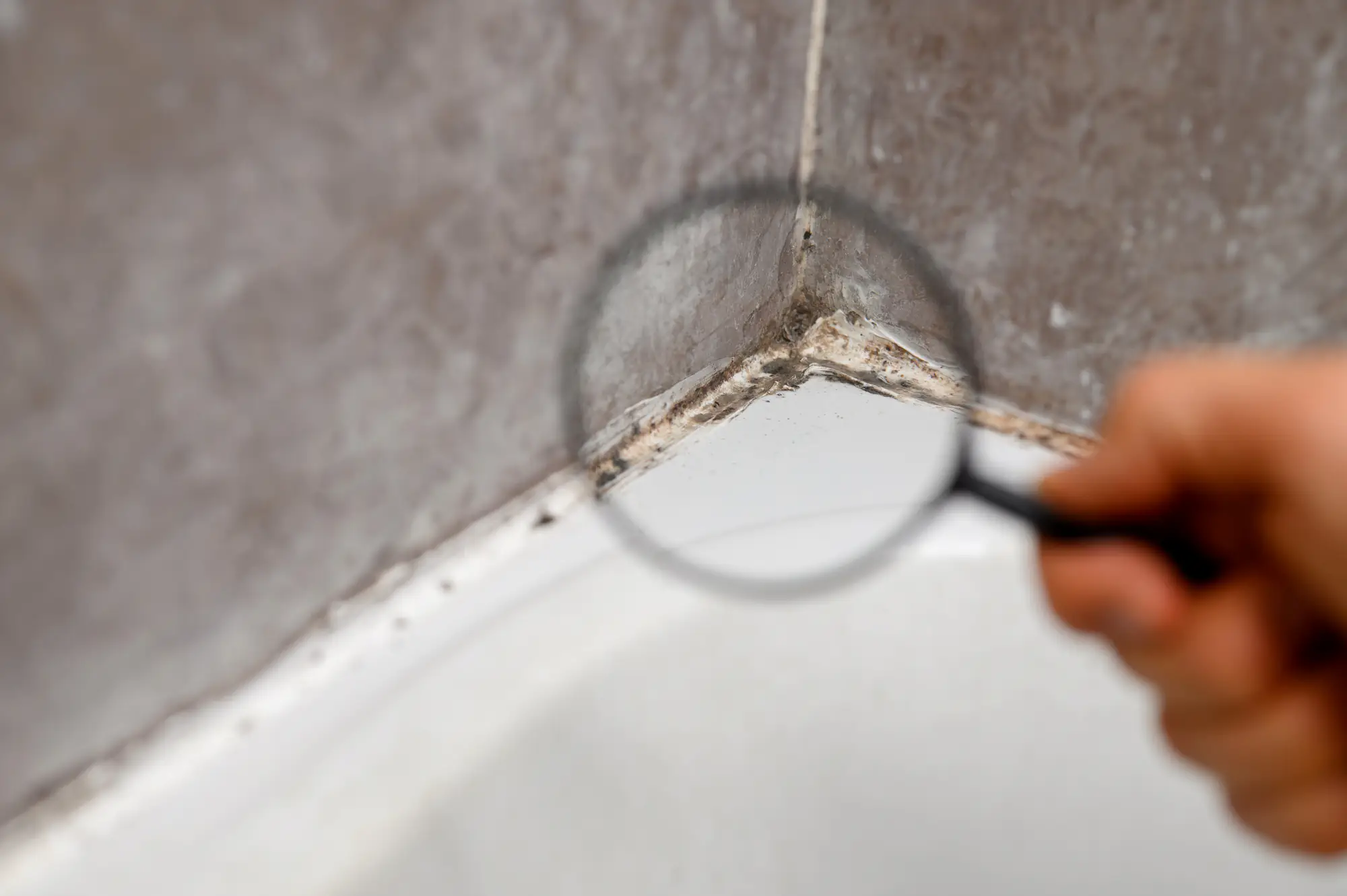
You can’t tell for sure just by looking. Black mold (Stachybotrys chartarum) is dark and slimy, but other mold types can look similar. The only way to confirm the species is through lab testing, which we can arrange during the inspection.
That said, all mold is a problem. Black mold gets attention because it produces mycotoxins that can cause serious health issues, but other molds also trigger allergies, asthma, and respiratory problems. If you’re seeing mold growth in your home, the type matters less than getting it removed quickly.
During our inspection, we assess the mold’s appearance, location, and the conditions supporting its growth. If testing is necessary—for insurance purposes or health concerns—we handle that. But whether it’s black mold or another species, the remediation process is thorough and follows the same EPA-approved protocols to protect your home and family.
Most residential mold removal jobs take between one and five days, depending on the extent of the problem. A small bathroom with surface mold might be done in a day. A finished basement with mold behind walls and in the crawl space could take a week.
The timeline includes inspection, containment, removal, cleaning, and any necessary repairs. Drying time also factors in—we need to make sure all moisture is gone before sealing things back up. Rushing this step just invites the mold to return.
We’ll give you a realistic timeline during the estimate. If we find additional mold during the job, we’ll let you know immediately and explain how it affects the schedule. The goal is to do it right, not fast. A thorough job now means you’re not calling us back in six months because the problem wasn’t fully addressed.
Other Services we provide in Washington Crossing