

Hear from Our Customers
You’re not looking for a band-aid. You need the mold gone, the moisture problem fixed, and confidence that it won’t come back the moment humidity spikes again.
That’s what professional mold removal actually delivers. Not just scrubbing visible spots, but identifying where moisture is getting in, what’s growing behind your walls, and how to stop it from happening again. The air in your home gets cleaner. Your basement stops smelling like a wet basement. And you’re not wondering if your kids are breathing in something harmful every time they play downstairs.
Riegelsville sits right along the Delaware Canal, surrounded by woods and fields. Beautiful, yes. But also humid. Basements here deal with groundwater seepage. Crawl spaces trap moisture. Attics get hot and poorly ventilated. All of that creates the perfect environment for mold to thrive, especially after a heavy rain or an unnoticed plumbing leak. If your home has been dealing with dampness, there’s a good chance mold is already growing somewhere you haven’t checked yet.
We’ve been handling mold problems across Bucks County for years. We’ve seen every version of the issue: flooded basements after spring storms, slow leaks that go unnoticed for months, condensation problems in older homes with poor airflow.
We’re not a national franchise reading from a script. We know what causes mold in Riegelsville specifically, from canal-adjacent properties with high water tables to older stone foundations that weren’t built with modern waterproofing. That local knowledge matters when you’re trying to solve a problem that keeps coming back.
Our team uses EPA-approved methods, advanced detection equipment, and a process that goes beyond surface cleaning. We’re available 24/7 because mold emergencies don’t happen on a schedule, and we offer free inspections so you know exactly what you’re dealing with before committing to anything.

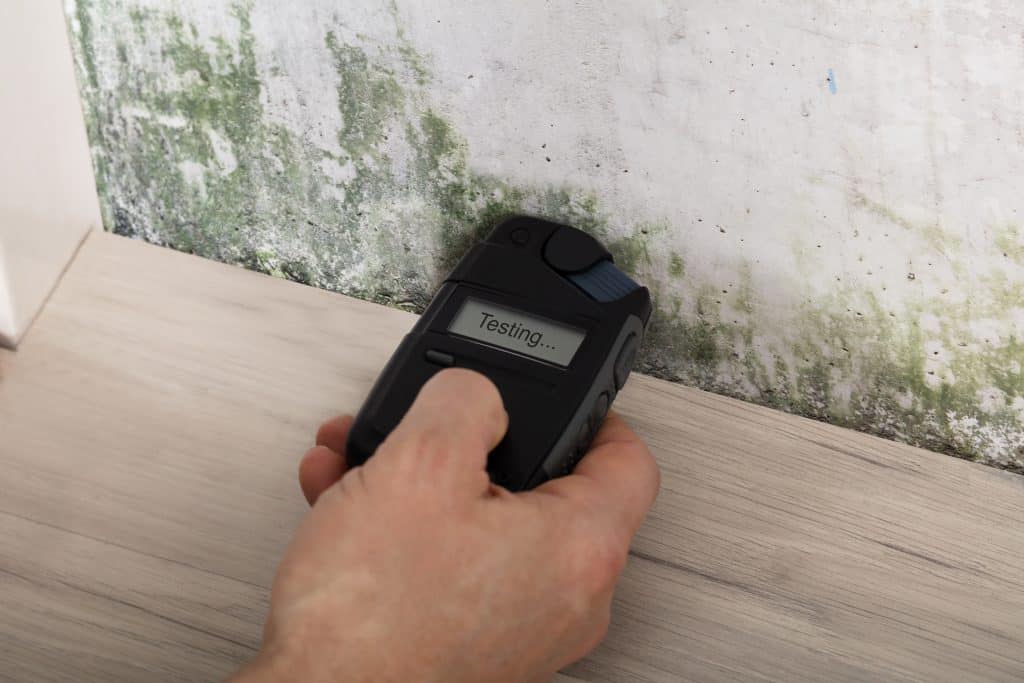
First, we inspect your entire property. Not just the obvious spots, but behind walls, inside HVAC systems, under flooring, anywhere moisture could be hiding. We use moisture meters and infrared cameras to find problems you can’t see with your eyes.
Once we know what we’re dealing with, we test the mold to identify the type and extent of growth. That tells us how aggressive we need to be with containment and removal. Black mold gets handled differently than surface mildew, and we don’t guess.
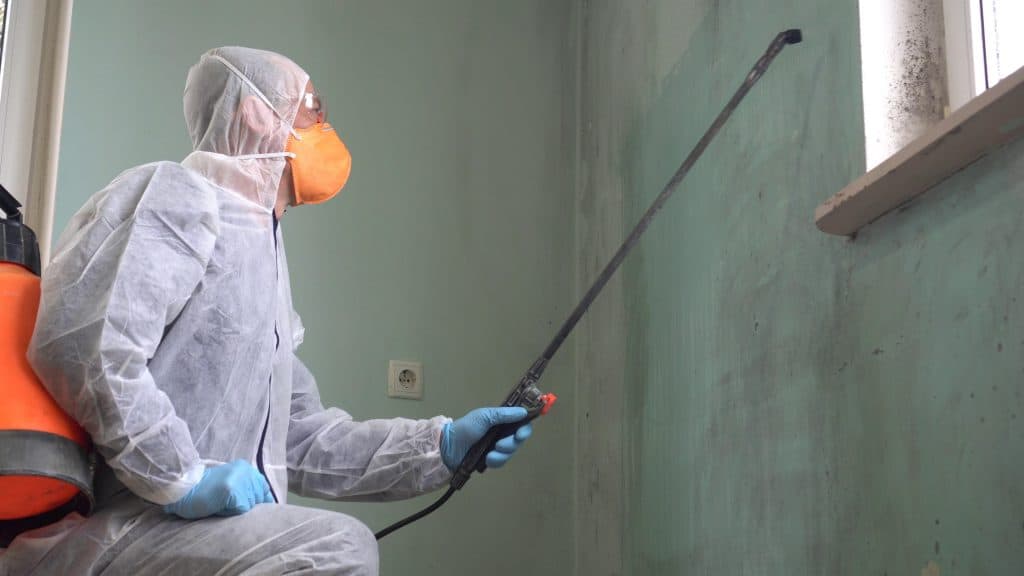
Then we contain the affected area to prevent spores from spreading during removal. We set up negative air pressure, seal off vents, and use HEPA filtration to keep the rest of your home clean while we work. The actual removal involves stripping out contaminated materials, treating surfaces with antimicrobial solutions, and thoroughly cleaning everything that can be saved.
After removal, we address the moisture source. That might mean fixing a leak, improving ventilation, installing a dehumidifier, or waterproofing a foundation wall. If we don’t fix what caused the mold, it’ll just come back. Finally, we can handle any necessary repairs or remodeling to restore your space to normal.
Ready to get started?
A real mold removal job isn’t just wiping down walls with bleach. It’s a full-scope process that includes inspection, testing, containment, removal, moisture control, and prevention.
In Riegelsville, we’re often dealing with basement mold from groundwater issues or crawl space mold from poor ventilation. Homes near the canal or along wooded areas tend to have higher humidity levels year-round, which means mold can grow faster and spread further than in drier climates. We account for that in our approach.
Our service includes a detailed inspection report that shows you exactly where the mold is, what type it is, and what caused it. We explain the removal process before we start, so there are no surprises. During the job, we contain the work area to protect the rest of your home, remove all contaminated materials safely, and treat affected surfaces with EPA-approved antimicrobials.
We also address the underlying moisture problem, whether that’s a plumbing leak, condensation issue, or structural water intrusion. And if you need repairs after removal, we handle that too. You’re not coordinating between three different contractors. One team, start to finish.
If your basement smells musty, damp, or earthy, that’s mold. The smell comes from microbial volatile organic compounds that mold releases as it grows. It’s not just “old house smell,” it’s an active biological process happening somewhere in your space.
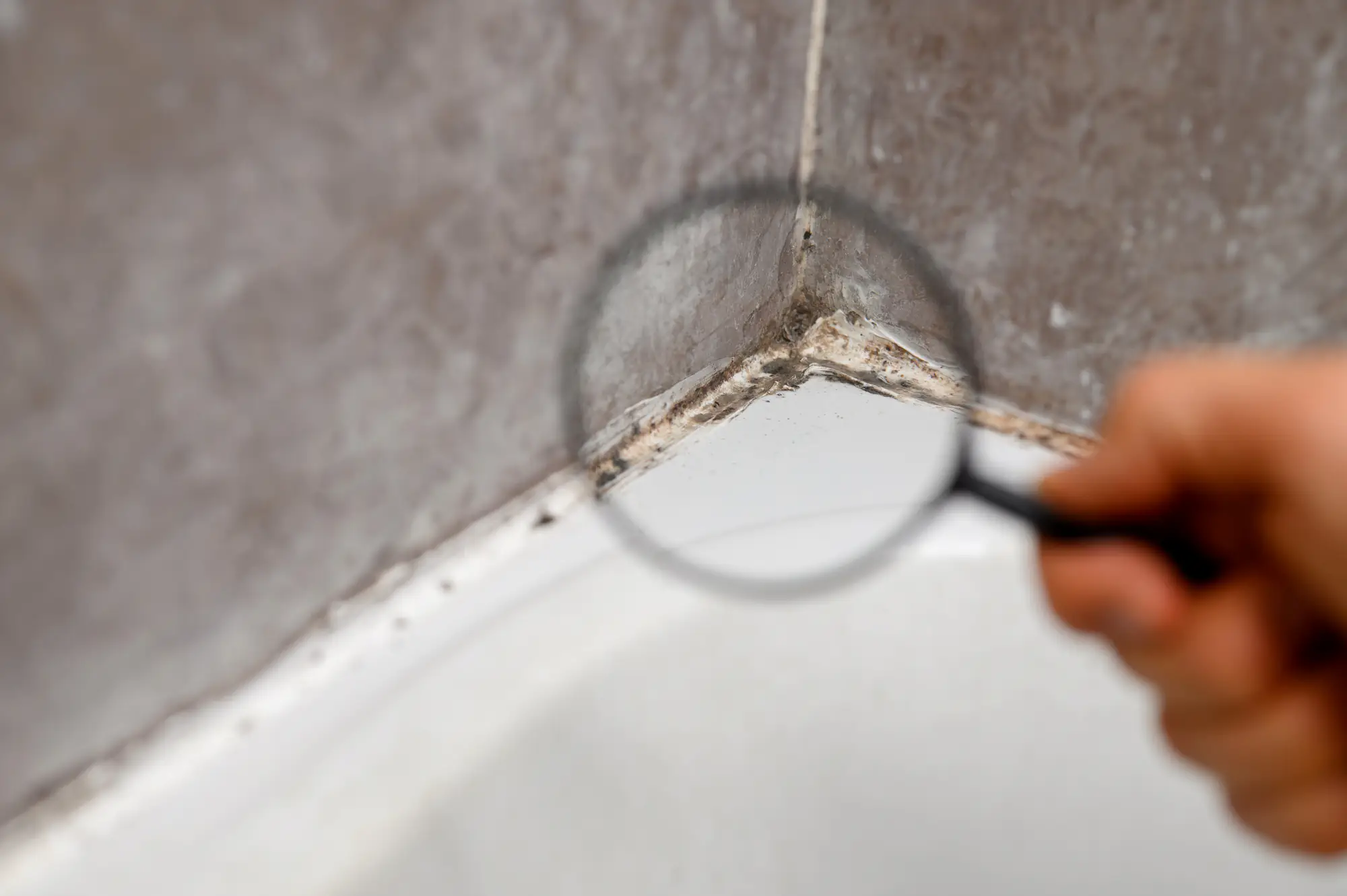
Visible signs include discoloration on walls, ceilings, or floors, usually black, green, or white patches. But mold often grows in places you can’t see: inside wall cavities, under carpeting, behind stored items, or in HVAC ducts. If anyone in your home is experiencing unexplained respiratory issues, allergies, or headaches that improve when they leave the house, that’s another red flag.
The only way to know for sure is a professional inspection. We use moisture meters and thermal imaging to detect hidden growth, and we can test samples to identify the specific type of mold. That matters because different molds require different removal approaches, and some are more hazardous than others.
If the affected area is smaller than 10 square feet and it’s surface mold from something like a small spill, you can probably handle it yourself with proper protective equipment and cleaning solutions. But if it’s larger than that, if it’s black mold, or if it’s caused by contaminated water like sewage backup, you need a professional.
Here’s why: disturbing mold releases spores into the air, which can spread contamination to other areas of your home and create serious health risks if you’re not using proper containment and filtration. Most homeowners don’t have HEPA vacuums, negative air machines, or the training to safely remove mold without making the problem worse.
Also, surface cleaning doesn’t address the root cause. If there’s a moisture problem, the mold will just come back. Professional mold removal includes identifying and fixing the source, whether that’s a leak, ventilation issue, or structural problem. We also know how to handle contaminated materials safely and dispose of them according to regulations. DIY mold removal often ends up costing more in the long run because the problem returns or spreads.
Most residential mold removal jobs take between one and five days, depending on the extent of contamination and how much material needs to be removed. A small basement corner might be done in a day. A whole finished basement with mold behind drywall could take a week.
Whether you can stay in your home depends on the severity and location of the mold. If it’s contained to one area like a basement or bathroom, and we can seal off that space effectively, you can usually stay. We use containment barriers and negative air pressure to prevent spores from spreading to living areas.
If the mold is extensive, involves your HVAC system, or is a toxic variety like Stachybotrys (black mold), we might recommend staying elsewhere during active removal. That’s especially true if anyone in your household has respiratory issues, allergies, or a compromised immune system. We’ll be upfront about that during the inspection so you can plan accordingly.
Moisture. That’s the short answer. Mold needs water to grow, and Riegelsville’s location along the Delaware Canal means higher humidity levels and more groundwater issues than you’d find in drier areas.
Common causes here include basement seepage from the high water table, especially after heavy rain or snowmelt. Older homes with stone foundations often don’t have modern waterproofing, so water migrates through the walls. Crawl spaces with dirt floors release moisture into the air constantly. Poor attic ventilation traps heat and humidity, creating condensation on roof decking.
Plumbing leaks are another big one. A slow drip behind a washing machine or under a sink can go unnoticed for months, creating perfect conditions for mold growth inside walls. Same with HVAC condensation that isn’t draining properly. Even everyday activities like cooking and showering add moisture to your home’s air, and if ventilation is inadequate, that moisture settles in cooler areas and feeds mold growth. The key is controlling moisture at the source, which is why our removal process always includes identifying and fixing what caused the problem in the first place.
Sometimes, but it depends on what caused the mold. Most homeowners insurance policies cover mold removal if it resulted from a “covered peril” like a sudden pipe burst or storm damage. If your basement flooded from a broken water heater and mold grew as a result, that’s usually covered.
What’s typically not covered is mold from long-term neglect or maintenance issues. If your roof has been leaking for months and you didn’t fix it, or if mold grew because of chronic humidity you didn’t address, insurance will likely deny the claim. They expect homeowners to maintain their property and prevent foreseeable problems.
The best approach is to review your policy and call your insurance company as soon as you discover mold. Document everything with photos and keep records of any water damage or repairs. We can work directly with insurance adjusters and provide the documentation they need for claims. We also offer flexible payment options for situations where insurance doesn’t cover the full cost, because waiting on mold only makes it worse and more expensive to fix.
Control moisture, period. Mold can’t grow without water, so if you eliminate moisture sources and keep humidity levels in check, you eliminate the conditions mold needs to thrive.
That means fixing any leaks immediately, whether it’s plumbing, roof, or foundation. Don’t let water problems sit. Improve ventilation in areas that tend to be damp, like bathrooms, kitchens, basements, and crawl spaces. Use exhaust fans, open windows when weather permits, and consider a dehumidifier if your basement consistently feels damp. Keep humidity levels below 50 percent.
Make sure your gutters and downspouts are directing water away from your foundation, not pooling next to it. Check your grading to ensure water flows away from your house. In basements, consider a sump pump if you’re dealing with groundwater issues. And inspect your home regularly for signs of moisture or early mold growth so you can address problems before they become major. We include prevention recommendations in every job we do, specific to your home’s issues, so you know exactly what to watch for and maintain going forward.
Other Services we provide in Riegelsville