

Hear from Our Customers
That musty smell disappears. The headaches stop. You’re not avoiding the basement anymore or wondering what’s growing behind your walls.
Your home feels like yours again. You can breathe without that nagging worry about what’s in the air your kids are inhaling. When you walk downstairs, you smell nothing.
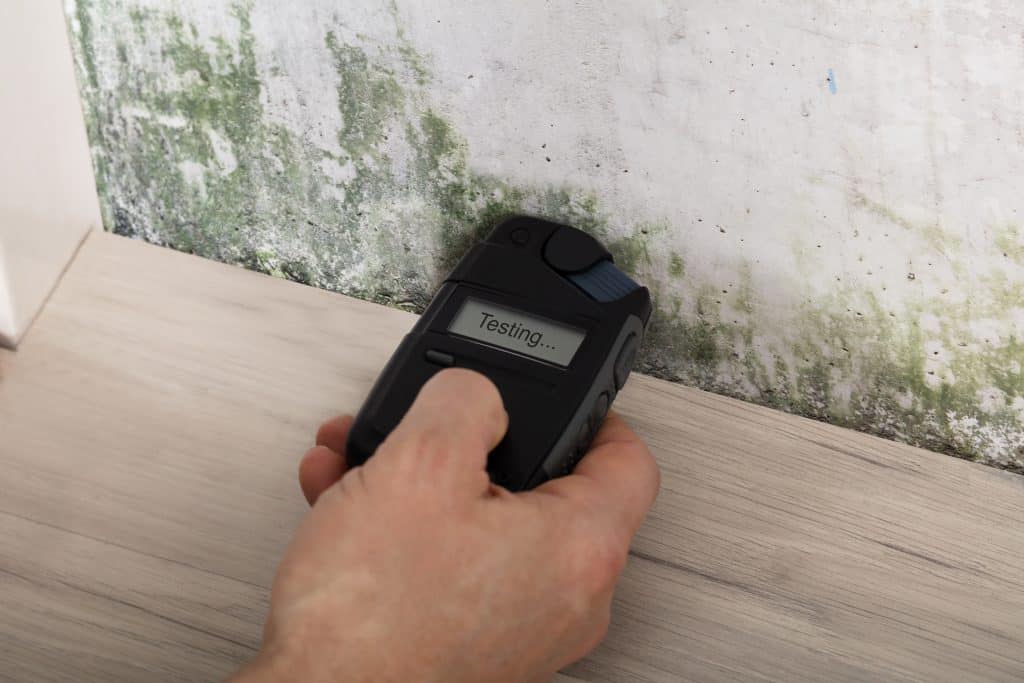
This is what complete mold treatment looks like. Not surface cleaning that buys you three months. Real elimination that addresses why the mold showed up in the first place. We use thermal imaging and moisture meters to find growth you can’t see. We test your air quality before we leave to prove the job is done. You get documentation for your records, for insurance, for resale value protection.
Pennsylvania’s humid summers create perfect conditions for mold in Fountainville basements and crawl spaces. Older homes without modern moisture barriers are especially vulnerable. We’ve spent 15 years learning exactly where mold hides in Bucks County properties and how to make sure it doesn’t come back.
We’ve served Fountainville and Bucks County families for over 15 years. We’re not a national franchise following a corporate script. We’re local, and we understand how this area’s climate affects your home.
We know the older construction styles in Fountainville. We know which basements flood during heavy rain and which attics get condensation when temperatures swing. That knowledge matters when you’re trying to prevent mold from returning.
You’ll work with the same team from inspection through completion. We answer our phones. We show up when we say we will. We give you transparent pricing before any work starts, and we don’t leave until air quality testing confirms your home is safe.

We start with a free inspection. We’re looking for visible growth, but more importantly, we’re using moisture meters and thermal imaging to find what you can’t see. Most mold problems are hidden behind walls, under floors, or in HVAC systems.
Once we know what we’re dealing with, you get a detailed estimate. No surprises. We explain what needs to happen and why.
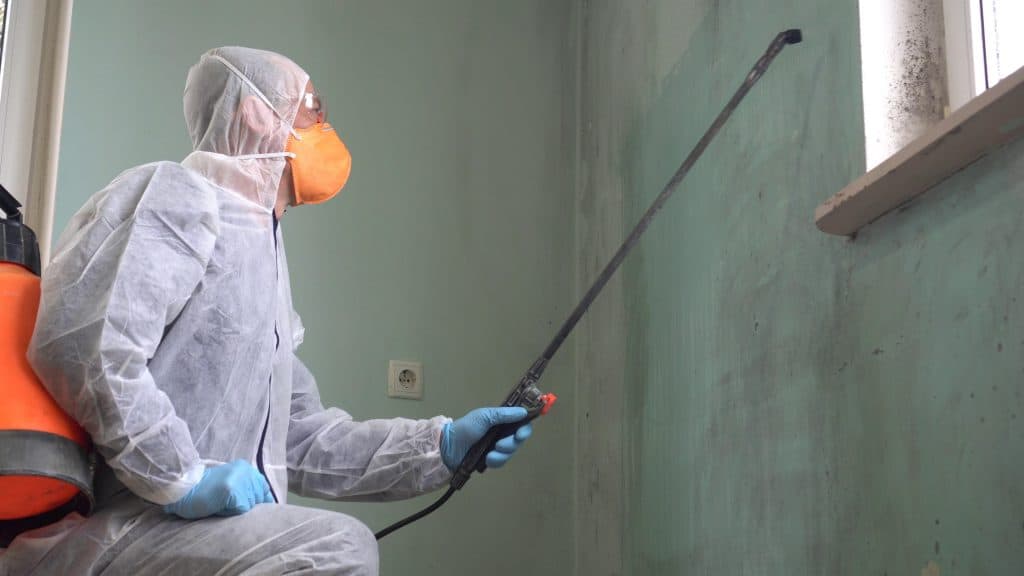
During remediation, we contain the work area to prevent spores from spreading to clean parts of your home. We remove contaminated materials safely. We treat affected surfaces with EPA-approved solutions. Then we address the moisture source, because if we don’t fix why the mold grew, it’ll just come back.
Before we’re done, we test your air quality. You see the results. If the numbers aren’t where they should be, we keep working until they are. You also get documentation for insurance claims and future buyers if you ever sell.
Ready to get started?
You get a thorough inspection with advanced detection technology. We don’t just look at the obvious spots. Thermal imaging shows us temperature differences that indicate moisture behind walls. Moisture meters tell us if your drywall or framing is wet even when it looks dry.
Containment is critical. We seal off the work area with plastic barriers and negative air pressure to keep spores from contaminating the rest of your house. This is especially important in Fountainville’s older homes where HVAC systems can spread contamination quickly.
We remove all affected materials that can’t be saved. Drywall, insulation, carpeting—if it’s porous and contaminated, it goes. We treat structural elements like framing with antimicrobial solutions. Then we identify and fix the moisture source. Leaking pipes, poor ventilation, foundation cracks, condensation issues—whatever caused the problem gets addressed.
Air quality testing confirms the work is complete. We also help with insurance paperwork if your policy covers the remediation. Many homeowners don’t realize their insurance might pay for mold removal if it resulted from a covered event like a burst pipe or storm damage.
Cost depends entirely on how much mold you have and where it’s growing. A small bathroom problem might run $500 to $1,500. A basement with significant contamination could be $3,000 to $10,000 or more.
The size of the affected area matters most. So does accessibility. Mold in an open basement costs less to remediate than mold inside walls or crawl spaces where we need to remove materials and work in tight conditions.
Your specific situation determines the price. That’s why we offer free inspections. We assess the damage, identify all the sources, and give you a detailed written estimate before any work begins. No guessing, no surprises. If insurance might cover it, we’ll help you document everything properly for your claim.
Small surface mold on non-porous materials like tile or glass? Sure, you can handle that with proper cleaning solutions and ventilation. But if you’re seeing mold on drywall, wood, insulation, or carpeting, DIY cleaning usually makes things worse.
Here’s why: scrubbing releases millions of spores into your air. Without proper containment, you spread contamination throughout your home. Surface cleaning also doesn’t address what’s behind the wall or under the floor. You might remove what you can see, but the hidden growth keeps spreading.
Most homeowners we help tried DIY first. They spent money on cleaners and equipment, invested hours of work, and the mold came back within weeks. Professional remediation costs more upfront, but it actually solves the problem. We contain the area, remove contaminated materials safely, treat structural elements, fix the moisture source, and verify with air quality testing that the job is complete.
Most residential jobs in Fountainville take two to five days from start to finish. Small, contained problems might be done in a day. Larger projects with extensive contamination can take a week or more.
The timeline depends on the size of the affected area, how many materials need removal, and how long it takes to dry everything out properly. We can’t rush the drying process. If we seal up walls while moisture is still present, you’ll have mold again in months.
We’ll give you a realistic timeline during the estimate. We also keep you updated as work progresses. If we discover additional contamination once we open up walls, we tell you immediately and explain how it affects the schedule and cost. Most homeowners can stay in their homes during remediation as long as we’re not working in bedrooms or main living areas.
It depends on what caused the mold and what your specific policy says. If mold resulted from a sudden, covered event like a burst pipe, roof leak during a storm, or appliance malfunction, many policies will cover remediation costs.
If mold developed because of long-term neglect, poor maintenance, or ongoing moisture problems you didn’t address, insurance typically won’t pay. Flood-related mold usually isn’t covered under standard homeowners policies either.
Read your policy or call your insurance company to understand your coverage. We help with this process regularly. We document everything thoroughly, take photos, provide detailed reports, and work with insurance adjusters. We’ve helped many Fountainville homeowners get claims approved by providing the right documentation upfront. Even if insurance doesn’t cover the full cost, proper documentation protects your home’s resale value.
Mold exposure affects people differently, but common symptoms include respiratory issues, headaches, eye irritation, skin rashes, and fatigue. If you have asthma or allergies, mold makes symptoms significantly worse.
Black mold gets the most attention, but all mold types can cause health problems when you’re exposed to high concentrations over time. Some people are more sensitive than others. Children, elderly family members, and anyone with compromised immune systems face higher risks.
The symptoms often improve quickly once the mold is removed. Homeowners tell us their headaches disappear, their breathing gets easier, and they sleep better within days of completing remediation. If you’re experiencing unexplained health issues that seem worse at home, mold could be the cause. A professional inspection identifies whether you have a problem and how serious it is.
Prevention is about controlling moisture. Mold needs water to grow. Remove the water source, and mold can’t survive.
We identify every moisture source during inspection. Leaking pipes, poor ventilation, foundation cracks, condensation from temperature differences, humidity levels above 60%—whatever is creating the conditions for mold growth gets fixed. Sometimes that means repairing plumbing. Sometimes it means improving ventilation in bathrooms or crawl spaces. Sometimes it means installing dehumidifiers or fixing grading around your foundation.
Bucks County’s humid summers create challenges for Fountainville homeowners, especially in basements and attics. We give you specific recommendations based on your home’s construction and your property’s conditions. Running exhaust fans during showers, maintaining gutters, keeping humidity below 50%, checking for leaks regularly—these habits matter. We also offer follow-up inspections to catch any new issues before they become major problems.
Other Services we provide in Fountainville