

Hear from Our Customers
Your family stops dealing with the coughing, the stuffy noses, the constant worry about what’s growing behind your walls. The musty smell disappears. You can breathe easier—literally.
Your home value stays protected. Half of potential buyers walk away the moment they hear “mold problem,” even if it’s been fixed. That’s why getting it handled by a mold specialist who knows what they’re doing matters more than you think.
You’re not just covering up the problem or wiping down surfaces. Professional mold removal means finding the source, fixing the moisture issue, and making sure it doesn’t come back next season. That’s the difference between a temporary fix and actually solving the problem.
We’ve been serving Farm School and Bucks County with one focus: getting mold out of your home and keeping it out. We’re not a national franchise reading from a script. We’re local, we know the homes in this area, and we’ve seen what Pennsylvania humidity does to basements, attics, and crawl spaces.
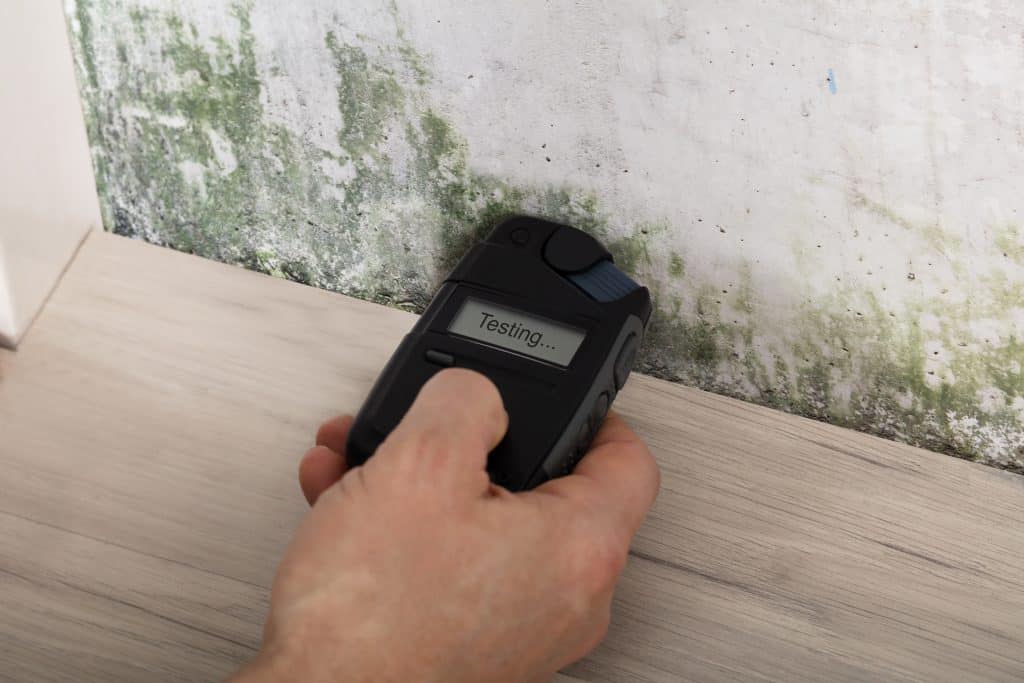
We use infrared cameras and moisture meters to find mold you can’t see. We test the air and surfaces to confirm what’s actually there. And we walk you through every step so you’re never guessing what’s happening in your own home.
You’ll talk to someone who answers the phone with a 215 area code. You’ll get a free inspection. And you’ll get straight answers about what needs to happen and why.

First, we come out and inspect your property. That’s free. We’re looking for visible mold, but also using technology to detect what’s hidden—moisture behind drywall, mold on the backside of paneling, issues you wouldn’t find on your own.
Next, we test. Air samples and surface samples tell us exactly what type of mold you’re dealing with and how widespread it is. No guessing. You get a clear picture of the situation before any work starts.
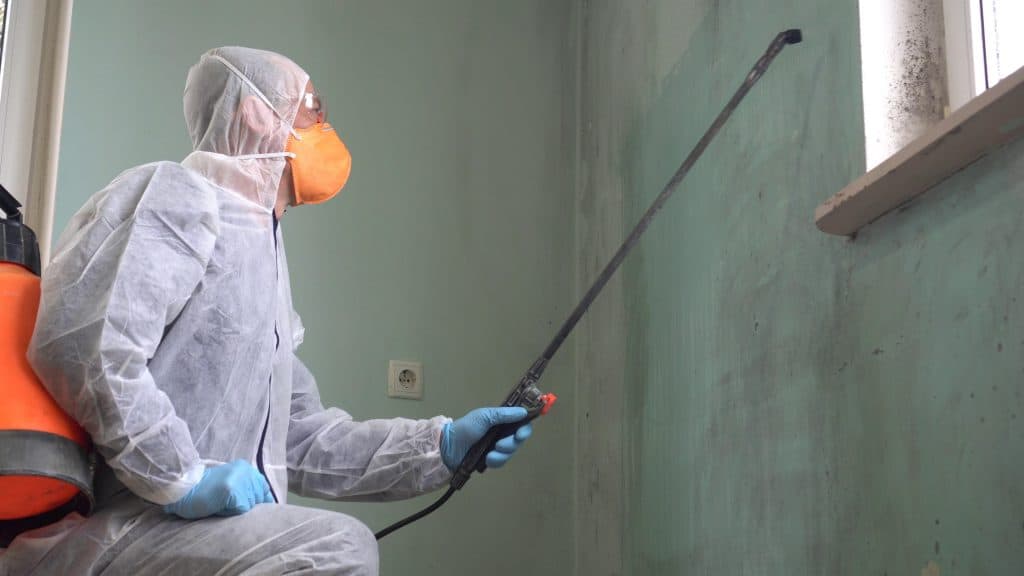
Then we remove it. We contain the area to prevent cross-contamination, remove affected materials safely, treat surfaces, and address the moisture source. If we don’t fix what caused the mold, it’ll just come back. We handle both.
Finally, we verify. Post-remediation testing confirms the mold is gone and your air quality is back to normal. You’re not taking our word for it—you’re seeing the results.
Ready to get started?
You get a full inspection using infrared cameras and moisture meters to find every problem area. You’re not paying for guesswork. We locate the mold, identify the moisture source, and map out what needs to happen.
You get comprehensive testing—air and surface samples analyzed to determine mold type and concentration levels. This matters for your health and for documentation if you’re dealing with insurance or resale down the line.
You get complete remediation. We don’t just spray and pray. Containment barriers go up to protect the rest of your home. Affected materials get removed safely. HEPA filtration runs throughout the process. And we treat every surface to prevent regrowth.
In Farm School and throughout Bucks County, we’re seeing mold issues in nearly half of the homes we inspect. Pennsylvania’s climate creates the perfect conditions—especially in older homes with poor ventilation or water intrusion issues. If your home was built before 1990, your risk is even higher. We’ve handled it all, and we know what works in this area.
Cost depends on the size of the affected area, the type of mold, and how much material needs to be removed. Small, contained areas might run $500 to $1,500. Larger projects involving multiple rooms, HVAC systems, or structural materials can reach $3,000 to $10,000 or more.
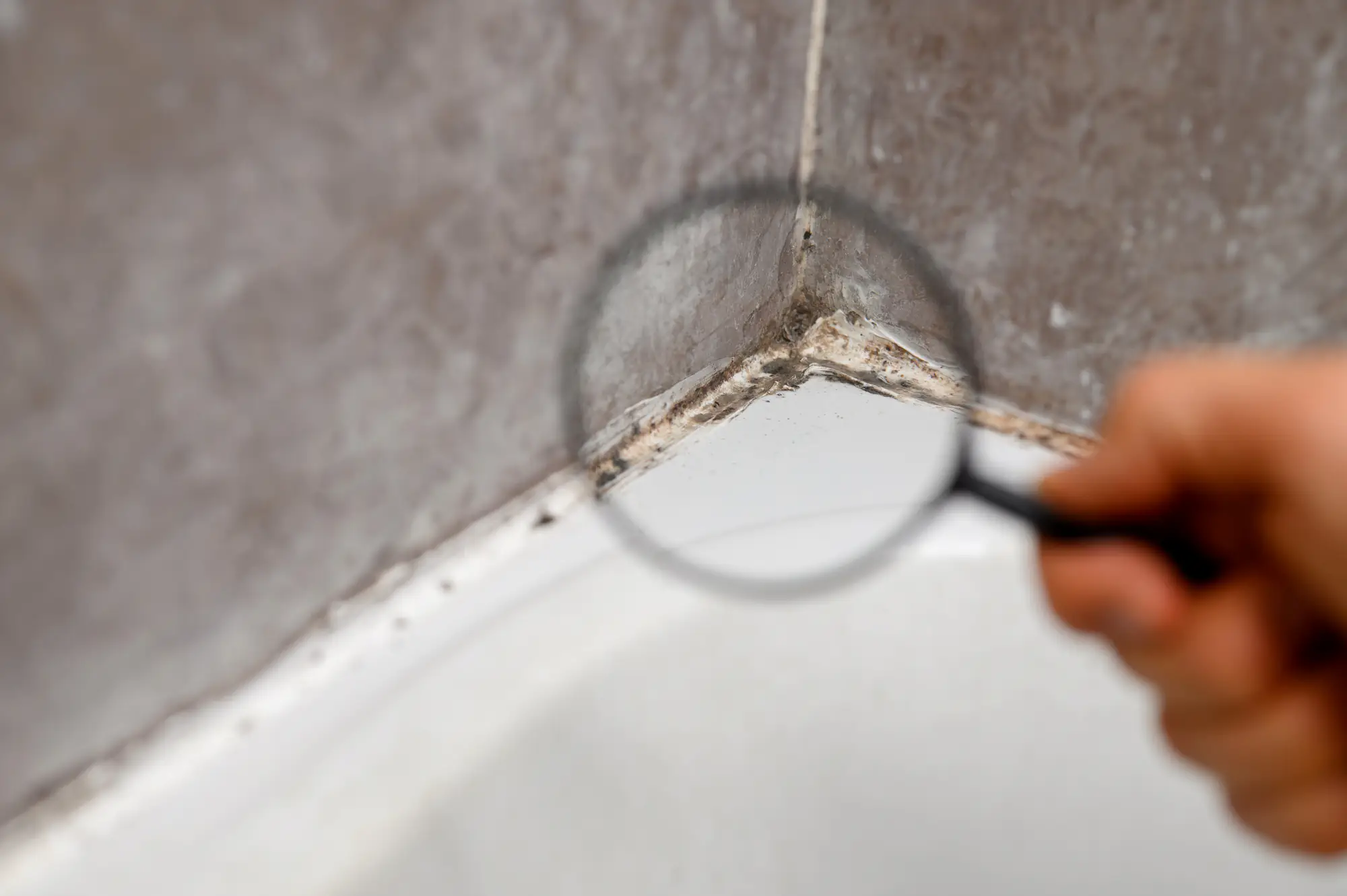
Here’s what affects your price: square footage of contamination, accessibility of the area, whether we’re dealing with porous materials like drywall that need full replacement, and how extensive the moisture problem is. A small patch of mold under a sink is different from black mold throughout a finished basement.
We give you a clear estimate after the free inspection. No hidden fees, no surprise charges. You’ll know what you’re paying for and why before any work starts.
Most residential mold removal projects take 1 to 5 days, depending on the extent of contamination and drying time needed. A single bathroom might be done in a day. A whole basement could take a week.
The process can’t be rushed. Containment setup, careful removal, proper treatment, and post-remediation drying all take time. If we’re waiting for materials to dry completely before closing up walls, that adds days—but it’s necessary to prevent the mold from returning.
We’ll give you a realistic timeline during the inspection. If you’re dealing with an emergency situation—like a burst pipe that caused sudden mold growth—we can often start same-day or next-day. But quality work takes the time it takes.
Small surface mold on non-porous materials—like a little mildew on bathroom tile—you can usually handle yourself with proper cleaning products and ventilation. Anything larger than 10 square feet, anything involving porous materials like drywall or carpet, or any situation where you’re dealing with black mold requires a professional.
Here’s why: mold spreads through spores. Disturbing it without proper containment sends those spores throughout your house. You can make the problem worse. Plus, if you don’t fix the moisture source, the mold comes right back. Most DIY attempts fail because they treat the symptom, not the cause.
If you’re seeing visible mold, smelling that musty odor, or dealing with health symptoms, get it inspected. The free inspection tells you exactly what you’re dealing with and whether it’s something you can handle or something that needs professional mold cleaning services.
Mold comes back if the moisture problem isn’t fixed. That’s the single biggest reason remediation fails. You can remove every visible spore, but if water is still leaking, humidity is still high, or ventilation is still poor, you’re creating the same conditions that caused mold in the first place.
That’s why we address the source. Leaking pipes get noted. Poor ventilation gets flagged. Water intrusion points get identified. We’re not just cleaning up mold—we’re eliminating the environment that allows it to grow.
After proper remediation that includes moisture control, mold shouldn’t return to that area. We back our work, and we provide recommendations for preventing future issues—like dehumidifier use, ventilation improvements, or drainage corrections. Your home stays clear as long as you keep water under control.
Mold removal means getting rid of visible mold growth. Mold remediation means returning mold levels to natural, safe levels and preventing regrowth. Remediation is the more accurate term because mold spores exist everywhere—you can’t remove every single spore from an environment. What you can do is reduce contamination to normal levels and eliminate the conditions that allow harmful mold to thrive.
Professional mold remediation includes removal, but it also includes containment to prevent spread, air filtration during the process, treatment of affected areas, moisture control, and verification testing afterward. It’s a complete process, not just scrubbing visible mold off a wall.
When you’re comparing mold removal companies, ask what their process includes. If they’re just talking about removal without mentioning moisture control or post-testing, they’re not doing full remediation. You want the complete service, or you’re likely to have the same problem again in six months.
Sometimes. It depends on what caused the mold and what your policy says. If mold resulted from a covered peril—like a sudden pipe burst or storm damage—many policies will cover remediation. If mold developed slowly due to long-term neglect, high humidity, or maintenance issues, most policies won’t cover it.
Pennsylvania insurers have gotten stricter about mold coverage over the past decade. Some policies cap mold coverage at $5,000 or $10,000. Others exclude it entirely unless you purchase additional coverage. You need to read your specific policy or call your agent.
Here’s what helps: document everything. Take photos. Get professional testing results. Keep records of the water damage that caused the mold. If you’re filing a claim, detailed documentation strengthens your case. We can provide the inspection reports and remediation documentation your insurance company needs to process the claim.
Other Services we provide in Farm School