

Hear from Our Customers
You’ve probably noticed the musty smell in your basement. Maybe your kids are coughing more than usual, or you’re waking up congested every morning. That’s not normal, and you shouldn’t have to live with it.
Mold doesn’t just sit on the surface. In Bucktoe’s humid summers and damp winters, it spreads behind walls, under floors, and into places you can’t see. The longer it sits, the worse it gets for your health and your home’s value.
Real mold removal means finding where the moisture is coming from, eliminating every trace of growth, and making sure it doesn’t come back. You get clear air, fewer allergy symptoms, and actual peace of mind that your family isn’t breathing in something harmful every day. That’s what matters.
We serve homeowners throughout Bucks County who are dealing with what our climate does best: creating perfect conditions for mold. We’re not a national franchise following a script. We’re local technicians who understand exactly why your basement stays damp and what happens when humidity hits 70% in July.
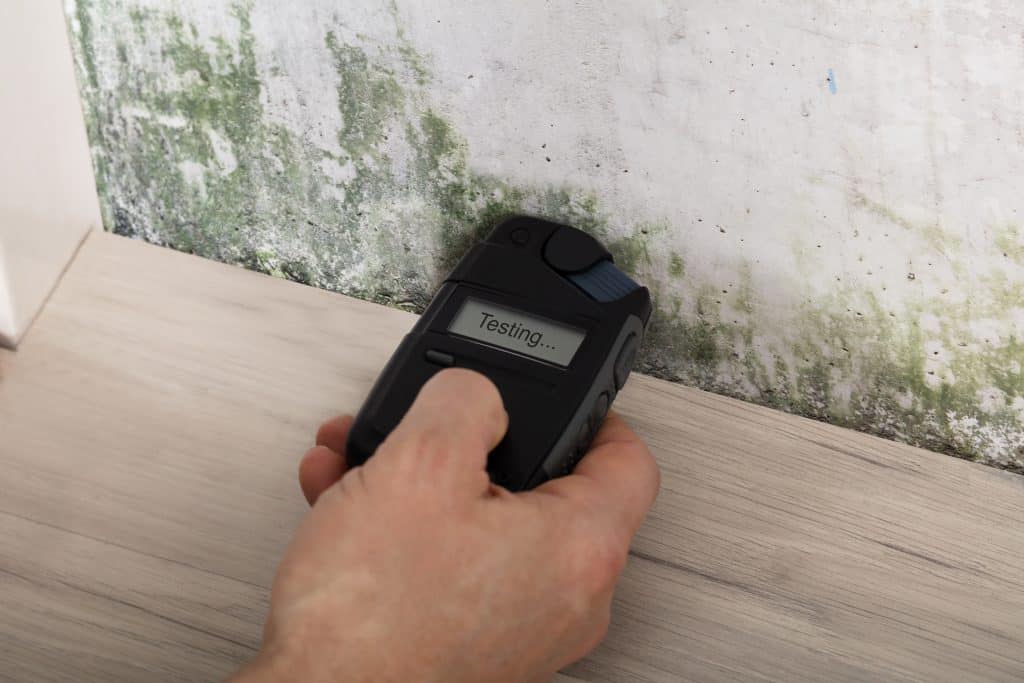
Every job starts with a free inspection using moisture meters and infrared cameras to find problems you can’t see. We follow EPA-approved methods because your family’s safety isn’t negotiable. And we don’t just clean what’s visible—we fix the underlying moisture issue so you’re not calling someone back in six months.
You’re not getting a sales pitch. You’re getting straight answers about what’s growing, why it’s there, and what it takes to fix it for good.

First, we inspect your property for free. That means checking obvious spots like basements and bathrooms, but also using thermal imaging to find hidden moisture behind walls and in crawl spaces. You’ll know exactly where the mold is and what’s causing it before we talk about price.
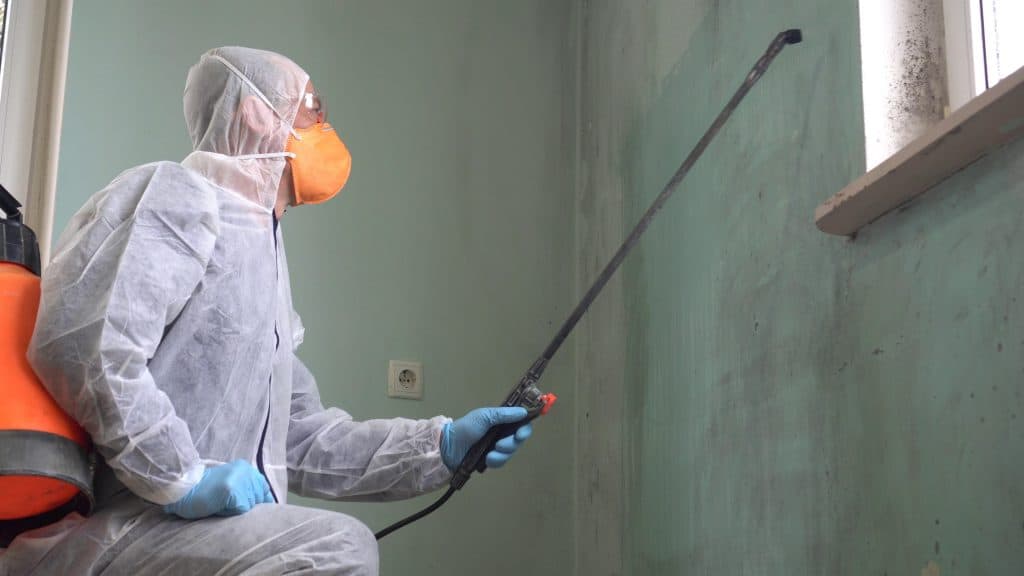
Next, we contain the affected area so spores don’t spread during removal. We use HEPA filtration and negative air pressure to keep the rest of your home clean. Then we remove all contaminated materials—drywall, insulation, whatever’s been compromised—and treat surfaces with EPA-approved antimicrobial solutions.
But here’s the part that actually matters: we fix the moisture source. Leaking pipe? We repair it. Poor ventilation? We address it. High humidity? We recommend dehumidification. Otherwise, you’re just paying to remove mold that’s going to grow back.
After remediation, we test the air quality to confirm spore levels are back to normal. You get documentation for your records, your insurance company, or future buyers if you’re selling. The job’s not done until your home is genuinely safe.
Ready to get started?
You’re getting a complete assessment with moisture mapping and thermal imaging. Not a guy with a flashlight—actual equipment that finds problems before they become disasters.
You’re getting containment and air filtration during the entire job. Mold spores are microscopic, and disturbing them without proper containment just spreads the problem. We seal off work areas and use HEPA filters to trap particles before they reach your living space.
You’re getting removal of all affected materials and treatment of salvageable surfaces. If your drywall is compromised, we remove it. If your studs can be saved, we treat them. We’re not trying to sell you a bigger job, but we’re also not leaving mold behind to save time.
Most importantly, you’re getting the moisture fix. Bucks County’s climate means your basement is basically a mold incubator from May through September. We identify whether you’re dealing with groundwater seepage, condensation, leaks, or humidity issues—and we address the actual cause. That’s the difference between mold removal and professional mold removal.
Most residential mold removal projects in Bucks County run between $1,500 and $4,000, but that range depends entirely on how much mold you have and where it’s growing. A small bathroom issue costs less than a finished basement with mold behind the walls.
Square footage matters. So does the type of material affected—removing mold from concrete is different than removing it from drywall and insulation. If we need to pull out walls or flooring, that adds to the cost. Same with crawl spaces that are hard to access.
We give you a detailed estimate after the free inspection. You’ll see exactly what we found, what needs to be removed, what can be treated, and what the moisture fix involves. No surprises, no upselling. Just a clear breakdown so you can make an informed decision about your home and your budget.
Small jobs—like a bathroom or closet—usually take one to two days. Larger projects, like a full basement or multiple rooms, can take three to five days depending on the extent of contamination and how much material needs to be removed.
Drying time matters too. After we remove the mold and fix the moisture source, affected areas need to dry completely before we can close things back up. In Bucktoe’s humid climate, that sometimes means running dehumidifiers for a few extra days to get moisture levels where they need to be.
We’ll give you a realistic timeline during the estimate. If you’re trying to close on a house sale or you need the space back quickly, we’ll work with your schedule. But we won’t rush the job and leave moisture behind just to meet a deadline. That’s how you end up with mold again in six months.
If it’s a tiny spot—less than 10 square feet, on a hard surface, and you know exactly what caused it—maybe. The EPA says small areas can sometimes be cleaned with detergent and water if you catch them early.
But if you’re seeing mold on drywall, insulation, carpet, or wood, you’re likely looking at growth that’s deeper than the surface. Scrubbing what you can see doesn’t remove what’s inside the material. And if you don’t fix the moisture problem, it comes right back.
Here’s the bigger issue: disturbing mold without proper containment spreads spores throughout your house. You might clean one area and contaminate three others. Professional mold removal includes containment, HEPA filtration, proper disposal, and actually fixing the cause. For anything beyond a minor surface issue, it’s worth getting someone who knows what they’re doing.
It depends on what caused the mold. If it’s from a sudden, accidental event—like a burst pipe or a roof leak during a storm—most policies cover remediation. If it’s from long-term neglect or maintenance issues, probably not.
Insurance companies want to see that you acted quickly. Mold that develops because you didn’t fix a known leak usually isn’t covered. But mold that appears after a water heater fails or a washing machine hose bursts typically is, as long as you report it promptly.
We work with insurance companies regularly and can help with documentation. That means photos, moisture readings, scope of work, and detailed estimates. We’ll explain what we found and what needs to be done. Whether your claim gets approved isn’t up to us, but we make sure you have everything your adjuster needs to make a decision.
They’re basically the same thing, but “remediation” is the technical term the industry uses. It means returning mold levels to normal, natural levels—not creating a completely sterile environment, which isn’t realistic or necessary.
Mold spores exist everywhere. They’re in the air outside right now. The problem happens when they find moisture indoors and start growing into colonies. Remediation means removing those colonies, fixing the moisture source, and getting spore counts back to normal outdoor levels.
Some companies use “removal” because that’s what people search for, and it’s easier to understand. We use both terms, but the process is the same: find it, remove it, fix what caused it, and confirm the air quality is safe. Call it whatever you want—what matters is that it’s done right and doesn’t come back.
You can’t tell just by looking at it. “Black mold” usually refers to Stachybotrys chartarum, which is dark greenish-black and slimy. But plenty of other molds are black or dark-colored, and some toxic molds aren’t black at all.
The color doesn’t tell you how dangerous it is. All mold growing indoors is a problem because it means you have a moisture issue and poor air quality. Some types cause more severe health reactions than others, but you shouldn’t be breathing any of it regardless of the species.
If you want to know exactly what type you’re dealing with, we can arrange lab testing. A sample gets analyzed and you get a report identifying the species and concentration. Most people just want it gone, and the removal process is the same whether it’s Stachybotrys or Aspergillus. But if you have health concerns or you’re dealing with insurance or a real estate transaction, testing gives you documentation.
Other Services we provide in Bucktoe