Summary:
How We Assess Your Home for Mold
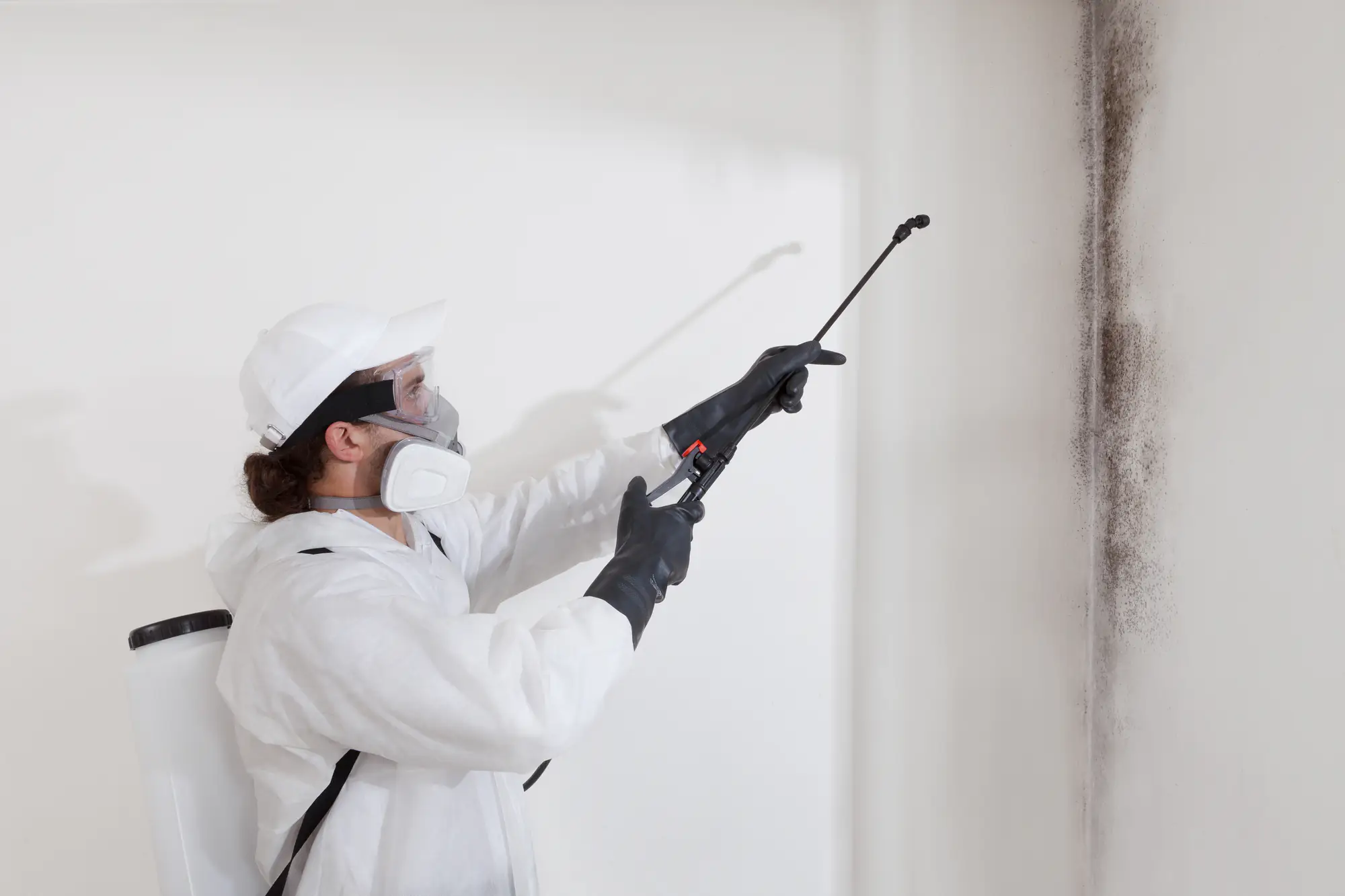
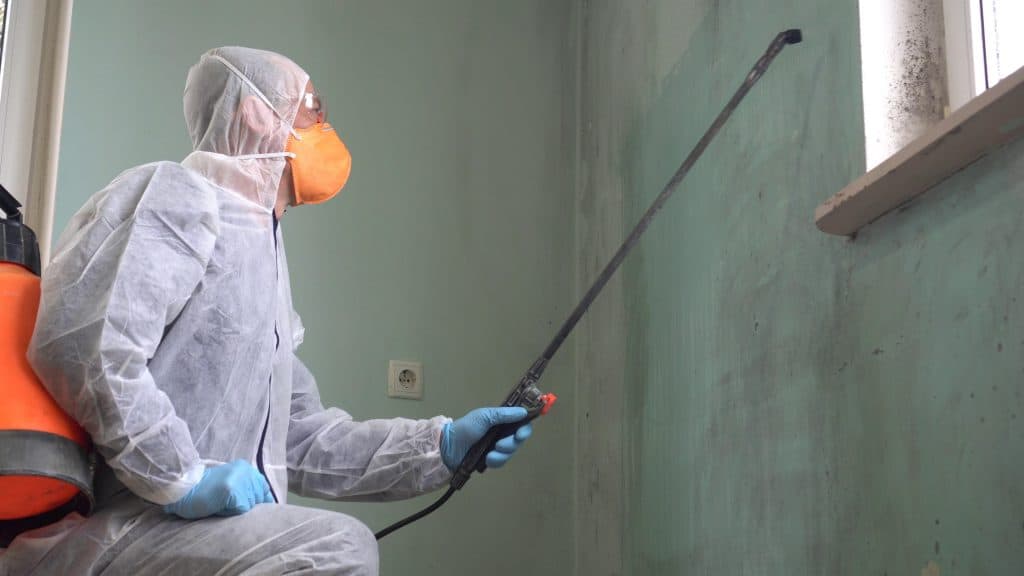
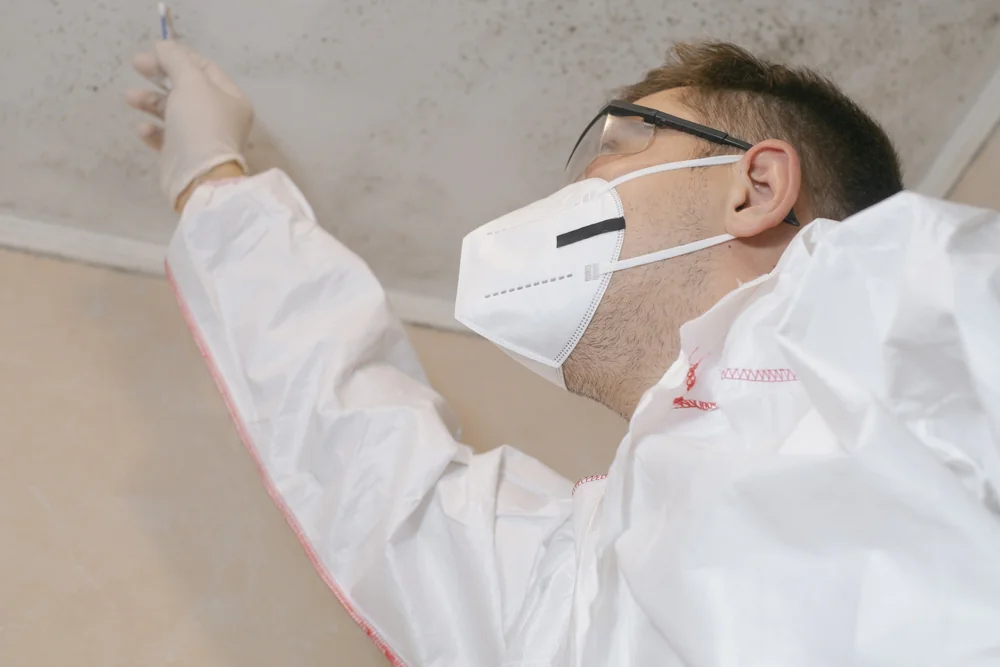
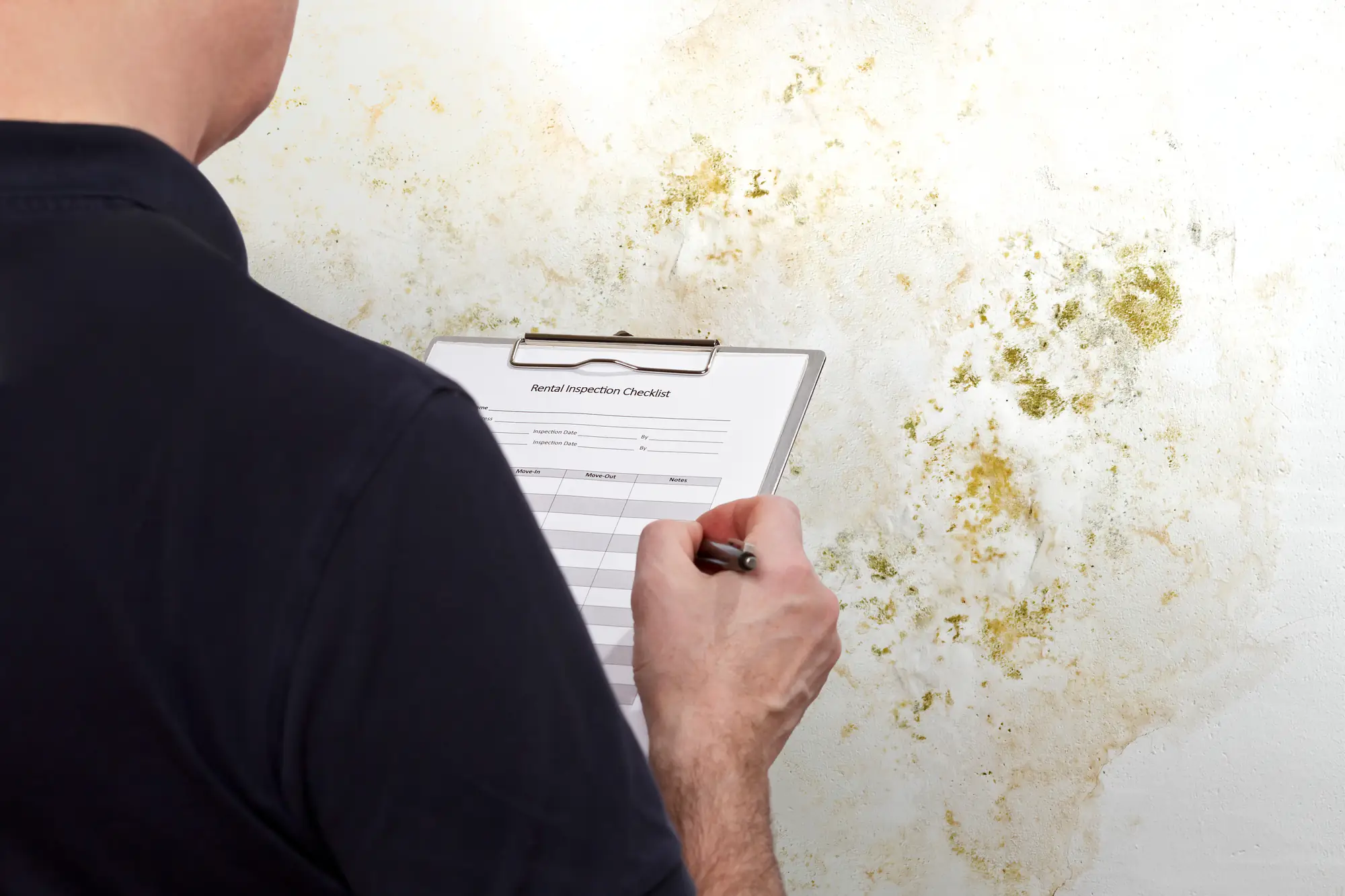
Our professional mold inspection starts with a visual examination of your entire property, not just the obvious problem areas. We look for visible mold growth, water damage signs, and conditions that promote mold development.
The process goes beyond what you can see. We check behind appliances, inside HVAC systems, and in crawl spaces where moisture problems often hide. We document everything with photos and detailed notes that become part of your inspection report.
Most inspections take 2-4 hours depending on your home’s size and complexity. The thoroughness might surprise you, but it’s necessary to identify all potential mold sources and moisture issues.
Advanced Tools We Use During Mold Detection
Modern mold inspections rely on specialized equipment that reveals problems invisible to the naked eye. Moisture meters detect elevated humidity levels in walls, floors, and ceilings where mold often develops first. These readings help us identify problem areas before visible growth appears.
Thermal imaging cameras show temperature variations that indicate moisture intrusion or air leaks. Cold spots often signal water problems, while warm areas might reveal hidden leaks behind walls. This technology lets us see issues without removing drywall or flooring.
Air quality testing captures mold spores floating in your home’s atmosphere. Even when you can’t see mold growth, spores might be circulating through your HVAC system or emanating from hidden sources. Laboratory analysis of these samples provides definitive answers about mold types and concentration levels.
Borescopes allow us to inspect tight spaces like wall cavities and ductwork without causing damage. We can examine areas that would otherwise require expensive demolition to access. This non-invasive approach saves money while providing complete assessment coverage.
Digital hygrometers measure relative humidity throughout your home. Consistent readings above 60% create ideal conditions for mold growth, helping us identify rooms needing better ventilation or moisture control.
What We Look for During Visual Assessment
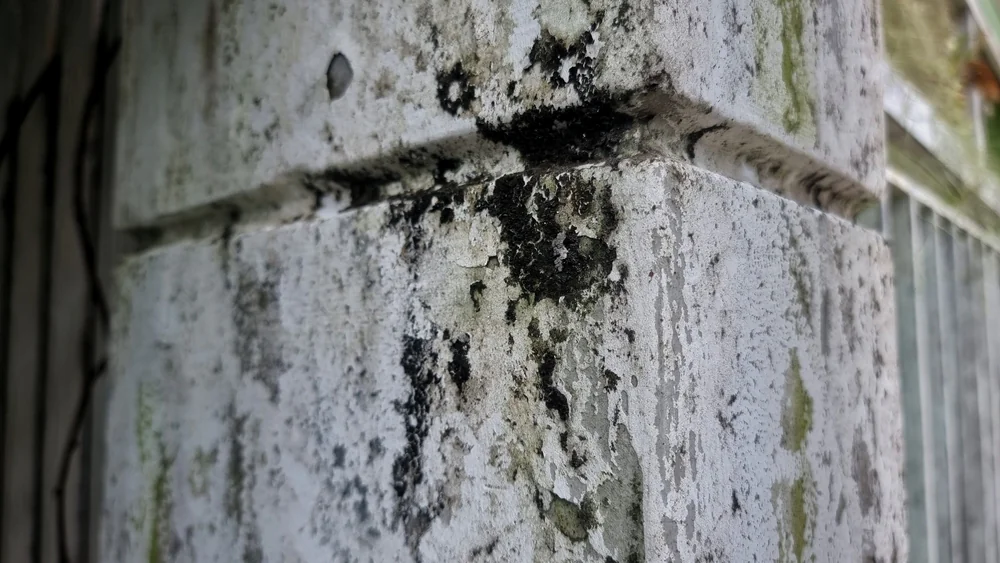
Visual inspection covers every area where mold typically develops, starting with obvious moisture sources like bathrooms, kitchens, and basements. We examine window sills, ceiling corners, and areas around plumbing fixtures where condensation commonly occurs.
HVAC systems receive special attention because they can spread mold spores throughout your entire home. We check ductwork, air handlers, and return vents for growth or moisture accumulation. Dirty or clogged filters often indicate air quality problems that need addressing.
Attics and crawl spaces frequently harbor hidden mold problems. Poor ventilation, roof leaks, or inadequate insulation create perfect conditions for growth. We look for water stains, damaged insulation, and signs of ongoing moisture intrusion that homeowners rarely notice.
Foundation areas and basement walls are prime locations for mold development. We examine these spaces for water seepage, efflorescence (white mineral deposits), and dampness that indicates moisture problems. Even finished basements can hide serious issues behind drywall or paneling.
Personal belongings stored in damp areas often show early signs of mold growth. We may examine clothing, books, or furniture in affected areas to gauge the extent of contamination and help determine if items can be salvaged.
Want live answers?
Connect with a Mack's Mold Removal expert for fast, friendly support.
Preparing Your Home for Mold Inspection
Proper preparation ensures we can access all necessary areas and provide the most accurate assessment. Clear pathways to basements, attics, crawl spaces, and utility rooms so we can move equipment safely and efficiently.
Remove stored items from areas where you suspect mold problems. Boxes, furniture, and personal belongings can hide growth and prevent thorough examination. You don’t need to empty entire rooms, just create access to walls, floors, and potential problem spots.
Avoid cleaning suspected mold areas before inspection. While it’s tempting to tidy up, cleaning can disturb spores and affect air quality test results. Let us see conditions as they naturally exist for the most accurate assessment.

When to Schedule Your Inspection
Timing your mold inspection correctly can affect results and accuracy. Schedule inspections during normal living conditions rather than immediately after heavy cleaning or during extreme weather events that might skew moisture readings.
Avoid inspections right after major storms or flooding when moisture levels are temporarily elevated. Wait at least 48-72 hours after water events for conditions to normalize, unless you’re dealing with an emergency situation requiring immediate assessment.
Consider seasonal factors that affect your home’s moisture levels. Spring inspections often reveal winter moisture accumulation, while summer assessments can identify air conditioning condensation problems. Fall inspections help prepare for winter moisture challenges.
Don’t wait if you’re experiencing health symptoms potentially related to mold exposure. Respiratory issues, persistent coughing, or unexplained allergic reactions warrant immediate professional assessment regardless of timing considerations.
Real estate transactions often require specific inspection timing. Schedule assessments early in the buying process to allow time for negotiations or remediation if problems are discovered. Sellers benefit from proactive inspections before listing to address issues upfront.
What Happens After the Inspection
Professional mold inspections conclude with detailed reporting that documents all findings, test results, and recommendations. You’ll receive laboratory analysis of air and surface samples within 24-48 hours, along with photographic evidence of any issues we discovered.
Our inspection reports include moisture readings, mold species identification when present, and spore concentration levels compared to outdoor baseline measurements. This scientific data helps you understand the severity of any problems and make informed decisions about next steps.
Recommendations vary based on findings but might include moisture control improvements, ventilation upgrades, or professional remediation for significant contamination. We provide guidance on whether issues require immediate attention or can be addressed gradually.
Follow-up inspections may be recommended after remediation work to verify successful mold removal and ensure problems don’t return. This post-remediation verification protects your investment and confirms your home’s air quality has returned to safe levels.
Documentation from professional inspections supports insurance claims, real estate transactions, and legal requirements. Keep reports accessible for future reference, especially if you plan to sell your property or need to demonstrate due diligence in addressing mold concerns.
Getting Professional Mold Inspection in Pennsylvania
Professional mold inspection provides the clarity and documentation you need to make informed decisions about your home’s air quality. The process is more comprehensive than most homeowners expect, using advanced technology to identify problems before they become major issues.
Understanding what to expect helps you prepare properly and get maximum value from the inspection process. From moisture detection to air quality testing, certified inspectors provide the expertise needed to protect your family’s health and your property investment.
When you’re ready for professional mold inspection services in Delaware County, Montgomery County, Bucks County, or Chester County, Mack’s Mold Removal provides thorough assessments with the advanced tools and certified expertise you need for complete peace of mind.