Summary:
How Mold Spreads Through Your Home's Air System
Mold doesn’t stay put. Once established, colonies release microscopic spores into your home’s air circulation system. These spores travel through your HVAC system and settle in rooms far from the original source.
Your heating and cooling system becomes the distribution network. Even a small mold problem in your basement can contaminate the air in upstairs bedrooms. This invisible spread explains why family members experience symptoms throughout the house, not just in visibly affected areas.
Professional air quality testing reveals this hidden contamination that you can’t see but are definitely breathing.
What Mold Spores Actually Do to Your Indoor Air
Mold spores don’t just float harmlessly in your air—they actively degrade your indoor environment in measurable ways. These microscopic particles increase the total particulate matter in your home’s air, overwhelming standard HVAC filters that aren’t designed to capture the smallest spores.
Certain mold species release mycotoxins, toxic compounds that become airborne and create chemical contamination of your indoor environment. Unlike spores, these toxins can persist in your air long after visible mold is cleaned if remediation isn’t done properly. This is why surface cleaning often fails to resolve health symptoms.
Professional air quality analysis can measure these contaminants and provide concrete data about your indoor environment. Testing reveals not just whether mold is present, but how severely it has compromised your air quality. In Pennsylvania’s humid climate, this testing becomes even more critical as moisture issues can rapidly escalate.
The combination of increased particles and potential toxins creates what we call a “compromised environment.” Your home’s air becomes a health risk rather than a safe haven. Standard cleaning products and DIY approaches simply can’t address this level of contamination effectively.
Proper mold testing services use specialized equipment to detect contamination levels that affect your family’s health. This data guides effective remediation strategies that actually restore healthy indoor air rather than just treating surface symptoms.
Why Your HVAC System Spreads Mold Contamination
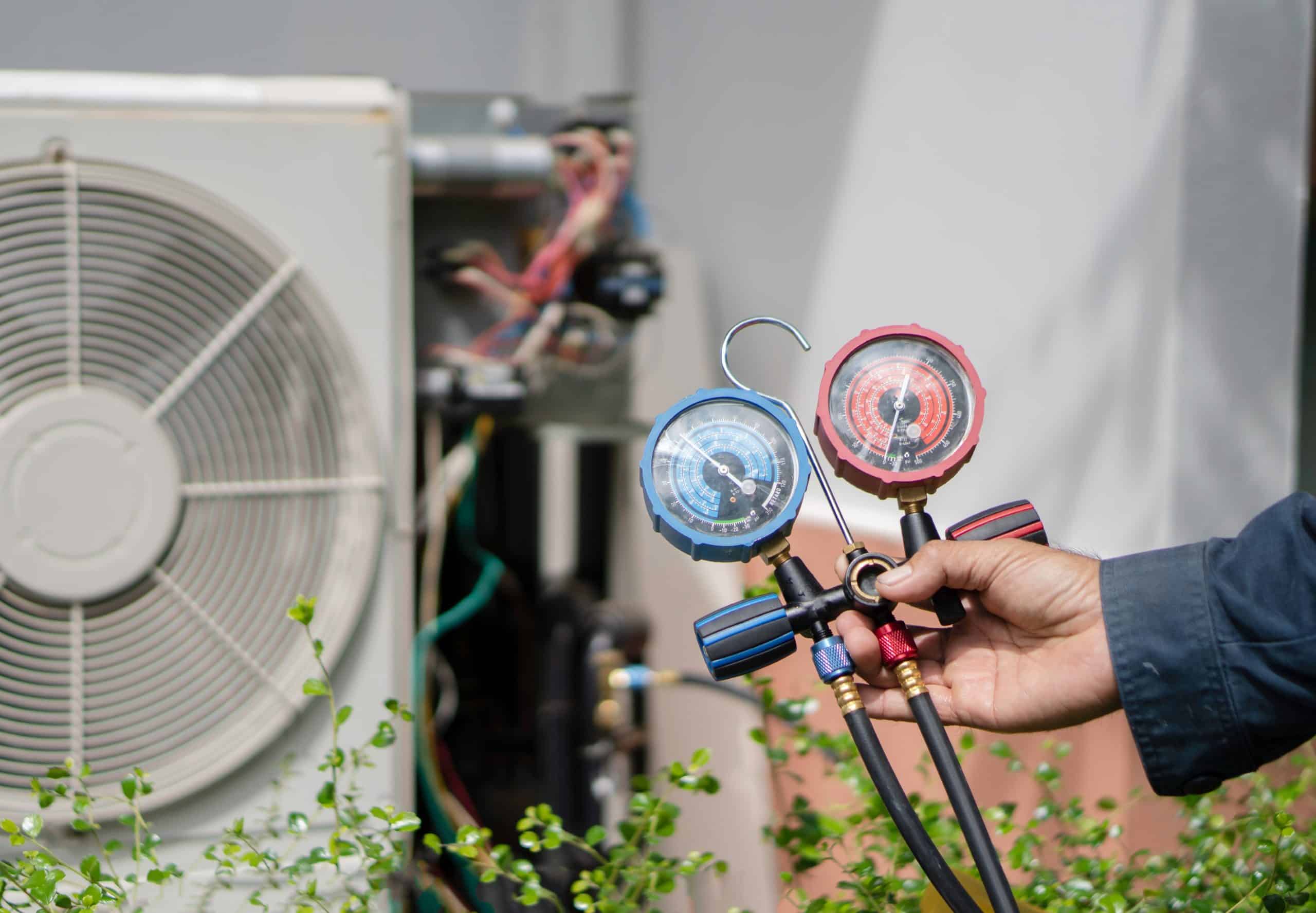
Your heating and cooling system can become mold’s most effective distribution network. When contaminated air enters your HVAC system, powerful circulation fans distribute spores throughout every connected room at a rate natural air movement could never achieve.
The problem compounds when moisture enters your ductwork through leaks or condensation. Pennsylvania’s temperature fluctuations create ideal conditions for condensation in ductwork, especially in older homes. Once moisture combines with organic dust in your ducts, mold can grow directly inside your air system.
Standard residential air filters provide minimal protection against mold spores. Most filters catch dust and larger particles but allow microscopic spores to pass through freely. This is why symptoms often worsen when heating or air conditioning runs frequently—your system is actively circulating contaminated air.
Professional mold remediation addresses this system-wide contamination. Proper treatment includes cleaning or replacing contaminated ductwork, upgrading filtration systems, and eliminating moisture sources. Many Pennsylvania homeowners discover that their persistent indoor air quality issues stem from contaminated HVAC systems rather than just surface mold growth.
Without addressing your air system’s role in spreading contamination, even thorough surface cleaning leaves your indoor air quality compromised. This is particularly important in areas like Bucks County, Montgomery County, Delaware County, and Chester County, where older homes and humid conditions create ongoing challenges.
Healthy indoor air requires treating the entire system, not just visible problem areas. We assess all contamination sources and create comprehensive solutions that actually work.
Want live answers?
Connect with a Mack's Mold Removal expert for fast, friendly support.
Health Risks of Mold-Contaminated Indoor Air
Mold-related health problems often develop gradually, making them easy to dismiss as seasonal allergies or stress. However, daily exposure to contaminated air creates cumulative health impacts that can become serious and persistent.
Respiratory symptoms typically appear first—persistent coughs, throat irritation, nasal congestion, and worsening asthma. But mold exposure also causes systemic symptoms that seem unrelated to air quality: chronic fatigue, headaches, difficulty concentrating, and mood changes.
The key is recognizing these patterns before they become severe health problems requiring expensive medical treatment.

Who Faces the Highest Risk From Poor Indoor Air Quality
While contaminated air affects everyone, certain family members face significantly higher risks. Children are particularly vulnerable because their developing respiratory systems process more air per pound of body weight than adults. They also spend more time indoors and closer to floor level where spores settle.
If your children have persistent coughs, frequent colds, or suddenly difficult-to-control asthma, contaminated indoor air could be the underlying cause. Many Pennsylvania families notice dramatic improvements in their children’s health after professional mold remediation addresses air quality issues.
Elderly family members face elevated risks due to potentially compromised immune systems and existing respiratory conditions. What causes minor irritation in healthy adults can trigger serious respiratory distress in seniors. If elderly relatives seem to feel worse during extended visits to your home, your indoor air quality deserves immediate investigation.
People with existing conditions like asthma, COPD, or autoimmune disorders experience more severe reactions to airborne contaminants. Their already sensitive systems react dramatically to toxins that might not affect healthy individuals. Many find that well-managed conditions suddenly become uncontrollable when mold affects their indoor air.
Individuals with compromised immune systems—whether from medical treatments, chronic illness, or recent health challenges—may experience prolonged, severe reactions to mold exposure. Their bodies struggle to process and eliminate airborne toxins, leading to symptoms that persist long after exposure.
Even healthy adults aren’t immune to severely contaminated air. Prolonged exposure can lead to sensitization, where your immune system becomes increasingly reactive over time. This means symptoms actually worsen with continued exposure, even if contamination levels remain constant.
Long-Term Consequences of Ignoring Air Quality Problems
The health effects of breathing contaminated air don’t disappear when you leave home temporarily. Prolonged exposure creates lasting impacts that persist even after contamination is resolved, making early intervention crucial for protecting your family’s long-term health.
Respiratory sensitization is particularly concerning. Repeated exposure to mold spores and toxins can make your airways hypersensitive to these substances permanently. People who develop this sensitivity react severely to mold levels that wouldn’t affect most people, making it difficult to live comfortably in older homes or humid environments like those common throughout Pennsylvania.
Chronic inflammation from long-term exposure affects multiple body systems. Your immune system’s constant response to airborne toxins creates system-wide inflammation linked to increased risks of cardiovascular disease, autoimmune disorders, and certain cancers. This chronic inflammatory state can persist for months or years after exposure ends.
Neurological effects are increasingly recognized by medical professionals. Some individuals develop persistent brain fog, memory problems, and concentration difficulties that significantly impact work performance and quality of life. These cognitive effects can last long after the mold problem is resolved if exposure was severe or prolonged.
Children face the most serious long-term risks. Early exposure to contaminated indoor air during critical developmental periods can permanently affect lung function and immune system development. Studies suggest childhood mold exposure increases lifelong risks of developing asthma and allergies.
The financial impact of these long-term health effects often exceeds the cost of professional remediation by thousands of dollars annually. Medical treatments, medications, and lost productivity create ongoing expenses that proper air quality management could prevent.
Professional mold testing services and comprehensive remediation cost a fraction of long-term medical expenses while providing lasting protection for your family’s health and your financial security.
Restoring Healthy Indoor Air Quality in Your Pennsylvania Home
Your family’s health depends on breathing clean air in your home every day. When mold compromises your indoor air quality, the effects extend far beyond surface damage to impact respiratory health, immune function, and overall well-being. Professional air quality testing provides clear answers about your home’s safety, while comprehensive remediation addresses both visible contamination and invisible airborne threats.
Early intervention protects your family’s health and prevents expensive long-term medical costs. The longer air quality issues persist, the more severe health impacts become and the more complex solutions grow.
If you’re experiencing persistent health symptoms or concerned about your indoor air quality, we provide comprehensive mold testing services and professional remediation throughout Bucks County, Montgomery County, Delaware County, and Chester County, PA.