
Hear from Our Customers

You stop worrying every time someone walks into your basement. The musty smell disappears—not just gets covered up with air freshener. Your kids’ allergies calm down because the air quality in your home actually improves.
You’re not dealing with the same problem six months later. The moisture source gets identified and handled, so mold doesn’t just grow back in a different spot. You get documentation that proves the job was done correctly, which matters if you ever sell or file an insurance claim.
Most importantly, you’re not left guessing whether it’s really gone. Air quality testing confirms what you can already feel—your home is safe again. That’s what complete mold remediation looks like, and it’s what you should expect from mold removal specialists who’ve been doing this work in Bucks County for over 15 years.
We’ve worked in Fountainville homes for more than 15 years. We’ve cleaned up after DIY attempts that spread spores into HVAC systems. We’ve fixed botched jobs from companies that scraped visible mold but ignored the moisture problem causing it.
Pennsylvania’s climate creates specific challenges—humid summers, wet springs, and older homes with basement moisture issues. We know which Fountainville properties flood during heavy rain and which neighborhoods have crawl space humidity problems. That local knowledge matters when you’re trying to prevent mold from returning.
We’re IICRC-certified, we use EPA-approved methods, and we live here. When you call, you’re talking to people who understand exactly what you’re dealing with because we’ve handled the same issues in hundreds of local homes.
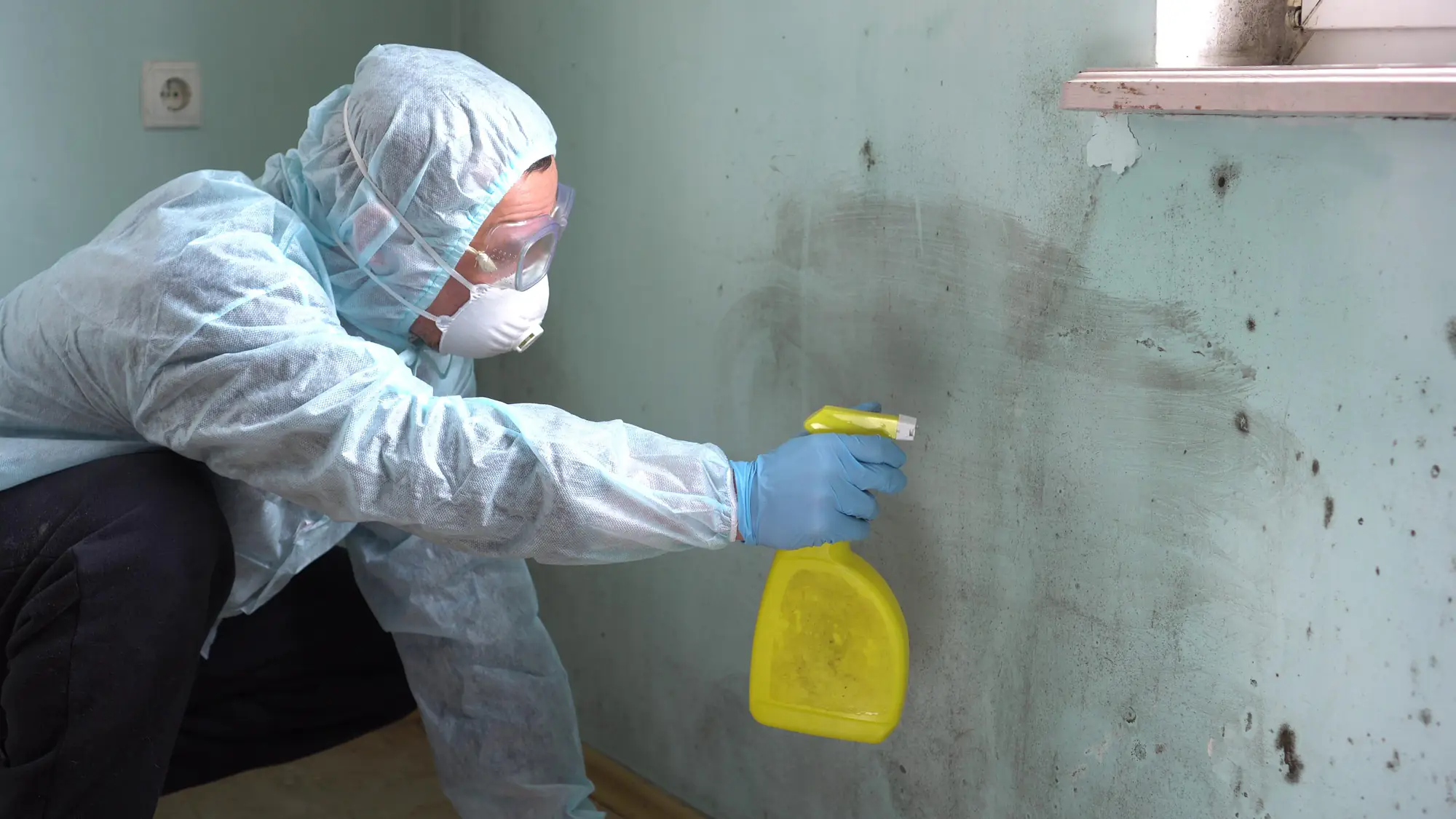
First, we inspect your property with moisture meters and thermal imaging cameras to find hidden mold growth. You’d be surprised how often the visible mold is just a small part of the problem. We’re looking behind walls, in crawl spaces, inside ductwork—anywhere moisture and darkness create ideal conditions.
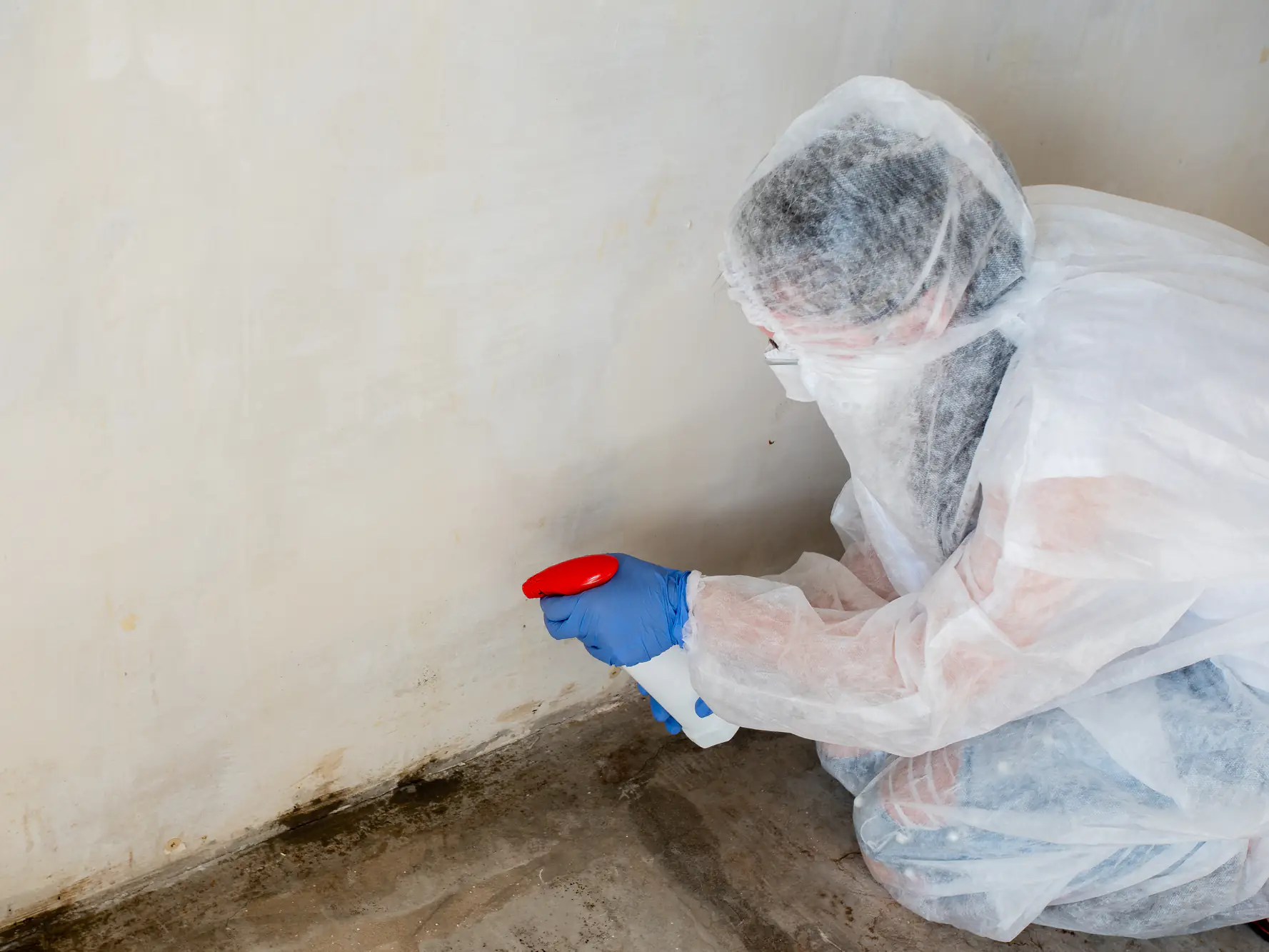
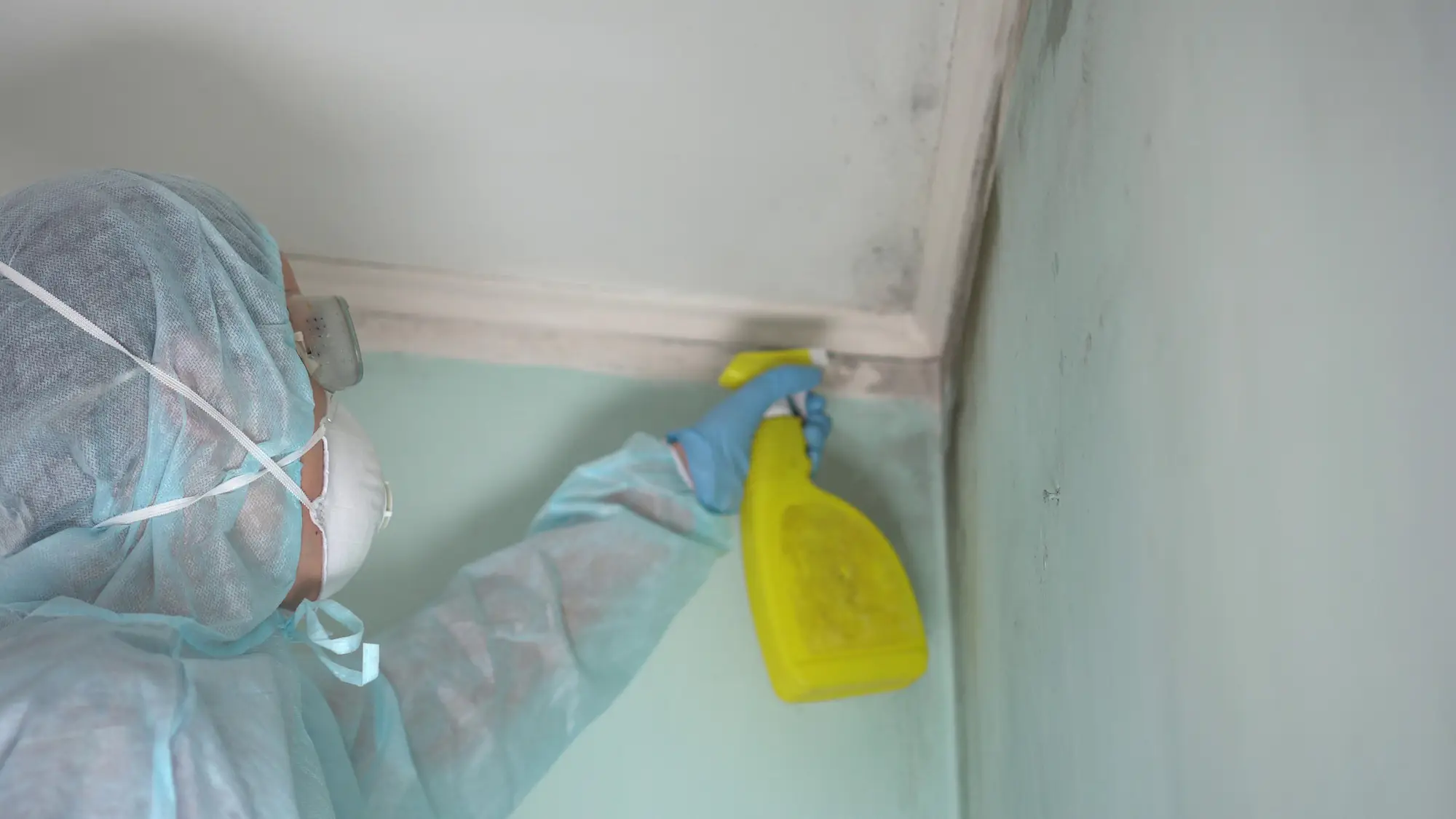
Once we know what we’re dealing with, we contain the affected area with physical barriers and negative air pressure. This prevents mold spores from spreading to clean areas during removal. Then we remove contaminated materials safely and clean all affected surfaces with HEPA vacuums and antimicrobial treatments.
But here’s the part that separates real mold remediation from surface cleaning: we identify and fix the moisture source. Whether it’s a roof leak, poor ventilation, or groundwater seeping into your basement, that problem has to be solved or the mold comes back. After everything’s dry and treated, we test your air quality to verify the job is complete. You get documentation showing your home is safe.
Ready to get started?
You get a thorough inspection with professional equipment—not just someone looking around with a flashlight. Moisture meters and thermal cameras find problems you can’t see. The inspection is free, and you’ll know exactly what you’re dealing with before any work starts.
The removal process includes proper containment, safe removal of contaminated materials, HEPA filtration, and antimicrobial treatment. We handle the entire affected area, not just the spots you can see. If your HVAC system is contaminated, we clean that too.
In Fountainville specifically, we deal with a lot of basement mold from groundwater issues and attic mold from roof leaks that went unnoticed. Pennsylvania’s humid summers create perfect conditions for growth, especially in older homes with poor ventilation. We address those moisture sources as part of the job—whether that means improving ventilation, fixing drainage problems, or recommending repairs to stop water intrusion.
You also get help with insurance paperwork if you’re filing a claim. And after the work is done, air quality testing confirms your home is safe. That documentation matters, especially if you’re planning to sell your property.

Most Fountainville homeowners spend between $500 and $6,000 depending on the size of the affected area and how far the mold has spread. A small bathroom mold problem might cost $500 to $1,500. Extensive basement mold that’s gotten into walls and HVAC systems can run $3,000 to $6,000 or more.
The price depends on square footage, the type of materials affected, and whether structural repairs are needed after removal. If mold has damaged drywall or insulation, those materials need to be removed and replaced. That adds to the cost but it’s necessary—you can’t just clean mold off of porous materials and call it done.
We offer free inspections so you know exactly what you’re dealing with before committing to anything. We’ll give you transparent pricing upfront, and we can work with your insurance company if the damage is covered. Most people find that professional removal costs less than they expected, especially compared to the health problems and property damage that happen when mold goes untreated.
If it’s a very small area—less than 10 square feet, on a non-porous surface like tile, and you know exactly what caused the moisture—you might be able to handle it yourself. But most mold problems in Fountainville homes don’t fit that description.
Here’s what usually happens with DIY mold removal: you clean what you can see, but you miss the hidden growth behind walls or in air ducts. Or you disturb the mold during cleaning and spread spores throughout your house, contaminating areas that were previously clean. Or you don’t fix the moisture problem, so the mold grows back within weeks.
The bigger issue is that you can’t verify the job is done correctly without air quality testing. You might think you’ve solved the problem, but mold spores are still circulating through your HVAC system. We see this constantly—homeowners who tried the DIY route first, made the problem worse, and ended up paying more to fix it than they would have spent hiring mold removal specialists from the start. If you’re dealing with black mold, a large area, or mold that keeps coming back, call professionals who have the right equipment and training.
A typical mold removal job in a Fountainville home takes anywhere from one to five days. Small, contained areas like a bathroom or closet might be done in a day or two. Larger projects involving basements, attics, or multiple rooms usually take three to five days.
The timeline depends on the size of the affected area, how much material needs to be removed, and how long it takes to dry everything out completely. Drying is critical—we can’t just clean the mold and leave. The area has to be completely dry or the problem returns immediately. In humid Pennsylvania summers, drying can take longer.
If structural repairs are needed after mold removal—like replacing drywall, insulation, or flooring—that adds time to the project. We handle those repairs as part of our service, so you’re not left with a torn-up room and a list of contractors to call. Most homeowners can stay in their house during the work as long as we’re able to contain the affected area properly. We’ll give you a realistic timeline during the inspection so you know what to expect.
Moisture is the only cause that matters. Mold spores are everywhere—in the air, on surfaces, floating around constantly. But they only become a problem when they land on a damp surface and start growing. In Fountainville specifically, we see mold growth from a few common sources.
Basement moisture is the big one. Older homes in this area often have foundation issues or poor drainage that allows groundwater to seep in. Even if you don’t see standing water, high humidity in your basement creates perfect conditions for mold. Roof leaks are another common culprit—sometimes small leaks go unnoticed for months while mold spreads through attic insulation and eventually into walls.
Poor ventilation causes problems too, especially in bathrooms and kitchens where moisture builds up from showers and cooking. Pennsylvania’s humid summers make this worse. And HVAC systems can spread mold throughout your entire house if condensation builds up in ductwork or if the system isn’t maintained properly. The key to preventing mold isn’t just cleaning it when you see it—it’s fixing the moisture problem that caused it in the first place. That’s what separates real mold remediation from temporary fixes.
It depends on what caused the mold. If mold growth resulted from a sudden, accidental event—like a burst pipe, roof damage from a storm, or a washing machine overflow—your homeowners insurance will likely cover the removal. But if the mold grew because of long-term neglect or maintenance issues, insurance typically won’t pay.
For example, if your roof has been leaking for months and you didn’t fix it, that’s considered a maintenance issue and probably isn’t covered. But if a tree branch damaged your roof during a storm last week and mold started growing from the water damage, that’s usually covered.
Every policy is different, so you need to check your specific coverage. Some policies have mold coverage limits—they might cover up to $10,000 in mold remediation even if the total damage is higher. We help Fountainville homeowners with insurance paperwork and documentation all the time. We’ll provide detailed reports, photos, and air quality test results that support your claim. If you’re not sure whether your situation is covered, call your insurance company before starting the work. And call us for a free inspection so you know the full scope of the damage.
The most obvious sign is visible mold growth—black, green, or white patches on walls, ceilings, or other surfaces. But you don’t always see it before it becomes a serious problem. A persistent musty smell is often the first clue, especially in basements, bathrooms, or closets. If you smell mold but can’t find the source, it’s probably hidden behind walls or in your HVAC system.
Health symptoms are another indicator. If people in your house are experiencing unexplained allergies, respiratory issues, or sinus problems that improve when they leave the house, mold exposure could be the cause. Water damage or flooding—even if it happened months ago—creates conditions for mold growth. If you’ve had any leaks, floods, or moisture problems and didn’t have professional remediation done, there’s a good chance mold is growing somewhere.
In Fountainville homes, we often find mold in basements with humidity issues, attics with roof leaks, and bathrooms with poor ventilation. If you’re seeing condensation on windows, peeling paint, or warped walls, those are signs of moisture problems that lead to mold. The best way to know for sure is to get a professional inspection. We use moisture meters and thermal imaging to find hidden mold growth that you’d never spot on your own. The inspection is free, and you’ll know exactly what you’re dealing with.
Other Services we provide in Fountainville