
Hear from Our Customers
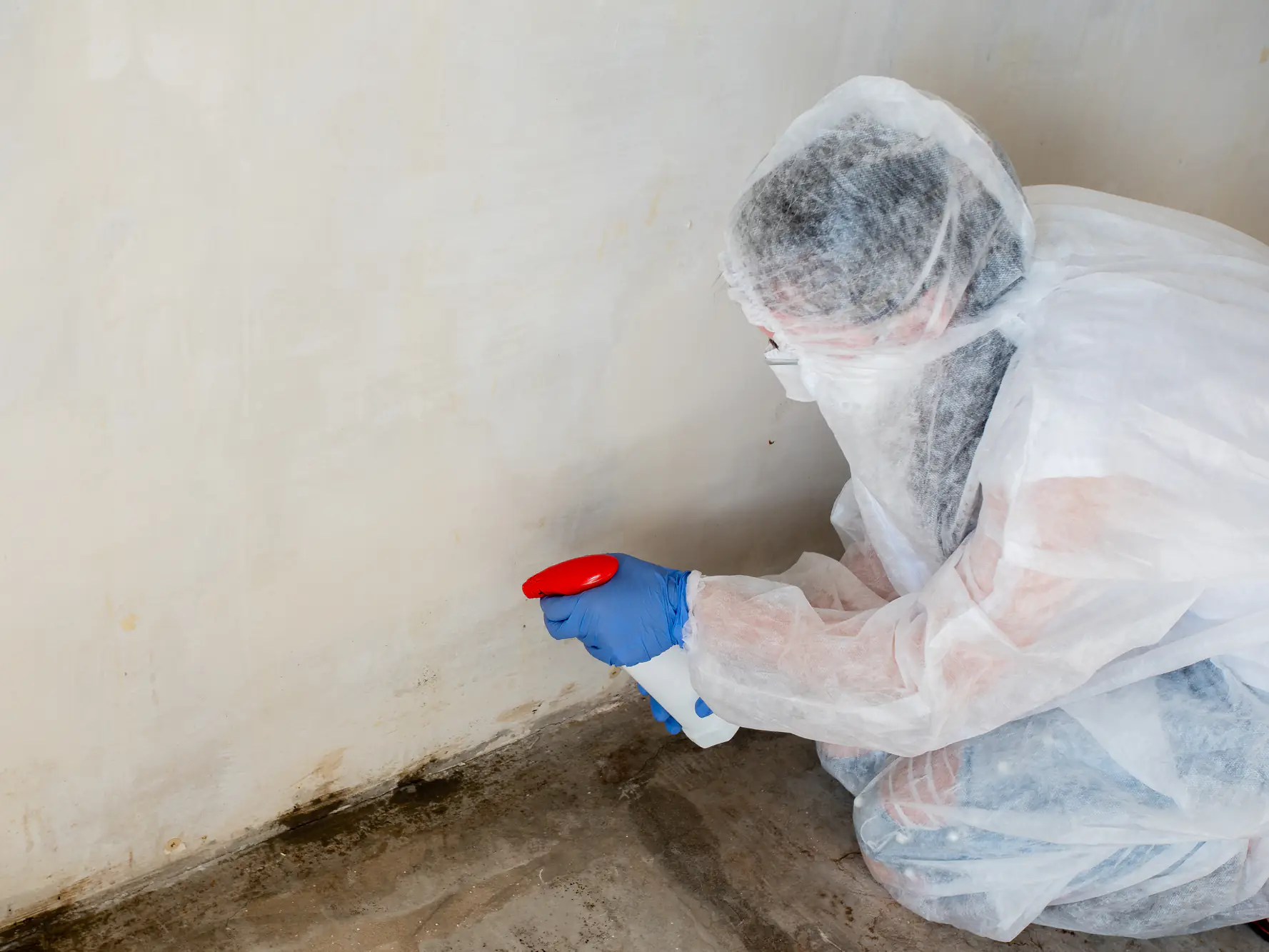
You stop worrying every time someone in your house coughs or sneezes. The musty smell in your basement finally disappears. Your kids’ allergy symptoms calm down, and you’re not reaching for inhalers as often.
That’s what happens when mold removal is done right. Not just scrubbed off the surface where you can see it, but tracked down to the source, removed with proper containment, and prevented from growing back.
You get documentation for your insurance company if you need it. You get clear air quality results that prove the job is complete. And you get your home back without wondering if the problem is still hiding somewhere behind the walls.
Most importantly, you stop second-guessing whether your home is making your family sick. That peace of mind is what real mold remediation should give you.
We’ve been helping families in Hilltop and throughout Bucks County deal with mold problems that come from living in this climate. Humid summers, old basements, poor ventilation—we’ve seen it all, and we know exactly where mold hides in homes like yours.
We’re not a national franchise following a script. We’re local mold removal specialists who understand how Pennsylvania weather creates the perfect conditions for mold growth, especially in older homes that weren’t built with modern moisture control.
Every inspection is free, every estimate is transparent, and every job is done with EPA-approved methods. We use the same equipment and techniques whether it’s a small bathroom issue or a full basement remediation, because cutting corners is how mold comes back.
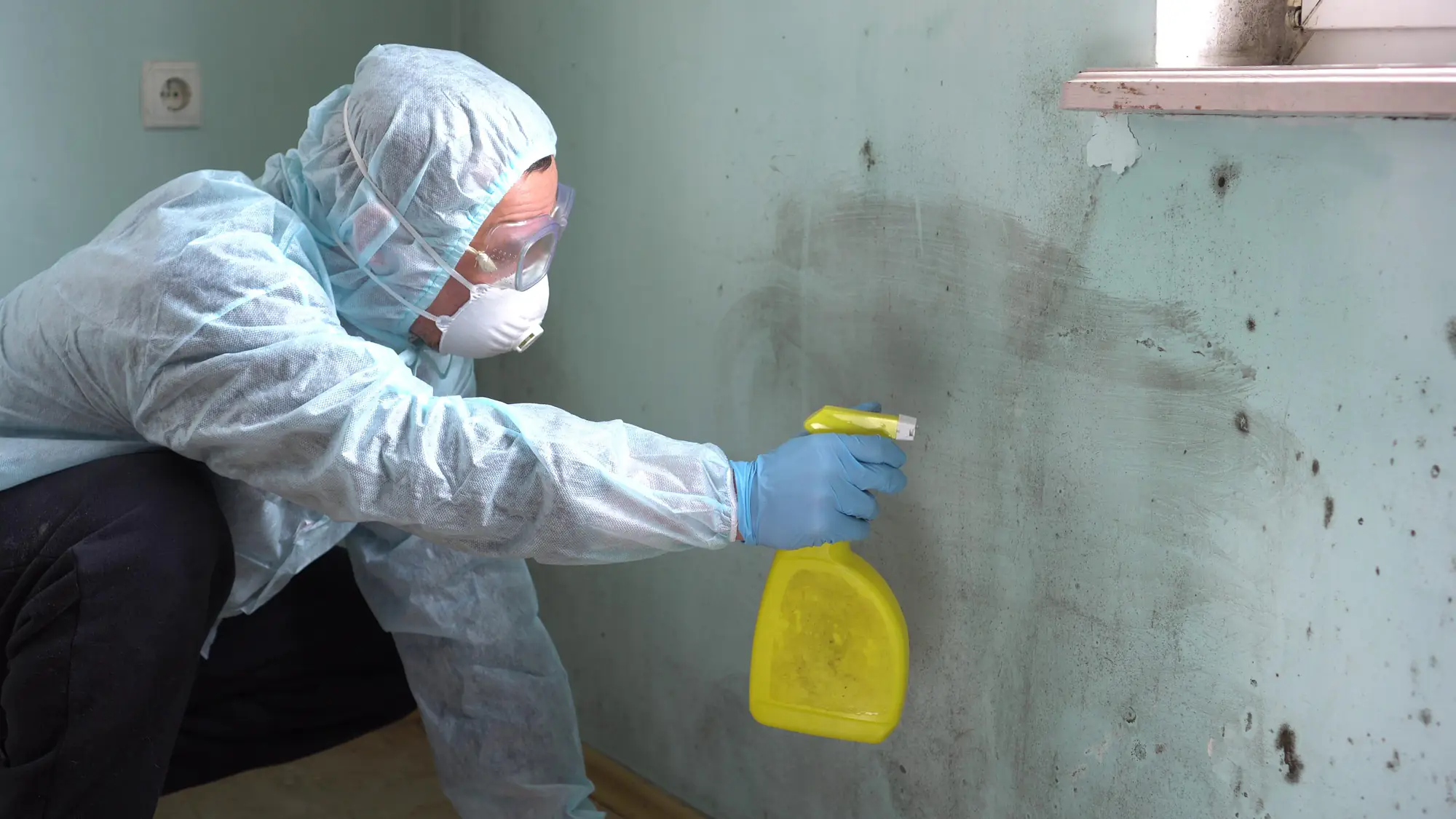
First, we inspect your property with moisture meters and infrared cameras to find all the mold—not just what’s visible. We’re looking behind walls, under floors, in crawl spaces, anywhere moisture could be feeding hidden growth.
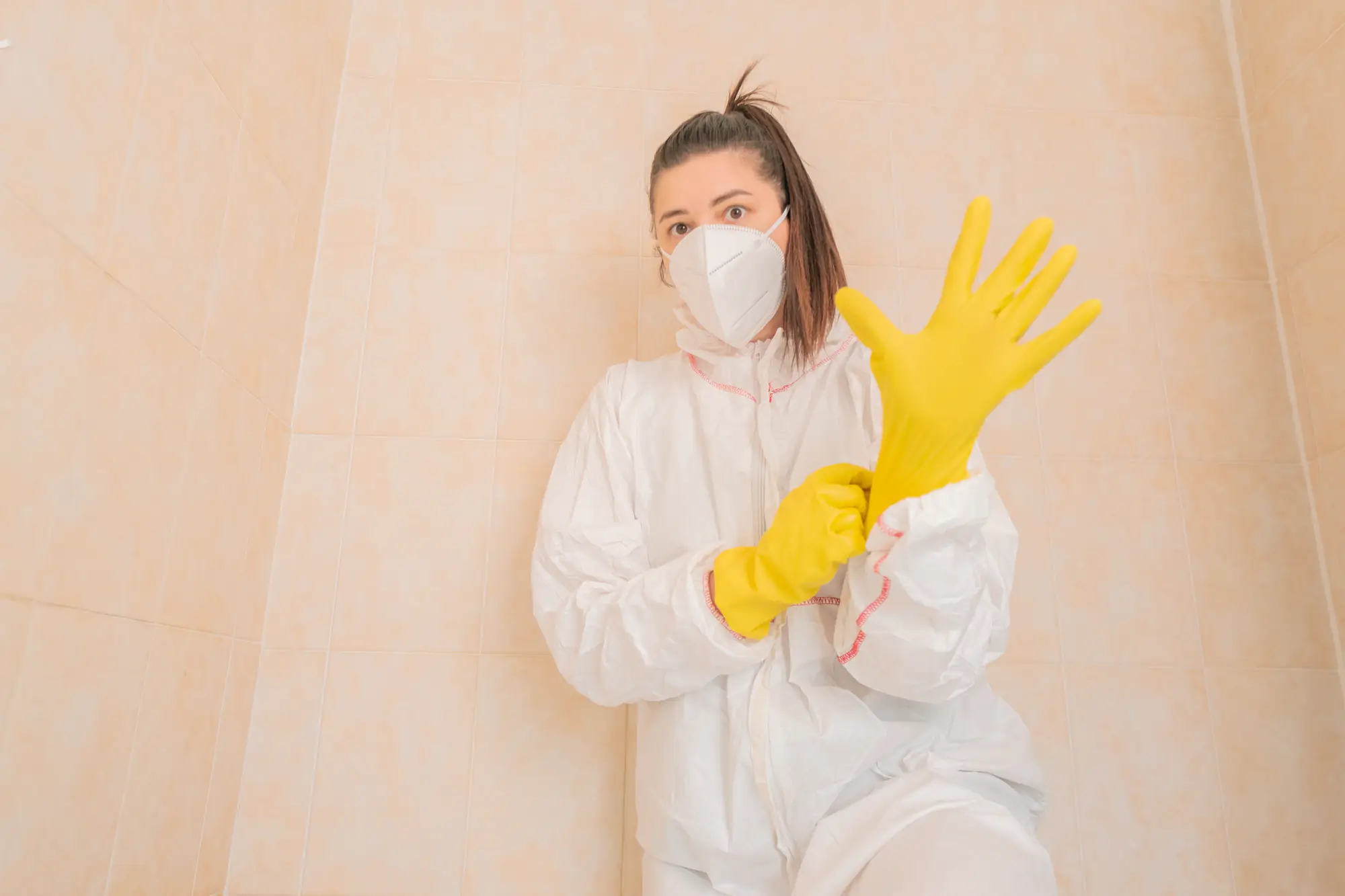
Once we map out the problem, we seal off the affected area with physical barriers and negative air pressure systems. This containment step is critical because it prevents mold spores from spreading to clean areas of your home while we work.
Then we remove the mold using HEPA vacuums and air scrubbers that capture microscopic spores from the air. Any materials that are too contaminated to clean—like drywall or insulation—get removed and disposed of properly. We don’t just clean the surface and hope for the best.
After removal, we address the moisture source. Whether it’s a foundation crack, poor drainage, or ventilation issues, we identify what caused the mold so you’re not dealing with the same problem six months from now. Finally, we conduct post-remediation testing to verify the mold is completely gone and your air quality is safe again.
Ready to get started?
You get a thorough inspection at no cost, using professional equipment that finds mold you’d never see on your own. We check basements, attics, crawl spaces, bathrooms—anywhere moisture accumulates in Hilltop homes.
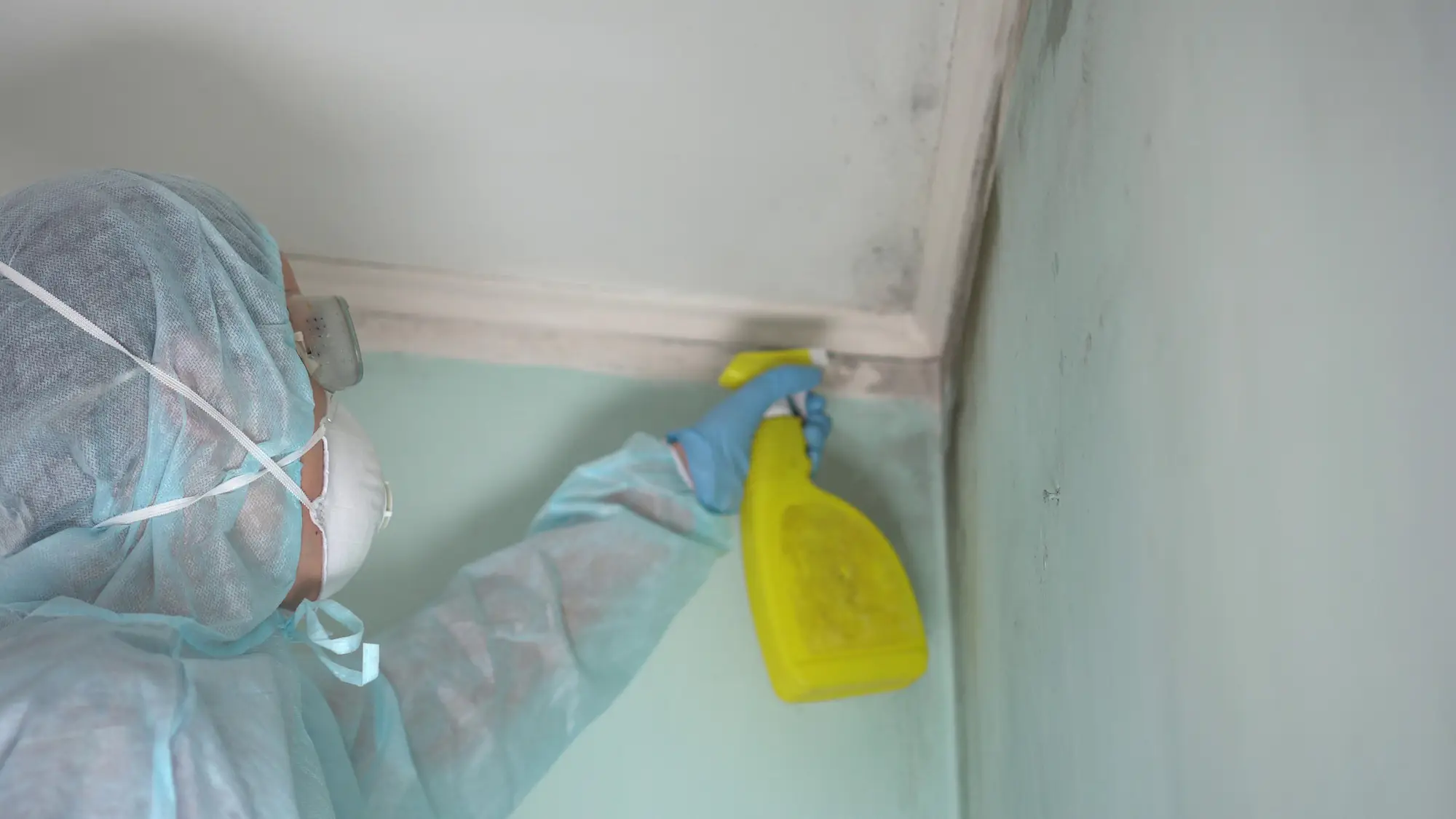
The remediation itself includes full containment setup, HEPA filtration, safe removal of contaminated materials, and treatment of affected surfaces. We handle everything from small black mold spots in your bathroom to extensive basement mold that’s been growing for months.
You also get help with insurance claims if your policy covers mold damage. We document everything, work directly with your insurance company, and provide the detailed reports they need to process your claim. Most homeowners don’t realize their policy might cover sudden mold from water damage, and we make sure you’re not leaving money on the table.
After the work is done, you receive post-remediation testing results and a detailed report showing your home is safe. We also give you specific recommendations for preventing future mold growth, because the best mold remediation company doesn’t just fix the current problem—we help you avoid the next one.

If the mold covers more than about 10 square feet, or if it’s caused by contaminated water like sewage, you need professional help. The EPA recommends calling mold removal specialists for anything larger than a small patch, and there’s a good reason for that.
DIY mold removal usually makes things worse. You disturb the mold without proper containment, sending thousands of spores into your air that settle in new areas. You clean what you can see but miss the growth behind walls or under flooring. And you don’t address the moisture source, so the mold comes back within weeks.
We use containment barriers, negative air pressure, and HEPA filtration to prevent spread during removal. We have moisture meters and thermal cameras to find hidden growth. And we fix the underlying problem—whether it’s a leak, condensation issue, or ventilation failure—so you’re not just treating symptoms. If you’re dealing with black mold, respiratory symptoms in your family, or mold that keeps returning after you’ve cleaned it, that’s your sign to call someone who does this for a living.
It depends on what caused the mold. Most Pennsylvania homeowners policies cover mold if it resulted from a “covered peril”—like a burst pipe, roof leak from storm damage, or appliance malfunction. They typically don’t cover mold from long-term neglect, humidity, or maintenance issues you should have addressed.
The tricky part is that standard policies usually cap mold coverage between $1,000 and $10,000, which might not cover extensive remediation. Some insurers in Bucks County have started excluding mold entirely unless you purchase additional coverage, so you need to check your specific policy.
Here’s what helps: professional documentation from the start. When we inspect your property, we document the mold extent, the moisture source, and the timeline. This documentation is critical for your claim because insurance companies want proof the damage was sudden and accidental, not gradual. We work directly with insurance adjusters, provide detailed estimates, and help you navigate the claims process. Even if your policy doesn’t cover everything, having us on your side can significantly reduce your out-of-pocket costs.
A typical residential mold removal job in Hilltop takes anywhere from one to five days, depending on the extent of contamination and how much material needs to be removed. A small bathroom mold problem might be done in a day. A full basement with mold behind drywall and in floor joists could take a week.
The inspection and testing happen first—usually within 24 hours of your call if it’s urgent. Once we know what we’re dealing with, we give you a timeline before any work starts. The actual remediation includes setup time for containment barriers, the removal process itself, cleaning and treatment of affected areas, and post-remediation testing to verify everything is clear.
You can usually stay in your home during the work as long as the affected area is properly contained. We seal it off from the rest of your house with plastic barriers and negative air machines that prevent spores from spreading. If the contamination is severe or affects your HVAC system, we might recommend staying elsewhere for a few days. We’re upfront about that during the inspection because nobody wants surprises once the work begins.
Mold comes back because the moisture source wasn’t fixed. You can scrub every visible spot of mold off your basement walls, but if water is still seeping through your foundation or condensation is still forming on cold pipes, you’re just buying yourself a few weeks before it grows back.
Pennsylvania’s climate makes this worse. Humid summers, temperature swings, and older homes with poor ventilation create perfect conditions for mold growth. In Hilltop and throughout Bucks County, we see the same patterns: basement mold from foundation issues, attic mold from ventilation problems, and bathroom mold from exhaust fans that don’t actually vent outside.
The difference between mold removal that lasts and mold that returns in a month is whether we identified and fixed the root cause. That means finding the leak, improving drainage, adding ventilation, or fixing whatever is introducing moisture. It also means removing contaminated materials instead of just cleaning them—drywall and insulation that’s been soaked can’t be saved. When a mold remediation company tells you they’ll “just clean it,” that’s your red flag. We address why the mold grew in the first place, not just where it’s growing right now.
Black mold—usually Stachybotrys chartarum—can cause serious health problems, especially for people with asthma, allergies, or compromised immune systems. But here’s what the research actually shows: all mold in your home is a problem, regardless of color.
The CDC and EPA are clear that mold exposure causes respiratory issues, allergic reactions, and asthma attacks. Some people get stuffy noses and coughing. Others develop skin rashes or burning eyes. Kids and elderly family members are typically hit hardest. Black mold gets more attention because it produces mycotoxins that can cause more severe reactions, but you shouldn’t ignore any mold growth just because it’s not black.
What matters more than the species is the amount of mold and how long you’ve been exposed. A small patch of black mold in your shower is less concerning than extensive hidden mold behind your basement walls that’s been growing for months. Both need professional removal, but the hidden growth is affecting your air quality every day without you realizing it. If anyone in your home has unexplained respiratory symptoms, allergies that won’t go away, or frequent headaches, get a professional mold inspection. The color of the mold matters less than getting it out of your house before it makes someone seriously ill.
Look for mold experts who use EPA-approved methods and can prove it. Ask about their containment procedures, air filtration equipment, and whether they conduct post-remediation testing. If they can’t explain their process in detail or they skip steps like containment, keep looking.
Make sure they address the moisture source, not just remove visible mold. Any legitimate mold removal specialist will tell you that fixing the underlying problem is half the job. If someone quotes you for mold removal without identifying why you have mold in the first place, they’re setting you up for a recurring problem.
Check whether they offer free inspections and transparent pricing. You shouldn’t have to pay to find out how bad your mold problem is or what it’ll cost to fix. Also ask about insurance claim assistance—if they’ve worked with homeowners insurance before, they’ll know how to document everything properly and communicate with adjusters. Finally, look for local companies that understand your area’s specific challenges. Mold issues in Bucks County homes are different from mold in Arizona or Florida, and you want someone who knows how Pennsylvania’s climate and older housing stock create the conditions for mold growth.
Other Services we provide in Hilltop