
Hear from Our Customers
You notice the difference immediately. The musty smell is gone. The air feels cleaner when you walk through your basement or bathroom. Your kids aren’t sneezing as much.
But what matters more is what you don’t see. The mold isn’t just covered up or wiped away. It’s been removed from the source—inside walls, under flooring, anywhere moisture created a breeding ground. The leak or humidity problem that caused it has been identified and addressed.
You’re not wondering if it’ll come back next season. You’re not second-guessing whether your family is safe. The problem is solved, documented, and behind you. If you’re filing an insurance claim, you’ve got the paperwork and photos you need. If you’re selling your home, you can disclose the issue honestly—and show it was handled by professionals using EPA-approved methods.
That’s the outcome. Not just mold removal. Peace of mind.
We work with homeowners across Highton and Bucks County who are dealing with water damage, visible mold growth, or air quality concerns they can’t ignore anymore. We’re certified mold remediation professionals who understand how Pennsylvania’s climate—heavy summer humidity, frequent rain, temperature swings—creates perfect conditions for mold to take hold fast.
We’ve seen it all. Basements that flood every spring. Bathrooms with hidden leaks behind tile. Attics with condensation problems no one noticed until the smell started. We know what causes mold here, and we know how to fix it for good.
You’ll work with trained technicians who show up on time, explain what they’re doing, and treat your home with respect. No runaround. No upselling. Just honest work that gets your home safe again.
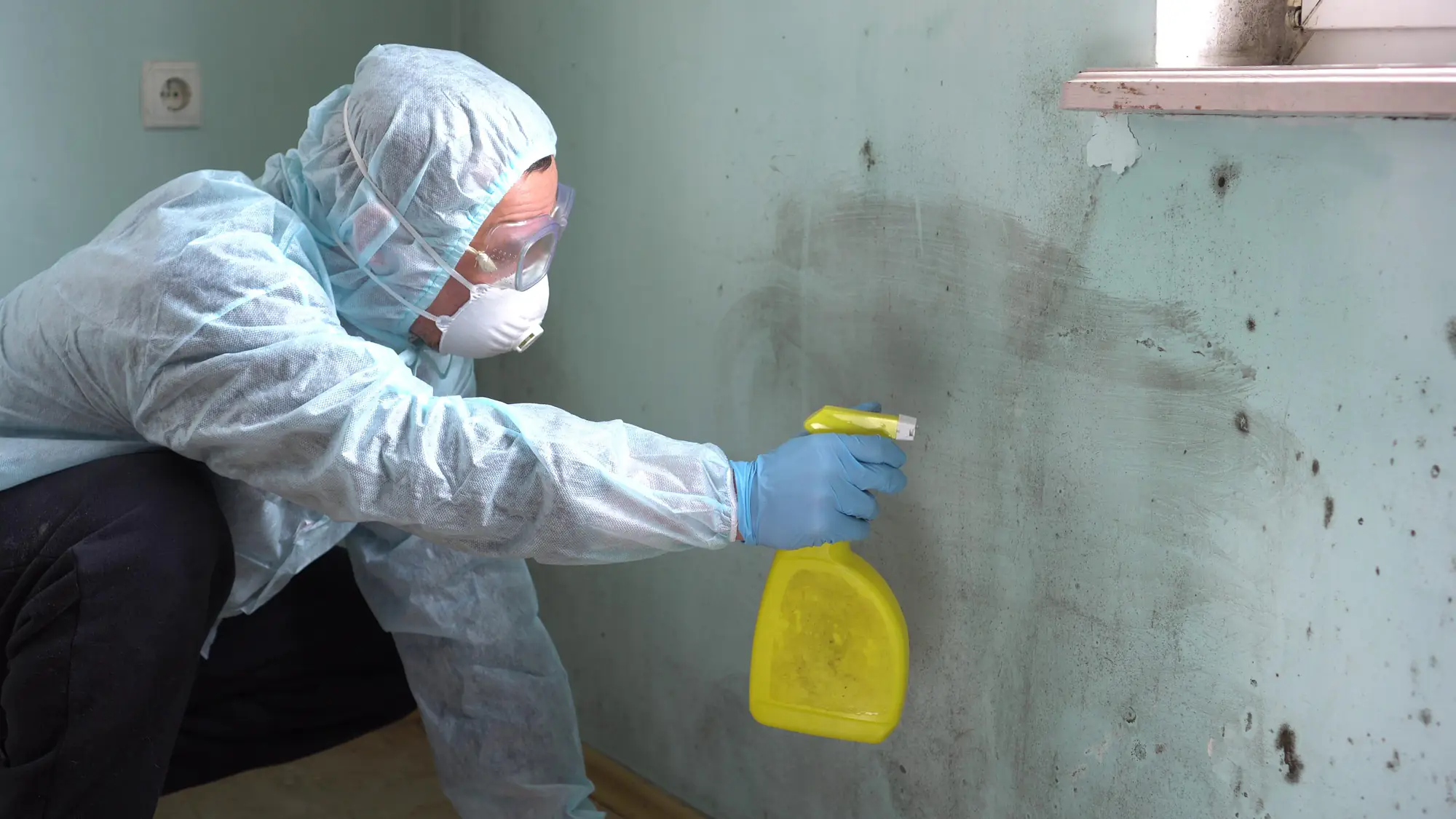
First, we come out and do a free inspection. We’re looking at the visible mold, but also checking areas you can’t see—wall cavities, crawl spaces, behind appliances. We use moisture meters and thermal imaging to find where water is hiding. You’ll get a clear explanation of what we found and what needs to happen next.
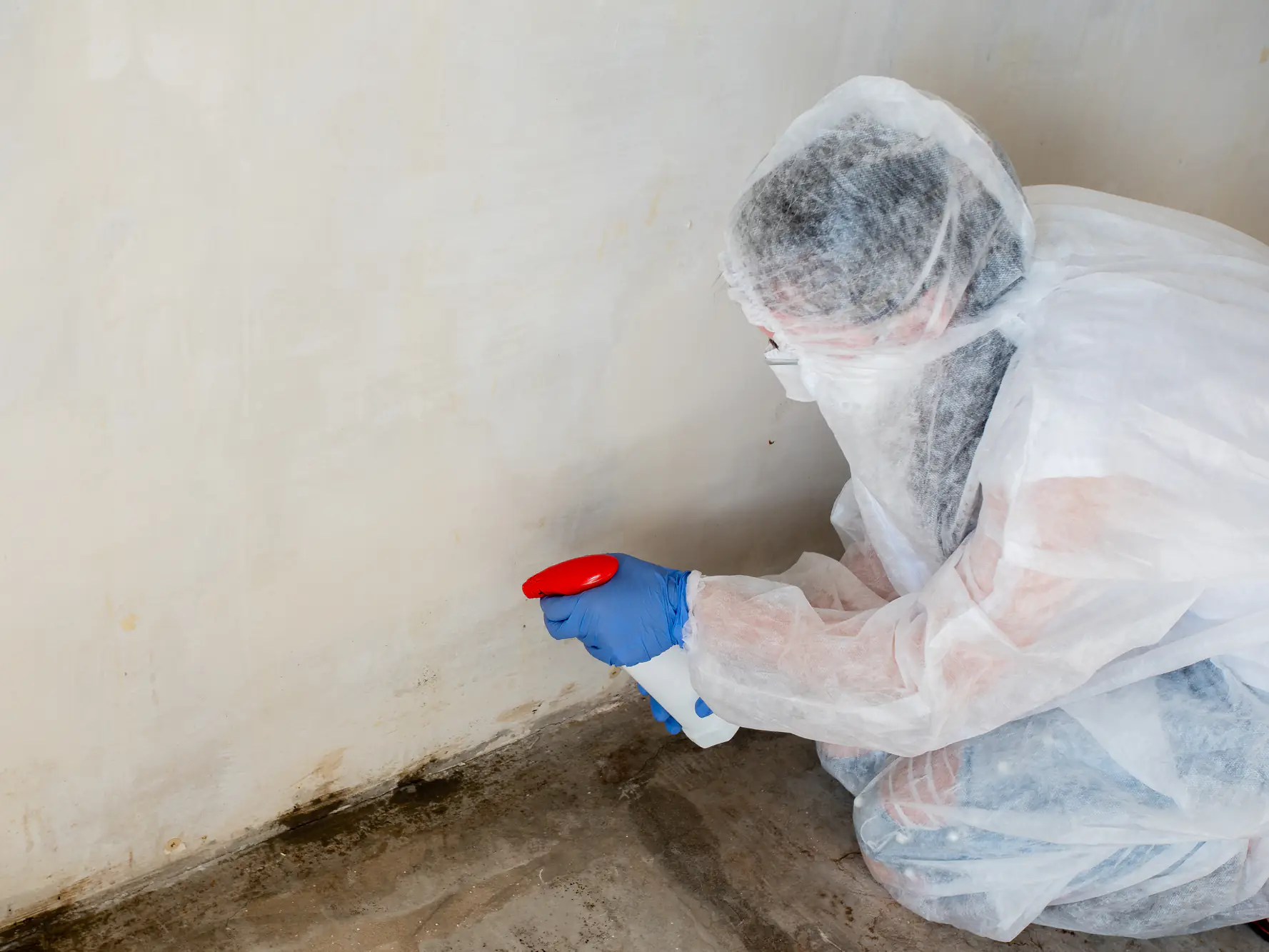
Once you approve the plan, we contain the area to prevent mold spores from spreading during removal. Then we remove contaminated materials—drywall, insulation, flooring, whatever can’t be salvaged. Everything gets bagged and disposed of properly. We don’t just clean the surface. If the mold is in the material, the material comes out.
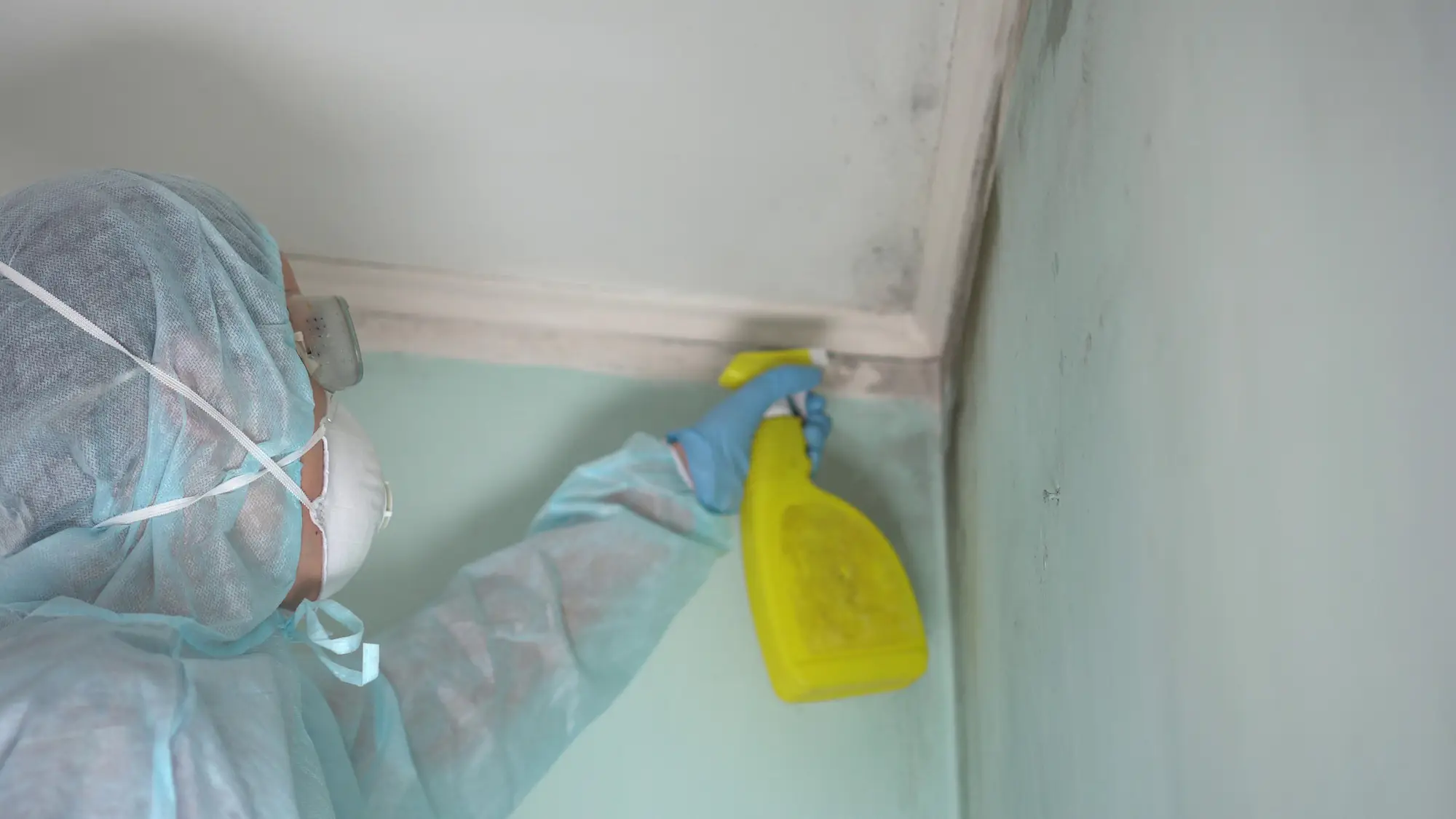
Next, we treat affected areas with EPA-approved antimicrobial solutions and run air scrubbers to remove airborne spores. We also identify and fix the moisture source—whether that’s a leaky pipe, poor ventilation, or a drainage issue. If we don’t fix what caused it, you’ll be calling someone again in six months.
Finally, we verify the air quality, document everything, and help you with insurance paperwork if needed. If repairs are required, we handle that too. You’re not coordinating three different contractors. It’s all done.
Ready to get started?
You’re getting a full-property inspection at no cost. We check your entire home, not just the spot where you saw mold. That includes hidden areas where mold grows unnoticed for months.
You’re getting containment and safe removal using methods that meet EPA and Pennsylvania regulations. We’re not spraying bleach and calling it done. Contaminated materials are removed, disposed of properly, and replaced if needed. Air scrubbing and antimicrobial treatment ensure spores are eliminated from your indoor air.
You’re also getting the fix. We locate the moisture problem—leaky basement, roof issue, plumbing failure, condensation from poor ventilation—and address it. That’s what separates mold remediation from mold removal. One solves the problem. The other just delays it.
In Bucks County, we see a lot of basement mold from groundwater seepage and bathroom mold from exhaust fans that don’t actually vent outside. We see attic mold from ice dams in winter. These aren’t random occurrences. They’re predictable based on how homes here are built and how our weather behaves. Knowing that helps us fix it right the first time.
If you’re working with insurance, we’ll document everything and communicate directly with your adjuster. If you need financing, we offer payment plans. The goal is to remove the barriers between you and a safe home.

Mold spores start germinating within 24 to 48 hours after materials get wet. That’s your window to dry things out before mold takes hold. Once that window closes, you’re not preventing mold anymore—you’re dealing with active growth.
In Highton’s summer heat and humidity, that window shrinks even more. A small leak or a flooded basement can turn into a contamination problem in less than a day if conditions are right. The moisture doesn’t even need to be visible. It can be trapped inside a wall cavity or under flooring, growing out of sight until you smell it or see discoloration.
If you’ve had any water intrusion—storm damage, burst pipe, appliance leak, even persistent condensation—get it inspected fast. Waiting to see if mold appears means you’ve already lost time. By the time it’s visible, it’s established.
Mold removal means cleaning or wiping away visible mold. Mold remediation means removing the contaminated materials, treating the area, and fixing the moisture problem that caused it. One is a temporary fix. The other is a solution.
You can remove mold from a surface with the right cleaner. But if that surface is porous—like drywall, insulation, or wood—the mold has already penetrated the material. Cleaning the surface doesn’t remove what’s inside. That’s why remediation often involves cutting out and replacing contaminated materials, not just scrubbing them.
Remediation also addresses the source. If your bathroom has mold because the exhaust fan vents into the attic instead of outside, removing the mold won’t stop it from coming back. You need to fix the ventilation. Same with basement mold caused by foundation cracks or poor drainage. Remediation solves the whole problem, not just the symptom.
It depends on what caused the mold. If mold resulted from a sudden, accidental event—like a burst pipe or storm damage—most homeowners policies will cover remediation. If it resulted from long-term neglect or lack of maintenance, they typically won’t.
Insurance companies want to see that you acted quickly after the water damage occurred. If you had a leak for six months and didn’t fix it, that’s a maintenance issue. If a pipe burst last week and you called for help right away, that’s usually covered.
You’ll need documentation. That means photos of the damage, a detailed scope of work from a licensed mold remediation company, and proof that the moisture source has been repaired. We help with that process. We’ll communicate with your adjuster, provide the necessary reports, and make sure you have what you need to file your claim. Just don’t wait. The longer mold sits, the harder it is to argue the damage was sudden.
If it’s a very small area—less than 10 square feet—and it’s on a non-porous surface like tile or glass, you can clean it yourself with the right products and precautions. Anything larger, anything inside walls or flooring, or anything involving black mold should be handled by professionals.
Here’s why. Disturbing mold releases spores into the air. Without proper containment, you’re spreading contamination to other parts of your home. Without respiratory protection, you’re breathing those spores in. And if you don’t remove the material that’s contaminated—just clean the surface—you’re leaving mold behind to keep growing.
Most DIY mold removal ends up costing more in the long run. You spend money on products and equipment, the mold comes back, and now you’re calling a professional anyway—except the problem is worse. If you’re dealing with mold in your basement, crawl space, attic, or inside walls, it’s worth getting it done right the first time. The health risks and the potential for recurring growth aren’t worth the savings.
Smell is usually the first clue. Mold has a distinct musty, earthy odor that doesn’t go away with normal cleaning. If you notice that smell in your basement, bathroom, or any room with poor ventilation, there’s likely mold growing somewhere.
Health symptoms are another indicator. If you or your family members are experiencing unexplained allergy symptoms—sneezing, coughing, watery eyes, headaches—especially when you’re at home, mold exposure could be the cause. People with asthma or mold sensitivities will notice symptoms worsening in areas where mold is present.
You might also notice discoloration on walls or ceilings, peeling paint, or warping in wood or drywall. These are signs of moisture problems, which almost always lead to mold. If you’ve had any water damage in the past—even if it was dried out—it’s worth getting an inspection. Mold can grow inside walls, under flooring, and in HVAC systems where you’ll never see it without the right equipment.
Don’t touch it or try to clean it right away, especially if it’s a large area. Disturbing mold releases spores into the air, which can spread contamination and increase your exposure. Keep kids and pets away from the area.
If possible, isolate the space. Close doors, turn off any fans or HVAC systems that could circulate air from that room to the rest of your home. If the mold is in your basement, don’t run the furnace or air conditioning until the area has been inspected—you could be pushing spores through your ductwork into every room.
Call a professional mold remediation company for an inspection. The longer mold sits, the more it spreads and the more damage it causes. A free inspection will tell you how bad it is, what needs to be removed, and what’s causing the moisture. From there, you can make an informed decision about next steps. If you’re planning to file an insurance claim, document everything with photos before any work begins.
Other Services we provide in Highton