
Hear from Our Customers
You stop wondering if that musty smell is dangerous. You stop worrying about what’s growing behind your walls. Your family breathes easier because the air quality in your home actually improves.
When mold gets removed the right way, it doesn’t come back next season. The source gets identified and fixed, not just covered up. You’re not dealing with surface cleaning or temporary solutions that fail in six months.
Here’s what changes: no more respiratory issues that flare up at home, no more anxiety about hidden health risks, and no more watching your property value drop because of something you can’t see. You get documentation that proves the work was done to EPA standards, which matters when you’re selling or filing an insurance claim.
The difference between a proper remediation and a quick cleanup is whether you’re solving the problem or just postponing it. Most homeowners in Bucks County deal with mold because of our humid summers and basement moisture issues. If the root cause isn’t addressed, you’re just buying time.
We work throughout Edison and Bucks County because we understand how mold behaves in Pennsylvania homes. Our climate creates the perfect conditions: humid summers, older homes with foundation issues, and basements that trap moisture.
We’re certified mold remediation professionals who use EPA-approved methods and equipment that actually works. That means thermal imaging to find hidden moisture, lab testing to identify what you’re dealing with, and containment systems that prevent spread during removal.
You’re not getting a crew that learned mold removal from YouTube. You’re getting technicians trained in proper remediation protocols, and we work directly with insurance companies so you’re not navigating claims alone. We’ve seen what happens when mold gets ignored in this area, and we’ve seen what proper removal looks like years later.
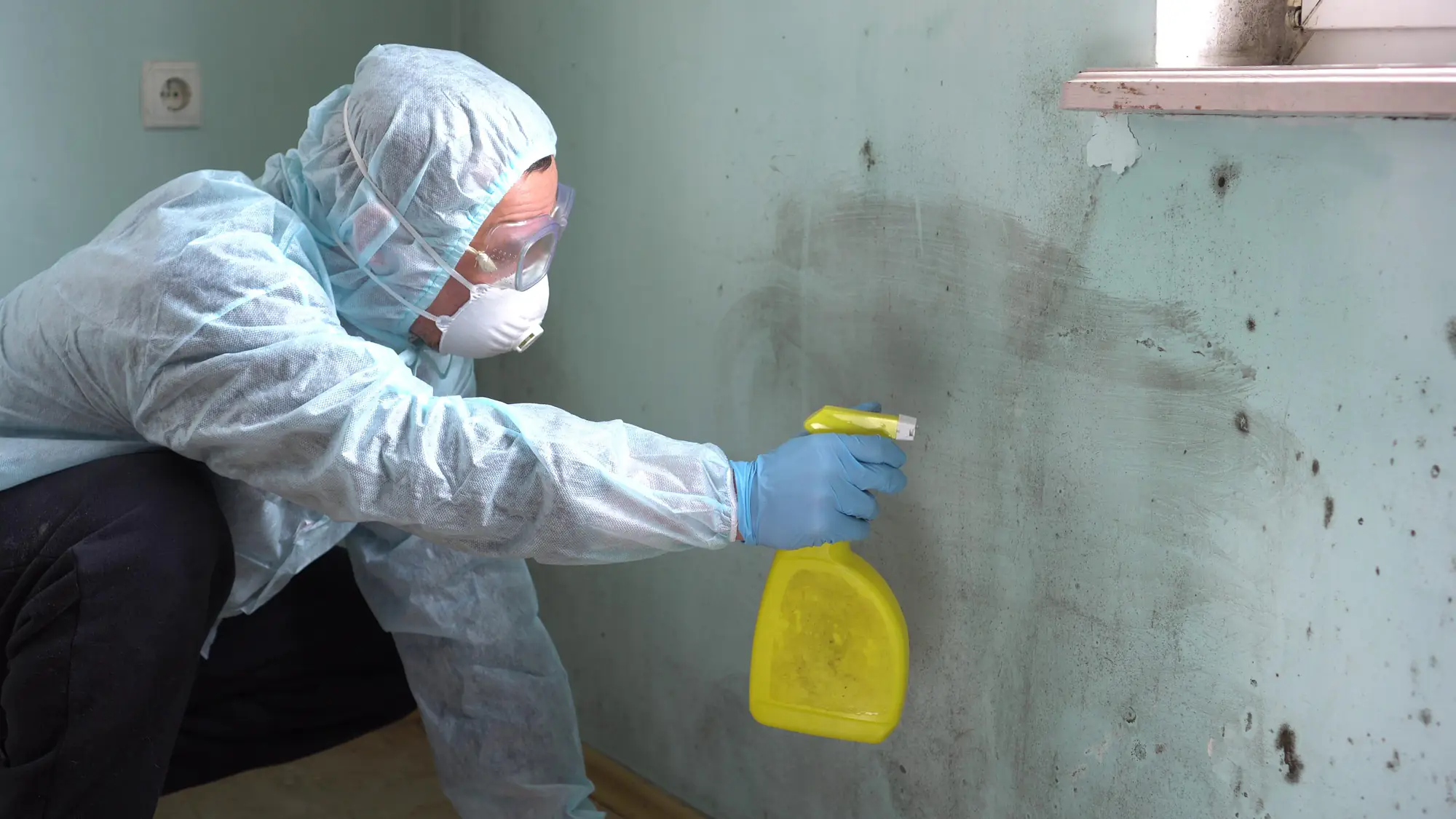
First, we inspect your property for free. We’re not just looking at visible mold; we’re using moisture meters and thermal imaging to find where water is hiding. That’s where future mold lives.
We take samples and send them to a lab. You need to know what type of mold you’re dealing with because removal strategies differ. Black mold requires different handling than surface mildew, and guessing costs you money and safety.
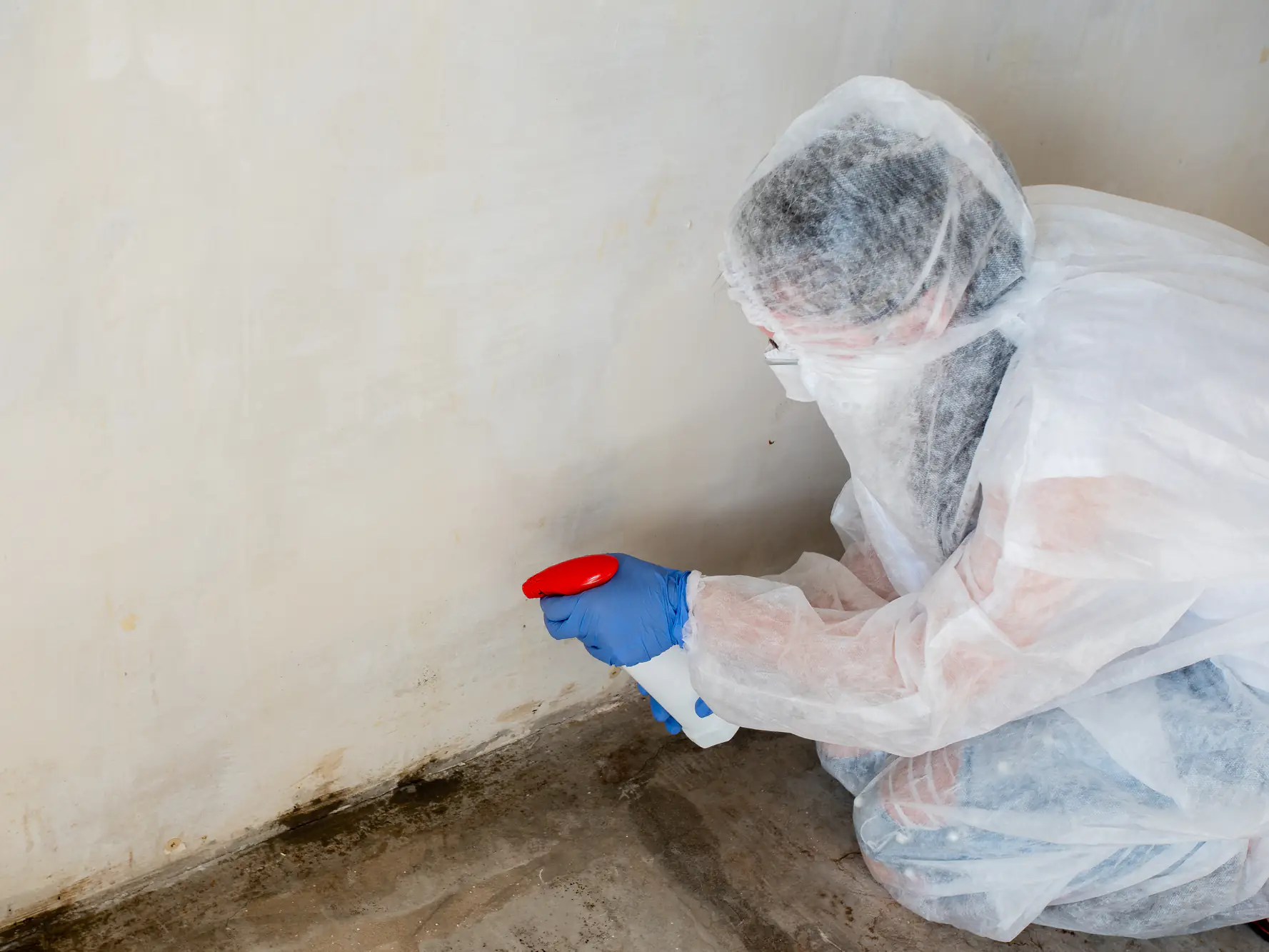
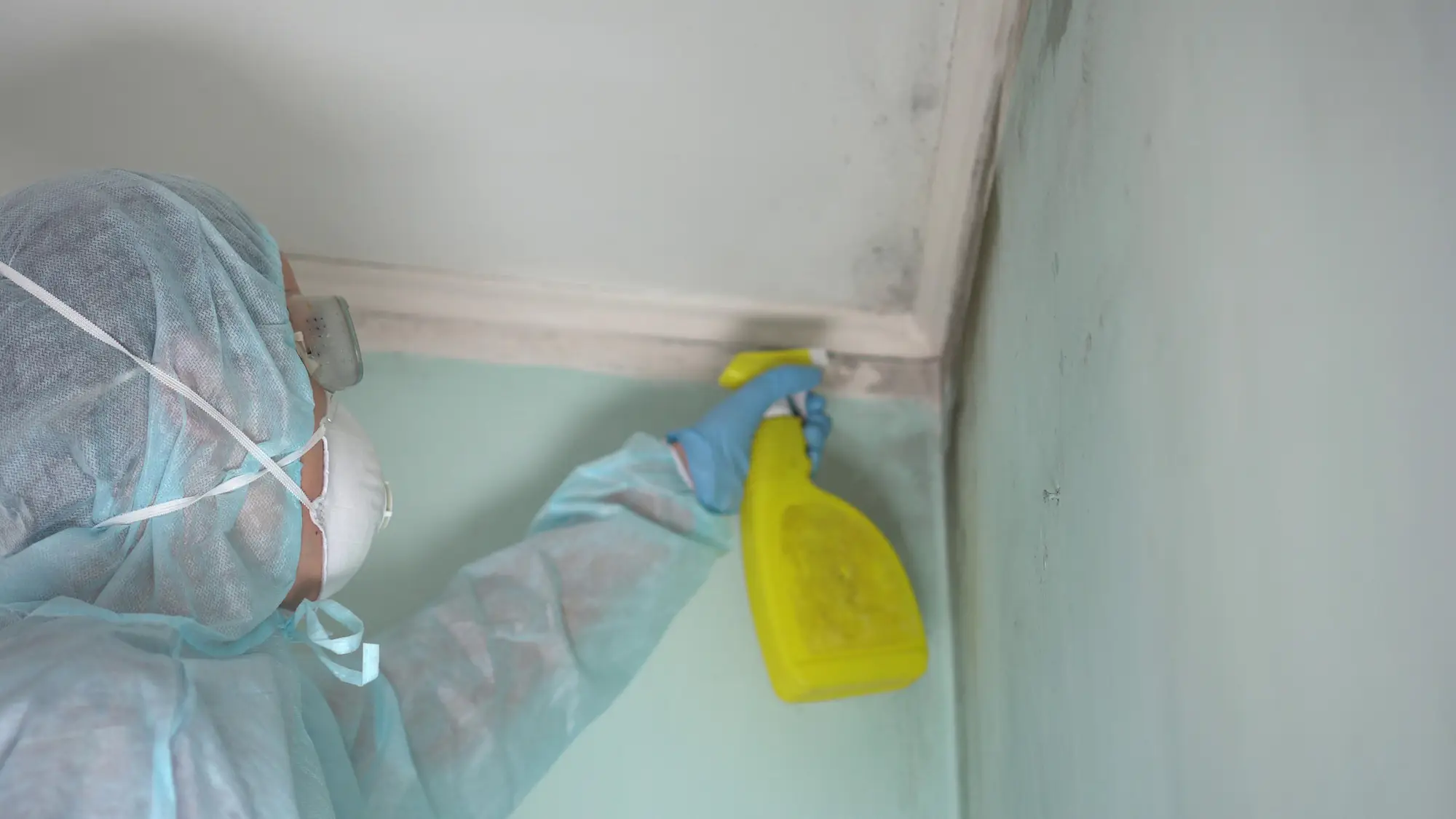
Once we know what we’re working with, we contain the area to prevent spores from spreading to clean parts of your home. Then we remove contaminated materials, treat affected surfaces with antimicrobial solutions, and use HEPA filtration to clean the air.
The last step is fixing what caused it. Leaking pipe? We address it. Poor ventilation? We solve it. Basement seepage? We make sure it’s handled. If we don’t fix the source, you’ll be calling someone back in a year, and it probably won’t be us because you’ll assume we didn’t do it right the first time.
You get documentation of everything: photos, lab results, moisture readings, and proof that the job meets EPA guidelines. That matters for your records, your insurance, and your peace of mind.
Ready to get started?
You get a certified inspection with advanced detection equipment, not someone eyeballing your walls and guessing. We map out the full extent of contamination before we start tearing anything apart.
Lab testing is standard, not an upsell. We send samples to independent labs so you know exactly what’s growing in your home. That report also helps if you’re dealing with insurance or health concerns.
Containment and removal follow IICRC protocols. We seal off work areas, use negative air pressure to prevent spore migration, and remove materials safely. You’re not breathing in what we’re pulling out.
In Edison and throughout Bucks County, basement mold is incredibly common due to our water table and older foundation construction. We see it constantly in homes built before modern waterproofing standards. If your basement floods even occasionally, or if you notice that damp smell, you likely have mold whether you see it or not.
We also handle the insurance paperwork. Most homeowners don’t realize their policy might cover mold if it resulted from a covered event like a burst pipe. We document everything insurers need and communicate directly with adjusters.
After removal, we can handle repairs and restoration so you’re not coordinating multiple contractors. Drywall replacement, repainting, flooring—we get your space back to normal.

Most mold remediation projects in Edison run between $1,500 and $4,000, but that range shifts based on how much mold you have and where it’s growing. A small bathroom issue costs less than a finished basement with mold behind walls and under flooring.
The national average sits around $2,300, but Bucks County properties often run higher because of our older housing stock and basement moisture problems. If we need to remove drywall, treat framing, and address a water intrusion source, costs go up.
Here’s what affects your price: square footage of contamination, type of mold (black mold requires more careful handling), accessibility (crawl spaces and attics cost more), and whether we’re dealing with porous materials like drywall or non-porous surfaces like tile. Insurance sometimes covers it if the mold resulted from a covered peril like a pipe burst, but policies rarely cover mold from long-term neglect or maintenance issues.
We give you a clear estimate after the inspection. No surprises, no upsells once we start working.
Small projects take one to two days. Larger jobs can run three to five days, and extensive whole-home remediation might take a week or more.
The timeline depends on how much area we’re treating, how severe the contamination is, and what’s causing it. If we’re just treating surface mold in a bathroom, that’s quick. If we’re gutting a basement, addressing foundation leaks, and waiting for materials to dry before reconstruction, that takes longer.
Here’s the typical breakdown: inspection and testing happen on day one. Containment and removal usually take one to three days depending on scope. Drying and air filtration add another day or two. If you want us to handle repairs and restoration, that extends the timeline but means you’re not waiting for another contractor to fit you into their schedule.
We don’t rush remediation because cutting corners means mold comes back. But we also don’t drag projects out. You get a realistic timeline upfront, and we stick to it unless we discover additional contamination once walls are opened.
Sometimes, but it depends on what caused the mold. If a covered event like a burst pipe, roof leak during a storm, or appliance malfunction led to water damage and then mold, your policy likely covers remediation. If mold developed because of long-term humidity, poor ventilation, or maintenance neglect, it probably won’t.
Most Pennsylvania homeowners policies specifically exclude mold damage unless it’s a direct result of a covered peril. That’s why documentation matters. We take photos, moisture readings, and detailed notes that show what caused the problem and when it likely started.
We work directly with insurance companies and know what adjusters need to see. We provide estimates in the format they require, communicate with them throughout the process, and make sure you’re not stuck translating between contractor language and insurance language.
Even if insurance doesn’t cover the full amount, they might cover part of it. And if you’re filing a claim, you want a mold remediation specialist who knows how to document properly. Poor documentation is one of the main reasons mold claims get denied.
Mold triggers respiratory issues for most people: stuffy nose, throat irritation, coughing, and wheezing. If you have asthma or mold allergies, reactions get more severe. Some people develop skin rashes or eye irritation just from being in a room with mold growth.
The CDC confirms that mold exposure causes these symptoms, and about 4.6 million asthma cases in the US are directly linked to mold. That’s not a small number. For people with compromised immune systems or chronic lung conditions, mold exposure can lead to infections.
Black mold gets the most attention, but all mold types can cause problems if you’re exposed long enough. The severity depends on the type of mold, how much of it you’re breathing in, and your individual sensitivity.
Here’s what we see in Edison homes: families dealing with unexplained respiratory symptoms that improve when they leave the house and worsen when they return. Kids with asthma that’s harder to control. Adults with persistent sinus issues that don’t respond to typical treatments. Often, hidden mold is the culprit.
If you’re experiencing health symptoms and you know you have moisture problems or that musty smell, get an inspection. Mold and mildew experts can identify whether your symptoms line up with what’s growing in your home.
Small surface mold on non-porous materials like tile or glass—you can handle that with proper cleaning products and ventilation. But if you’re dealing with more than 10 square feet of mold, if it’s on porous materials like drywall or wood, or if you don’t know what’s causing the moisture, you need professional mold removal experts.
Here’s why DIY fails: you can’t see the full extent of contamination without detection equipment. Mold grows inside walls, under floors, and in HVAC systems. Scrubbing what you can see doesn’t address what you can’t.
Disturbing mold without proper containment spreads spores throughout your home. You’re making the problem worse. And if you don’t fix the moisture source, it grows back within weeks.
Professional remediation includes containment to prevent spread, HEPA filtration to capture airborne spores, proper disposal of contaminated materials, and treatment of affected areas with antimicrobial solutions. We also identify and address the root cause so you’re not repeating this process every season.
In Pennsylvania, there are no specific licensing requirements for mold remediation, which means anyone can claim they’re qualified. Look for IICRC or ACAC certifications and companies that follow EPA guidelines. That’s how you know you’re getting actual expertise, not just someone with a spray bottle and confidence.
The musty smell is the most obvious sign. If you notice it in certain rooms or when you open closets, you likely have mold growing somewhere you can’t see. That odor comes from microbial volatile organic compounds that mold releases as it grows.
Water damage history is another indicator. If you’ve had leaks, flooding, or even persistent condensation, mold is probably present. It starts growing within 24 to 48 hours of water exposure, and it doesn’t need much—just moisture and an organic surface like wood or drywall.
Visible signs include discoloration on walls or ceilings, peeling paint or wallpaper, warping on wood surfaces, and water stains. In Edison homes, we frequently find hidden mold in basements, crawl spaces, behind washing machines, under sinks, and in attics with roof leaks.
Health symptoms that improve when you leave home and return when you’re back also suggest hidden mold. If multiple family members are experiencing respiratory issues or allergies without an obvious cause, mold exposure is worth investigating.
The only way to know for sure is a professional inspection with moisture detection equipment and testing. We use thermal imaging cameras to find temperature differences that indicate moisture behind walls, and moisture meters to measure water content in materials. If readings are high, we investigate further and test for mold presence.
Other Services we provide in Edison