
Hear from Our Customers
You’ll breathe easier. That musty smell disappears. Your kids stop coughing at night.
The air quality in your home improves because we don’t just wipe down visible mold and leave. We use moisture meters and infrared cameras to find growth behind walls, under floors, and in crawl spaces most homeowners never check.
Then we remove it completely. Not just the surface layer—the entire contaminated material if needed. And we fix what caused it in the first place, whether that’s a leaky pipe, poor ventilation, or water seeping through your basement walls.
Bucks County homes deal with humid summers and damp basements year-round. If the root cause isn’t addressed, mold comes back within months. That’s why our work includes identifying and correcting moisture problems, not just cleaning up the mess. You get a home that stays mold-free because the conditions that allowed growth no longer exist.
We’ve served Bucks County homeowners for over 25 years. We’ve seen what happens when mold gets ignored—and what it takes to fix it right.
Our technicians are certified mold remediation professionals. We follow EPA guidelines and Pennsylvania regulations on every job. That means proper containment, safe removal, and thorough decontamination.
Idlewood homes, especially older properties, face unique challenges. Aging foundations, poor drainage, and high humidity create perfect conditions for mold growth. We know how these homes are built and where problems hide. You’re not getting a generic approach—you’re getting expertise shaped by decades of local work.
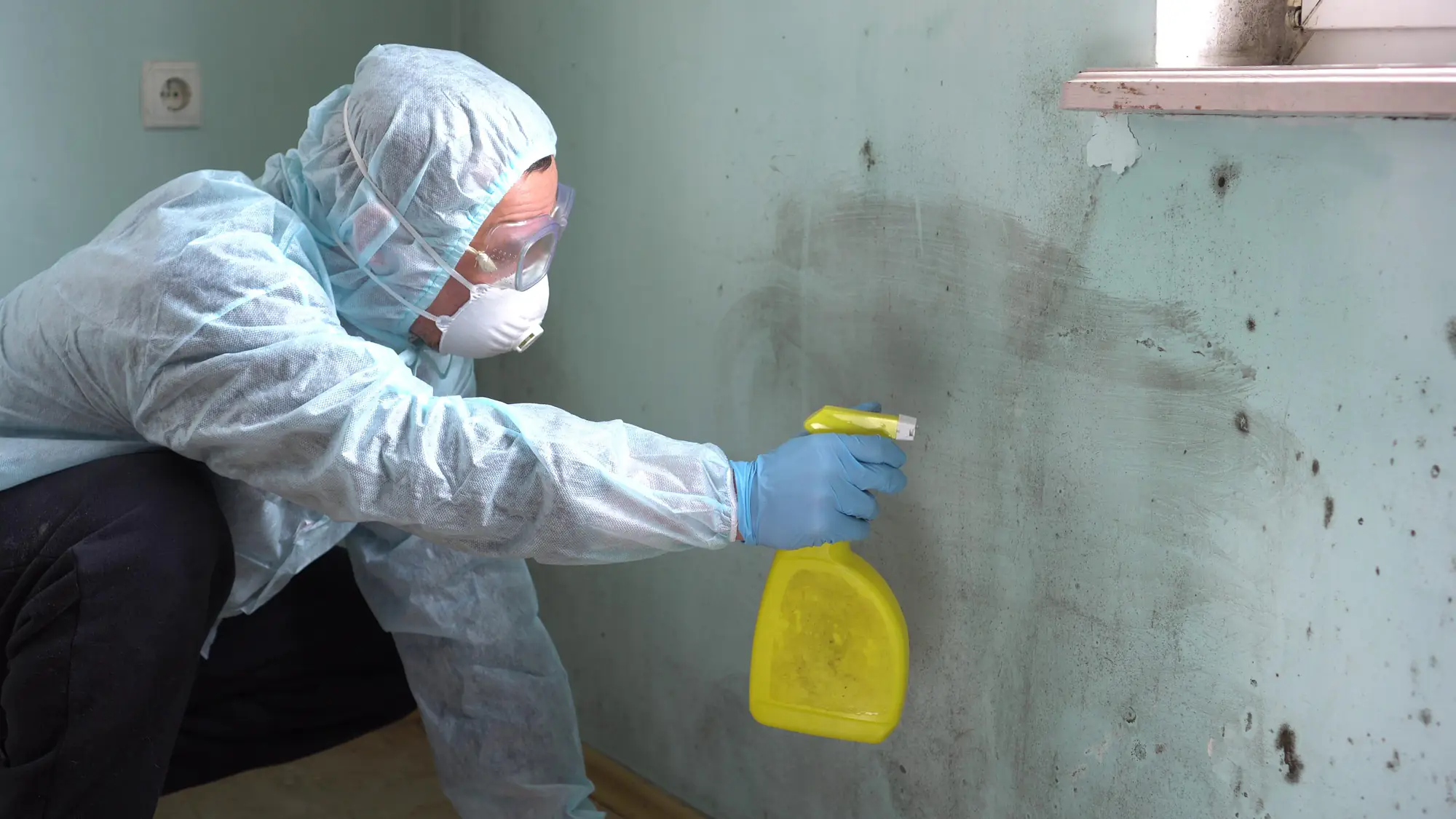
First, we inspect your entire property. Not just the area where you see mold, but everywhere moisture could be hiding. We check basements, crawl spaces, attics, behind walls, and around HVAC systems. We use specialized equipment to detect moisture levels and hidden growth.
Next, we contain the affected area. Mold spreads through spores, so we seal off the work zone with plastic sheeting and negative air pressure to prevent contamination of clean areas. Then we remove all contaminated materials—drywall, insulation, flooring, whatever can’t be safely cleaned.
After removal, we treat surfaces with antimicrobial solutions and dry everything thoroughly. We don’t move forward until moisture levels are back to normal. Finally, we identify and fix the source—whether that’s repairing a leak, improving ventilation, or addressing drainage issues around your foundation.
You get documentation of everything we find and everything we fix. If you’re filing an insurance claim, we provide the detailed reports you need.
Ready to get started?
You get a free inspection with a thorough assessment of your mold problem. We tell you exactly what’s wrong, what needs to happen, and what it costs before any work starts.
Our service includes complete mold removal using EPA-approved methods, proper containment to protect unaffected areas, and treatment of all surfaces with antimicrobial solutions. We handle disposal of contaminated materials according to Pennsylvania regulations.
We also address the underlying moisture problem. In Bucks County, that often means basement waterproofing recommendations, fixing foundation cracks, improving ventilation, or repairing plumbing leaks. Mold removal without fixing the cause is temporary.
You get 24/7 emergency response if you’re dealing with water damage or a sudden mold discovery. Time matters—materials that dry within 48 hours usually don’t develop mold growth. After that window closes, you’re looking at remediation instead of prevention.
We work with your insurance company when coverage applies. Most policies cover mold if it resulted from a covered event like a burst pipe. We provide documentation and communicate directly with adjusters to streamline your claim.

Most mold removal projects in Bucks County range from $500 to $6,000, depending on the size of the affected area and what caused the growth. Small bathroom mold from a leaky shower might cost $500 to $1,500. Basement mold covering multiple walls could run $3,000 to $6,000 or more.
The scope of work drives the cost. If we’re removing a section of drywall and treating the studs behind it, that’s different from gutting an entire basement. If your HVAC system spread mold throughout your home, ductwork cleaning adds to the total.
We provide upfront pricing after the inspection. You’ll know what the job costs before we start. We also offer financing options to make the work affordable, because delaying mold removal only makes the problem—and the cost—worse.
You might smell it before you see it. That musty, earthy odor is often the first sign of hidden mold growth. It means mold is actively growing somewhere, even if it’s out of sight.
Other signs include water stains on ceilings or walls, peeling paint or wallpaper, warped floors, and persistent condensation on windows. If anyone in your home has unexplained allergy symptoms—sneezing, coughing, itchy eyes—that get better when they leave the house, hidden mold could be the cause.
Bucks County’s humid climate means basements and crawl spaces are prime locations for hidden growth. We use moisture meters and infrared cameras during inspections to detect problems behind walls and under floors. If you’ve had any water damage, even if it was cleaned up quickly, it’s worth having a professional check for mold. Growth can start within 24 to 48 hours of water exposure.
It depends on what caused the mold. Most homeowners insurance policies cover mold if it resulted from a covered peril—like a burst pipe, roof leak from storm damage, or appliance malfunction. They typically don’t cover mold from long-term neglect, poor maintenance, or flooding.
Standard policies usually cap mold coverage between $1,000 and $10,000. Some insurers offer additional mold coverage you can purchase. The key is timing and documentation. If you discover mold after a covered water damage event, report it immediately.
We work with insurance companies regularly. We document the extent of damage, photograph everything, and provide detailed reports that support your claim. We communicate directly with adjusters to answer questions and justify the scope of work. That said, not all mold situations will be covered, so we’re upfront about what you can expect.
Most residential mold removal projects take two to five days, depending on the size and complexity. A small bathroom with surface mold might be done in a day or two. A basement with extensive growth behind walls could take a week.
The timeline includes inspection, containment setup, removal of contaminated materials, treatment, drying, and final clearance testing if needed. We can’t rush the drying process—materials need to reach safe moisture levels before we close everything back up.
If you’re dealing with an emergency situation, we respond quickly. We’re available 24/7 for urgent cases like flooding or major water damage where immediate action prevents mold growth. For existing mold problems, we schedule work as soon as possible and keep you informed throughout the process. You’ll know what’s happening each day and when you can expect completion.
If the affected area is smaller than 10 square feet and you’re healthy with no respiratory issues, you can attempt DIY removal using proper safety equipment. That means an N95 mask, gloves, and eye protection at minimum. You’d need to contain the area, remove materials carefully to avoid spreading spores, and address the moisture source.
But most homeowners underestimate the scope. Visible mold is often just part of the problem. Growth extends into wall cavities, under flooring, and into materials you can’t see without opening things up. DIY removal often leaves the root cause untouched, so mold returns within months.
Black mold—specifically Stachybotrys chartarum—produces mycotoxins that can cause serious health issues with prolonged exposure. If you’re dealing with black mold, a large area, or if anyone in your home has asthma, allergies, or a compromised immune system, hire certified mold remediation specialists. We have the equipment, training, and experience to remove it safely and completely. The cost of doing it right the first time is less than paying for incomplete DIY work twice.
Mold returns when the moisture problem wasn’t fixed. You can remove every visible spore, but if water still leaks, humidity stays high, or ventilation remains poor, new mold will grow in the same spot.
Common causes in Bucks County homes include basement moisture from poor drainage or foundation cracks, bathroom exhaust fans that vent into attics instead of outside, leaking pipes inside walls, and HVAC systems that don’t control humidity properly. Pennsylvania’s humid summers make the problem worse.
Surface cleaning removes what you see but doesn’t address what’s behind walls or under floors. Professional remediation includes identifying the moisture source with specialized equipment, fixing the underlying issue, and ensuring affected areas are completely dry before closing them up. That’s why our work includes moisture mapping and source correction—not just mold removal. You need both to prevent recurrence.
Other Services we provide in Idlewood