
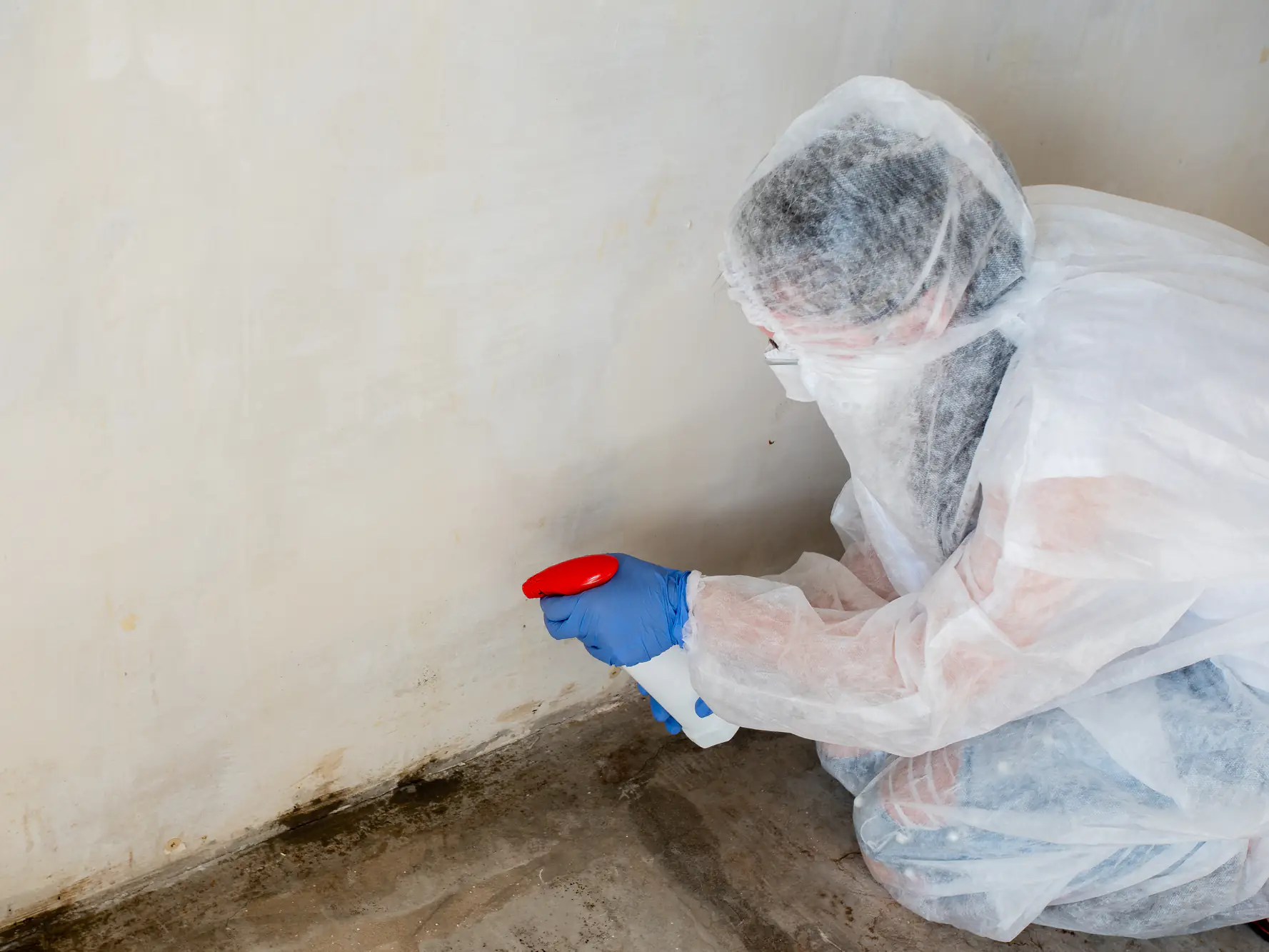
Hear from Our Customers
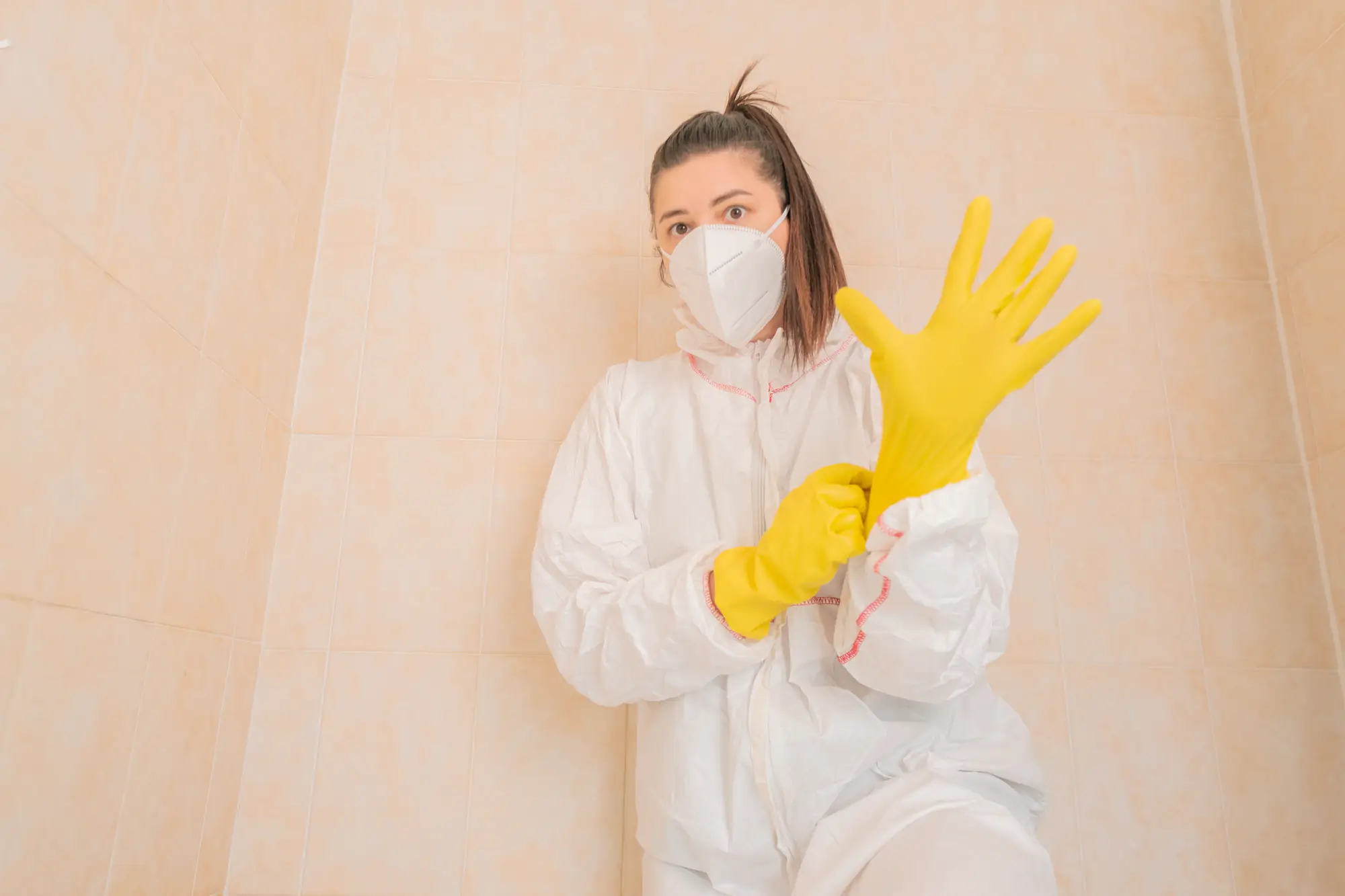
Mold isn’t just ugly. It affects how your family feels every day—headaches, allergies, breathing problems that won’t go away. You shouldn’t have to wonder if your home is making you sick.
When mold is handled right, those symptoms stop. The air clears. You’re not second-guessing every cough or sneeze anymore. Your home feels like yours again.
That’s what happens when the problem gets fixed at the source, not just covered up. You get your space back, your health back, and the confidence that it’s actually handled—not just hidden behind a fresh coat of paint.
We’ve been serving families across Holland, PA and throughout Bucks County for years. We know the homes here—the basements that flood after heavy rain, the crawl spaces that stay damp, the older construction that traps moisture.
We’re not a national franchise reading from a script. We’re local mold experts who’ve seen what happens when mold gets ignored in this area, and we know how to stop it before it spreads.
When you call 215-431-4744, you’re talking to people who understand Holland homes and the specific problems they face. We show up, assess what’s actually happening, and give you a straight answer about what needs to happen next.
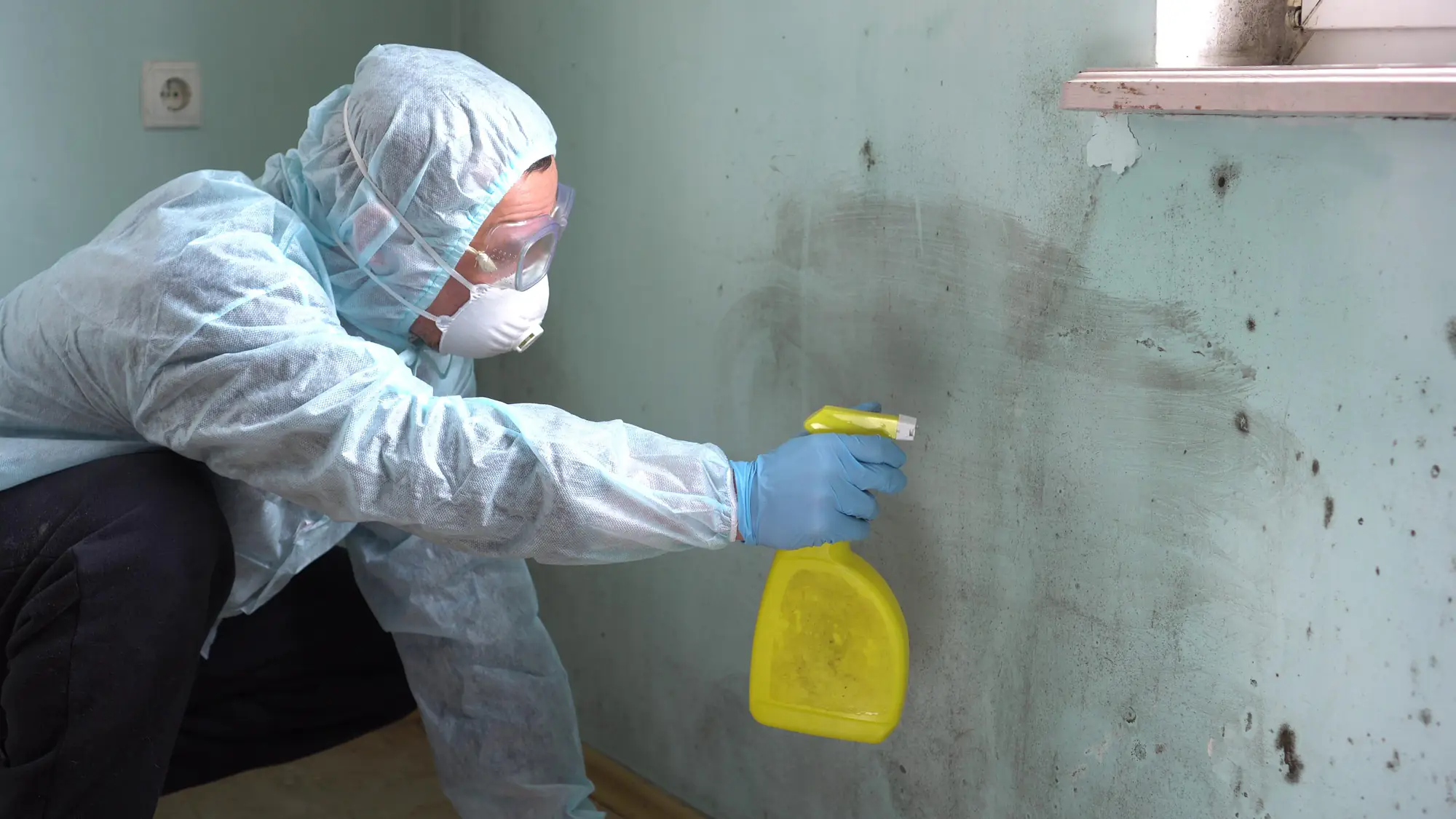
First, we inspect your property—not just the visible mold, but the places it hides. Behind walls, in crawl spaces, inside HVAC systems. We use detection tools that find mold you can’t see yet.
Then we figure out why it’s there. Mold grows because of moisture, and moisture comes from somewhere—leaks, humidity, poor ventilation, water damage that never fully dried. If we don’t fix that, the mold just comes back.
Once we know what we’re dealing with, we contain the area to stop spores from spreading during removal. We remove contaminated materials safely, treat affected surfaces, and clean the air. Then we address the moisture source so it doesn’t happen again.
You get documentation of everything we found and everything we did. That matters if you’re dealing with insurance, selling your home, or just want proof the job was done right.
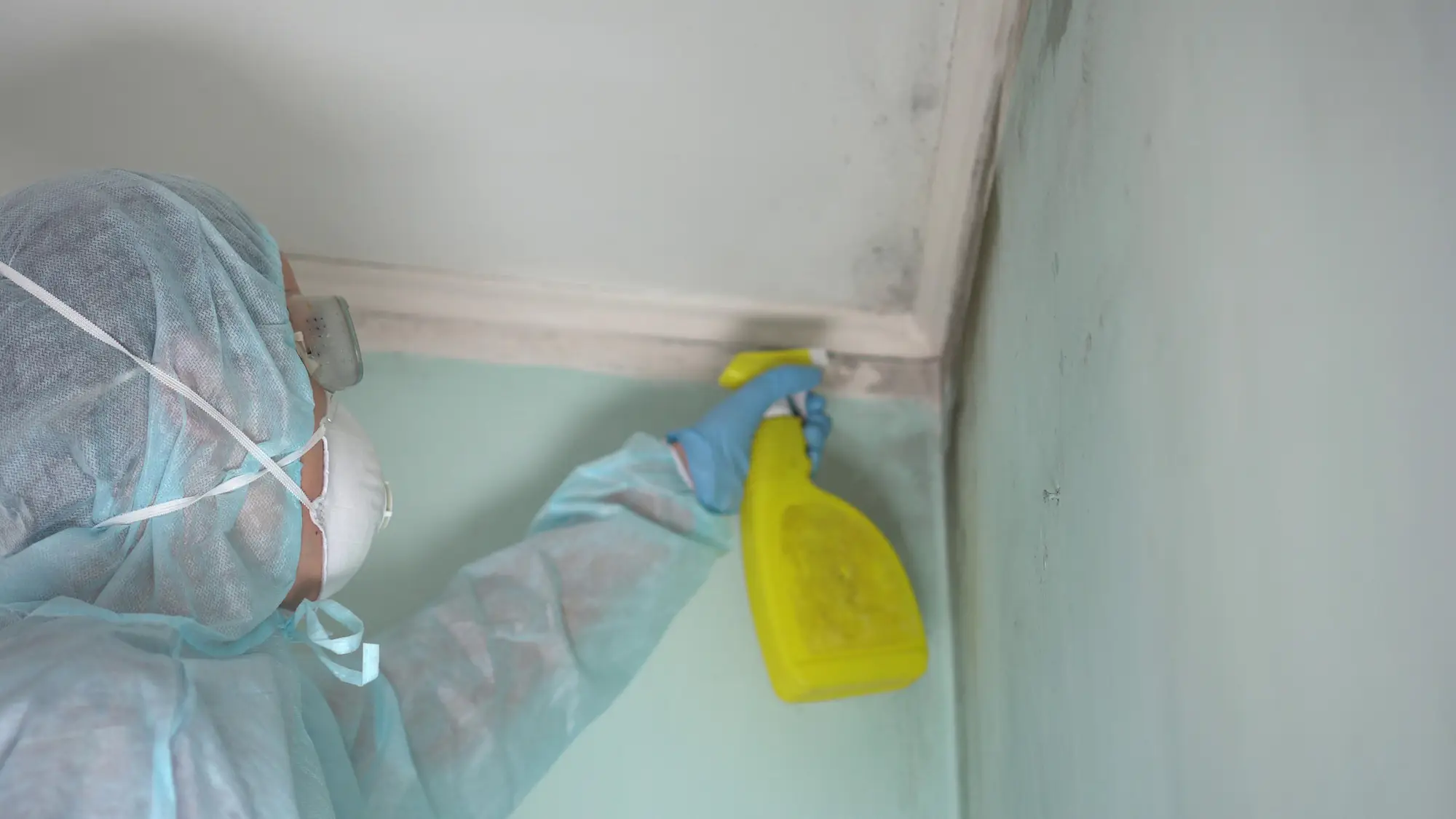
Ready to get started?
You get a full property inspection that finds mold in places most people don’t think to look. Attics, basements, behind appliances, inside ductwork—anywhere moisture can hide.
You get mold testing that identifies what type you’re dealing with. That matters because black mold (Stachybotrys chartarum) requires different handling than surface mildew. Knowing what’s growing in your home tells us how aggressive we need to be.
You get containment and removal that stops spores from spreading to clean areas of your house. We’re not just scrubbing visible mold and calling it done—we’re treating the air, the surfaces, and the source.
Holland homes deal with specific challenges. Proximity to creeks and streams means higher humidity. Older homes in the area weren’t built with modern moisture barriers. Finished basements that looked great 20 years ago are now trapping water against foundation walls. We’ve handled all of it, and we know what works in this area.

Black mold usually appears as dark greenish-black spots or patches, often with a slimy texture when wet. It grows in areas with constant moisture—think leaky pipes, flooded basements, or anywhere water damage didn’t get dried out within 48 hours.
The danger is real but often misunderstood. Black mold releases spores and mycotoxins into your air. For most people, that means respiratory irritation, persistent coughing, headaches, or allergy symptoms that don’t go away. For kids, elderly family members, or anyone with asthma or immune issues, the effects can be more serious—chronic bronchial infections, severe allergic reactions, even hospitalization in extreme cases.
Here’s what matters: even if you’re not seeing dramatic health effects yet, those spores are in your air every day. The longer it stays, the worse it gets. Early removal protects your family and saves you from more extensive (and expensive) damage down the road.
Mold can start growing within 24 to 48 hours after water exposure. That’s not a lot of time, and it’s why acting fast after a flood, leak, or pipe burst matters so much.
Within the first day, materials like drywall, carpet, and insulation absorb moisture. By day two, mold spores that are already in your home (they’re everywhere, just dormant) start to colonize those damp surfaces. By day three to five, you’ll start seeing visible growth—and by then, it’s already spreading.
This timeline is why you can’t just dry things out and hope for the best. Even if surfaces look dry, moisture can be trapped inside walls, under flooring, or in insulation. That hidden moisture keeps feeding mold growth you won’t see until it’s a much bigger problem. If you’ve had any water event in your Holland home—roof leak, basement flooding, burst pipe—get it inspected even if everything looks fine on the surface.
Small surface mold—like a little mildew on a bathroom tile—you can handle with proper cleaning products and ventilation. But if you’re seeing mold larger than a few square feet, if it’s on porous materials like drywall or wood, or if you’re smelling that musty odor without seeing the source, you need professional mold removal specialists.
Here’s why: disturbing mold releases thousands of spores into your air. Without proper containment, you’re spreading the problem to other rooms. Without the right equipment, you’re breathing in high concentrations of those spores while you work. And without finding the moisture source, you’re just cleaning up growth that will come right back.
Professional remediation includes containment barriers, air filtration, protective equipment, proper disposal of contaminated materials, and treatment of affected areas with antimicrobial solutions. We also find where the moisture is coming from—the part most DIY attempts miss entirely. You might save money upfront doing it yourself, but you’ll spend more later when it comes back worse.
Honest answer: it depends on how much mold there is, where it’s located, and what’s causing it. A small bathroom mold issue might run a few hundred dollars. A flooded basement with mold throughout the framing and insulation could be several thousand.
Most Holland area mold removal jobs fall somewhere in between. The inspection itself is usually a few hundred dollars, and that tells you exactly what you’re dealing with. From there, removal costs depend on square footage affected, materials that need replacing, and how accessible the mold is. Hidden mold in crawl spaces or inside walls costs more to access and treat.
What drives the price up is waiting. Mold that started in one corner of your basement and spread across three walls costs significantly more to fix than catching it early. The moisture source matters too—if we’re also repairing a foundation crack or fixing drainage issues, that adds to the total cost but prevents the problem from coming back.
Many homeowners insurance policies cover mold removal if it resulted from a covered event like a burst pipe. We can work with your insurance company and provide documentation they need. Call 215-431-4744 and we’ll assess your specific situation and give you a real number, not a vague estimate.
Mold inspection is the visual assessment—we’re looking for visible mold, signs of water damage, moisture problems, and conditions that allow mold to grow. We check your basement, attics, crawl spaces, behind appliances, around windows, in HVAC systems. We’re finding where mold is and where it’s likely to develop.
Mold testing goes deeper. We take air samples or surface samples and send them to a lab to identify exactly what type of mold is growing and how concentrated the spore levels are. Testing tells us if you’re dealing with toxic black mold, common household mildew, or something in between. It gives us a baseline to measure against after remediation is complete.
You don’t always need testing—if we see obvious mold growth, we know it needs to be removed regardless of the specific type. But testing makes sense in a few situations: when you smell mold but can’t find it, when someone in your house has unexplained health symptoms, when you want documentation for insurance or legal purposes, or when you want confirmation that remediation actually worked.
For Holland homeowners, we typically recommend starting with an inspection. That shows us what we’re dealing with and whether testing would give you useful information or just cost extra money without changing the action plan.
Removing existing mold is only half the job. If we don’t fix why it grew in the first place, you’ll be calling us back in six months.
Prevention starts with controlling moisture. That means fixing leaks immediately, improving ventilation in bathrooms and kitchens, using dehumidifiers in basements and crawl spaces, and making sure your home’s drainage directs water away from the foundation. In Holland, where humidity can be high and older homes weren’t built with modern moisture barriers, these steps aren’t optional.
We also look at structural issues—foundation cracks letting groundwater seep in, roof damage allowing rain infiltration, poor grading around your home that pools water against basement walls. Gutters that dump water right next to your foundation are a huge culprit in this area.
After remediation, we treat affected areas with antimicrobial solutions that inhibit future growth. We make sure everything is completely dry before closing up walls or replacing materials. And we give you specific recommendations for your home—maybe that means a vapor barrier in your crawl space, maybe it’s regrading your yard, maybe it’s replacing that bathroom exhaust fan that hasn’t worked in years.
The homes we service in Holland and throughout Bucks County stay mold-free because we handle the cause, not just the symptom. That’s the difference between mold removal and actual mold remediation.
Other Services we provide in Holland