
Hear from Our Customers
You’re not just dealing with a surface problem. Mold affects your health, your air quality, and what your home is worth. If you’ve noticed musty smells, visible growth, or you’re dealing with allergies that won’t quit, there’s probably mold somewhere—and it’s not going away on its own.
Here’s what happens when it’s handled right. Your indoor air gets cleaner. The sneezing, coughing, and irritation start to fade. You’re not worried about what’s growing behind your walls or under your floors anymore.
And if you’re selling, you’re not stuck explaining mold issues to buyers or watching your property value drop. Untreated mold can knock 20% to 37% off what your home’s worth. That’s real money. Getting it handled now protects that investment and gives you one less thing to stress about.
We’re locally owned and based right here in Bucks County. We’ve been helping homeowners in Riegelsville and the surrounding area deal with mold for years, and we know exactly what causes it around here—humid summers, damp basements, older homes with ventilation issues, and water problems that don’t always show up right away.
We’re not a national franchise with a call center. When you reach out, you’re talking to people who live and work in this area. We show up fast, we communicate clearly, and we don’t leave until the job’s done right.
You’ll get a free inspection, a clear explanation of what’s going on, and a plan that makes sense. No upselling. No runaround.
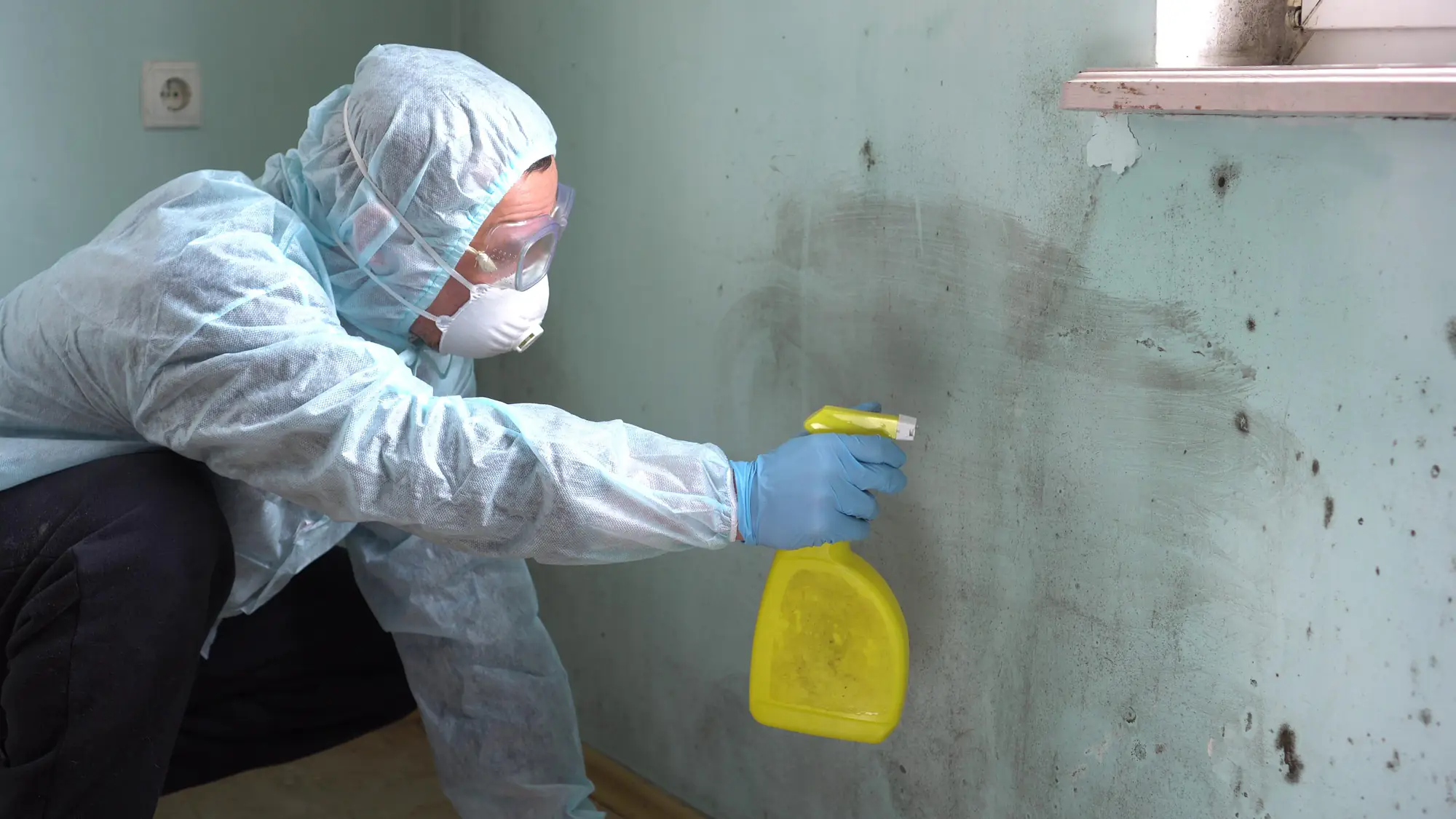
First, we come out and do a full inspection—no charge. We’re looking at the obvious spots and the hidden ones: behind walls, under sinks, in crawl spaces, attics, anywhere moisture likes to hang out. We use detection tools to find what you can’t see.
Once we know what we’re dealing with, we’ll walk you through it. What kind of mold it is, where it’s growing, and more importantly, why it’s there. That last part matters because if we don’t fix the source—whether it’s a leak, poor ventilation, or humidity—it’s just going to come back.
Then we get to work. We contain the area to keep spores from spreading, remove the mold safely, treat affected surfaces, and handle any materials that can’t be saved. After that, we address the moisture issue so you’re not dealing with this again in six months.
You’ll know what’s happening at every step. We’re available 24/7 if something urgent comes up, and we work with your insurance company if you’re filing a claim.
Ready to get started?
You get a certified inspector who knows what to look for and where to look. You get honest answers about what’s happening in your home. And you get a remediation plan that’s built around your specific situation—not a one-size-fits-all approach.
In Riegelsville and throughout Bucks County, we see a lot of basement mold from groundwater issues and poor drainage. We see attic mold from roof leaks and ventilation problems. We see bathroom mold from exhaust fans that don’t actually work. Every home is different, and the fix has to match the problem.
We also handle black mold, which gets a lot of attention because it can cause serious respiratory issues, especially for kids and anyone with asthma or allergies. If you’ve got it, we’ll remove it safely and make sure it doesn’t come back.
And because Pennsylvania law requires sellers to disclose known material defects—including mold—we provide documentation that protects you whether you’re staying in your home or getting ready to sell. You’ll have proof the issue was handled by professionals, which matters to buyers, agents, and inspectors.

Visible mold is the obvious sign—dark spots on walls, ceilings, grout, or around windows. But you don’t always see it right away. A lot of times, the first clue is smell. If you’ve got a musty, earthy odor that won’t go away, that’s mold.
Health symptoms are another red flag. If you or your family are dealing with sneezing, coughing, itchy eyes, or skin irritation that gets worse at home and better when you leave, mold could be the cause. Infants and kids are especially sensitive, and prolonged exposure can lead to asthma or chronic allergies.
Water damage is a huge indicator too. If you’ve had a leak, flooding, or even just persistent condensation, mold can start growing within 24 to 48 hours. Even if you don’t see it yet, it’s worth getting an inspection. We’ll check the hidden areas—behind drywall, under flooring, in your HVAC system—and let you know exactly what’s going on.
If it’s a tiny spot on a tile or a small surface area—less than 10 square feet—and you caught it early, you might be able to handle it with the right cleaner and some elbow grease. But here’s the thing: surface cleaning doesn’t fix the problem. If you’re not addressing the moisture source, it’s coming back.
For anything larger, anything hidden, or anything involving black mold, you need a professional. DIY mold removal can actually make things worse. Scrubbing releases spores into the air, which spread to other parts of your home. And if you’re not wearing proper protection, you’re breathing those spores in.
We use containment barriers, air filtration, and safe removal methods to keep mold from spreading. We also find the root cause—whether it’s a plumbing issue, a ventilation problem, or structural damage—and fix it so you’re not dealing with this again. That’s the difference between a temporary fix and an actual solution.
It depends on the size of the problem and what’s causing it. A small, contained area might take a day or two. A larger issue—especially if it involves multiple rooms, structural repairs, or serious water damage—can take a week or more.
The inspection itself usually takes a couple of hours. After that, we’ll give you a timeline based on what we found. Most jobs fall somewhere in the 3 to 5 day range, but we don’t rush it. Cutting corners just means the mold comes back, and nobody wants that.
If there’s an emergency—like after a flood or a major leak—we can start within 24 hours. The faster we get in there, the less damage you’re dealing with overall. Mold spreads quickly in the right conditions, so time matters.
Sometimes. It depends on your policy and what caused the mold. If the mold is the result of a sudden, covered event—like a burst pipe or storm damage—there’s a good chance your insurance will cover at least part of the remediation.
If the mold developed over time due to neglect or lack of maintenance, most policies won’t cover it. That’s why it’s important to address leaks and moisture issues as soon as you notice them, not months later when the damage is worse.
We work with insurance companies regularly, and we can help you navigate the claims process. We’ll document everything, provide the necessary reports, and communicate directly with your adjuster if needed. Even if insurance doesn’t cover the full cost, we offer flexible payment options so you can get the problem fixed without waiting.
Mold removal sounds like you’re getting rid of every single spore, but that’s not realistic. Mold spores are everywhere—they’re in the air, on surfaces, floating around outside. You can’t eliminate them completely, and you don’t need to.
Mold remediation is about bringing mold levels back to normal, safe levels and removing active growth. We get rid of the colonies that are causing problems, treat affected areas, and fix the conditions that allowed mold to grow in the first place. That’s what actually solves the issue.
Anyone promising total mold removal is overselling. What you want is remediation that addresses the source, cleans up the growth, and prevents it from coming back. That’s what we do, and that’s what keeps your home safe long-term.
Control moisture. That’s the whole game. Mold needs water to grow, so if you keep things dry, it can’t take hold. Fix leaks as soon as they happen—don’t wait. Check your roof, your plumbing, your windows, and your foundation regularly.
Ventilation is huge, especially in bathrooms, kitchens, and basements. Run exhaust fans when you shower or cook, and make sure they’re actually venting outside, not just into your attic. If your basement feels damp, a dehumidifier can make a big difference. Keep humidity below 60%, ideally closer to 30-50%.
After we finish a job, we’ll walk you through the specific steps you need to take based on your home. Maybe it’s improving airflow in your crawl space, sealing a crack in your foundation, or upgrading an old exhaust system. We’ll tell you exactly what to watch for and what to fix so you’re not calling us back in a year.
Other Services we provide in Riegelsville