
Hear from Our Customers
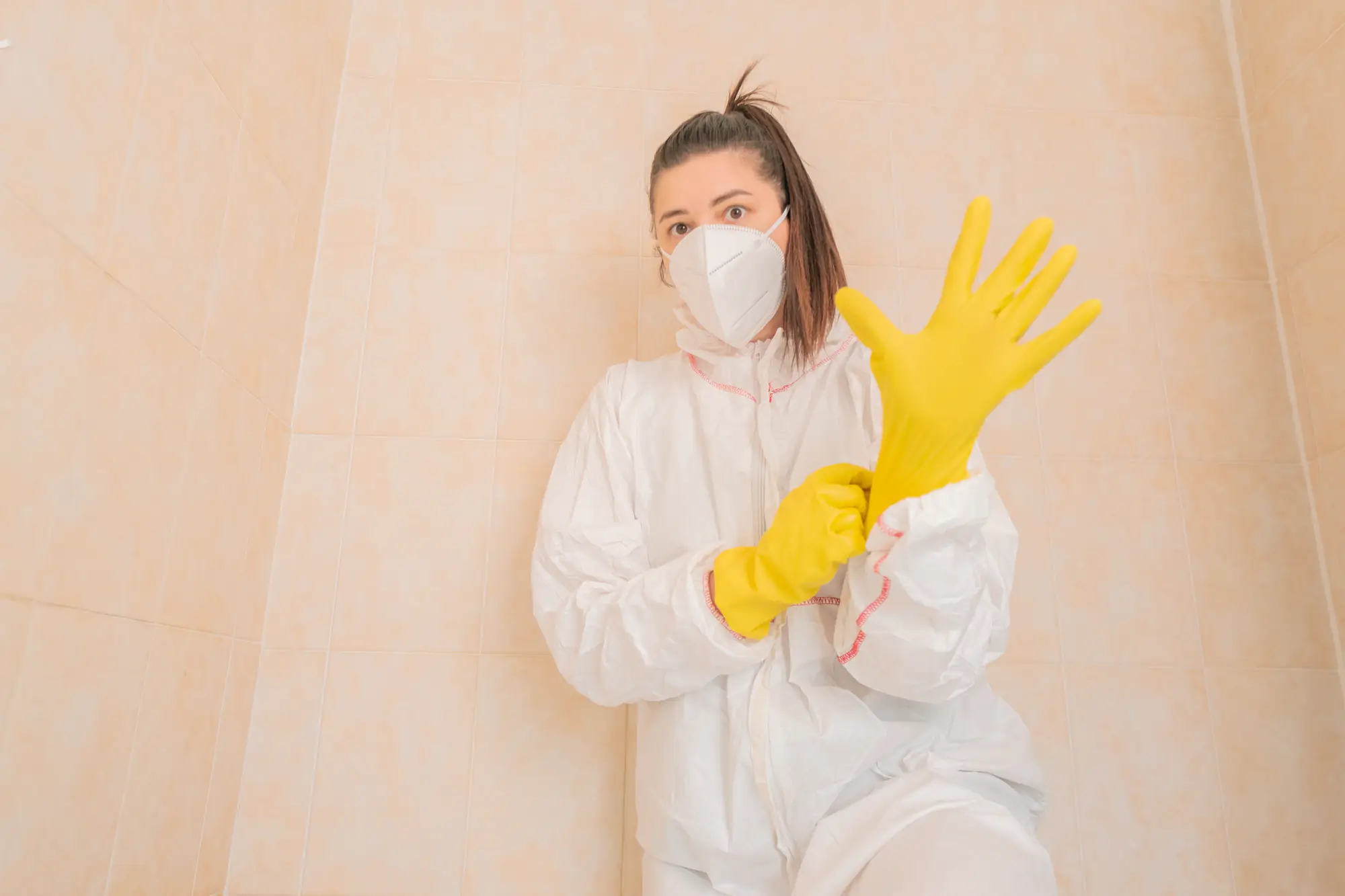
You stop worrying about what’s growing behind your walls. Your kids’ allergies improve because the air quality in your home finally gets better. You’re not constantly running dehumidifiers or wondering if that musty smell will ever go away.
Here’s what most people don’t realize: Bucks County’s humid summers create perfect conditions for mold to spread fast. Indoor humidity regularly hits 75-80% from June through September. That means mold doesn’t just sit there—it grows, spreads into wall cavities, and releases spores throughout your home.
When mold removal is done right, you get your house back. The air smells clean. Your HVAC system isn’t circulating spores. And if you’re selling, you’re not dealing with failed inspections or buyers walking away because of mold disclosure issues.
The difference between surface cleaning and actual remediation is simple: one makes it look better temporarily, the other solves the problem so it doesn’t come back next summer.
We work exclusively in Bucks County. We’re not a national franchise following a script—we’re local mold removal specialists who’ve seen what happens to homes in this area when humidity isn’t controlled and water damage isn’t dried within 48 hours.
New Galena sits in one of the moldiest regions in Pennsylvania. The climate here doesn’t give you much margin for error. A small roof leak or a damp basement can turn into a serious contamination problem faster than most homeowners expect.
We use EPA-approved methods, work directly with your insurance company, and start every job with a free inspection. You’ll know exactly what you’re dealing with before any work begins—no surprises, no upselling, just a clear plan to get mold out and keep it out.
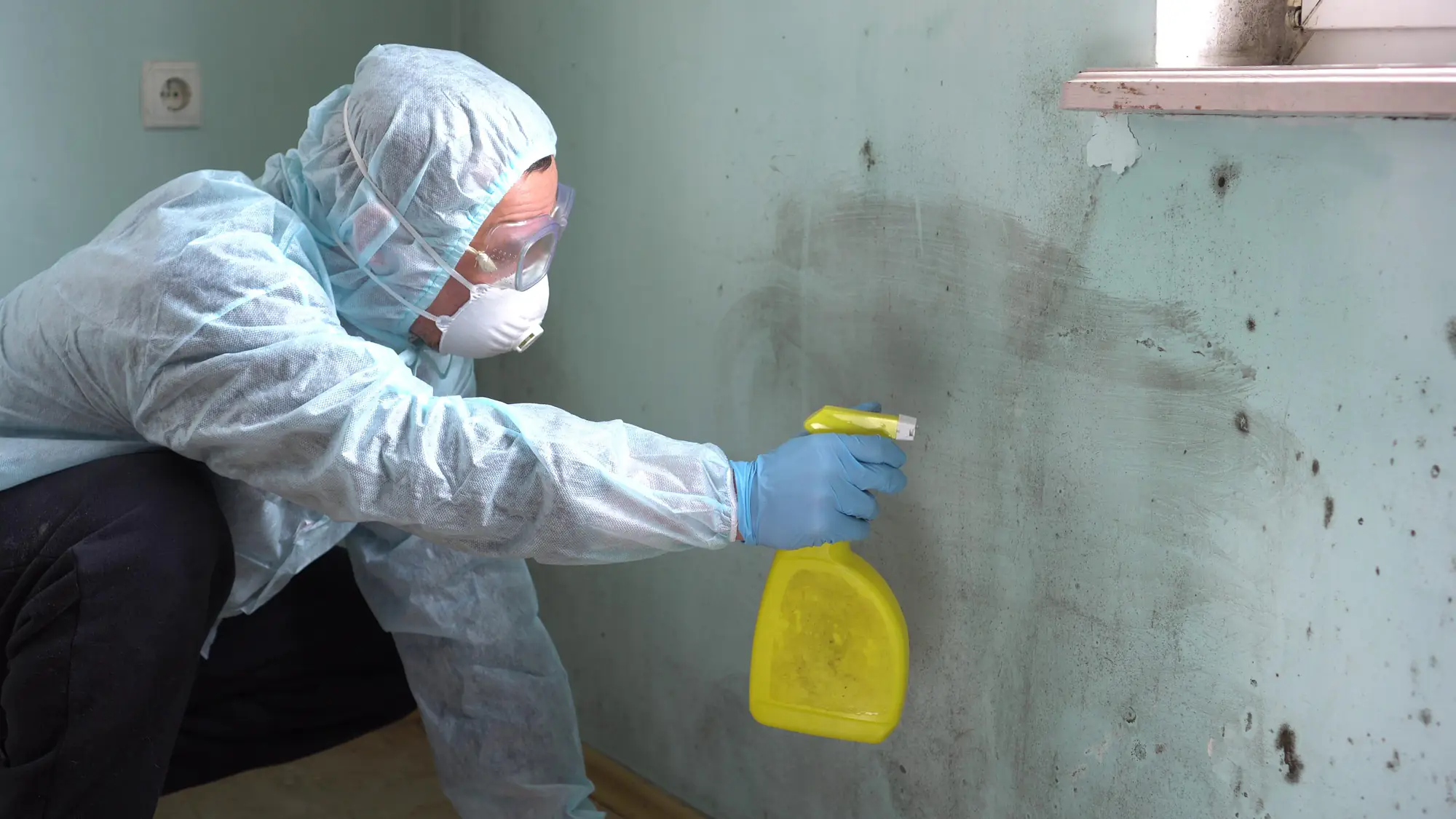
First, we inspect your entire property—not just the visible mold. We check wall cavities, crawl spaces, attics, and anywhere moisture could be hiding. Most mold problems in New Galena start with a moisture source that nobody noticed until the mold showed up.
Once we identify the contaminated areas and the source, we contain the work zone so spores don’t spread to clean areas of your home. Then we remove all contaminated materials safely, treat affected surfaces with antimicrobial solutions, and dry everything thoroughly. This isn’t a spray-and-wipe job.
After removal, we address what caused the mold in the first place. That might mean fixing a leak, improving ventilation, or recommending humidity control. If drywall or flooring needs replacing, we handle that too.
You get documentation of everything we did, which matters if you’re selling your home or need records for insurance. The goal isn’t just removing mold—it’s making sure the conditions that allowed it to grow don’t exist anymore.
Ready to get started?
You get a complete assessment of your property, including areas you can’t easily access. We use moisture meters and thermal imaging to find hidden water damage that’s feeding mold growth. In Bucks County, that often means checking behind finished basements, around HVAC systems, and in attics where poor ventilation traps humid air.
The remediation itself covers removal of contaminated materials, HEPA air filtration during the work, antimicrobial treatment, and complete drying of affected areas. We don’t just treat what you can see—we address the entire contaminated zone, which usually extends beyond the visible mold.
If your mold problem resulted from a covered insurance event like a burst pipe or storm damage, we’ll work directly with your insurance company. We provide detailed documentation and can bill insurance directly in many cases, which saves you from paying out of pocket and filing for reimbursement later.
After remediation, you’ll receive a detailed report of what was found, what was removed, and what was done to prevent recurrence. If reconstruction is needed—new drywall, flooring, or paint—we handle that too so you’re not coordinating multiple contractors.

Mold can start growing within 24 to 48 hours after water damage in Bucks County’s climate. That’s not a lot of time, especially if you don’t realize there’s a leak or if you’re dealing with a humid basement that never fully dries out.
The problem accelerates during summer months when indoor humidity regularly exceeds 70%. At those levels, any damp surface—wood framing, drywall, carpet padding, insulation—becomes a potential growth site. You might not see visible mold for weeks, but the colonization process starts almost immediately.
This is why water damage needs immediate attention here. A slow leak under a sink or condensation from an AC unit can create a mold problem before you even notice the moisture. If you’ve had any water intrusion in your home, getting it inspected quickly isn’t overreacting—it’s the smart move in this climate.
Mold removal usually means cleaning visible mold off surfaces. Remediation means eliminating the mold contamination and fixing what caused it so it doesn’t come back. One is a temporary fix, the other is a complete solution.
Here’s why that matters: if you just clean mold off a basement wall but don’t address the moisture problem causing it, you’ll have mold again within months. Remediation involves removing contaminated materials that can’t be salvaged, treating affected areas with antimicrobial solutions, controlling the spread of spores during the work, and addressing the moisture source.
In New Galena, most mold problems are moisture problems first. Remediation means we’re not just removing what you can see—we’re making sure the conditions that allowed mold to grow are eliminated. That’s the only way to actually solve the problem instead of just postponing it.
Black mold (Stachybotrys) gets the most attention, but all mold growth in your home is a problem. The health risks depend more on the amount of mold, how long you’re exposed, and your individual sensitivity than on the specific species.
What matters is this: mold releases spores and mycotoxins into your indoor air. Those can trigger allergic reactions, respiratory issues, and chronic health problems—especially in children, elderly family members, and anyone with asthma or compromised immune systems. Pennsylvania already has a 13.9% childhood asthma rate, nearly double the national average, and mold exposure makes that worse.
Whether it’s black mold or any other type, if you have visible growth or a persistent musty smell, you have contamination that needs professional remediation. Trying to determine the species yourself doesn’t change what needs to happen: the mold needs to be removed properly, and the moisture source needs to be fixed.
Small surface mold on non-porous materials—like a bit of mildew on a bathroom tile—can often be cleaned yourself. But if you’re seeing mold on drywall, wood, insulation, or carpet, or if the affected area is larger than about 10 square feet, you need professional mold removal specialists.
Here’s why DIY usually backfires: disturbing mold without proper containment spreads spores throughout your home. You might clean what you can see, but miss the growth inside wall cavities or under flooring. And if you don’t fix the moisture problem, the mold comes back—often worse than before.
Professional remediation includes containment to prevent cross-contamination, proper removal of materials that can’t be salvaged, HEPA filtration during the work, and treatment of affected areas. We also identify and address the source of moisture, which is something most homeowners miss when they try to handle it themselves. In Bucks County’s humid climate, that source identification is critical—without it, you’re just delaying the inevitable.
Cost depends on the size of the contaminated area, what materials need to be removed, and what’s causing the moisture problem. A small bathroom mold issue might run a few hundred dollars. A basement with extensive contamination and necessary reconstruction can run several thousand.
Most homeowners insurance policies cover mold remediation if it resulted from a covered event like a burst pipe, roof leak during a storm, or appliance malfunction. We work directly with insurance companies and can help you navigate that process. In many cases, insurance covers the bulk of the cost.
What you’re really paying for is complete removal—not just surface cleaning—and fixing the root cause so you’re not dealing with this again next year. We provide detailed estimates before starting any work, so you know exactly what you’re looking at. No surprises, no hidden fees. And if insurance is involved, we handle the documentation and can often bill them directly so you’re not out of pocket waiting for reimbursement.
Keep indoor humidity below 60%—ideally between 30-50%. In Bucks County, that usually means running dehumidifiers during humid months, making sure your HVAC system is working properly, and ensuring bathrooms and kitchens are ventilated when you’re cooking or showering.
Fix any water leaks immediately. Even small leaks create enough moisture for mold to start growing within 48 hours here. Check under sinks, around toilets, near water heaters, and in your basement regularly. If you notice any water stains, musty smells, or increased humidity in certain areas, address it right away.
Proper ventilation matters too. Attics need adequate airflow to prevent moisture buildup. Crawl spaces should be encapsulated or properly vented. Gutters and downspouts need to direct water away from your foundation—standing water near your home creates basement moisture problems that lead to mold.
After we complete remediation, we’ll walk you through specific prevention steps based on what caused your mold problem. Every home is different, but controlling moisture is always the key. Do that, and mold doesn’t stand a chance.
Other Services we provide in New Galena