
Hear from Our Customers
You stop worrying about what’s growing behind your walls. Your family breathes easier without the constant coughing or allergic reactions that started when the mold showed up. The musty smell disappears from your basement or attic.
Your property value stays intact. Homes built in the early 1980s—like most in Washington Crossing—weren’t designed with today’s moisture barriers, which means mold finds its way into crawl spaces, behind drywall, and under flooring. Professional remediation means those areas get treated correctly, not just covered up.
You get documentation that proves the work was done right. If you ever sell, you’ll have third-party clearance testing and a remediation report that shows buyers exactly what was addressed and how. That’s protection for your investment and peace of mind that the problem won’t come back six months later.
We operate with IICRC certification, which means our technicians follow the same protocols used by insurance companies and industrial hygienists. We’re not a general cleaning company that dabbles in mold—we specialize in it.
Washington Crossing homeowners deal with specific challenges: older homes with flat roofs, basements that flood during heavy rain, and attic ventilation issues that trap humidity during Pennsylvania’s humid summers. We’ve worked in enough homes here to know where mold hides and why it keeps coming back if the underlying moisture source isn’t fixed.
You’re hiring people who understand the difference between surface mold and a contamination problem that requires containment, HEPA filtration, and controlled demolition. That distinction matters when your family’s health and your home’s value are on the line.
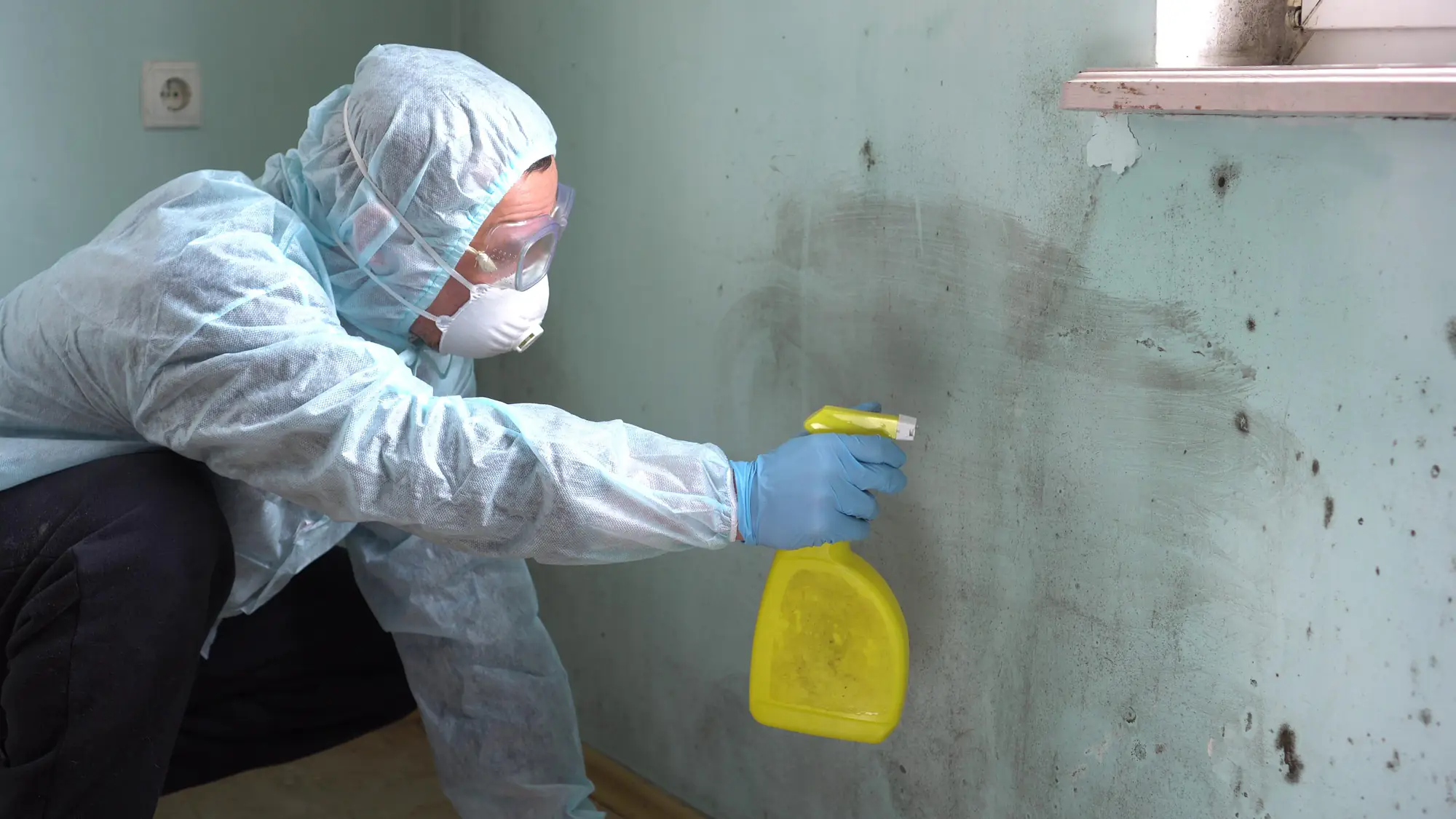
We start with an inspection using thermal imaging and moisture meters to find hidden mold growth. Visible mold on a bathroom ceiling usually means there’s more behind the drywall or in the insulation. We map out the full extent before we start tearing anything apart.
Next, we set up containment. That means sealing off the affected area with plastic sheeting and running negative air machines with HEPA filters to prevent mold spores from spreading to clean areas of your home. This step separates professional remediation from a handyman with a spray bottle.
Then we remove contaminated materials—drywall, insulation, flooring, whatever can’t be salvaged. Porous materials trap mold deep inside, so trying to clean them doesn’t work. We bag everything and dispose of it properly. Non-porous surfaces like metal or glass get cleaned with antimicrobial solutions.
After removal, we treat the area and address the moisture source. If your basement floods every spring or your attic has poor ventilation, fixing the mold without fixing the cause just delays the next outbreak. We identify what’s feeding the problem and recommend solutions that actually prevent recurrence.
Ready to get started?
Every remediation includes a detailed assessment of where the mold is growing and what’s causing it. You’ll know if it’s a roof leak, a plumbing issue, condensation from poor ventilation, or groundwater seeping through your foundation. Washington Crossing sits near the Delaware River, and homes in low-lying areas often deal with elevated humidity and water intrusion that create perfect conditions for mold growth.
You get professional containment and air filtration during the entire process. We’re not just scrubbing mold off surfaces—we’re controlling the environment to prevent cross-contamination. That means your bedroom stays clean while we’re working in your basement.
We provide documentation for insurance claims, including photos, moisture readings, and a scope of work that explains what was done and why. Many homeowners in this area carry policies that cover sudden water damage and resulting mold growth, but you need proper documentation to file a claim. We’ve worked with enough insurance adjusters to know what they require.
You also get post-remediation verification options. Third-party clearance testing confirms that mold levels are back to normal and the space is safe to occupy. It’s an extra step, but it’s the only way to know for certain that the job was completed correctly.

Most homeowners in Pennsylvania pay between $1,300 and $3,600 for professional mold remediation, with the average around $2,400. Your actual cost depends on the size of the affected area, how much material needs to be removed, and whether you need structural repairs after remediation.
Small jobs—like mold in a bathroom from a leaky shower—might run $1,000 to $1,500. Larger projects, like a flooded basement with mold growing across multiple walls, can reach $5,000 or more. We typically charge $10 to $25 per square foot, but that price includes containment, removal, disposal, and treatment—not just wiping down surfaces.
If you’re filing an insurance claim, your policy might cover remediation costs if the mold resulted from a covered peril like a burst pipe or storm damage. Mold from long-term neglect or maintenance issues usually isn’t covered. We can help you document the damage and work with your adjuster to determine what’s eligible.
You can handle very small areas of surface mold—less than 10 square feet—if it’s on a non-porous surface like tile or glass and you’re healthy enough to do the work safely. Anything larger, anything on porous materials like drywall or wood, or any situation involving black mold should be handled by certified professionals.
Black mold releases mycotoxins that cause serious respiratory problems, especially in children, elderly family members, or anyone with asthma or compromised immune systems. Disturbing it without proper containment spreads spores throughout your home. DIY methods don’t address mold growing inside walls, under flooring, or in HVAC systems—you’re just treating what you can see.
Pennsylvania doesn’t require mold remediation licenses, which means anyone can claim they’re qualified. Hiring an IICRC-certified company protects you from liability and ensures the work follows industry standards. If someone gets sick from improper remediation, you’re responsible. Professional remediation includes containment, HEPA filtration, proper disposal, and verification that the job was done correctly.
Most mold problems in Washington Crossing start with water intrusion or high humidity. Homes built in the early 1980s—which represents the median construction year here—often lack modern moisture barriers and proper ventilation. Basements flood during heavy rain, flat roofs develop leaks, and attics trap humid air during Pennsylvania’s warm summers.
Crawl spaces are another common problem area. Many older homes have vented crawl spaces that pull in humid outdoor air, which condenses on cool surfaces and creates perfect conditions for mold growth. Poor grading around the foundation lets water pool against basement walls, and outdated gutters overflow during storms.
Inside the home, plumbing leaks, condensation from poor insulation, and bathroom exhaust fans that vent into the attic instead of outside all contribute to moisture problems. Mold needs three things to grow: moisture, organic material (like wood or drywall), and temperatures above 40 degrees. Your home provides the last two, so controlling moisture is the only way to prevent mold from taking hold.
Small projects—like a bathroom with mold from a shower leak—usually take one to two days. Larger jobs involving multiple rooms, extensive demolition, or structural drying can take a week or longer. The timeline depends on the size of the affected area, how much material needs to be removed, and how long it takes to dry out the space completely.
Containment and setup take a few hours. Removal and cleaning might take one to three days depending on the scope. After that, we need to verify that moisture levels are back to normal before closing everything up. If your basement flooded and the concrete is still damp, we’ll run dehumidifiers and air movers until readings confirm the space is dry.
You can usually stay in your home during remediation as long as the affected area is properly contained. If the mold contamination is extensive or involves your HVAC system, we might recommend staying elsewhere until the work is complete. We’ll walk you through what to expect during the initial inspection so you can plan accordingly.
Mold will come back if the moisture source isn’t fixed. Removing mold without addressing why it grew in the first place just delays the next outbreak. That’s why professional remediation includes identifying and correcting the underlying problem—whether it’s a roof leak, plumbing issue, ventilation problem, or groundwater intrusion.
If we remove mold from your basement but you still get water seeping through the foundation every spring, you’ll have mold again within months. If we treat attic mold but your bathroom exhaust fan still vents into the attic, condensation will continue feeding mold growth. Effective remediation means fixing both the mold and the conditions that allowed it to grow.
We provide recommendations for preventing recurrence, which might include waterproofing, improving ventilation, upgrading insulation, or repairing roof damage. Some companies offer warranties on their work, but those warranties are only valid if you address the moisture issues. Mold is a symptom of a water problem—fix the water problem, and the mold won’t return.
You don’t always need testing before remediation. If you can see mold growing, you have a mold problem—testing just confirms what’s already obvious. The EPA recommends skipping pre-remediation testing in most cases and focusing resources on removal instead. Visible mold means you need remediation regardless of what species it is.
Post-remediation testing, called clearance testing, is different. It verifies that mold levels are back to normal and the space is safe to occupy. This is especially important if you’re selling your home, filing an insurance claim, or dealing with family members who have health concerns. Third-party testing provides independent confirmation that the job was completed correctly.
Some situations do warrant pre-remediation testing. If someone in your home is experiencing unexplained health symptoms but you can’t find visible mold, testing can identify hidden contamination. If you’re buying a home and the inspector found moisture issues or musty odors, testing tells you what you’re dealing with before you close. We can recommend certified industrial hygienists who perform unbiased testing and interpret results without trying to sell you remediation services.
Other Services we provide in Washington Crossing