
Hear from Our Customers
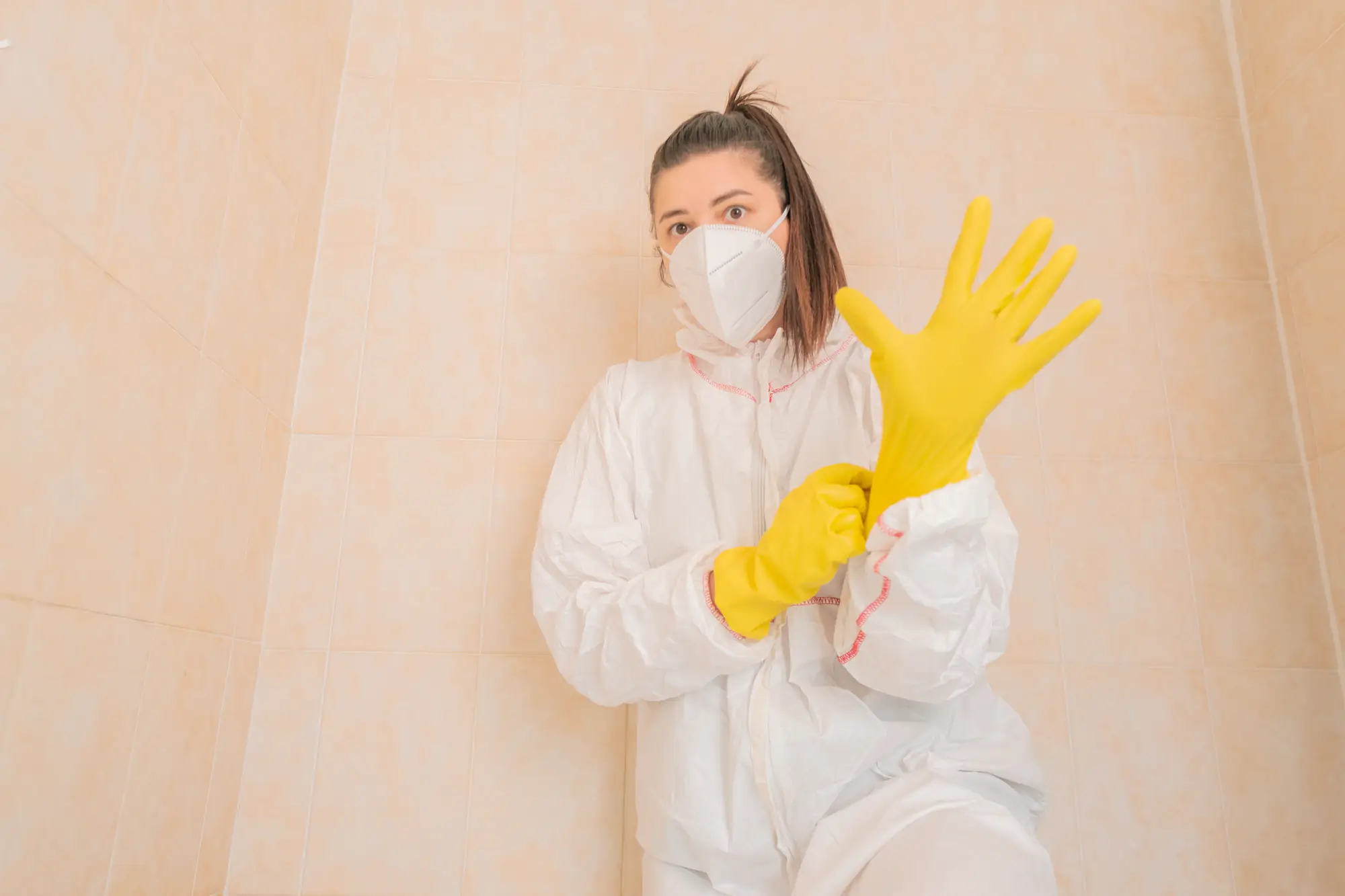
You’ve noticed the musty smell. Maybe your kids are coughing more at night, or you’ve spotted dark patches spreading near the bathroom. The longer you wait, the worse it gets—and you know it.
Mold doesn’t take a day off. Within 24 to 48 hours of water exposure, spores start multiplying. What starts as a small problem behind drywall or under flooring can turn into a full-blown remediation project that costs thousands more than it should have.
Here’s what changes after we’re done: the air smells clean again. Your family stops waking up congested. You’re not second-guessing every shadow on the ceiling. And if you’re selling your home, you’re not losing 20% of its value because a buyer’s inspector found something you didn’t address. We use thermal imaging and moisture meters to find mold you can’t see yet, remove it according to EPA standards, and fix the moisture problem so it doesn’t come back.
We’ve spent over 15 years handling mold problems across Quincy Hollow and the rest of Bucks County. We’re not a national franchise that disappears after the check clears. We’re local, IICRC-certified, and we know exactly how Pennsylvania’s humid summers and wet springs create the perfect conditions for hidden mold growth.
Quincy Hollow homes—especially older ones with stone foundations—are particularly vulnerable to moisture intrusion. We’ve seen it in crawl spaces, behind finished basements, and in attics with poor ventilation. Every job we complete comes with a comprehensive warranty, and we work directly with your insurance company when coverage applies.
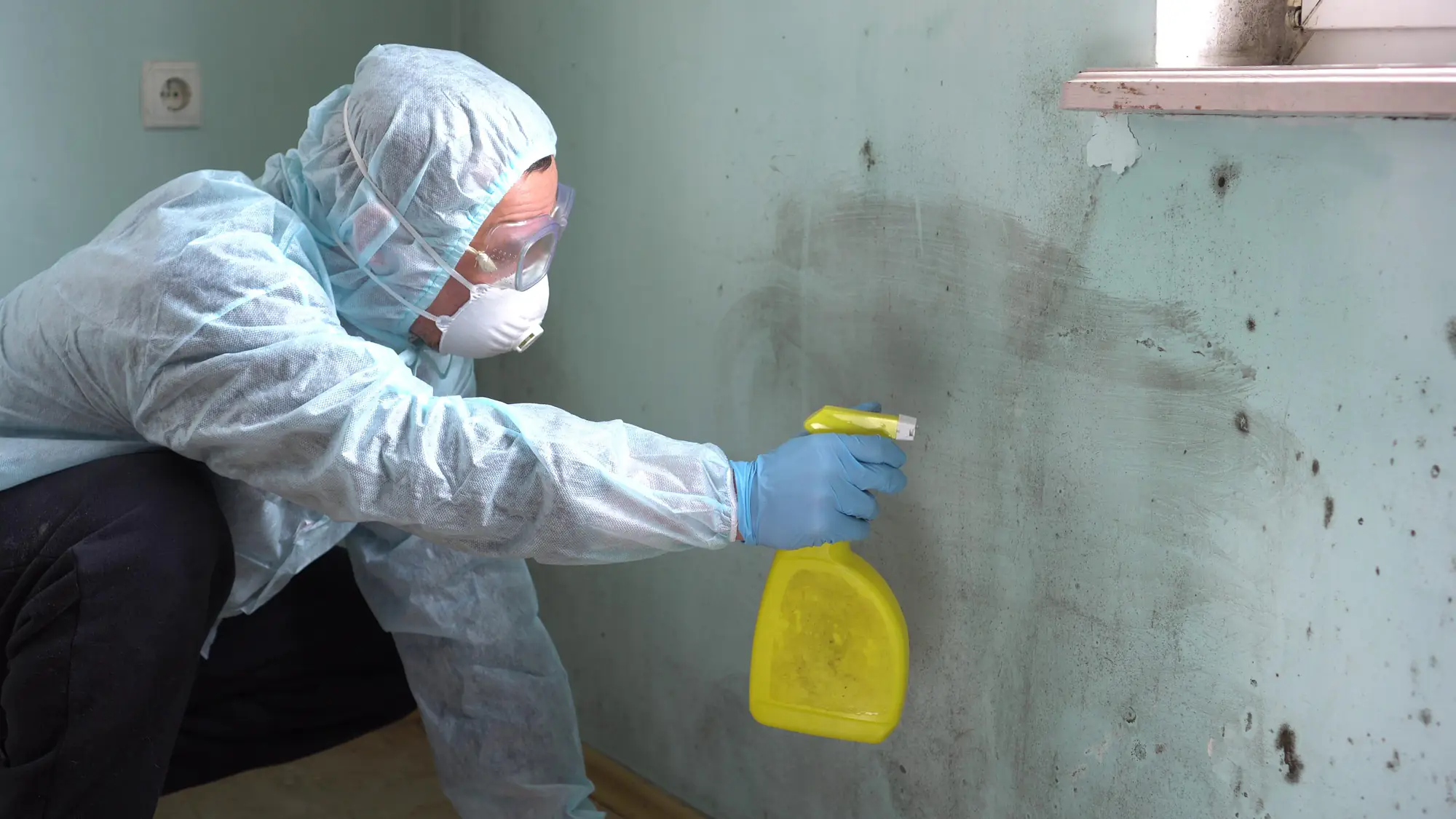
First, we show up fast. Most mold situations are time-sensitive, so we’re available 24/7 and typically on-site within hours of your call. We start with a free inspection using moisture meters and thermal imaging to map out where the mold is—including spots you can’t see.
Once we know what we’re dealing with, you get a transparent estimate before any work begins. No surprises. If your insurance covers it, we handle that paperwork. Then we contain the affected area with plastic sheeting and negative air pressure so spores don’t spread to clean parts of your home.
Next comes removal. We don’t just spray bleach and call it done. Contaminated drywall, insulation, and flooring get pulled out and disposed of according to EPA guidelines. We treat surfaces with antimicrobial solutions, dry everything completely, and use HEPA filtration to scrub the air. Finally, we fix the moisture source—whether that’s a leaking pipe, poor drainage, or condensation buildup—so the problem doesn’t come back. You get documentation, a warranty, and a home that’s safe again.
Ready to get started?
Every mold removal project includes a full inspection with advanced detection tools. We’re not guessing where the mold is—we’re using infrared cameras and moisture mapping to find it. That’s especially important in Quincy Hollow, where older homes often have hidden moisture issues in basements and crawl spaces that don’t show obvious signs until the damage is severe.
You also get containment and air filtration during the entire job. We set up barriers and negative air machines with HEPA filters so mold spores don’t contaminate the rest of your house while we’re working. All contaminated materials are removed and disposed of properly—not just covered up or painted over.
After removal, we address the root cause. If water is getting in through your foundation, or if condensation is building up in your attic, we identify it and give you a clear plan to fix it. Otherwise, you’re just paying for temporary relief. We also provide documentation for insurance claims and resale purposes, plus a warranty that covers our work. You’re not left wondering if it’s really gone—you’ll know.

Mold spores can begin growing within 24 to 48 hours after water exposure. That’s not a lot of time, especially if you’re dealing with a burst pipe, roof leak, or flooding in your basement.
The speed depends on moisture levels, temperature, and what materials got wet. Drywall, insulation, carpet, and wood are all ideal food sources for mold. If your home stays humid—which is common in Bucks County during summer months—the growth accelerates even faster.
This is why emergency response matters. The sooner we can get moisture under control and start drying things out, the less damage you’ll face. Waiting even a few extra days can turn a manageable cleanup into a full remediation project that costs significantly more and takes longer to resolve.
It depends on what caused the mold. Most homeowners insurance policies in Pennsylvania will cover mold remediation if it resulted from a “covered peril”—things like a burst pipe, storm damage, or a failed appliance like a water heater or washing machine.
What insurance typically won’t cover is mold that developed because of long-term neglect or lack of maintenance. If you had a slow leak you ignored for months, or if mold grew due to chronic condensation you didn’t address, your claim will likely be denied.
We work directly with insurance companies and can help you document everything properly. That includes photos, moisture readings, and a clear timeline showing the mold resulted from a sudden, covered event. We’ve helped plenty of Quincy Hollow homeowners get their claims approved, and we’ll walk you through the process so you’re not navigating it alone.
If the affected area is smaller than 10 square feet and it’s surface mold on a non-porous material like tile, you can probably handle it yourself with the right cleaner and precautions. Anything larger, or anything involving porous materials like drywall or insulation, should be handled by professionals.
Here’s why: mold spreads through microscopic spores. If you start tearing out contaminated drywall without proper containment, you’re sending those spores throughout your home. They settle in your HVAC system, on furniture, in carpets—and then you’ve got a bigger problem than you started with.
Black mold and other toxic varieties also pose serious health risks, especially if you’re disturbing large colonies without respiratory protection. Professional mold remediation companies use containment barriers, negative air pressure, HEPA filtration, and antimicrobial treatments to ensure the mold is fully removed and doesn’t spread. We also identify and fix the moisture source, which most DIY attempts miss entirely. That’s why mold often comes back after homeowners try to handle it themselves.
The most common signs are smell and symptoms. If you notice a persistent musty odor that doesn’t go away, that’s often mold growing somewhere you can’t see—behind walls, under flooring, or in your HVAC system. If your family experiences worsening allergies, respiratory issues, or unexplained coughing that improves when you leave the house, that’s another red flag.
Visible signs include water stains, discoloration, or peeling paint and wallpaper. But mold doesn’t always show itself. Quincy Hollow’s older homes are especially prone to hidden mold in basements with stone foundations, crawl spaces with poor ventilation, and attics with roof leaks that went unnoticed.
That’s where professional inspection makes a difference. We use thermal imaging cameras to detect temperature variations that indicate moisture, and moisture meters to measure humidity levels inside walls and floors. These tools let us find mold before it becomes visible and before it causes structural damage or serious health problems. If you suspect something’s wrong, a free inspection gives you clarity—and if there’s no mold, you’ll have peace of mind.
Mold removal refers to physically taking out mold-contaminated materials—drywall, insulation, flooring, whatever’s affected. Mold remediation is a more comprehensive process that includes removal, but also addresses the underlying moisture problem and restores your home to safe, pre-contamination conditions.
You can remove mold and still have a mold problem if you don’t fix what caused it in the first place. Maybe you’ve got a foundation crack letting groundwater seep in, or condensation building up because your attic ventilation is inadequate. If those issues aren’t corrected, mold will return no matter how thoroughly it was removed.
Professional mold remediation companies handle the full scope: inspection and testing, containment to prevent cross-contamination, removal of affected materials, antimicrobial treatment, air filtration, moisture source elimination, and final clearance testing. The goal isn’t just to get rid of what’s there now—it’s to make sure it doesn’t come back. That’s what you’re paying for, and that’s what separates a real solution from a temporary fix.
Most residential mold remediation projects take between 3 to 7 days, depending on the size of the affected area and the extent of the damage. A small bathroom mold issue might be done in a couple of days. A finished basement with widespread contamination could take a week or more.
The timeline includes inspection, containment setup, removal of contaminated materials, antimicrobial treatment, drying, air filtration, and final clearance. If we need to remove a lot of drywall or flooring, or if the moisture source requires additional repairs, that adds time.
We’ll give you a clear timeline upfront so you know what to expect. For most projects, you can stay in your home while we work—we contain the affected area so the rest of your house remains livable. If the contamination is severe or affects your HVAC system, we might recommend staying elsewhere temporarily. Either way, we move as quickly as possible without cutting corners, because we know you want your home back to normal.
Other Services we provide in Quincy Hollow