
Hear from Our Customers

You stop worrying about what’s growing behind your walls. Your kids aren’t coughing at night. You can sell your home without buyers walking away during inspection.
That’s what proper mold removal looks like. Not a quick spray-down that brings the problem back in six months. Not a sales pitch designed to scare you into unnecessary work.
Real remediation means finding the moisture source, removing contaminated materials safely, and making sure it doesn’t come back. In Telford, where homes built in the 60s, 70s, and 80s make up most of the housing stock, basements and crawl spaces are common problem areas. Older construction methods and settling foundations create the perfect conditions for mold growth—especially during our humid summers and wet winters.
When mold gets removed correctly, you’re not just clearing visible growth. You’re eliminating health risks like respiratory issues, allergic reactions, and the chronic symptoms that doctors often miss. You’re also protecting your home’s value—because mold problems can drop property values by 20-37% or kill a sale entirely.
We work throughout Bucks County, Montgomery County, and the surrounding areas. We’re not a national franchise with a rotating crew. We’re local mold removal specialists who understand how Telford homes are built and where problems typically show up.
We use thermal imaging cameras and moisture meters to find hidden mold that basic inspections miss. Our team works with certified labs to identify exactly what species you’re dealing with and how serious the contamination is. No guessing. No upselling.
Telford homeowners deal with specific challenges—older housing stock, competitive real estate markets where mold can kill a sale, and the need to protect significant property investments. We get it because we’ve been handling these situations for years across Bucks County.
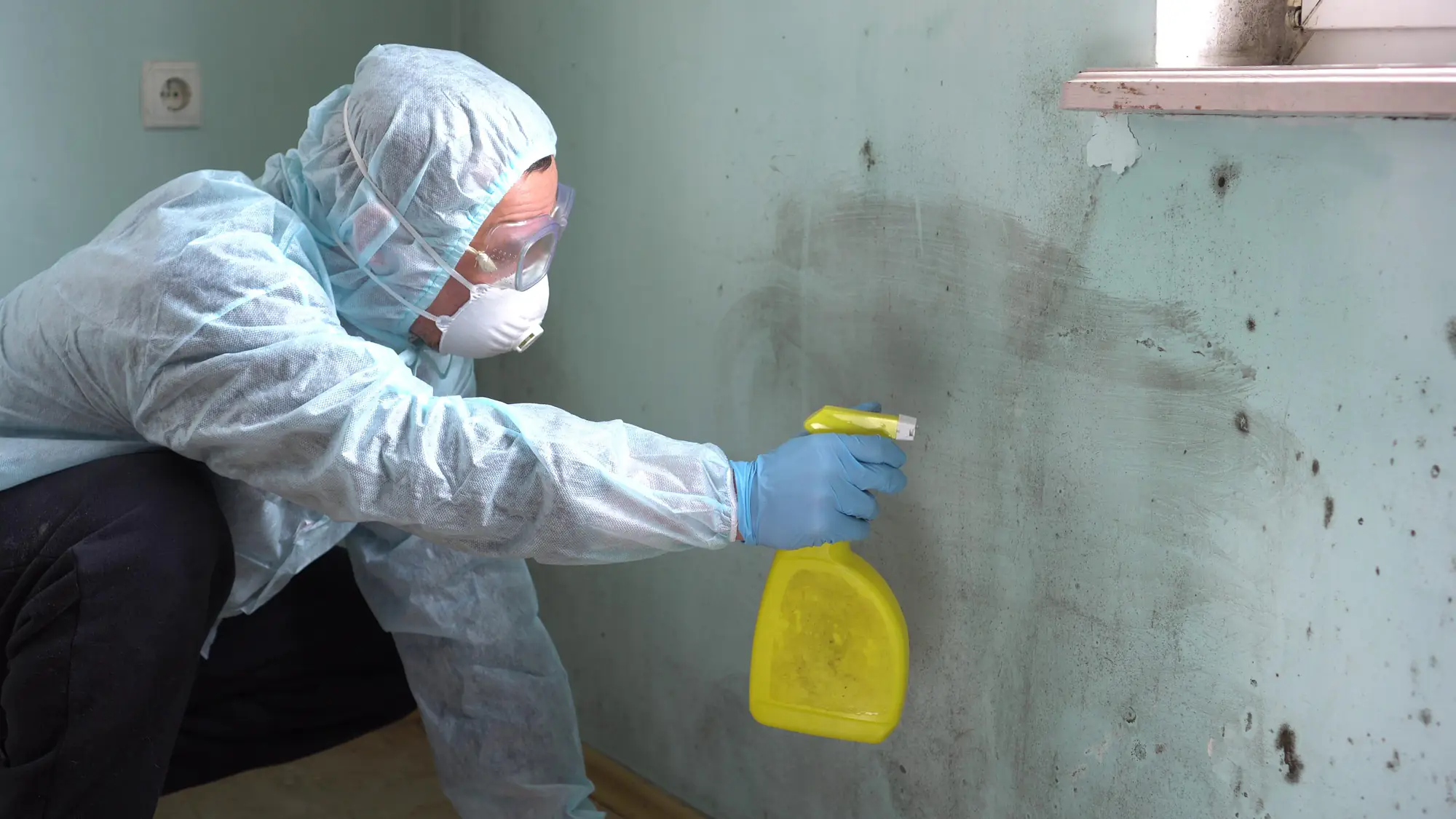
First, we do a free inspection. We’re looking for visible mold, moisture sources, and hidden growth using infrared cameras and digital moisture meters. This isn’t a 15-minute walkthrough—we’re checking behind walls, under flooring, and in areas you can’t easily access.
If we find mold, we’ll recommend lab testing to identify the species and concentration levels. This matters because different molds require different approaches, and you need documentation if you’re filing an insurance claim or selling your home.
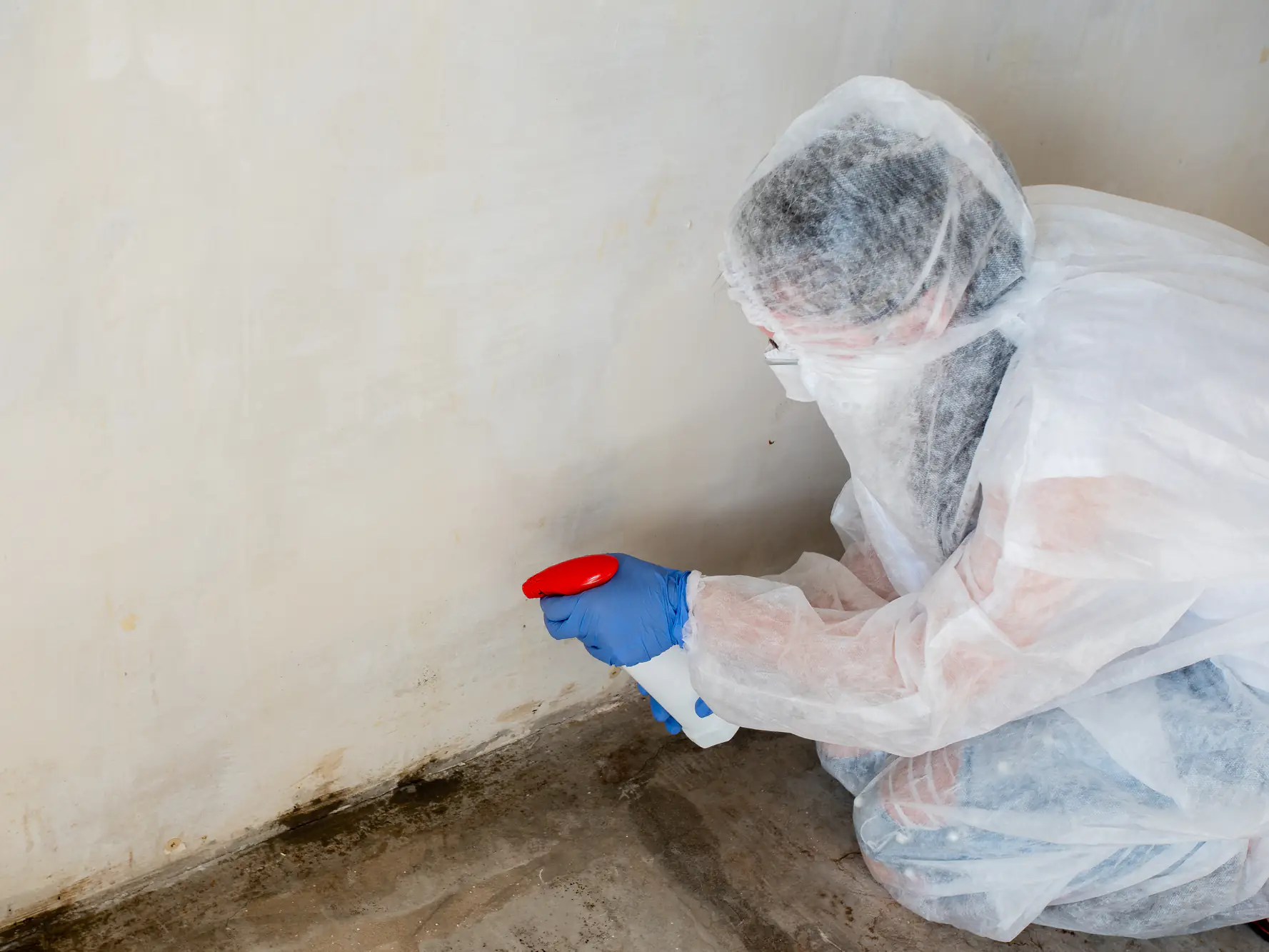
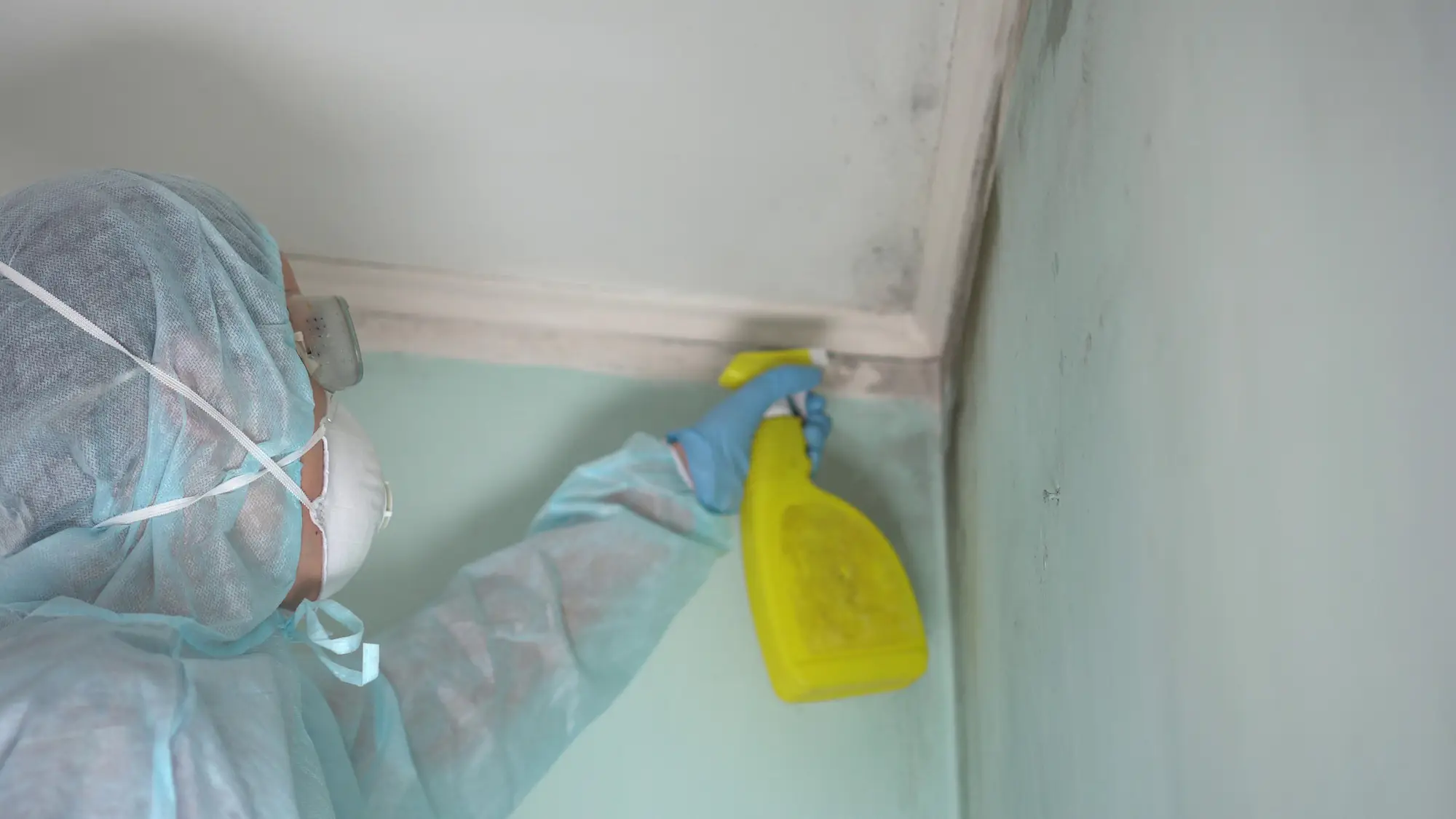
Once we know what we’re dealing with, we isolate the affected area to prevent spores from spreading during removal. We remove contaminated materials, treat surfaces with professional-grade solutions, and address the moisture problem that caused the growth in the first place. If we don’t fix the source, you’ll have mold again in a few months.
After remediation, we can do post-testing to confirm the air quality is back to normal levels. You get documentation showing the work was done right—which matters for your peace of mind, your family’s health, and your home’s resale value.
Ready to get started?
You get a thorough assessment using equipment that detects problems you can’t see. Moisture meters tell us where humidity levels are elevated. Thermal imaging shows us temperature differences that indicate water intrusion or poor ventilation. These tools find mold before it becomes a visible disaster.
Lab analysis from certified facilities gives you specific information about mold species and spore counts. This isn’t optional if you’re dealing with insurance companies or preparing to sell. In Telford’s competitive housing market—where homes are selling for a median of $428,000—you can’t afford to have mold questions hanging over a transaction.
We also help with insurance claims. Most policies cover mold if it resulted from a covered event like a burst pipe or storm damage. We know what documentation adjusters need because we’ve worked with insurance companies for years. We provide detailed reports, photos, and lab results that support your claim.
For Telford homeowners, protecting your property investment matters. With home values increasing 2.9% year-over-year and a highly competitive market, mold problems can cost you tens of thousands in lost value or kill a sale entirely. Professional remediation protects that investment and gives you documentation that the problem was handled correctly.

Most residential mold remediation projects in the Telford area run between $1,200 and $3,700, with the average around $2,400. That’s for standard jobs—basement mold, bathroom contamination, or crawl space issues.
Severe infestations can cost more, sometimes reaching $6,000 or higher if mold has spread throughout multiple rooms or requires significant structural repairs. The size of the affected area, the type of materials involved, and whether we need to remove drywall or flooring all impact the final cost.
We give you upfront pricing after the inspection. No surprises, no inflated estimates designed to scare you. You’ll know exactly what the work involves and what it costs before we start.
If you can see mold growth larger than about 10 square feet, you need professional help. If you smell a musty odor but can’t find the source, that’s another sign—mold is often growing behind walls or under flooring where you can’t see it.
Health symptoms are a red flag too. Stuffy nose, coughing, wheezing, burning eyes, or skin irritation that gets worse at home and better when you leave. About 25% of people are genetically more susceptible to mold illness, and if you or your family members have asthma, the risks are even higher.
Water damage is the biggest predictor. If you’ve had a leak, flood, or moisture problem in the past year, there’s a good chance mold is growing somewhere. In Telford’s older homes, basement moisture and poor ventilation create ideal conditions. A professional inspection with moisture meters and thermal imaging will tell you for sure.
It can—if the moisture source isn’t fixed. Mold needs water to grow. If you remove the mold but don’t address the leak, condensation, or humidity problem that caused it, you’ll see growth again within months.
That’s why proper remediation includes finding and fixing the source. Maybe it’s a leaky pipe, poor ventilation in your bathroom, or groundwater seeping into your basement. We identify the cause during inspection and address it as part of the job.
Once the moisture problem is solved and contaminated materials are removed, mold shouldn’t return to that area. We’re not just cleaning surfaces—we’re eliminating the conditions that allowed mold to grow in the first place. That’s the difference between a real solution and a temporary fix.
Sometimes. Most homeowners insurance policies in Pennsylvania cover mold if it resulted from a covered peril—like a burst pipe, storm damage, or appliance malfunction. If mold developed because of long-term neglect or maintenance issues, insurance typically won’t pay.
The key is documentation. You need to show that the mold was caused by a sudden, covered event and that you took reasonable steps to address it quickly. That’s where professional remediation helps—we provide detailed reports, photos, and lab analysis that insurance adjusters require.
We’ve worked with insurance companies throughout Bucks County for years. We know what they’re looking for and how to document the work properly. If you’re filing a claim, we can help you navigate that process and provide the evidence you need to support it.
Most residential jobs take two to five days, depending on the size of the affected area and the extent of contamination. A single bathroom or small basement section might be done in a couple days. Larger projects involving multiple rooms or structural repairs take longer.
The timeline also depends on drying time. After we remove contaminated materials and treat surfaces, everything needs to dry completely before we can close up walls or replace flooring. Rushing this step invites mold to come back.
We’ll give you a realistic timeline during the inspection. We’re not going to tell you it’ll take two days when we know it’ll take four. You’ll know what to expect, how long you might need to stay out of certain areas, and when the job will be finished.
Remediation is the correct term because you can’t completely remove every mold spore from a home—some level of mold exists everywhere. Remediation means bringing mold levels back to normal, safe concentrations and removing contaminated materials that can’t be cleaned.
Removal sounds like we’re getting rid of every trace, which isn’t realistic or necessary. What matters is eliminating the mold growth, addressing the moisture source, and restoring your indoor air quality to healthy levels.
Professional remediation includes containment to prevent spores from spreading during the work, removal of materials that are too contaminated to save, treatment of surfaces that can be cleaned, and verification that air quality is back to normal. That’s a complete process—not just spraying bleach on visible mold and calling it done.
Other Services we provide in Telford