
Hear from Our Customers

You’ve noticed the musty smell. Maybe someone in your house has been dealing with allergies that won’t quit, or you’re just not sure what’s going on behind your walls after that leak last spring.
A home air quality test gives you actual data. Not guesses. We measure mold spores, check moisture levels, and use infrared cameras to find problems you can’t see. You’ll know if there’s mold growing somewhere hidden, how bad it is, and what’s causing it.
This matters because indoor air quality is typically two to five times worse than outdoor air. Your HVAC system can circulate mold spores throughout your entire house. Kids, elderly family members, and anyone with asthma or immune issues feel it first. A professional air quality testing service stops the guessing and starts the fixing.
We’ve been helping homeowners in Shelly and throughout Bucks County figure out what’s actually happening with their indoor air. We’re not a national franchise. We know this area—the humid summers, the older homes, the basements that always seem damp.
We use the same equipment and methods for every inspection: infrared cameras, moisture meters, and mold air tests that get sent to a lab. You get a written report that explains what we found and what it means for your home.
Our team has seen it all. Mold behind drywall from old roof leaks. Crawl spaces with standing water. HVAC systems spreading spores to every room. We’ll tell you what’s wrong, how it got that way, and what needs to happen next.

We start with a free initial assessment. You show us the problem areas—or tell us your concerns—and we do a visual inspection of your property. We’re looking at basements, crawl spaces, attics, bathrooms, anywhere moisture tends to hide.
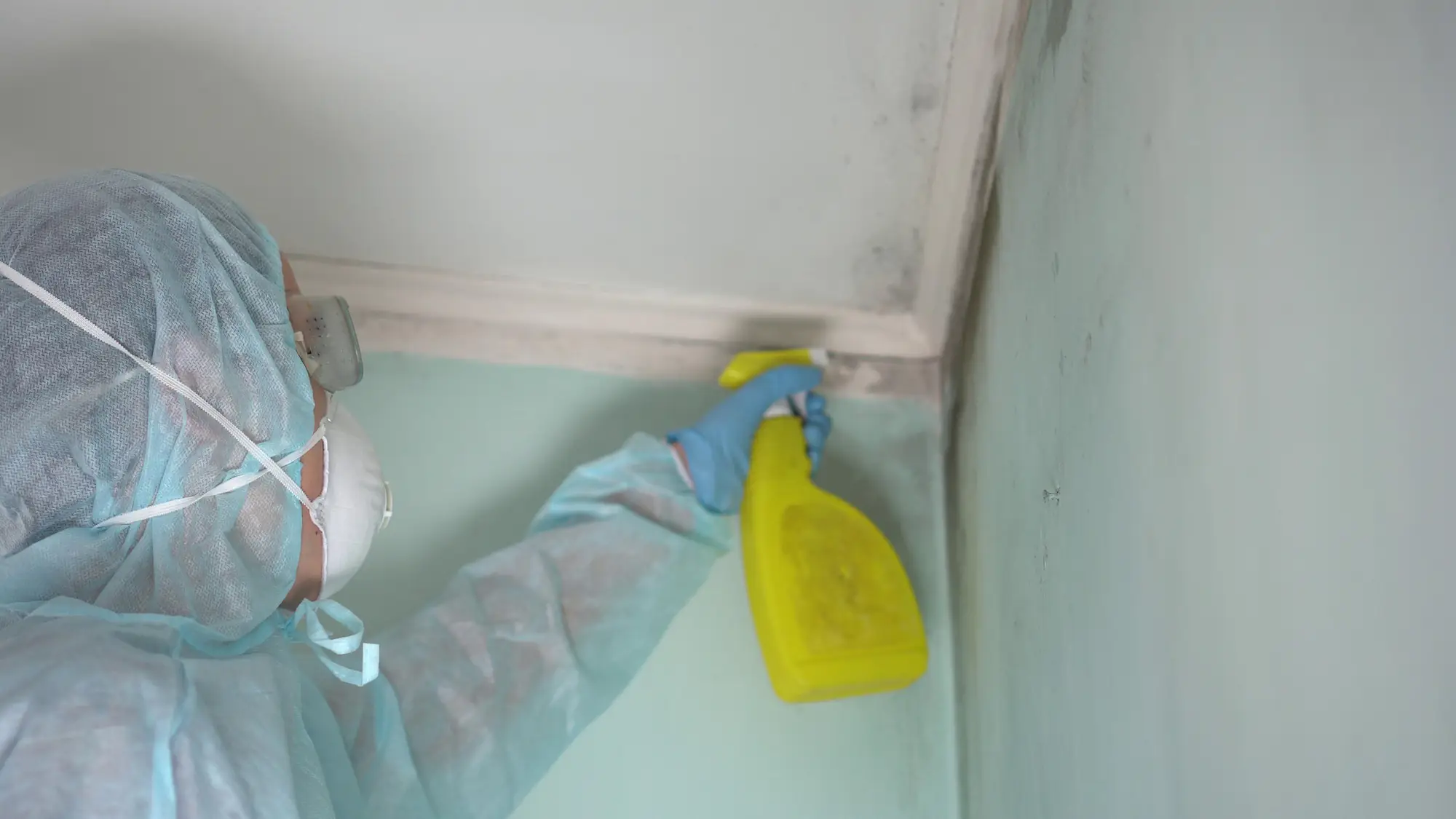
Next comes the technology. We use infrared cameras to detect temperature differences that indicate moisture behind walls or ceilings. Moisture meters give us exact readings. If we find visible mold or suspect hidden growth, we take air samples and surface samples that go to a certified lab for analysis.
The lab results come back in a few days. We’ll walk you through the report and explain what the mold spore counts mean, what types of mold are present, and where the moisture is coming from. Then we give you a detailed estimate for remediation if it’s needed. No pressure. No surprise fees later. Just clear information so you can make the right call for your home.

Ready to get started?
Your indoor air quality test covers the full property. We inspect visible areas and use diagnostic equipment to check hidden spaces where mold typically grows. That includes wall cavities, under flooring, inside HVAC ducts, and anywhere we detect elevated moisture.
Bucks County’s climate makes this especially important. Hot, humid summers create perfect conditions for mold growth. If your home has had any water damage—roof leaks, burst pipes, foundation seepage—you’re at higher risk. Older homes in Shelly often have ventilation issues that trap moisture inside.
We test for multiple contaminants. Mold spores are the main concern, but we also evaluate overall air quality and identify sources of indoor air pollution. You’ll receive lab-certified results that show exactly what’s in your air and at what concentration. If there’s a problem, we’ll trace it back to the source—whether that’s a hidden leak, poor ventilation, or lingering moisture from previous water damage. Then we’ll explain your options for fixing it, from simple repairs to full mold remediation.
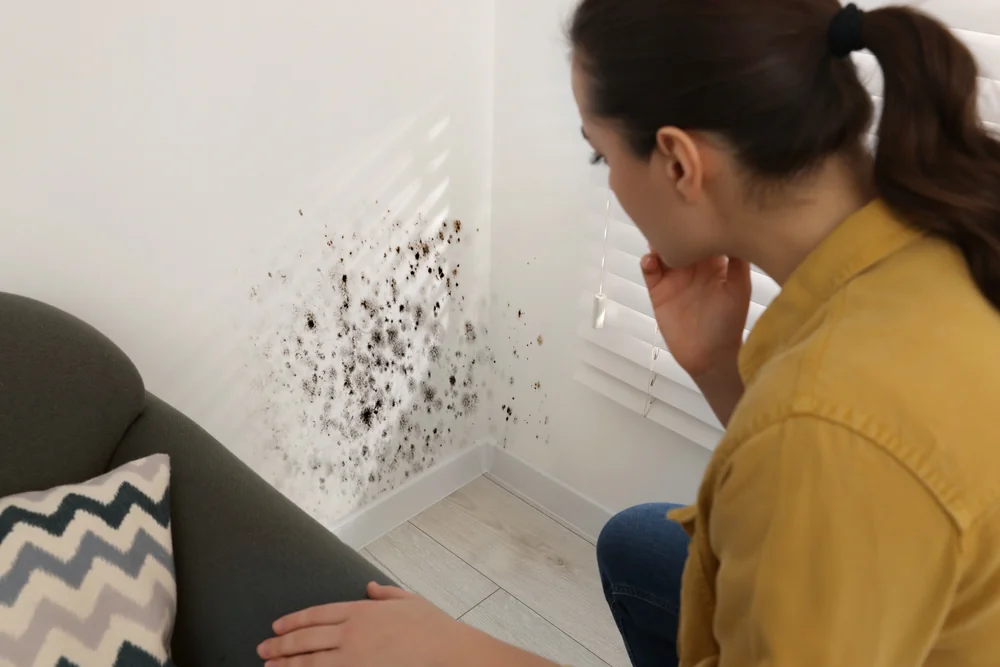
You need a mold air test if you’re smelling musty odors, seeing visible mold growth, or dealing with unexplained health symptoms like persistent coughing, sneezing, or respiratory issues. It’s also smart to test after any water damage—even if you cleaned it up yourself.
Sometimes mold grows in places you can’t see. Behind drywall. Under flooring. Inside your HVAC system. A mold air test measures spore counts in your indoor air and compares them to outdoor levels. If your indoor counts are significantly higher, you’ve got a problem somewhere.
We also recommend testing if you’re buying or selling a home in Shelly. Pennsylvania law requires sellers to disclose known mold issues. A professional air quality testing service gives you documentation either way. If you’re buying, it protects you from inheriting someone else’s mold problem. If you’re selling, it gives buyers confidence and can prevent deals from falling apart during inspection.
A mold inspection is visual. We look for visible mold growth, water damage, moisture problems, and conditions that support mold. We use infrared cameras and moisture meters to find hidden issues. This tells us where mold is likely growing.
Air quality testing goes further. We collect air samples from different rooms and send them to a certified lab. The lab identifies what types of mold spores are present and measures the concentration. This tells us how bad the problem is and whether it’s affecting your entire home or just one area.
Most homeowners need both. The inspection finds the source. The air test measures the impact. Together, they give you a complete picture. You’ll know where the mold is growing, what kind it is, how much is in your air, and what’s causing it. That’s the information you need to fix the problem correctly—not just cover it up and hope it doesn’t come back.
The on-site inspection and sample collection usually takes one to two hours, depending on the size of your home and how many areas we’re testing. We’re thorough but efficient. You don’t need to do anything special to prepare—just give us access to all areas of your home, including basements, attics, and crawl spaces.
Air samples go to a certified lab for analysis. Results typically come back within three to five business days. Some labs offer rush processing if you’re on a tight timeline—like closing on a house or dealing with a health emergency.
Once we have the lab results, we’ll schedule a follow-up call or meeting to review everything with you. We’ll explain what the spore counts mean, show you where the problem areas are, and give you a detailed estimate for remediation if needed. You’ll have all the information in writing, including the lab report, so you can share it with your doctor, insurance company, or real estate agent if necessary.
It depends on what caused the mold. If it’s from a sudden, accidental event—like a burst pipe or storm damage—most homeowners insurance policies will cover testing and remediation. If it’s from long-term neglect, poor maintenance, or ongoing moisture problems you didn’t address, they probably won’t.
The key is documenting everything. We provide detailed reports that show what we found, what caused it, and what needs to be done. That documentation helps when you file a claim. We’ve worked with insurance companies throughout Bucks County for years and know what they need to see.
We can also help you navigate the claims process. We’ll answer questions from your adjuster and provide any additional information they request. Even if insurance doesn’t cover the full cost, you’ll know exactly what you’re dealing with and what it will take to fix it. Ignoring mold doesn’t make it cheaper—it makes it worse. Homes with untreated mold can lose 20 to 37 percent of their value, and the health risks only increase over time.
You can buy DIY mold test kits at hardware stores, but they’re not reliable. Most don’t tell you what type of mold you have or how much is actually in your air. They just tell you “mold detected,” which doesn’t help you understand the severity or what to do about it.
Professional air quality testing uses calibrated equipment and certified labs. We collect samples using specific protocols that ensure accurate results. The lab analysis identifies exact mold species and measures spore concentrations. That matters because some molds are more dangerous than others, and concentration levels determine whether you need remediation or just better ventilation.
We also find the source. A DIY kit might confirm you have mold, but it won’t tell you where it’s coming from or how to stop it. Our inspection includes infrared scanning and moisture mapping. We’ll show you the leak, the condensation problem, or the ventilation issue that’s feeding the mold growth. Without fixing the source, the mold just comes back—even if you clean it yourself.
The most common molds we find in Bucks County homes are Cladosporium, Penicillium, Aspergillus, and Stachybotrys (black mold). All of them thrive in damp environments, and Shelly’s humid summers create ideal conditions for growth.
Cladosporium usually shows up on wood surfaces, drywall, and fabrics. It’s one of the most common indoor molds and can trigger allergies and asthma. Penicillium grows on water-damaged materials and often appears blue or green. Aspergillus likes high-humidity areas and can cause serious respiratory infections in people with weakened immune systems.
Stachybotrys—black mold—is the one everyone worries about. It grows on materials with high cellulose content, like drywall and wood, especially after water damage. It produces mycotoxins that can cause serious health problems. Not every black-colored mold is Stachybotrys, which is why lab testing matters. We’ll identify exactly what you’re dealing with and explain the health risks specific to that mold type. Then you can make an informed decision about remediation based on facts, not fear.
Other Services we provide in Shelly