
Hear from Our Customers

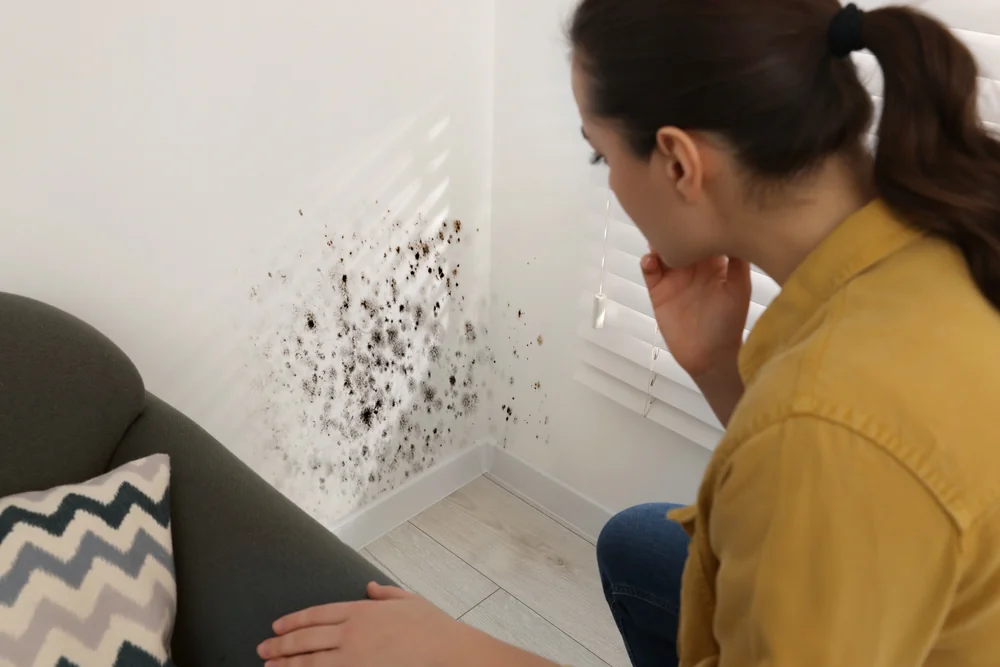
You’ve noticed the musty smell. Maybe someone in your house has a cough that won’t quit, or allergies that seem worse indoors than out. You’ve checked the obvious spots—nothing visible. But that doesn’t mean nothing’s there.
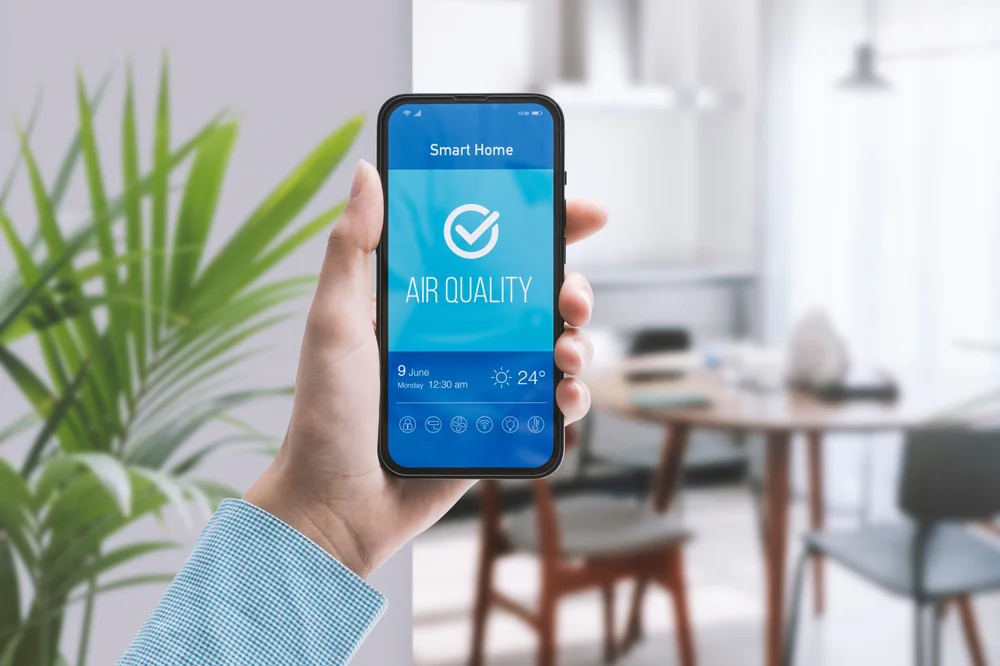
A home air quality test tells you exactly what’s in your air and where it’s coming from. Not a guess. Not a maybe. Actual lab results that show mold spore levels, moisture problems, and contamination you can’t see with your eyes.
Rocky Ridge sits in York County, where older homes, humidity swings, and Pennsylvania’s wet springs create the perfect conditions for hidden mold growth. Basements stay damp. Crawl spaces trap moisture. HVAC systems circulate spores you didn’t know existed. A professional air quality testing service doesn’t just confirm what’s obvious—it finds what’s making your family sick before it gets worse.
You get a clear report. You know what needs fixing. And you can finally stop second-guessing whether your home is safe.
We work throughout Bucks County and York County, including Rocky Ridge and the surrounding areas. We’ve been inside hundreds of homes that looked fine on the surface but had serious air quality problems lurking behind walls, under floors, and in ductwork.
We’re locally owned, and we understand how Pennsylvania’s climate affects your home. The temperature swings, the spring rains, the older construction common in this area—it all adds up to conditions where mold thrives quietly. We use certified lab testing through PRO-LAB, the same standard insurance companies and health inspectors rely on.
You’re not getting a sales pitch. You’re getting a technician who knows what to look for, where to look, and how to explain what the results actually mean for your home and your family.

First, we walk through your home and talk about what you’ve noticed—smells, symptoms, water issues, anything that’s made you concerned. This isn’t a checklist. It’s a conversation that helps us understand your specific situation.
Then we start testing. We use air sampling equipment to capture what’s floating around in your home—mold spores, particulates, contaminants. We also check moisture levels in walls, floors, and ceilings using thermal imaging and moisture meters. These tools find problems you can’t see: mold behind drywall, moisture trapped in insulation, or HVAC systems spreading spores into every room.
We collect samples and send them to a certified lab for analysis. Results typically come back within 2-3 business days. You get a full written report that breaks down exactly what was found, where the problem areas are, and what spore levels mean for your health.
After that, we walk you through the findings. If there’s a problem, we explain what needs to happen next—whether that’s mold remediation, moisture control, or HVAC cleaning. If your air tests clean, you have documentation and peace of mind. Either way, you’re not left guessing.
Ready to get started?
A residential air quality testing appointment covers more than just air samples. You’re getting a full assessment of what’s affecting your indoor environment and why.
We test air quality in multiple rooms to compare spore levels and identify problem areas. We inspect common trouble spots—basements, crawl spaces, attics, bathrooms, and areas around plumbing or HVAC systems. We use moisture detection tools to find hidden water intrusion that’s feeding mold growth. And we check ventilation to see if your home is trapping humidity or circulating contaminated air.
Rocky Ridge homes, especially older ones common in York County, often have basements with stone foundations or crawl spaces with dirt floors. Both are moisture magnets. Add in Pennsylvania’s humid summers and wet springs, and you’ve got conditions where mold doesn’t just grow—it spreads. That’s why we don’t just test air. We look at the whole picture: where moisture is coming from, how air moves through your home, and what’s creating the environment for mold to thrive.
Every sample goes to a PRO-LAB certified laboratory. You get documentation that’s detailed enough for insurance claims, health consultations, or real estate transactions. And if remediation is needed, you’ll know exactly what you’re dealing with before any work begins.
Most residential air quality testing runs between $300 and $600, depending on how many rooms you’re testing and whether you need additional services like moisture mapping or HVAC inspection. If you’re dealing with a known mold problem or need documentation for insurance, the cost is often covered or reimbursed as part of a remediation claim.
We offer free initial inspections to assess your situation before any testing happens. That way, you’re not paying for services you don’t need. If testing makes sense, we’ll explain what’s involved and give you a clear price before we start.
For homes in Rocky Ridge and the surrounding York County area, we’ve found that most situations require 2-4 air samples plus a visual inspection and moisture assessment. That typically falls in the $400-$500 range. If your home is larger, has multiple levels, or you’re testing specific areas like a finished basement or attic, the scope adjusts accordingly.
You can, but it won’t tell you much. DIY kits confirm that mold exists—which is true in every home. Mold spores are always present in indoor air. The question isn’t whether mold is there. It’s whether the levels are high enough to cause health problems or indicate hidden growth.
DIY kits don’t measure spore concentration. They don’t compare your indoor air to outdoor baselines. And they can’t detect mold hidden behind walls, under flooring, or in ductwork. You’ll get a result that says “mold detected,” but you won’t know if it’s normal background levels or a serious contamination issue.
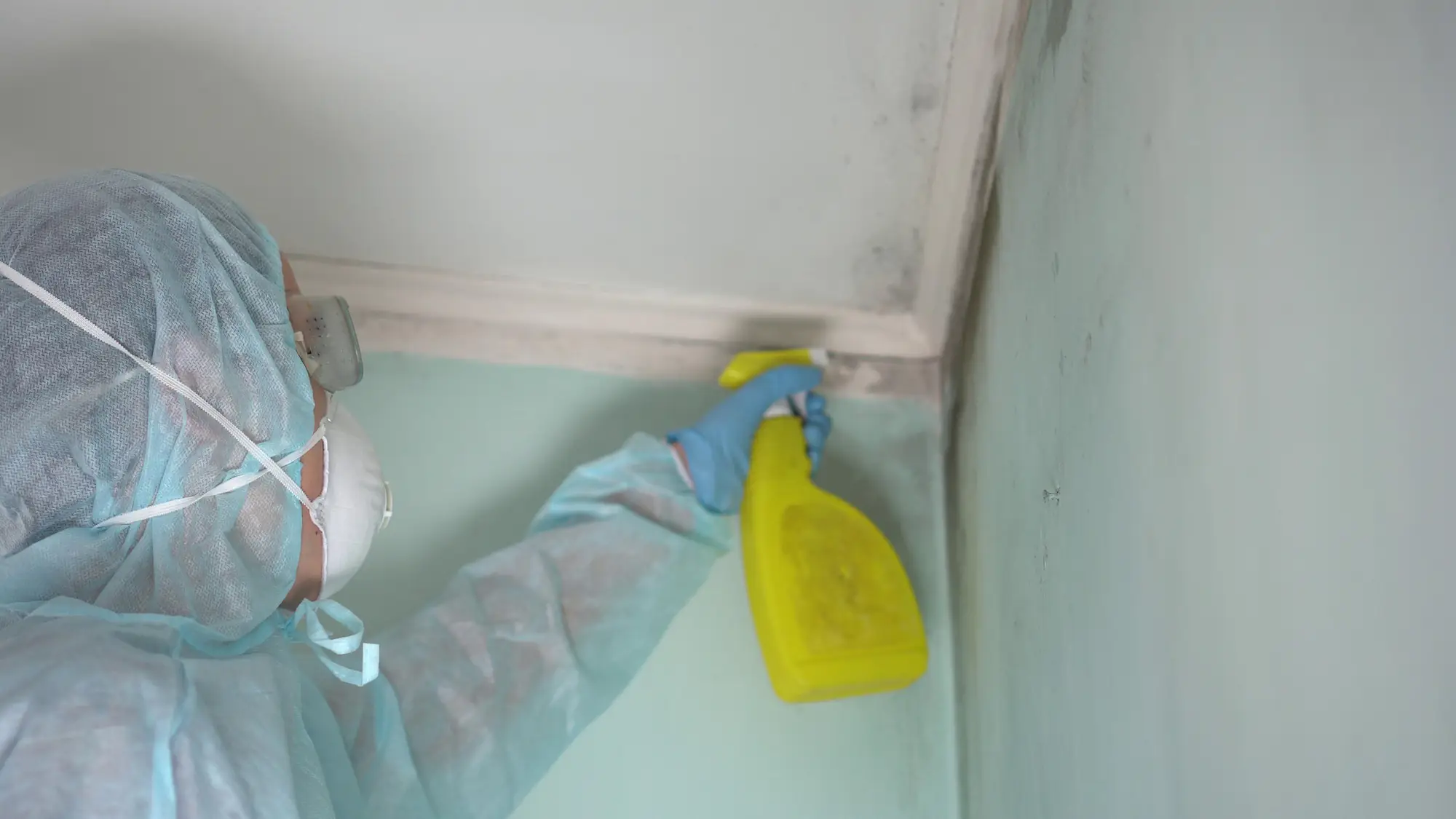
Professional air quality testing uses calibrated equipment and lab analysis to measure exactly how much mold is in your air and what types are present. We compare indoor levels to outdoor samples to see if your home has elevated contamination. And we use thermal imaging and moisture meters to find the source—not just confirm what’s floating around. If you’re trying to figure out whether you have a problem worth addressing, a DIY kit won’t give you that answer.
The on-site inspection and testing usually takes 1-2 hours, depending on the size of your home and how many areas we’re sampling. We’re not rushing through it. We’re checking moisture levels, inspecting problem areas, collecting air samples, and talking through what we’re finding as we go.
Lab results come back within 2-3 business days. Once we have the report, we schedule a follow-up call or meeting to walk you through the findings. That conversation usually takes 20-30 minutes, and it’s where we explain what the numbers mean, what’s causing any issues, and what your options are.
If you’re dealing with an urgent situation—like a family member with severe respiratory symptoms or a recent water leak—we can prioritize lab processing and get results faster. But in most cases, the standard timeline gives you accurate, thorough analysis without cutting corners. You’re not waiting weeks, but you’re also not getting rushed results that miss important details.
You get a detailed report that shows exactly what types of mold were found, where the highest concentrations are, and what spore levels mean for your health. From there, we help you understand what needs to happen next.
If the contamination is localized—like a bathroom with a ventilation problem or a basement corner with a moisture issue—remediation might be straightforward. We’ll explain what’s involved, how long it takes, and what it costs. If the problem is more widespread, we map out a plan that addresses the source of moisture, removes contaminated materials, and prevents future growth.
We work directly with insurance companies if your policy covers mold remediation. That means we handle the documentation, communicate with adjusters, and make the claims process as simple as possible. Most policies require professional testing and remediation, so having certified lab results from the start puts you in a stronger position for coverage.
You’re not locked into using us for remediation just because we did the testing. But if you choose to move forward with us, you’re working with the same team that already knows your home, understands the problem, and has a clear plan to fix it.
If you’re noticing symptoms—respiratory issues, persistent coughing, headaches, allergy flare-ups that get worse indoors—then yes. Mold doesn’t have to be visible to affect your health. It grows behind walls, under flooring, in HVAC ducts, and inside insulation. You’ll smell it before you see it, and you’ll feel it before you smell it.
Rocky Ridge homes, especially older ones with basements or crawl spaces, are prone to hidden moisture problems. A small leak behind a washing machine, condensation in ductwork, or poor ventilation in a bathroom can create mold growth that spreads for months without being noticed. By the time it’s visible, it’s usually a bigger problem than it needed to be.
Air quality testing catches issues early. It gives you a baseline so you know whether your indoor air is normal or contaminated. And if someone in your household has asthma, allergies, or a compromised immune system, testing isn’t optional—it’s the only way to know for sure that your home isn’t making them sick. You don’t need to see mold to have a mold problem. You just need to pay attention to what your home and your body are telling you.
Yes. HVAC systems are one of the most common ways mold spreads through a home. If there’s moisture in your ductwork—from condensation, leaks, or poor insulation—mold can grow inside the ducts and get pushed into every room every time your system runs.
During a professional air quality testing appointment, we inspect your HVAC system as part of the overall assessment. We check for visible mold around vents and registers, test air quality near supply and return ducts, and look for signs of moisture or contamination inside the system. If we find elevated spore levels near your HVAC, that’s a red flag that your ducts need cleaning or remediation.
Pennsylvania’s humidity makes HVAC mold growth more common than in drier climates. Your system cools air by removing moisture, and that moisture has to go somewhere. If your drain pan isn’t draining properly, or if ducts aren’t insulated correctly, you’re creating an environment where mold thrives. Testing identifies whether your HVAC is part of the problem—and if it is, we’ll explain what needs to happen to fix it and keep it from coming back.