
Hear from Our Customers
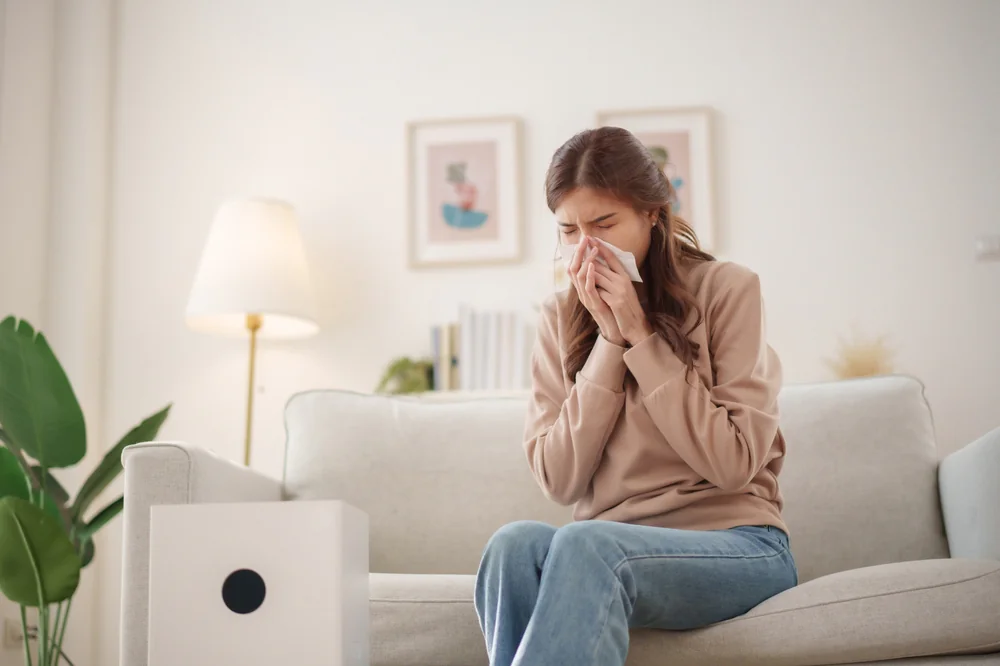
You’ve noticed the symptoms. Someone’s always sneezing, coughing more than usual, or dealing with headaches that won’t quit. You’ve tried air purifiers, changed filters, opened windows. Nothing’s working because you’re treating symptoms without knowing the actual problem.
A home air quality test tells you exactly what’s in your air. Mold spores, radon gas, volatile organic compounds, dust mites, pet dander—the things you can’t see but your body’s reacting to every day. In Quincy Hollow, where 40% of Pennsylvania homes test above EPA radon guidelines and humidity creates perfect conditions for mold, guessing isn’t good enough.
Testing gives you a baseline. You’ll know if that musty smell in the basement is actually mold releasing spores into your HVAC system. You’ll understand why your kid’s asthma flares up at home but improves at school. You’ll have data that lets you make smart decisions about your home instead of throwing money at problems you’re only guessing at.
Most importantly, you’ll stop wondering if your home is making you sick. You’ll know. And once you know, you can actually fix it.
We’ve spent more than 10 years testing homes throughout Quincy Hollow and Bucks County. We’re members of the Indoor Air Quality Association and National Association of Mold Professionals because this work matters—your family’s breathing this air every single day.
We know the homes here. Most were built between 1940 and 1999, and older construction means different ventilation, different materials, and different problems than newer builds. We understand how Bucks County’s unpredictable weather and high humidity affect indoor air quality, especially in basements and crawl spaces common in this area.
Our equipment gets calibrated daily, and we send samples to independent third-party labs for accurate results. No conflicts of interest, no inflated findings to sell you services you don’t need. Just clear data about what’s actually in your air so you can make informed decisions about your home and your family’s health.
First, we’ll talk through what you’re experiencing. Symptoms, odors, visible issues, recent water damage, anything that prompted you to look into testing. This helps us know which tests will give you the most useful information.
During the inspection, we use multiple methods depending on what we’re looking for. Air sampling captures what’s floating around that you’re actually breathing. Surface testing checks specific areas where you’ve seen discoloration or suspect growth. Moisture meters find hidden water problems that create conditions for mold. Thermal imaging reveals temperature differences that indicate moisture behind walls or in ceilings.
For radon testing—critical in Pennsylvania—we place monitors in your lowest lived-in level for 48 hours minimum. Radon levels fluctuate, so we need time to get an accurate reading of what you’re actually exposed to day after day.
Once testing is complete, samples go to the lab. You’ll get a detailed report within a few days showing exactly what was found, where levels fall compared to EPA and industry standards, and what it means for your home. If there’s a problem, we’ll explain your options clearly. If levels are normal, you’ll have documentation and peace of mind.
Ready to get started?
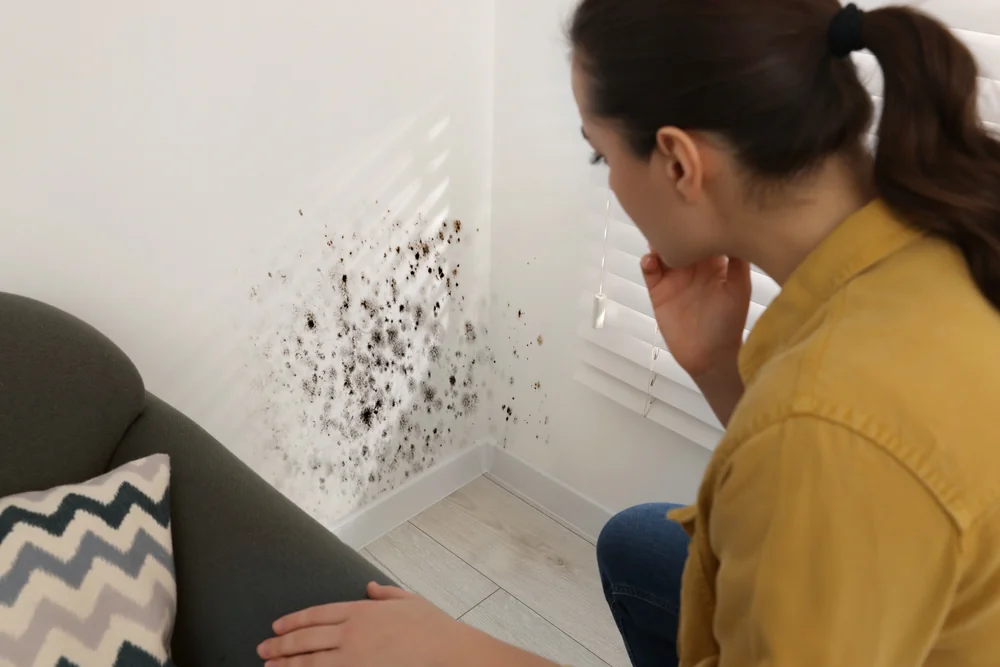
Mold air testing is the most common request we get in Quincy Hollow. We’re looking for elevated spore counts and identifying specific mold types. Some molds are relatively harmless. Others, like black mold, produce mycotoxins that cause serious health problems. The test tells us which you’re dealing with and how widespread the issue is.
Radon testing is non-negotiable in Pennsylvania. This state has one of the worst radon problems in the country, and Bucks County is no exception. Radon is the second leading cause of lung cancer after smoking, and you can’t see it, smell it, or taste it. The only way to know if you’re exposed is to test. If levels are high, mitigation systems work—but you need to know there’s a problem first.
We also test for volatile organic compounds from cleaning products, building materials, and furnishings. Carbon monoxide if you have gas appliances or an attached garage. Allergens like dust mites and pet dander if someone’s dealing with constant allergy symptoms. Humidity levels that indicate whether your home is too damp or too dry, both of which cause problems.
Each test is calibrated to EPA and industry standards. You’re not getting rough estimates—you’re getting lab-verified data that shows exactly where your home stands and whether action is needed. That’s the difference between professional air quality testing and the DIY kits that give you incomplete information and leave you guessing what to do next.
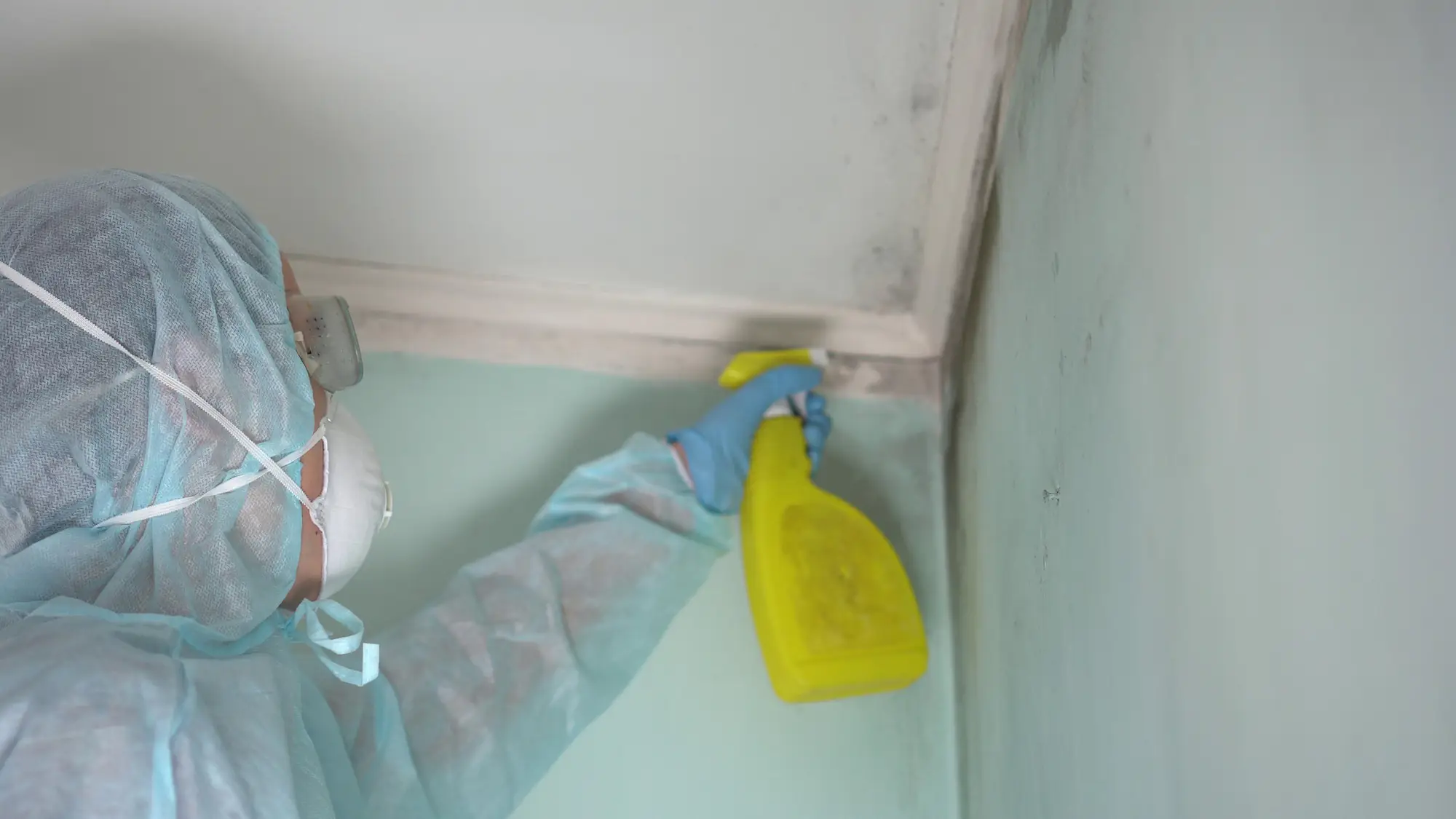
Most homeowners in Quincy Hollow pay between $250 and $600 depending on what you’re testing for and how large your home is. A basic mold air test runs around $250-$300. Comprehensive testing that includes mold, radon, VOCs, and allergens typically falls in the $400-$600 range.
That’s more than a DIY kit, but you’re paying for accuracy and actionable information. Professional testing uses calibrated equipment and independent lab analysis. You get specific data about spore counts, radon levels in picocuries per liter, and VOC concentrations—numbers that mean something and tell you whether you actually have a problem.
DIY kits give you a yes/no answer at best, and they’re often wrong. They don’t account for proper sampling techniques, they can’t identify specific mold types, and they leave you wondering what to do with vague results. If you’re going to spend money testing your air, spend it on information you can actually use to protect your family’s health.
The actual testing takes 1-2 hours depending on your home’s size and what we’re testing for. We’re collecting air samples, checking surfaces, measuring moisture levels, and placing radon monitors if needed. You can be home during testing or not—whatever works better for your schedule.
Radon monitors stay in place for 48-72 hours to get accurate readings since radon levels fluctuate throughout the day. Once we pick up the monitors, results come back from the lab within 3-5 business days. Mold and air quality samples typically take 3-5 days as well. Rush processing is available if you’re dealing with a time-sensitive situation like a real estate transaction.
You’ll receive a detailed report explaining what was found, how levels compare to EPA and industry standards, and what it means for your home. If remediation is needed, we’ll include recommendations for next steps. If everything tests normal, you’ll have documentation proving your indoor air quality is safe—useful for your own peace of mind and valuable if you ever sell your home.
Unexplained health symptoms are the biggest red flag. If you or your family members are dealing with persistent coughing, sneezing, headaches, dizziness, sinus irritation, or fatigue that improves when you leave the house, your indoor air quality deserves a closer look. Asthma or allergy symptoms that won’t quit despite medication often trace back to something in the air at home.
Visible signs matter too. Musty odors, especially in basements or bathrooms, usually mean mold growth somewhere even if you can’t see it. Water damage from leaks, floods, or high humidity creates conditions for mold within 24-48 hours. Discoloration on walls, ceilings, or around windows indicates moisture problems that lead to air quality issues.
You should also test if you’re buying or selling a home in Quincy Hollow, if you’ve recently renovated (construction materials release VOCs), if you have an older home built before 1980, or if you just want a baseline to know what you’re working with. Many homeowners in Bucks County test annually, especially if they have young children, elderly family members, or anyone with respiratory conditions. It’s preventive maintenance for your family’s health.
You can, but you’ll likely end up calling us anyway once you realize the kit didn’t give you useful information. DIY kits test a single point in time with equipment that’s not calibrated and methods that aren’t standardized. They can’t identify specific mold types, they don’t measure spore concentrations accurately, and they often produce false positives that cause unnecessary panic or false negatives that miss real problems.
Professional air quality testing uses equipment that’s calibrated daily and sampling techniques that follow industry protocols. We test multiple locations, account for variables like HVAC operation and outdoor conditions, and send samples to accredited labs that can identify exactly what’s in your air and at what levels. You get specific data—like “450 spores per cubic meter of Aspergillus” instead of “mold detected”—that tells you whether you actually have a problem and how serious it is.
The other issue with DIY kits is they don’t tell you what to do next. Let’s say your kit says you have mold. Now what? Where’s it coming from? What type is it? How widespread is the problem? Professional testing answers those questions and gives you a clear path forward. You’re not saving money if you buy a $40 kit, get vague results, and still need to hire someone to figure out what’s actually going on.
Most homeowners in Quincy Hollow should test every 2-3 years as a baseline, more often if you have specific risk factors. If you have young children, elderly family members, or anyone with asthma or respiratory issues, annual testing makes sense. The same goes if you’ve had water damage, flooding, or persistent humidity problems—conditions that create ongoing mold risk in Bucks County’s climate.
You should also test after any significant changes to your home. Renovations release VOCs from new paint, flooring, and materials that can affect air quality for months. If you’ve had mold remediation done, post-testing confirms the problem’s actually resolved and spore counts are back to normal levels. New HVAC systems, major leaks, or changes in how your home smells or feels are all reasons to test.
For radon specifically, EPA recommends testing every two years even if previous results were low. Radon levels change as your home settles, as soil conditions shift, and as you make changes to your home’s ventilation or foundation. Pennsylvania’s radon problem isn’t going away, and Quincy Hollow homes are just as susceptible as anywhere else in Bucks County. Testing is the only way to know if you’re being exposed to dangerous levels of a cancer-causing gas you can’t detect on your own.
If we find elevated mold spore counts, the report will identify which types of mold are present and where concentrations are highest. Some mold findings just mean you need better ventilation or a dehumidifier. Others require professional remediation to remove contaminated materials and treat affected areas. We’ll explain exactly what your results mean and what level of response is appropriate—not every mold finding is an emergency, but some absolutely require immediate action.
For radon, anything above 4.0 picocuries per liter means you need a mitigation system. These systems use fans and pipes to vent radon from beneath your foundation before it enters your home. Installation takes a day or two, and it drops radon levels by 90% or more. It’s not cheap—usually $1,200-$2,500—but it’s a one-time fix that protects your family from long-term cancer risk.
The key is you’ll know exactly what you’re dealing with instead of guessing. If remediation is needed, we’ll walk you through the process, explain your options, and give you a clear scope of work. If levels are borderline, we’ll discuss prevention strategies to keep problems from getting worse. And if everything tests fine, you’ll have documentation proving your home’s air quality is safe—worth a lot for your peace of mind and valuable if you ever sell.
Other Services we provide in Quincy Hollow