
Hear from Our Customers
You notice the musty smell. Your kid’s asthma is worse at home than anywhere else. You’re waking up with headaches you can’t explain. Something’s off, but you can’t see it, and that’s the problem.
Indoor air can hold up to five times more pollutants than outdoor air. Mold spores, radon gas, carbon monoxide, dust mites, volatile organic compounds—they’re all invisible until they’re not. Until someone gets sick. Until the problem becomes expensive.
A home air quality test gives you actual data. Not hunches. We use infrared cameras, moisture meters, and lab-grade sampling equipment to measure what’s in your air and where it’s coming from. You get a report that tells you what’s there, how much, and what to do about it. No more wondering if it’s all in your head.
We work throughout Bucks County, and we’ve seen what happens when homeowners wait too long to test their air. Pinewood’s older housing stock and Pennsylvania’s rising precipitation levels—up 5% to 10% in recent years—create the perfect conditions for mold, moisture buildup, and indoor air problems.
We’re not here to scare you. We’re here to give you clarity. Our technicians use the same equipment and testing protocols whether we’re working in a 1,200-square-foot ranch or a commercial property. You get accurate results and straightforward recommendations, not a sales pitch.
We start with a consultation. You tell us what you’ve noticed—smells, symptoms, visible moisture, whatever’s going on. We listen, ask questions, and figure out where to focus.
Then we inspect your home. We’re looking at basements, crawl spaces, HVAC systems, walls, anywhere moisture or contaminants could hide. Infrared cameras show us temperature differences that indicate moisture problems. Moisture meters confirm it.
We collect air samples and surface samples depending on what we find. Those samples go to a certified lab for analysis. Within a few days, you get a detailed report showing exactly what’s in your air, the concentration levels, and whether those levels are safe. We walk you through the results and explain what needs to happen next—whether that’s remediation, ventilation improvements, or just peace of mind that your air is fine.
Ready to get started?
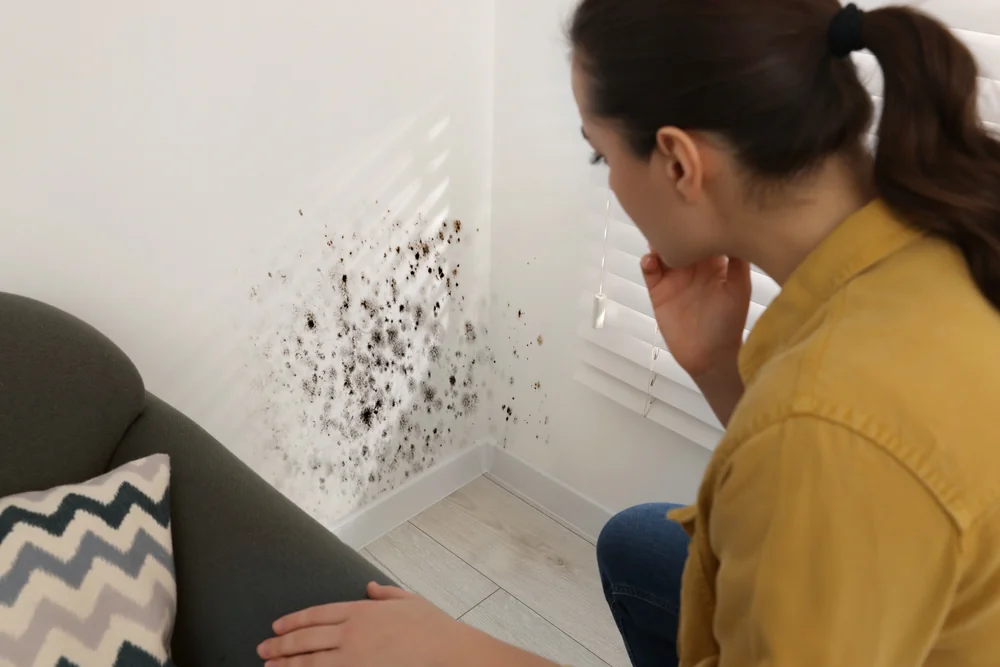
Mold is the big one. It grows anywhere there’s moisture, and in Pinewood’s climate, that’s a lot of places. Basements, bathrooms, behind drywall, inside HVAC ducts. High mold spore counts trigger asthma, allergies, respiratory issues—especially in kids and anyone with a compromised immune system.
Radon is the other serious concern. It’s an odorless radioactive gas that seeps through foundation cracks, and Pennsylvania has some of the highest radon levels in the country. Long-term exposure increases lung cancer risk. Testing is the only way to know if you have a problem.
We also test for carbon monoxide, volatile organic compounds (VOCs), dust mites, pet dander, and other allergens. If you’re buying a home in Pinewood, a mold air test and full indoor air quality assessment protect your investment and your family before you move in. If you’re selling, it speeds up the transaction and eliminates surprises during inspection.
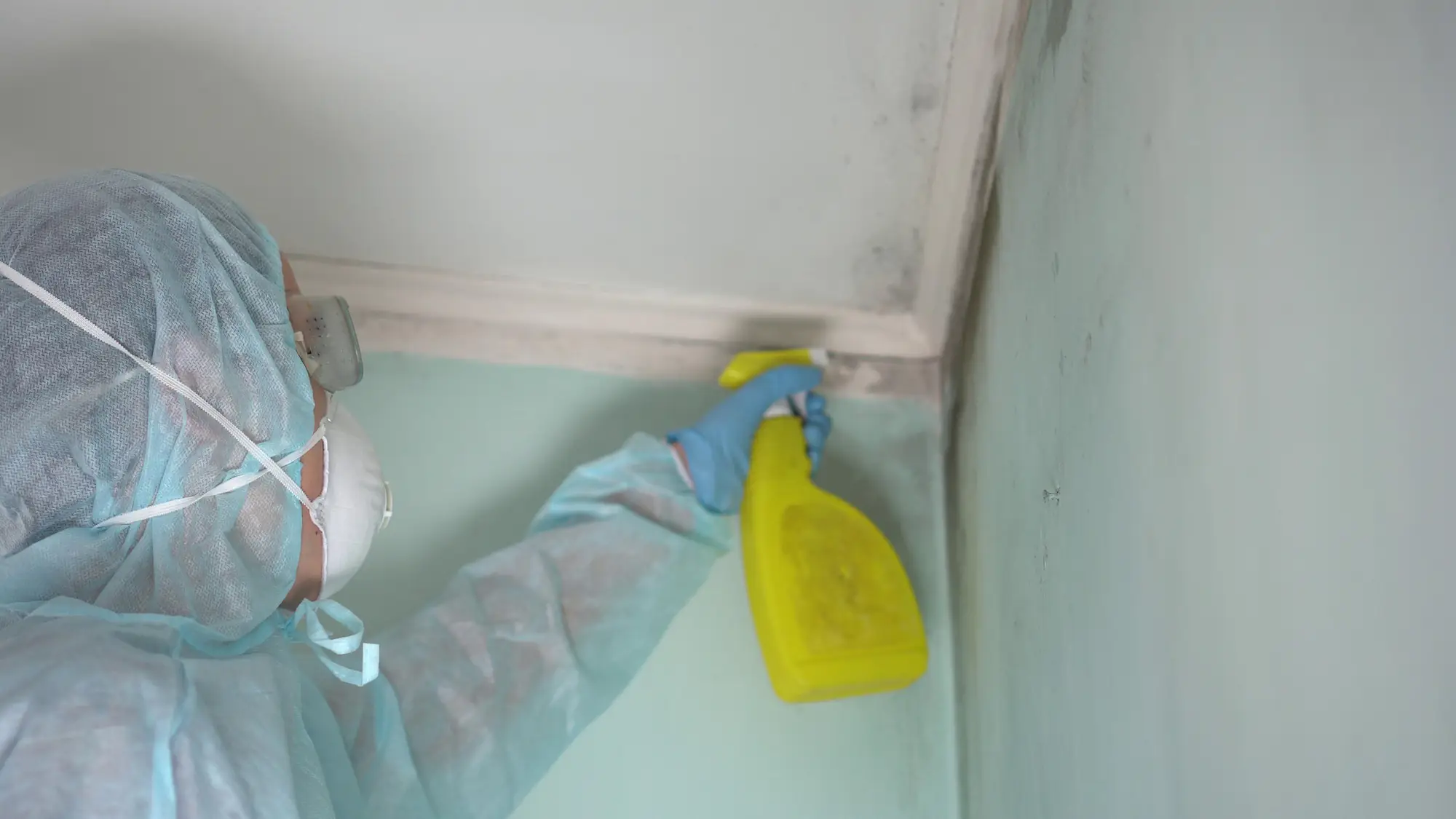
Cost depends on the size of your home and what you’re testing for. A basic mold air test for a typical single-family home usually runs a few hundred dollars. If you’re adding radon testing, VOC analysis, or testing multiple areas, the price goes up.
Here’s what you’re paying for: professional-grade equipment, certified lab analysis, and a detailed report you can use for remediation, insurance claims, or real estate transactions. DIY kits from the hardware store might cost $10 to $50, but they don’t give you accurate species identification, concentration levels, or expert interpretation.
If you’re dealing with health symptoms or buying a property, the cost of testing is a lot less than the cost of ignoring the problem. We’ll give you an upfront estimate based on your specific situation.
The on-site inspection and sample collection usually take one to three hours depending on your home’s size and the scope of testing. We’re thorough, but we’re not going to waste your time.
After we collect samples, the lab analysis takes three to five business days. You’ll get a full report with clear results and our recommendations. If you need faster turnaround for a real estate closing or urgent health concern, let us know—we can often expedite lab processing.
The whole process from scheduling to receiving your report typically takes about a week. You’re not waiting around for answers while symptoms get worse or deals fall through.
You can, but you won’t get the same information. DIY kits can tell you if mold is present, but they can’t tell you what species, how much, or whether the levels are actually dangerous. Most kits just collect spores on a petri dish—they don’t measure airborne concentration or identify hidden sources.
Professional air quality testing uses calibrated air pumps that pull a measured volume of air through collection media. The samples go to certified labs that identify specific contaminants and quantify them. You get data you can actually use to make decisions.
If you’re dealing with health issues, preparing for a real estate transaction, or need documentation for insurance, DIY results won’t hold up. You need lab-certified analysis and professional interpretation. That’s what we provide.
Musty or moldy odors are the obvious one. If your basement, bathroom, or any room smells off, that’s your first clue. Visible mold growth, water stains, or peeling paint also indicate moisture problems that affect air quality.
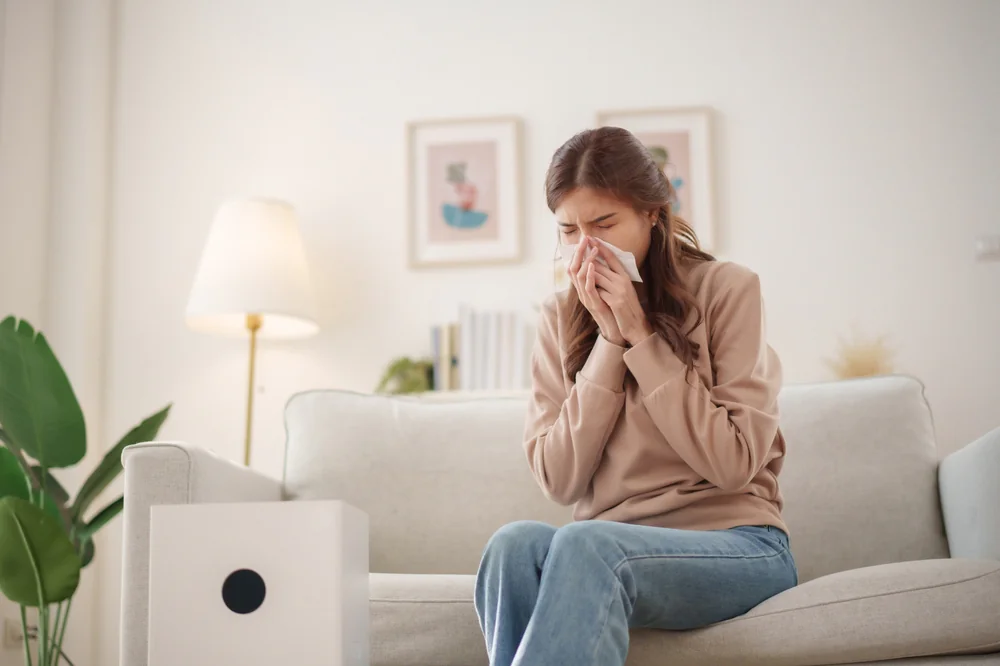
Health symptoms are the other big indicator. Respiratory issues that improve when you leave the house, unexplained allergies, persistent coughing, headaches, sinus problems, itchy eyes—these can all point to poor indoor air quality. If someone in your home has asthma that’s gotten worse, testing makes sense.
You should also test if you’ve had recent water damage, if you’re buying or selling a home in Pinewood, or if your house was built before 1990 and you’ve never tested for radon. Pennsylvania’s radon levels are high enough that testing isn’t optional—it’s necessary.
First, you get a clear report showing what we found, where it is, and how severe the problem is. We explain the results in plain language—no jargon, no scare tactics. Just facts about what’s in your air and what it means for your health and property.
Then we give you a remediation plan. For mold, that usually means identifying and fixing the moisture source, containing the affected area, removing contaminated materials, and cleaning everything properly. For radon, it means installing a mitigation system. For other contaminants, solutions vary.
We can handle the remediation ourselves, or you can hire someone else—the report is yours to use however you want. What matters is that you have documentation meeting Pennsylvania Department of Health standards, clear next steps, and the information you need to protect your family and your investment.
Yes, because mold grows in places you can’t see. Inside walls, under flooring, in HVAC ducts, above ceiling tiles, in crawl spaces. By the time it’s visible, you usually have a bigger problem than you think.
Air testing catches contamination before it becomes obvious. Elevated mold spore counts show up in air samples even when there’s no visible growth. That early detection means smaller problems, less expensive fixes, and less health risk.
Even if mold isn’t the issue, other contaminants matter. Radon, carbon monoxide, VOCs from building materials or household products—none of these are visible, but all of them affect your health. Testing gives you the full picture of what you’re breathing. That’s especially important in Pinewood’s older homes where building materials, ventilation, and moisture control weren’t designed with today’s air quality standards in mind.
Other Services we provide in Pinewood