
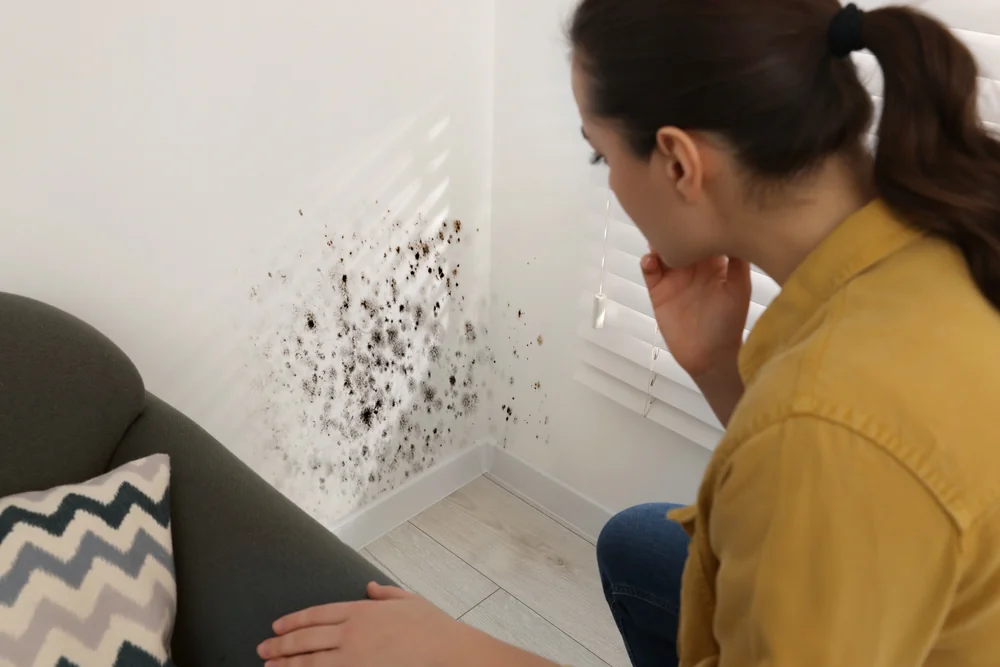
Hear from Our Customers
You spend roughly 90% of your time indoors. If the air in your Lower Southampton home is contaminated with mold spores, allergens, or pollutants, you’re breathing that in all day and night.
A professional air quality test gives you the full picture. We’re talking about what’s floating around that you can’t see—mold from last winter’s humidity spike, dust mites thriving in your HVAC system, or volatile organic compounds off-gassing from materials in your basement.
Once you know what’s there, you can fix it. Better sleep, fewer headaches, less irritation in your eyes and throat. Your kids aren’t sniffling as much. Your elderly parents visiting aren’t struggling to catch their breath. That’s what clean air does—it just makes life easier.
Testing also catches problems early, before mold spreads behind your walls or your HVAC system becomes a distribution center for allergens. You’re not waiting for symptoms to get worse. You’re handling it now, while it’s still manageable and affordable.
We know Lower Southampton. We know how July’s humidity and thunderstorms create perfect conditions for mold growth. We know how well-sealed homes in this area trap pollutants without proper ventilation.
We’re not some national franchise reading off a script. We’re local, we respond fast, and we use the same advanced equipment—moisture meters, infrared cameras, air sampling tools—that larger companies charge twice as much for.
You call us at 215-431-4744, and we’ll come out for a free inspection. We test your air, we explain what we find in plain language, and we give you a clear plan. No upselling. No scare tactics. Just honest answers about what’s in your air and what you should do about it.
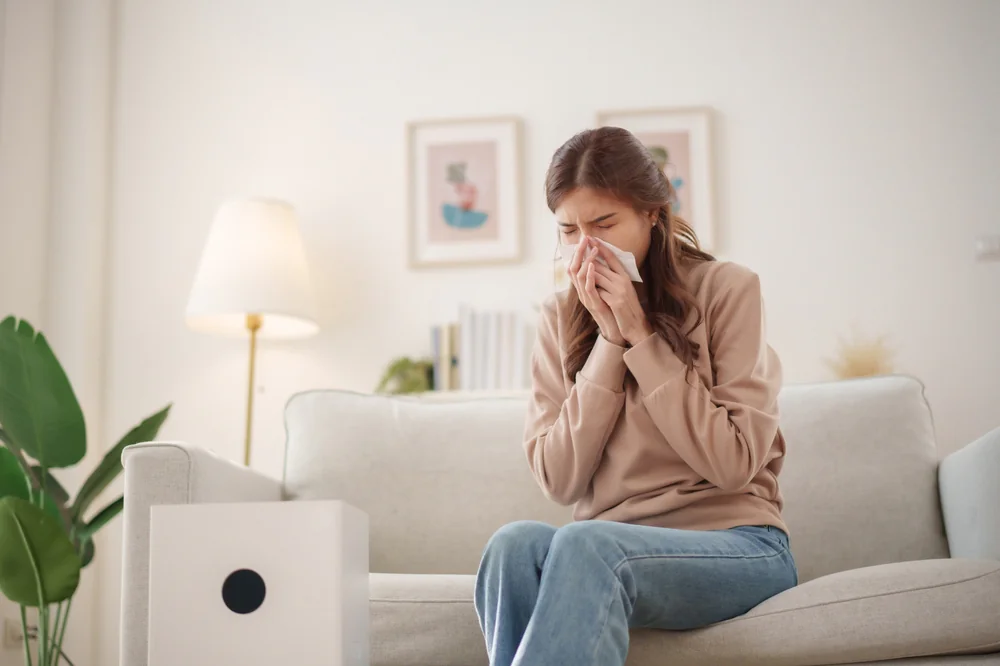
First, we walk through your home and talk about what you’ve noticed—musty smells, allergy symptoms, visible moisture, whatever brought you here. We’re looking at your HVAC system, your basement, anywhere water or humidity tends to collect.
Then we use moisture meters and infrared cameras to find hidden dampness. Mold doesn’t always grow where you can see it. It hides behind walls, under floors, in ductwork. Our equipment finds it before it becomes a bigger issue.
We take air samples from different areas of your home. These samples get analyzed in a lab to identify mold spores, allergens, and other airborne contaminants. We also do surface testing if we spot potential problem areas.
Once the lab results come back, we sit down with you and explain what we found. If there’s mold, we tell you what type and how much. If your air quality is poor, we explain why and what’s causing it. Then we give you a detailed report with specific solutions—whether that’s mold remediation, HVAC cleaning, dehumidification, or ventilation improvements.
You’re not left wondering what to do next. You have a clear path forward.
Ready to get started?
Every residential air quality testing service includes a thorough visual inspection, moisture detection with professional-grade meters, infrared thermal imaging to spot hidden water intrusion, and air sampling from multiple locations in your home. We test the air you’re actually breathing.
In Lower Southampton, we’re especially focused on mold air testing because of how common it is here. The humid continental climate means your home deals with high humidity and temperature swings that create ideal mold conditions. Your basement, crawl space, and attic are prime targets. We check all of them.
You also get surface sampling if we identify suspicious growth, plus a detailed lab analysis that breaks down exactly what’s in your air—species of mold, spore counts, allergen levels. The report isn’t full of jargon. It’s written so you can understand what’s happening and why it matters.
After testing, we provide actionable recommendations. If you need mold remediation, we handle that too. If it’s a ventilation issue, we’ll tell you what to fix. If your air is clean, we’ll confirm that and give you peace of mind. Either way, you’re not guessing anymore.
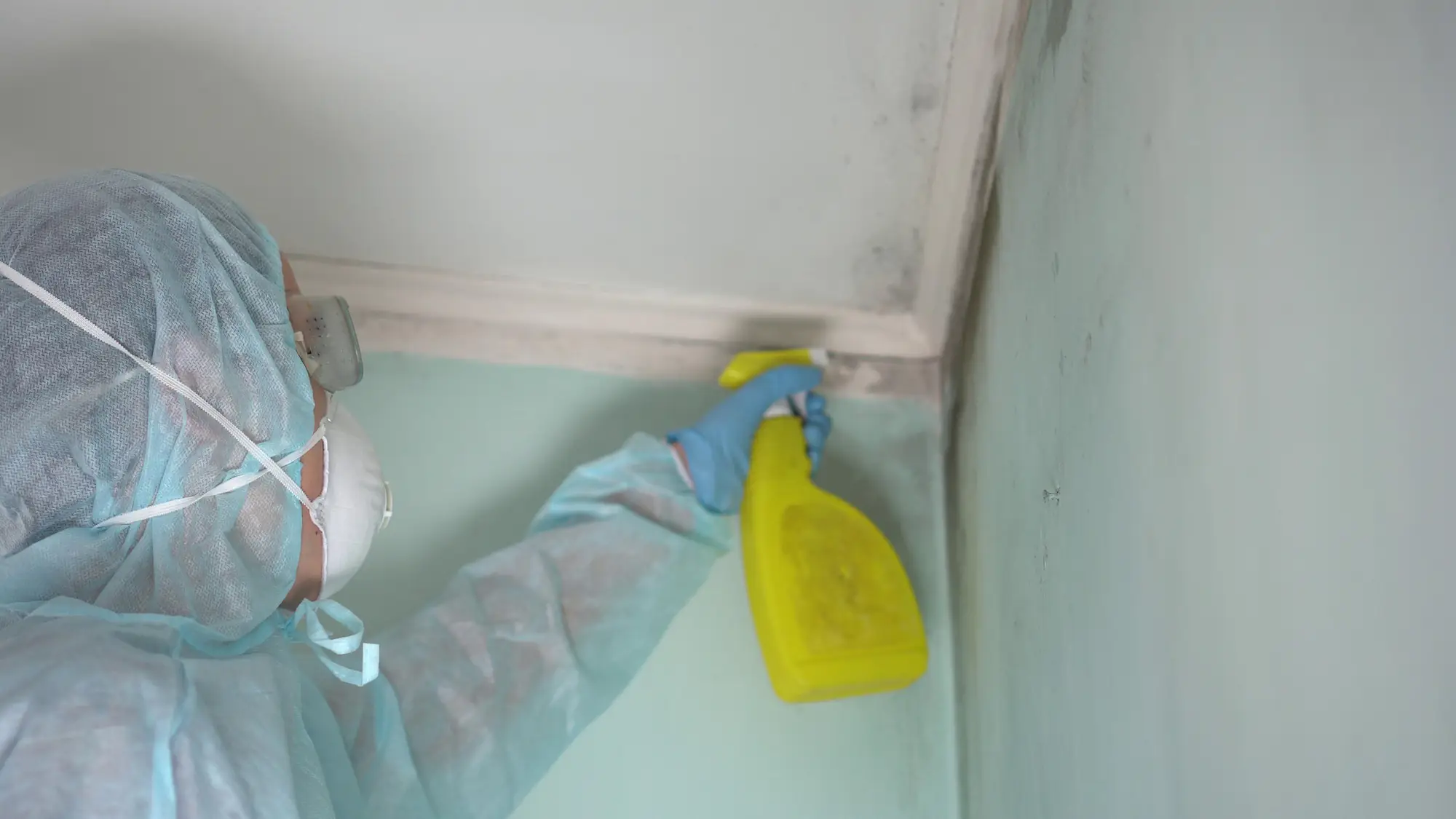
You need testing if you’re noticing symptoms that don’t have another clear cause. Persistent headaches, fatigue, trouble concentrating, itchy eyes, scratchy throat, or worsening allergies—especially when they improve after you leave the house—are all red flags.
Musty odors are another sign, even if you don’t see mold. Mold grows in hidden spaces, and the smell is often your first clue. Visible water damage, past flooding, or ongoing humidity issues also warrant testing. If your basement feels damp or your windows are constantly fogging up, your indoor air quality is likely compromised.
Homes in Lower Southampton face higher risk because of the local climate. High humidity in summer creates conditions where mold thrives. If your home was built or renovated to be energy-efficient and well-sealed, that’s great for your heating bill but terrible for air circulation. Pollutants get trapped inside. Testing tells you what’s actually floating around so you can address it before it affects your health or your property value.
A mold air test specifically measures mold spore levels in your indoor air. We’re looking for types of mold, concentration levels, and whether those levels are higher indoors than outdoors. It’s focused testing when mold is the suspected problem.
A full indoor air quality test is broader. It checks for mold, but also allergens like dust mites and pollen, volatile organic compounds from building materials or cleaning products, carbon monoxide, radon, and other pollutants. It’s a comprehensive look at everything affecting your air.
Most homeowners in Lower Southampton benefit from the full test because multiple factors usually contribute to poor air quality. You might have mold from humidity and VOCs from that basement renovation you did last year. Both matter. Both affect how you feel. A complete air quality test catches everything, so you’re not just treating one problem while another one keeps making you sick. We recommend the comprehensive approach unless you’ve already identified mold and just need confirmation.
The on-site portion takes about two to three hours, depending on your home’s size and layout. We’re inspecting, taking moisture readings, using thermal imaging, and collecting air samples from different rooms. We don’t rush it because accuracy matters more than speed.
Air samples go to a certified lab for analysis. You typically get results back within three to five business days. The lab report shows exactly what’s in your air, broken down by contaminant type and concentration levels.
Once we have the results, we schedule a follow-up—either by phone or in person, whatever you prefer. We walk you through the findings, explain what they mean in plain language, and outline your options. If remediation is needed, we give you a clear timeline and cost estimate. If your air quality is fine, we confirm that and offer tips to keep it that way. You’re not waiting weeks or getting a report dumped on you with no explanation. We make sure you understand what’s happening in your home and what to do about it.
Yes, but those require specific testing methods beyond standard air quality sampling. Radon testing uses either short-term devices that sit in your home for a few days or long-term monitors that measure levels over months. Radon is colorless and odorless, so testing is the only way to know if it’s present.
Carbon monoxide testing involves placing detectors in key areas or using direct-read monitors during the inspection. CO is another invisible threat that can cause serious health problems, especially if you have gas appliances, a fireplace, or an attached garage.
If you’re concerned about radon or carbon monoxide specifically, mention it when you call. We’ll include those tests as part of your overall air quality assessment. In Lower Southampton, radon can be an issue depending on your home’s foundation and soil conditions. It’s worth checking, especially if you have a basement or spend a lot of time on the ground floor. Carbon monoxide is less about location and more about your home’s systems—furnaces, water heaters, anything that burns fuel. We test for both because your family’s safety depends on knowing what’s in your air, visible or not.
Not usually. Most air quality testing is completely non-invasive. We use air sampling equipment that collects samples from the air you’re already breathing. Moisture meters and infrared cameras let us detect problems behind walls without cutting into anything.
Surface testing involves swabbing or tape-lifting a small sample from a visible area—baseboards, window sills, drywall. It doesn’t damage anything. You won’t even notice where we took the sample.
In rare cases, if we suspect mold growth inside a wall cavity or ductwork and need to confirm it, we might recommend a small inspection hole. But we always ask first, explain why it’s necessary, and patch it properly afterward. Most of the time, our equipment gives us enough information without any invasive work. The goal is to find out what’s wrong with minimal disruption to your home and your day. You shouldn’t have to tear your house apart just to test your air.
Cost depends on what you’re testing for and how large your home is. A basic mold air test for a typical single-family home usually runs a few hundred dollars. Comprehensive air quality testing that includes mold, allergens, VOCs, and other pollutants costs more because it involves additional lab work.
Radon testing and carbon monoxide testing add to the total if you include them. Larger homes or homes with multiple problem areas require more samples, which increases the price. But you’re not paying for guesswork—you’re paying for lab-certified results and a clear action plan.
We offer free inspections, so you can get an upfront assessment and a detailed quote before committing to anything. No surprises. No hidden fees. And considering that untreated mold or poor air quality can cost you thousands in health bills, property damage, or lost home value, testing is a small investment. You’re catching problems early when they’re still fixable and affordable. Call us at 215-431-4744 and we’ll give you an honest estimate based on your specific situation.
Other Services we provide in Lower Southampton