
Hear from Our Customers
You can’t see radon. You can’t smell carbon monoxide. And mold spores are microscopic.
That’s the problem with indoor air quality—the things that cause the most damage are invisible. You might notice symptoms: headaches that won’t quit, kids with constant runny noses, or that musty smell you can’t track down. But without testing, you’re guessing.
A home air quality test gives you actual data. Lab results that show what’s in your air, how much of it, and whether it’s at levels that matter. Not a hunch. Not a DIY monitor that measures one thing poorly. Real answers from accredited labs that specialize in residential air quality testing.
Once you know what you’re dealing with, you can fix it. And if the air is fine, you get peace of mind instead of wondering if something’s slowly making your family sick.
We’ve been serving Kendigtown and Bucks County for years. We’re not a national franchise following a script—we’re local, and we understand what Pennsylvania homes deal with.
Radon is a serious issue here. Roughly 40% of Pennsylvania homes test above EPA action levels, and Bucks County is no exception. Older homes have moisture issues. Newer builds can trap VOCs from materials that off-gas for months.
We run professional air quality testing using the same methods industrial hygienists recommend. Samples go to accredited labs. Results come back with numbers, not vague ratings. And we explain what those numbers mean for your specific situation—not just hand you a report and disappear.
First, we talk. You tell us what you’ve noticed—symptoms, smells, water damage history, whatever’s going on. That helps us know what to test for.
Then we come to your home in Kendigtown and collect samples. For a mold air test, we use calibrated pumps that pull air through collection media. For radon, we place monitors in your lowest lived-in level for 48 hours minimum. VOC testing involves canisters that capture air over a set period.
Samples go to the lab. Analysis takes a few days depending on what we’re testing for. When results come back, we walk you through them in plain language—what was found, what the levels mean, and what (if anything) needs to happen next.
If your air is fine, great. If something’s elevated, we’ll explain your options. Sometimes it’s as simple as better ventilation. Other times you need remediation. Either way, you’ll know exactly where you stand.
Ready to get started?
Our indoor air quality test isn’t a one-size-fits-all package. We test for what makes sense based on your home and concerns.
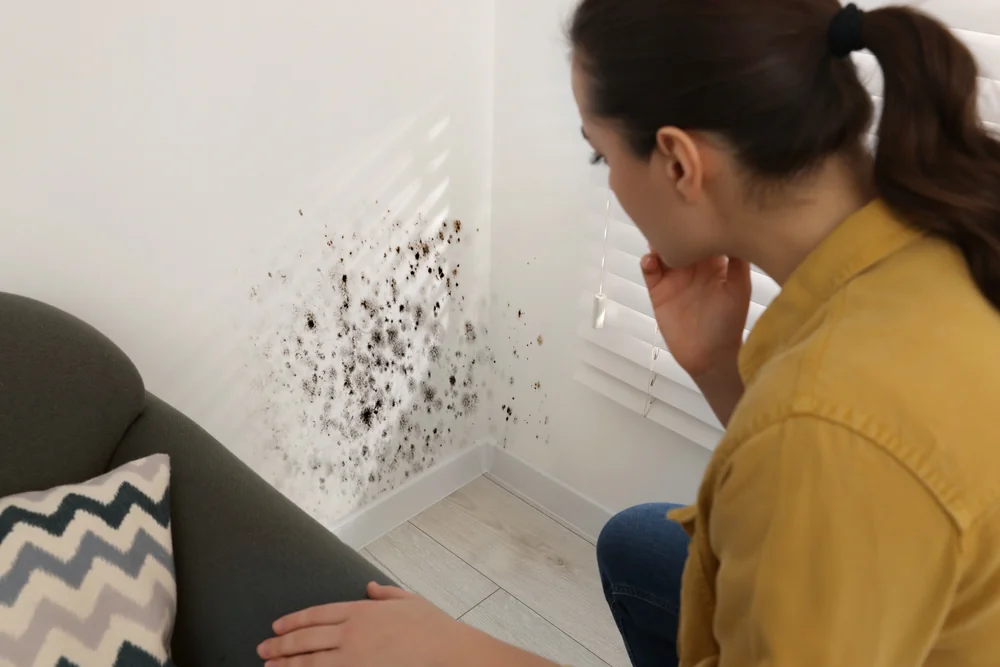
Mold testing identifies spore types and concentrations. That matters because some molds are more problematic than others, and knowing what you’re dealing with determines how you handle it. Pennsylvania’s humidity and older housing stock make mold common—it’s not about if your home has spores, it’s about how many and what kind.
Radon testing is critical here. Kendigtown sits in an area where radon levels frequently exceed safe limits. It’s the second leading cause of lung cancer and completely undetectable without testing. We use EPA-approved methods and place monitors correctly so results are accurate.
VOC testing catches chemicals from paint, flooring, cleaning products, and building materials. These compounds can trigger respiratory issues and headaches, especially in tightly sealed homes. Particulate testing measures dust, pollen, and other airborne matter that affects allergies and asthma.
You get a full lab report with specific readings, comparisons to health guidelines, and our assessment of what needs attention.
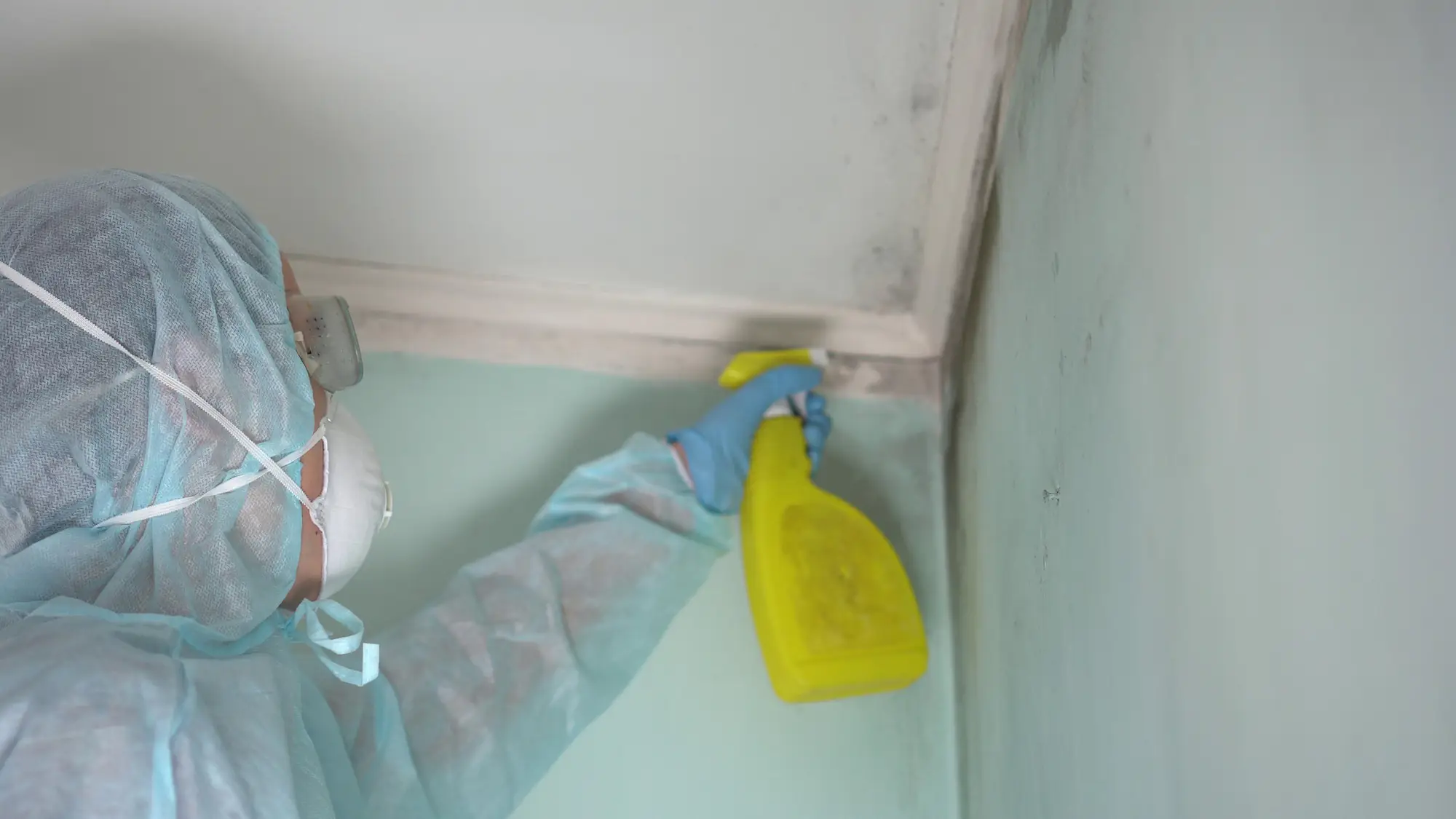
The actual sampling usually takes one to two hours depending on your home’s size and what we’re testing for. We’re not there all day.
Radon testing is different—monitors need to sit in your home for at least 48 hours to get accurate readings. You don’t need to be home during that time, and the monitors are small and unobtrusive. For mold or VOC testing, we collect samples during our visit and then leave.
Lab analysis adds a few days. Most results come back within three to five business days. Rush processing is available if you’re in a time crunch, like closing on a home sale or dealing with a health emergency.
DIY monitors measure one or two things—usually particulate matter or humidity. They’re fine for general awareness, but they don’t tell you what’s actually in your air.
Professional air quality testing uses laboratory analysis. We collect samples and send them to accredited labs that identify specific mold species, measure radon concentrations accurately, and detect VOCs at parts-per-billion levels. That’s the difference between knowing “something might be off” and knowing “you have elevated levels of Stachybotrys mold and your radon is at 6.2 pCi/L.”
The other issue with DIY tools is interpretation. A number on a screen doesn’t tell you if it’s dangerous, what’s causing it, or how to fix it. Our testing comes with context—what the results mean for your health and what actions make sense.
Yes, but it’s more specific than that. A mold air test tells you what types of mold spores are present and at what concentration.
Every home has some mold spores—they’re everywhere outdoors and drift inside constantly. What matters is the type and amount. Certain species like Stachybotrys or Chaetomium indicate water damage and active growth. High spore counts of any type suggest a problem.
Testing also compares indoor levels to outdoor baseline samples. If your indoor count is significantly higher than outside, something’s growing inside your home. That gives us a starting point for finding the source.
Keep in mind that air testing is one tool. If you have visible mold or obvious water damage, you don’t need a test to know there’s a problem. But if you’re smelling something musty, experiencing unexplained symptoms, or want confirmation after remediation, air testing gives you definitive answers.
Cost depends on what you’re testing for and how many samples you need. A basic mold air test with indoor and outdoor samples typically runs a few hundred dollars. Radon testing is usually less. Comprehensive testing that includes VOCs, particulates, and multiple mold samples costs more.
We don’t push unnecessary testing. If you’re concerned about mold, we test for mold. If your neighbor just had high radon levels, we test for radon. You’re not paying for things you don’t need.
The investment makes sense when you consider what you’re getting—lab-grade analysis that either confirms your air is safe or identifies exactly what’s making you sick. Compare that to months of guessing, doctor visits for unexplained symptoms, or discovering a major mold problem during a home sale. Testing is the cheapest way to know for sure.
Yes. Radon has nothing to do with your home’s age—it comes from uranium decay in soil and rock beneath your foundation.
Pennsylvania has some of the highest radon levels in the country. About 40% of homes here test above the EPA’s action guideline of 4 pCi/L. Bucks County sees elevated readings regularly. Your neighbor’s house might be fine while yours has dangerous levels—it depends on soil composition, foundation cracks, and how your home sits on the lot.
Newer homes can actually trap radon more effectively than older ones because they’re built tighter for energy efficiency. Less air exchange means radon accumulates instead of dissipating. The only way to know your level is to test. It’s inexpensive, non-invasive, and could literally save your life—radon is the leading cause of lung cancer in non-smokers.
We explain what the results mean, what’s causing the problem, and what your options are. Then you decide how to move forward.
If mold levels are high, we locate the source—usually water intrusion, leaks, or humidity issues. Remediation involves fixing the moisture problem and removing contaminated materials. If radon is elevated, mitigation systems vent it from beneath your foundation before it enters your home. For VOCs, the solution might be better ventilation, removing the source, or air filtration.
We’re not here to scare you or oversell. Some issues are straightforward and inexpensive to fix. Others require more work. Either way, you’ll know exactly what needs to happen and why. And if you want a second opinion or time to think about it, that’s fine—we give you the information and let you make the call.
Other Services we provide in Kendigtown