
Hear from Our Customers
You notice the symptoms first. Headaches that won’t quit. Kids with constant runny noses. That musty smell you can’t track down. You open windows, buy air fresheners, clean more often—but nothing changes.
Here’s what most people don’t realize: the air inside your Hood home can be two to five times more polluted than the air outside. Mold spores, dust mites, VOCs from cleaning products, allergens trapped in your HVAC system—they’re all invisible, but they’re affecting how you feel every single day.
A professional air quality test tells you exactly what’s in your air and where it’s coming from. We’re not talking about a cheap monitor from Amazon. We use lab-grade equipment that measures mold spore counts, identifies specific allergens, and detects chemical pollutants you’d never find on your own. You get a detailed report that breaks down what’s actually happening in your home—and what needs to happen next to fix it.
We’ve been helping Hood families understand what they’re breathing since we started serving Bucks County. We’re not a national franchise following a script. We know the homes here—the older construction with poor ventilation, the basements that stay damp, the HVAC systems that haven’t been updated in decades.
We’ve tested hundreds of homes across Hood, Bucks County, and the surrounding areas. We know what mold looks like in a 1950s Cape Cod versus a newer build. We understand how Pennsylvania’s humid summers create perfect conditions for spore growth, especially in homes near creeks or wooded areas.
When you call us, you’re working with technicians who’ve seen it all and know how to interpret results in a way that actually makes sense. No jargon. No upselling. Just clear information about your air quality and what you should do about it.

First, we schedule a time that works for you—usually takes about an hour depending on your home’s size. You don’t need to do anything special to prepare. We want to test your air under normal conditions, so just live your life like usual.
When we arrive, we’ll walk through your home and identify the areas that need testing. That usually means bedrooms, living spaces, basements, and anywhere you’ve noticed issues. We set up air sampling equipment that pulls in air and captures particles on specialized filters. We also take surface samples in areas where we see visible growth or suspect hidden mold—behind baseboards, under sinks, around windows.
The samples go to an accredited lab for analysis. Within a few days, you get a detailed report showing exactly what’s in your air: mold species and spore counts, allergen levels, and any other contaminants we found. We’ll walk you through the results in plain language and explain what’s normal, what’s concerning, and what your next steps should be. If you need remediation, we’ll give you a clear plan. If your air quality is fine, we’ll tell you that too.
Ready to get started?
Every air quality test includes a full visual inspection of your home. We’re looking for moisture sources, ventilation problems, and any visible signs of mold or water damage. Most air quality issues start with a moisture problem, and if we don’t identify the source, you’ll keep dealing with the same issues over and over.
Hood homes face specific challenges. The area’s humidity, especially during summer months, creates conditions where mold thrives. Older homes in Bucks County often have basements with foundation cracks or poor drainage—water gets in, humidity stays high, and mold starts growing in places you’d never think to check. We know where to look because we’ve been doing this in your area for years.
You’ll receive lab results that break down mold species by name, spore counts compared to outdoor baseline levels, and a risk assessment for each area tested. We also test for common allergens and can identify issues with your HVAC system that might be circulating contaminated air throughout your home. The report includes photos, measurements, and our professional recommendations—not a sales pitch, just honest guidance on what needs attention and what doesn’t.
Most residential air quality tests in Hood run between $300 and $600 depending on your home’s size and how many areas need testing. A basic test for a smaller home with one or two problem areas sits on the lower end. Larger homes or properties where you want comprehensive testing across multiple rooms and levels cost more.
Here’s what affects pricing: the number of air samples we collect, whether we need surface samples from suspected mold growth, and if you want testing for specific concerns beyond mold—like VOCs or other chemical pollutants. Lab analysis is the biggest cost factor because we’re sending your samples to an accredited facility that uses EPA-approved methods.
We’ll give you an upfront quote after a free initial consultation. No surprises, no hidden fees. And if you do need remediation after testing, many homeowners insurance policies cover mold removal when it’s tied to a covered event like a pipe burst or roof leak.
Home test kits from hardware stores or online run about $10 to $50, but they’re extremely limited. Most only test for the presence of mold—not what type, how much, or whether the levels are actually dangerous. You’re basically getting a yes/no answer with no context, which doesn’t help you make informed decisions.
Professional air quality testing uses calibrated equipment that measures actual spore counts in your air and compares them to outdoor baseline levels. We can identify specific mold species—some are harmless, others are toxic—and tell you whether your levels are normal or concerning. We also test multiple locations, take surface samples where needed, and provide lab analysis that actually means something.
The other issue with DIY kits: you might place them in the wrong spot, collect samples incorrectly, or misinterpret results. We’ve had clients call us after trying home kits and getting scared by results that turned out to be normal background levels. Professional testing gives you accurate information and expert interpretation so you know what you’re actually dealing with.
The actual testing appointment takes about an hour for most homes. We set up equipment, collect air and surface samples, and do a visual inspection of problem areas. You can go about your day while we work—you don’t need to be home the whole time.
Lab results typically come back within three to five business days. The lab is analyzing your samples for mold species, spore counts, and other contaminants, which takes time to do accurately. If you’re dealing with an urgent situation—like a family member with severe respiratory symptoms or visible mold growth—we can sometimes request expedited processing.
Once we have results, we’ll schedule a follow-up call or meeting to walk through everything. We’ll explain what the numbers mean, show you where problems exist, and discuss your options. If remediation is needed, we can usually start within a few days of reviewing results. If your air quality is fine, you’ll have documentation proving it—helpful for peace of mind or if you’re buying or selling a home.
Air testing shows whether mold spores are present in your air and at what levels, which often indicates hidden growth somewhere in your home. If we find elevated spore counts in your bedroom but not your living room, that tells us there’s likely a source in or near that bedroom—maybe in the walls, under flooring, or in the HVAC ducts.
But air testing alone doesn’t pinpoint exact locations behind walls. That’s where our visual inspection comes in. We look for signs like water stains, peeling paint, warped baseboards, or musty odors that indicate moisture problems. We use moisture meters to detect elevated levels inside walls without tearing anything apart. If we suspect hidden growth in a specific area, we can do targeted testing—sometimes that means a small inspection hole to confirm before we start remediation.
In Hood homes, hidden mold most commonly shows up in basements with foundation issues, behind bathroom tiles where old grout has failed, and in attics with roof leaks or poor ventilation. We know where to look based on your home’s age, construction type, and the symptoms you’re experiencing. The combination of air testing and professional inspection gives you the full picture.
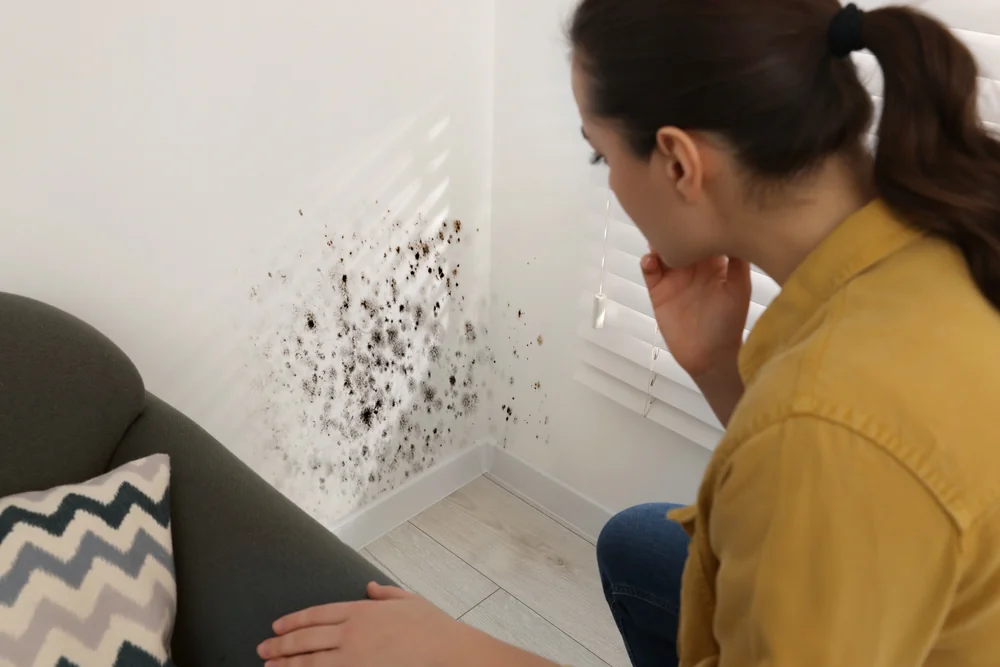
You don’t need to see mold to have a problem. Mold grows in places you’d never look—inside wall cavities, under flooring, in HVAC ducts, behind appliances. You might not see it, but you’re breathing the spores it releases, and those spores are what cause health symptoms.
If anyone in your home is dealing with unexplained respiratory issues, allergies that won’t improve, frequent headaches, or fatigue, air quality testing can confirm whether mold or other pollutants are the cause. We’ve tested plenty of Hood homes where families were convinced they had a mold problem based on symptoms alone—and they were right, even though there was no visible growth.
Testing is also smart if you’ve had water damage in the past, even if it was cleaned up. Water from a burst pipe, roof leak, or basement flooding can seep into materials and create long-term moisture problems. Mold can start growing within 24 to 48 hours of water exposure, and if it wasn’t properly dried and treated, you could have hidden growth months or years later. Testing gives you confirmation either way.
First, don’t panic. High mold spore counts are fixable, but they need to be addressed correctly. We’ll walk you through the results and explain what species were found, where the growth is likely located, and what level of remediation is needed. Some situations require minor fixes—improving ventilation, fixing a small leak, cleaning an affected area. Others need professional remediation with containment and removal.
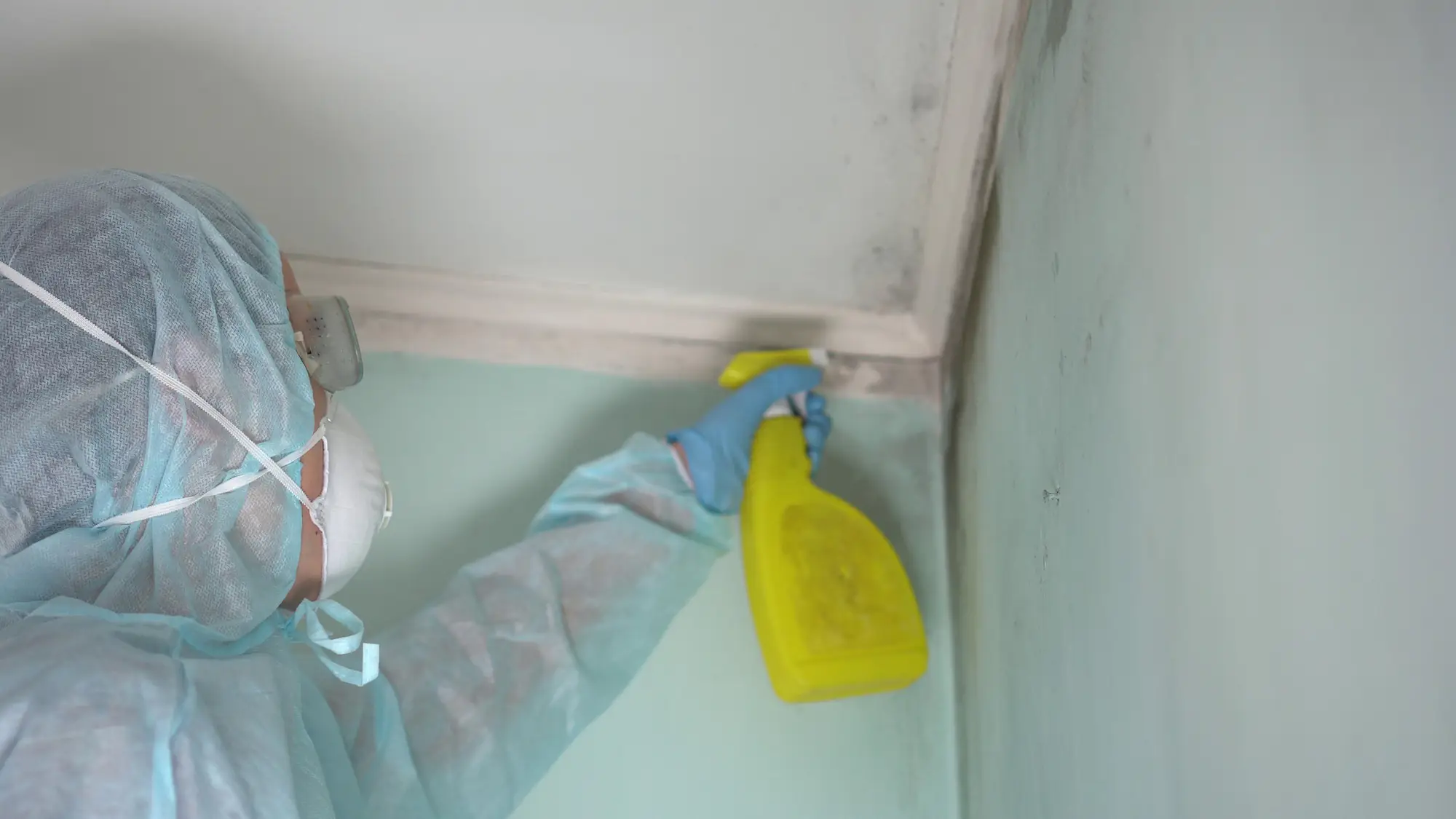
If remediation is necessary, we’ll give you a clear scope of work and timeline. That includes identifying and fixing the moisture source—because if we don’t stop the water problem, mold will come back. We follow EPA guidelines and Pennsylvania regulations for safe removal, which means containing the affected area, using proper filtration, and disposing of contaminated materials correctly.
After remediation, we do post-testing to confirm spore counts are back to normal levels. You’ll have documentation showing the work was done right and your home is safe. Many homeowners insurance policies cover mold remediation when it’s related to a covered loss, and we can work with your insurance company to help with the claims process. The goal is getting your air quality back to healthy levels as quickly as possible.
Other Services we provide in Hood