
Hear from Our Customers
You’ve noticed the symptoms. Maybe it’s the persistent musty smell that won’t go away. Maybe your kids are sneezing more than usual, or you’re waking up with a scratchy throat every morning. You’ve opened windows, changed filters, scrubbed surfaces—but nothing’s really changed.
Here’s what most people don’t realize: indoor air can be two to five times dirtier than the air outside. And Pennsylvania homes? They’re dealing with some of the worst radon levels in the country—40% of homes here test above EPA action guidelines.
A home air quality test gives you actual data. Not guesses. You’ll know what’s in your air, where it’s coming from, and what levels you’re dealing with. That means you can stop wondering if that cough is allergies or something worse, and start making decisions based on facts.
We serve Bucks County with one goal: help you figure out what’s actually happening inside your home. We’re not here to sell you services you don’t need. We’re here to test, report, and give you the information to make smart decisions.
We use moisture meters, infrared cameras, surface analysis, and air sampling—not because it sounds impressive, but because that’s what it takes to find problems hiding behind walls or under floors. Our certified inspectors follow EPA methodology, and every sample gets analyzed by an independent lab.
We’ve been helping Eureka residents deal with the reality of Pennsylvania’s air quality challenges for years. We know what homes in this area are up against, and we know how to find it.
First, we walk through your home and talk. You’ll tell us what you’ve noticed—smells, symptoms, moisture issues, whatever’s going on. We’re listening for clues about where to focus.
Then we start testing. We collect at least two indoor air samples from different areas, plus one outdoor sample as a control. We use infrared cameras to spot temperature differences that signal moisture problems. We check surfaces where mold might be growing. We measure humidity levels and look for conditions that let contaminants build up.
Everything gets sent to an independent lab that screens for over 15 types of mold spores, plus other airborne contaminants. Within 24 to 48 hours, you get a detailed report. Not just numbers—actual explanations of what we found, what it means, and what you should consider doing about it.
No pressure. No upselling. Just information you can use.
Ready to get started?
Every residential air quality testing appointment includes multiple collection methods because different contaminants show up in different ways. Air sampling catches what’s floating around. Surface testing finds what’s growing in place. Moisture mapping shows where problems are likely to develop.
You’re getting technology that DIY kits can’t match. Infrared cameras see through walls to find hidden moisture. Lab analysis identifies specific mold species—not just “mold detected.” The report meets Pennsylvania Department of Health standards, which matters if you’re dealing with insurance or need documentation for a real estate transaction.
Bucks County homes face specific challenges. The humidity. The age of many properties in Eureka. The radon issue that affects nearly half of Pennsylvania homes. A professional air quality testing service accounts for all of it. You’re not just getting generic results—you’re getting analysis that understands what homes in this area are dealing with.
And if we don’t find anything? That’s good news. You’ll have documentation proving your air quality is fine, and you can stop worrying.
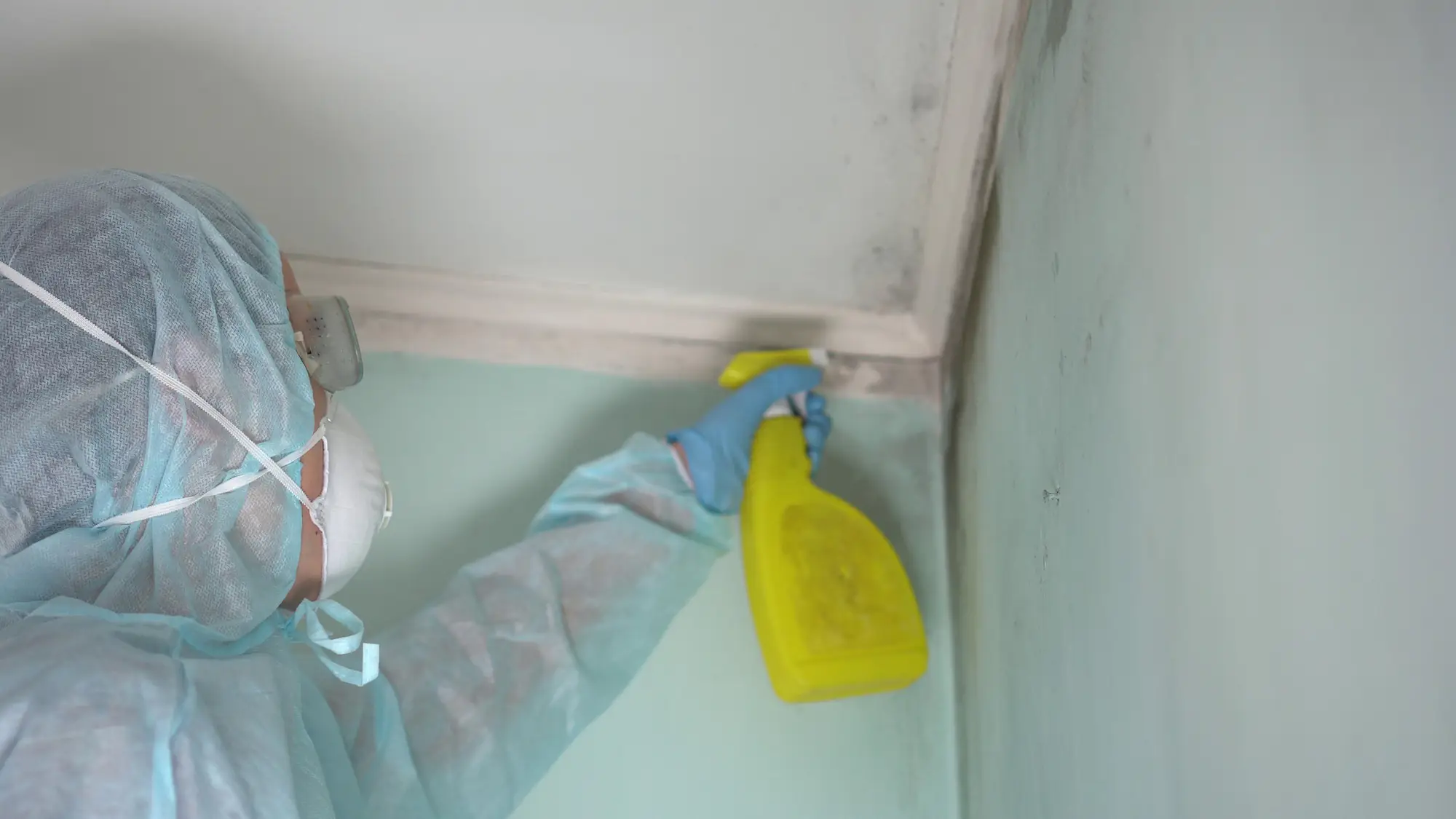
DIY kits test one spot, one time, with limited analysis. Most can’t tell you what species of mold you’re dealing with or how concentrated the contamination is. They just say “mold present” or “mold not detected”—which doesn’t tell you much.
Professional testing uses multiple methods in multiple locations. We collect air samples, surface samples, and moisture readings throughout your home. Then an independent lab analyzes everything to identify specific contaminants and measure concentration levels.
That matters because not all mold is equally dangerous, and knowing what you’re dealing with changes how you respond. Plus, professional results hold up with insurance companies and meet Pennsylvania health standards. A $30 kit from the hardware store won’t do that.
You’ll have results within 24 to 48 hours after we collect samples. The lab works fast, but they’re also thorough—screening for over 15 different mold species plus other airborne contaminants.
When the report comes back, we don’t just email you a PDF and disappear. We walk through what everything means. What levels are normal, what’s elevated, and what you should actually be concerned about.
If something needs attention, we’ll explain your options. If everything looks fine, we’ll tell you that too. The goal is to give you information you can actually use, not bury you in technical jargon and hope you buy something.
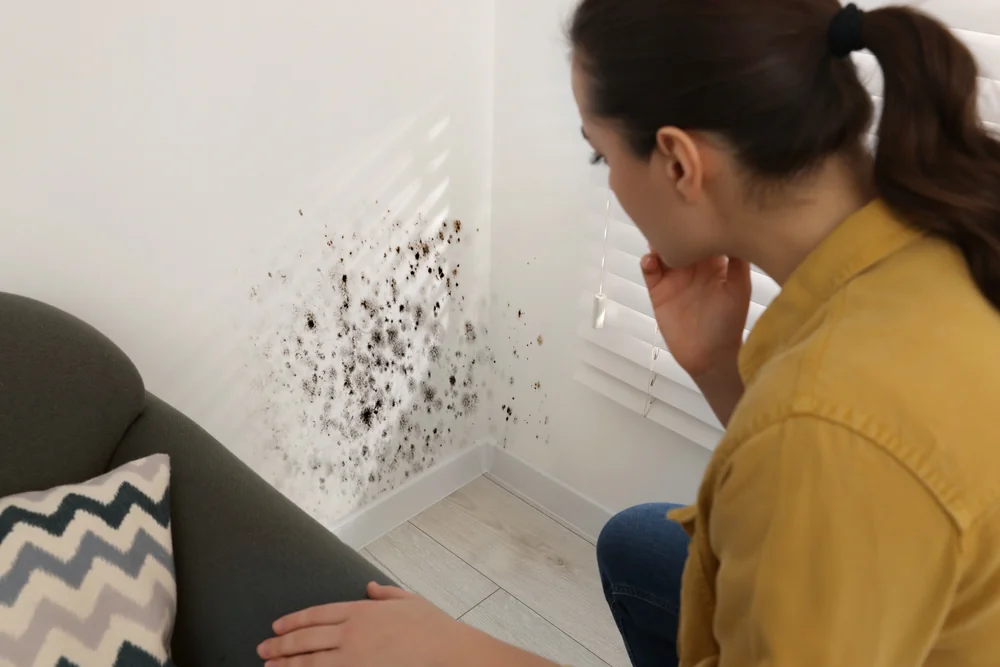
Persistent musty odors are the big one. If you smell it but can’t see it, there’s probably growth somewhere hidden. Behind drywall, under flooring, in HVAC ducts—places you can’t inspect yourself.
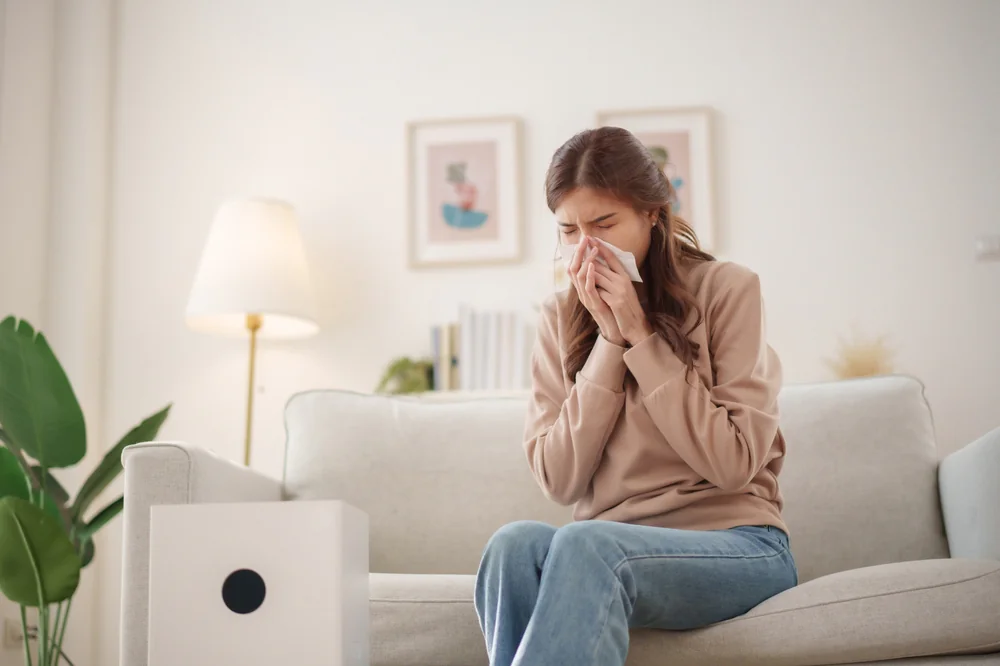
Health symptoms are another red flag. Sneezing, runny nose, itchy eyes, scratchy throat, skin irritation—especially if they get better when you leave the house and come back when you’re home. That pattern suggests something in your indoor air is triggering a response.
Visible moisture problems count too. Water stains, condensation, previous flooding, chronic humidity issues. Even if you don’t see mold, those conditions create the perfect environment for it. Testing tells you if it’s already growing or if you caught it early enough to prevent it.
Radon testing is separate from mold and air quality testing, but yes—we can test for it, and in Pennsylvania, you should. Radon is the second leading cause of lung cancer after smoking, and 40% of homes in this state test above EPA action levels.
The problem with radon is that it’s completely invisible and odorless. You can’t detect it without specialized equipment. It seeps up through foundation cracks and accumulates in basements and lower levels.
If you’re getting air quality testing done, it makes sense to add radon testing at the same time. You’ll know everything that’s in your air—not just the biological contaminants. And if levels are high, mitigation systems work. But you have to test first to know if you need one.
Cost depends on the size of your home and how many samples we need to collect. A typical residential air quality testing service runs a few hundred dollars. That includes the inspection, sample collection, lab analysis, and a detailed report.
It’s not cheap, but compare that to what you’d spend if a hidden mold problem damages your home’s structure or triggers ongoing health issues. Early detection prevents expensive problems. Testing is the cheapest part of dealing with air quality issues.
And if you’re buying or selling a home in Bucks County, testing is often required anyway. Better to know what you’re dealing with upfront than discover problems during a real estate transaction when time pressure makes everything more stressful and expensive.
First, don’t panic. Finding mold doesn’t mean your house is ruined. It means you have information and can do something about it before it gets worse.
The report will tell you what species we found, where concentrations are highest, and what levels you’re dealing with. Some mold is relatively harmless. Some requires immediate attention. The lab results make that clear.
From there, you’ll need remediation—which means removing the contamination and fixing whatever moisture problem caused it in the first place. We’ll explain what that involves and what you should expect. The key is addressing both the mold and the source. Otherwise, it just comes back.
Other Services we provide in Eureka