

Hear from Our Customers
You notice a musty smell in the basement. Your kids’ allergies seem worse at home than anywhere else. Maybe you’ve spotted discoloration on a wall, or you’re dealing with a property that’s had water issues before.
Those aren’t things you ignore. But they’re also not things you want to overreact to without real information.
That’s where professional mold testing comes in. We use thermal imaging and air sampling to find out what’s actually happening in your home. Not what might be happening. Not what a DIY kit guesses at. What’s real.
You get a detailed report that tells you if there’s mold, what type it is, where it’s concentrated, and what the next step should be. No hype. No scare tactics. Just data you can use to make a smart decision about your property and your family’s health.
We’ve been serving West Bristol and the surrounding Bucks County area for over 30 years. We’ve seen what Pennsylvania’s humid summers do to older homes, what happens when basements flood, and how quickly mold can take hold after a pipe bursts.
We’re not new to this. We’re local, we’re licensed, and we’re straightforward about what you’re dealing with.
When you call us, you’re talking to people who understand the climate here, the building styles in this area, and the kinds of mold problems that show up in West Bristol properties. That experience matters when you need answers fast.
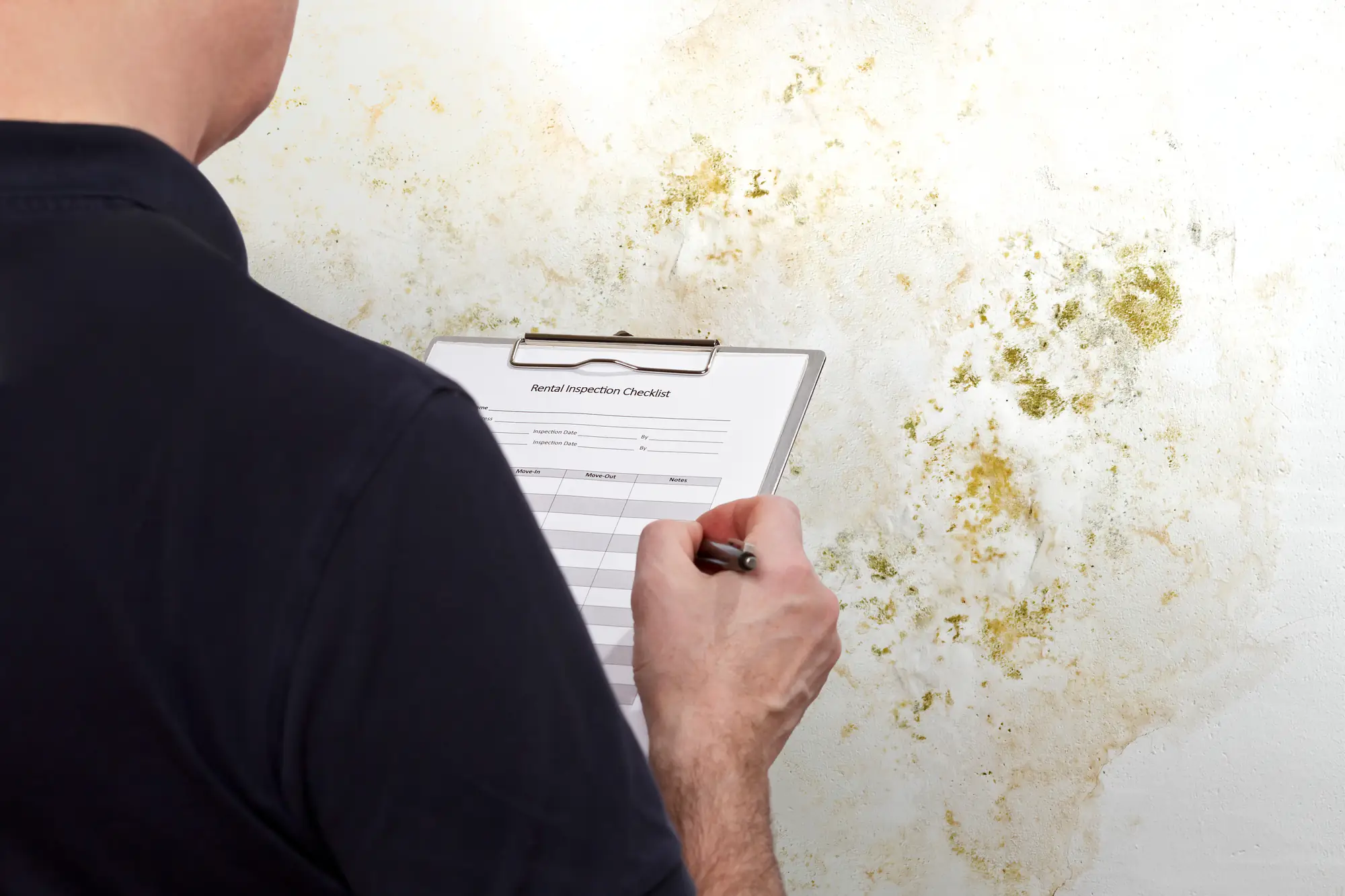
First, we come to your property and do a visual inspection. We’re looking at the obvious spots—bathrooms, basements, crawl spaces—but also the places most people don’t think to check. HVAC systems, behind appliances, inside walls if there’s reason to suspect moisture.
Then we take air samples and surface samples depending on what we find. Air sampling tells us what’s floating around that you’re breathing in. Surface sampling confirms whether that discoloration is actually mold or just dirt and age.
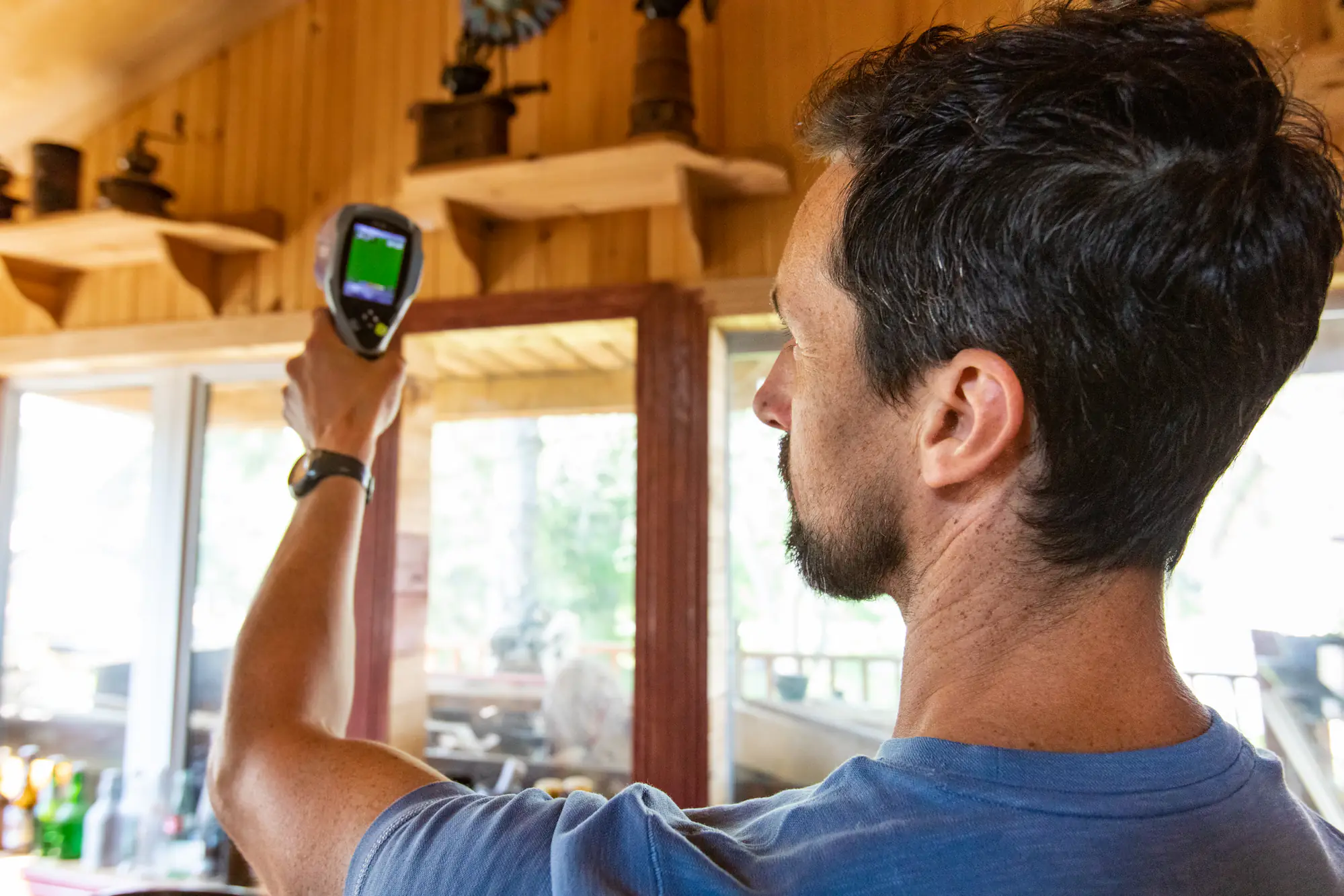
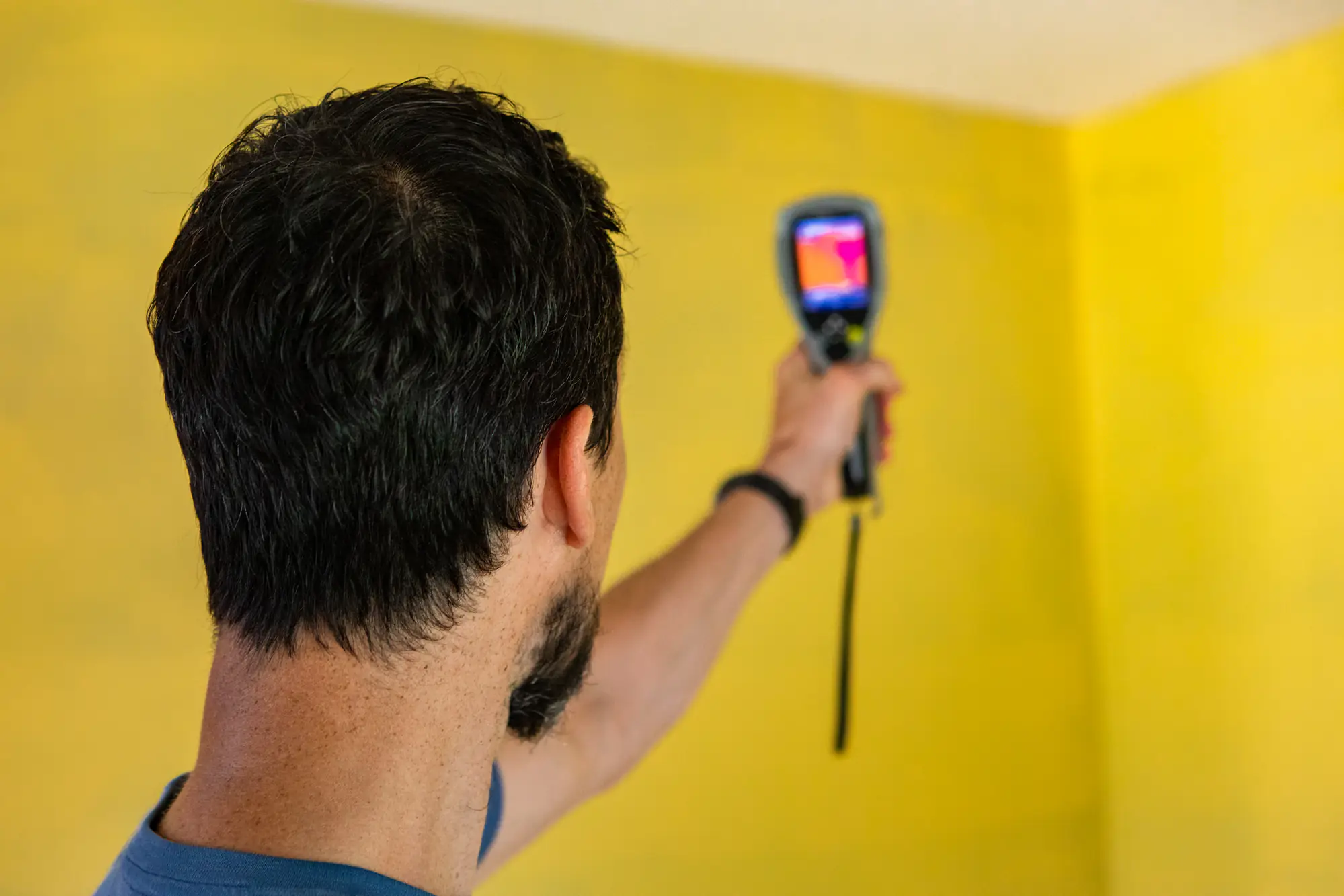
We use thermal imaging to detect moisture you can’t see. Mold needs moisture to grow, so finding hidden water problems is half the battle. If your walls are holding moisture, we’ll know.
Once testing is complete, we send samples to a lab for analysis. You get a report that breaks down exactly what was found, the concentration levels, and whether it’s something that needs immediate attention or just monitoring. Then we walk you through what comes next—whether that’s remediation, moisture control, or just keeping an eye on things.
Ready to get started?
When we test your West Bristol home, you’re getting more than someone walking through with a flashlight. You’re getting infrared moisture mapping, which shows us where water is hiding inside your walls and ceilings. You’re getting air quality testing that measures mold spore levels in the rooms where your family spends the most time.
We also check your HVAC system. A lot of mold problems start there, and most homeowners have no idea because it’s out of sight. If your ducts are circulating spores every time the heat kicks on, that’s something you need to know.
West Bristol has a lot of older homes, and older homes come with quirks. Basements that weren’t built with modern waterproofing. Attics with poor ventilation. Crawl spaces that trap humidity all summer long. We know what to look for because we’ve been in hundreds of properties just like yours.
After testing, you get a full report and a phone call to go over it. We don’t just email you a PDF and disappear. We explain what the numbers mean, answer your questions, and help you figure out the best next move.
Most residential mold testing in the West Bristol area runs between $300 and $800, depending on the size of your home and how many areas need to be tested. If you’ve got a small issue in one room, you’re on the lower end. If you need a whole-house assessment with multiple air samples and surface tests, it’s going to be closer to the higher end.
We don’t charge for the initial consultation. We’ll come out, take a look, and give you an honest assessment of what testing makes sense for your situation. Some people need full lab analysis. Others just need a visual inspection and moisture reading.
The cost of testing is a lot less than the cost of ignoring a mold problem until it spreads. And if you’re buying or selling a home, professional testing protects you legally and financially. It’s not an expense—it’s information that helps you make better decisions.
DIY kits are cheap and they’re easy to find, but they’re also extremely limited. Most of them use a petri dish that you leave out to collect spores, then send to a lab. The problem is that those dishes will grow mold pretty much anywhere you put them, because mold spores are everywhere. That doesn’t tell you if you have a problem—it just tells you that mold exists, which you already knew.
Professional mold testing uses calibrated air sampling equipment that measures spore concentration in the air. We’re not just checking if mold is present. We’re checking how much is there, what types, and whether the levels are abnormal compared to outdoor air. That’s the difference between useful data and a waste of time.
We also use thermal imaging and moisture meters to find hidden problems. A DIY kit can’t tell you that you’ve got water trapped inside your walls or that your crawl space is a humidity bomb waiting to go off. We can, and that’s what stops small problems from becoming big ones.
For most homes in West Bristol, the inspection itself takes one to two hours. That includes the visual walkthrough, air sampling, surface testing, and moisture mapping. Larger homes or properties with multiple problem areas might take a bit longer.
Lab results usually come back within three to five business days. Once we have those results, we’ll call you to go over everything and explain what we found. If it’s urgent, we’ll prioritize it and get you answers faster.
The whole process from scheduling to getting your report is typically less than a week. We know you’re not looking to drag this out. You want to know what’s going on and what to do about it, and we move quickly to give you that.
The most obvious sign is a musty smell that doesn’t go away, even after you clean. That smell is mold releasing volatile organic compounds, and it means there’s active growth somewhere. You might not see it, but it’s there.
Other signs include allergy symptoms that get worse when you’re home—sneezing, coughing, itchy eyes, sinus pressure. If you feel better when you leave the house and worse when you come back, that’s a red flag. Kids and people with asthma are especially sensitive to mold exposure.
Visible discoloration on walls, ceilings, or around windows is another indicator, especially if you’ve had any kind of water damage, leaks, or flooding in the past. Mold loves moisture, and once it finds a damp spot, it spreads. If your home has had plumbing issues, roof leaks, or basement water problems, testing is a smart move even if you don’t see anything obvious yet.
Yes, and that’s one of the biggest problems with mold. It grows inside walls, under floors, in HVAC ducts, and in crawl spaces where you’d never think to look. By the time it’s visible, it’s usually been growing for a while.
That’s why we use thermal imaging during inspections. It shows us temperature differences that indicate moisture buildup, which is where mold is most likely to be hiding. If there’s a cold spot on your wall in the middle of summer, that could be trapped water. If your attic insulation is holding heat in weird patterns, that’s worth investigating.
Professional testing catches problems early, before they spread to the point where you’re dealing with major remediation costs. A lot of homeowners don’t realize they have mold until they start renovating or notice a health issue that won’t go away. Testing gives you a clear picture so you’re not guessing.
If the home is older, has had any water damage, or has a basement or crawl space, yes. Mold issues are one of the most common problems that come up after closing, and they’re expensive to fix. Testing before you buy gives you leverage to negotiate repairs or walk away if the problem is too big.
Pennsylvania law requires sellers to disclose known material defects, including mold. But “known” is the key word. If they didn’t test for it, they might not know it’s there. A professional inspection protects you from inheriting someone else’s problem.
Even if the home inspection didn’t flag mold, that doesn’t mean it’s not there. Most general home inspectors aren’t trained in mold detection and don’t use the equipment we do. If you’re serious about the property, get it tested. It’s a small cost compared to what you’re about to spend on the house, and it could save you thousands down the road.
Other Services we provide in West Bristol