

Hear from Our Customers
You’ve noticed the smell. Maybe you’ve seen discoloration on the walls, or someone in your house can’t stop coughing. You’re wondering if it’s mold, and if it is, how bad the problem really is.
Here’s what matters: you need answers that actually mean something. Not a DIY kit that gives you a positive result whether there’s a problem or not. Not a guess based on what you can see from the hallway.
Professional mold testing tells you what type of mold you’re dealing with, where the moisture is coming from, and whether the air quality in your home is safe. It’s the difference between spending thousands fixing the wrong problem and knowing exactly what needs to happen next. You get lab results, moisture readings, and a clear path forward—not just someone telling you they “found something.”
We work throughout Trevose, Feasterville, and the surrounding Bucks County area. We know what Pennsylvania humidity does to homes, especially older ones built before modern ventilation became standard.
We’re not here to scare you into unnecessary work. We test, we report what we find, and we explain what it means in plain terms. If you need remediation, we’ll tell you. If you don’t, we’ll tell you that too.
Our team uses moisture meters, thermal imaging, and lab-grade air sampling equipment. We’ve been doing this long enough to know that most people just want straight answers and a plan they can trust.
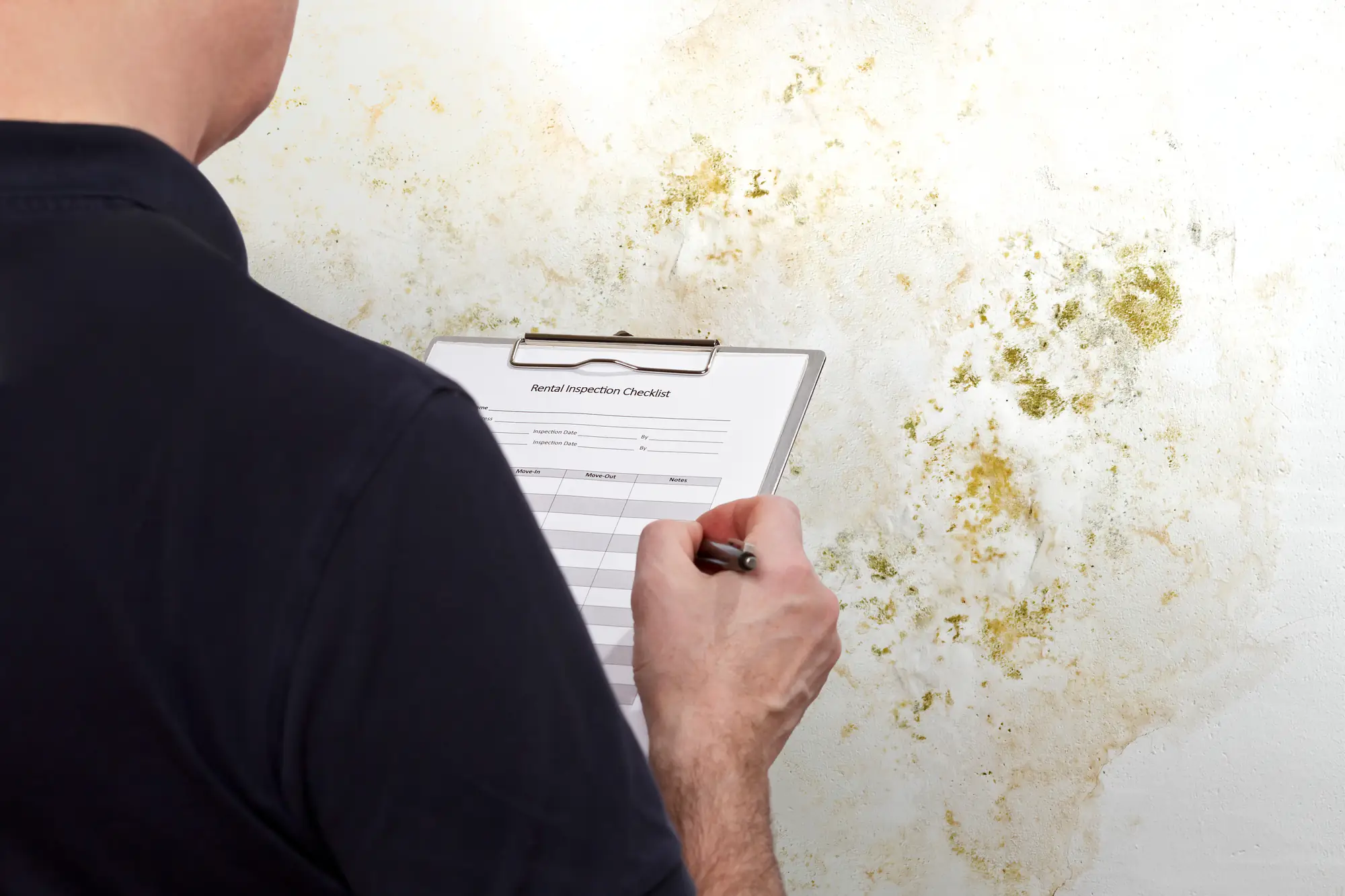
First, we walk through your property and look for visible signs of mold growth, water damage, or conditions that support mold. We’re checking basements, bathrooms, attics, crawl spaces—anywhere moisture tends to hide.
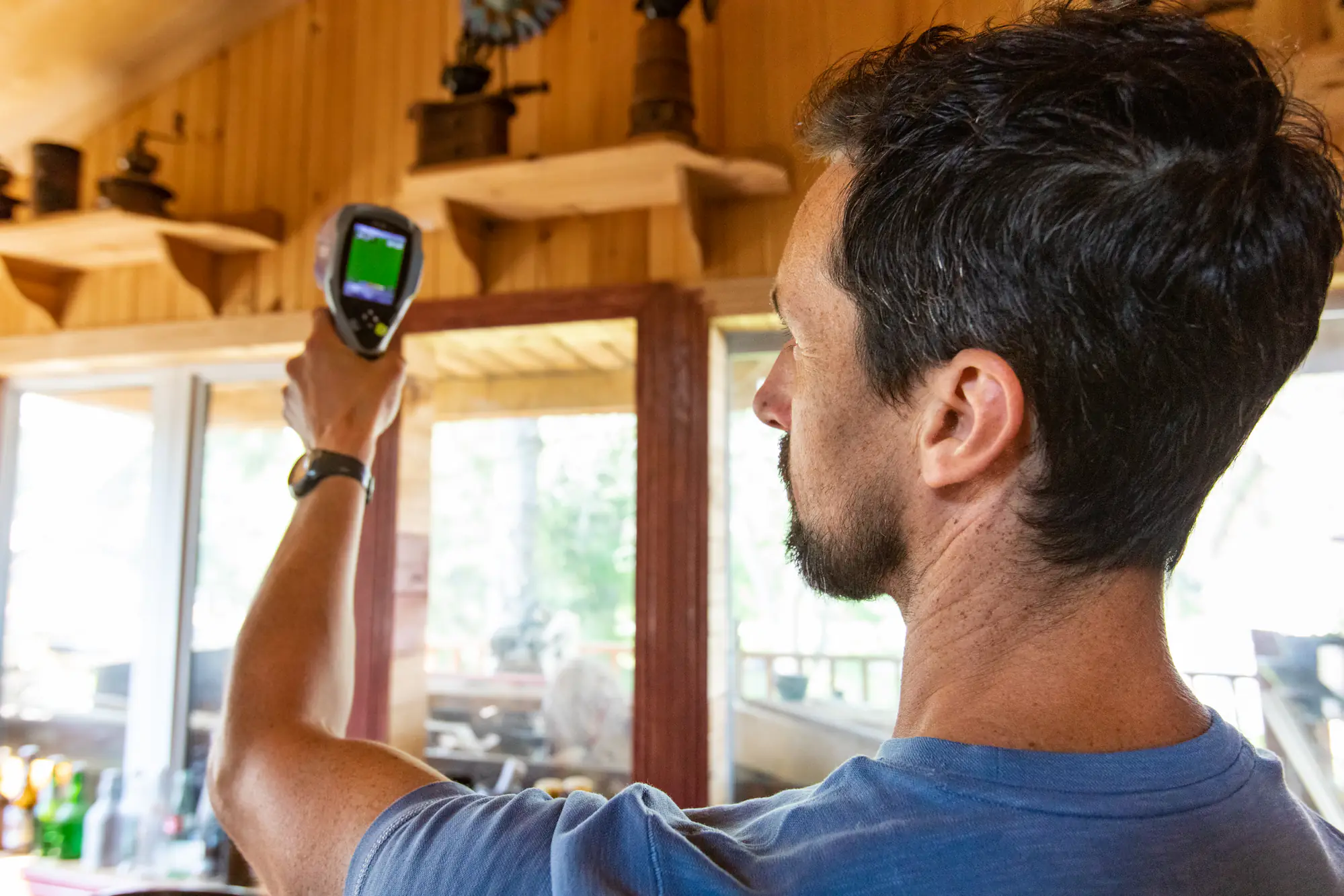
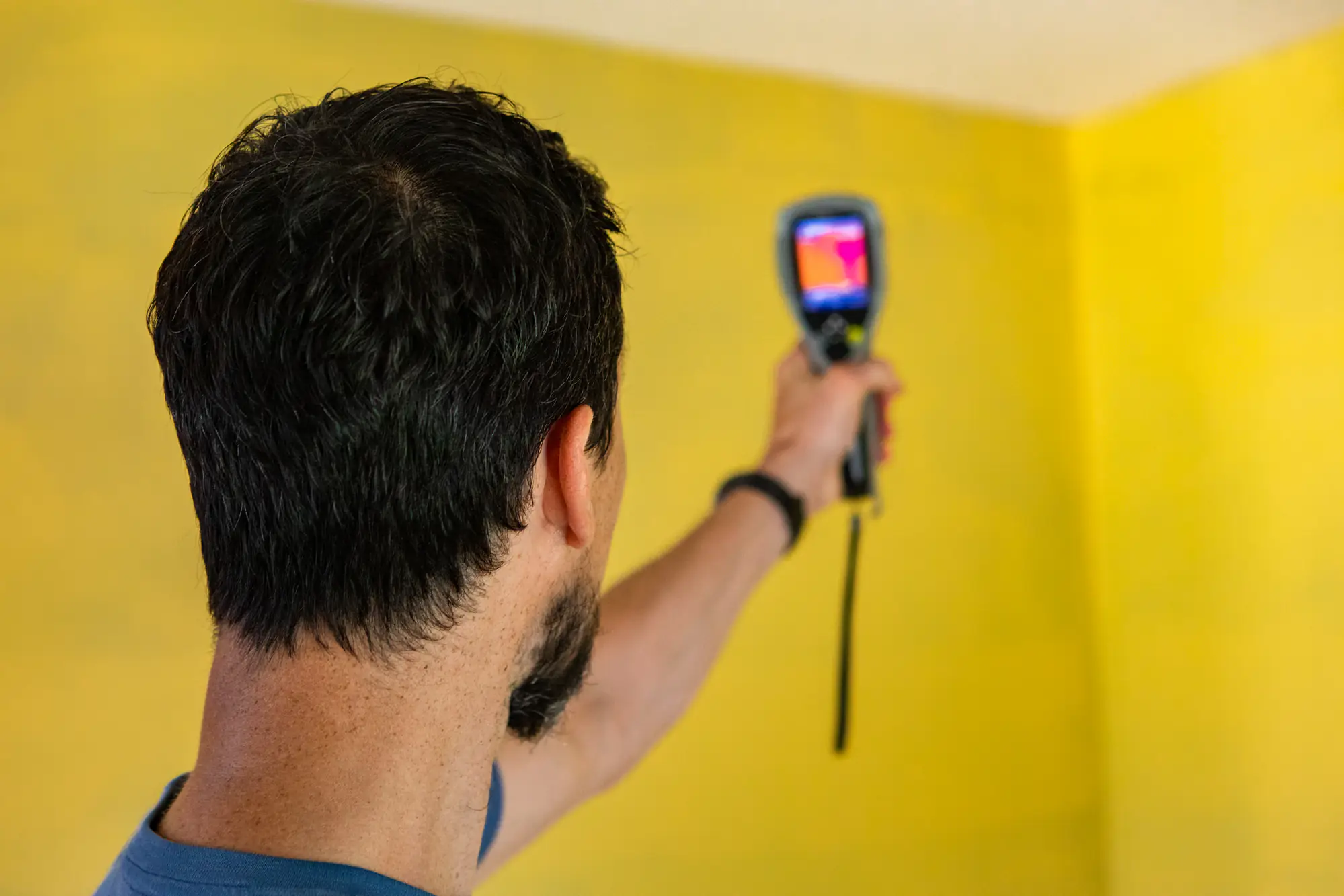
Next, we use moisture meters to measure water content in walls, floors, and ceilings. High moisture doesn’t always mean mold, but it tells us where problems are likely. We also use thermal imaging cameras to detect temperature differences that indicate hidden moisture behind surfaces you can’t see.
Then we collect samples. Air samples capture spore counts in the rooms you’re concerned about. Surface samples test visible growth to identify the species. Everything gets sent to a certified lab for analysis.
You get a full report within a few days. It includes what we found, where we found it, spore counts, mold species, and moisture levels. We walk you through the results and explain what they mean for your home and your next steps.
Ready to get started?
You’re not just paying for someone to show up with a flashlight. You’re getting a full assessment of your indoor air quality and moisture conditions.
We bring moisture meters that give precise water content readings in building materials. We use thermal imaging to see behind walls without tearing anything apart. We collect air samples from multiple rooms to measure airborne spore levels, and we take surface samples if there’s visible growth that needs identification.
Everything goes to an accredited lab. You get documentation that’s detailed enough for insurance claims, real estate transactions, or just your own peace of mind. The report shows exactly what’s in your air, what’s growing on your surfaces, and where the moisture is coming from.
Trevose sits in an area with higher humidity, older housing stock, and proximity to water sources that make mold growth more common. Homes built in the 60s and 70s weren’t designed with the ventilation standards we have now. That’s not a flaw—it’s just reality. And it’s why testing matters more here than in drier climates.
Most professional mold testing in Bucks County starts around $300 to $350 for a standard residential inspection. That typically includes a visual inspection, moisture detection with meters and thermal imaging, and lab analysis of air or surface samples.
If your home is larger, or if you need testing in multiple areas, the cost can go up. But you’re paying for accurate results from a certified lab, not a color-changing strip that may or may not mean anything.
We offer free initial inspections, so you’re not spending money before you even know if testing makes sense. Some situations don’t require lab work at all—if there’s visible mold and an obvious moisture source, testing won’t change what needs to happen. We’ll tell you that upfront.
Consumer Reports rates DIY mold test kits as “Not Recommended.” The problem isn’t that they don’t detect mold—it’s that they detect it even when there’s no actual hazard, and they can’t tell you what type of mold you have or how much is in the air.
Most DIY kits will come back positive because mold spores exist everywhere. That doesn’t mean your home has a mold problem. It just means you wasted money on a test that can’t give you useful information.
Professional testing uses calibrated equipment and lab analysis to measure spore concentrations and identify species. You find out if levels are elevated compared to outdoor air, which species are present, and whether they’re the kind that pose health risks. That’s the difference between panicking over nothing and actually knowing what you’re dealing with.
The most common indoor molds in Pennsylvania are Cladosporium, Penicillium, Aspergillus, and Alternaria. These show up in damp areas like bathrooms, basements, and around windows where condensation builds up.
Black mold—Stachybotrys chartarum—gets the most attention because it can produce mycotoxins. It’s less common than people think, but it does grow in homes with serious water damage or long-term moisture problems. It needs consistently wet conditions to thrive, which is why it shows up in areas that have been wet for weeks or months.
The only way to know what’s actually growing in your home is to test it. Visual identification isn’t reliable. A black mold test through lab analysis will confirm the species and tell you whether you’re dealing with something that requires immediate remediation or just normal background levels that don’t pose a risk.
Lab results usually come back within 24 to 48 hours after we collect samples. Some labs can turn around results the same day if it’s urgent, but most residential testing doesn’t require that kind of speed.
The inspection itself takes a couple of hours depending on the size of your home and how many areas we’re testing. We’re thorough, but we’re not tearing your house apart. We’re looking, measuring, sampling, and documenting.
Once the lab sends results, we put together a report that explains what we found in terms you can actually understand. Then we walk you through it—what the numbers mean, whether the levels are concerning, and what your options are. You’re not left trying to decode a lab report on your own.
You should consider testing if you smell a musty odor but can’t find the source, if someone in your home has unexplained respiratory symptoms that improve when they leave the house, or if you’ve had water damage and want to confirm it didn’t lead to mold growth.
Testing also makes sense before buying a home, especially older homes in areas like Trevose where humidity and aging building materials create conditions mold loves. You don’t want to find out six months after closing that there’s a mold problem the inspector missed.
If you can see mold and you know where the moisture is coming from, testing usually isn’t necessary. The EPA says visible mold should just be removed, regardless of type. But if the growth is hidden, if you’re not sure what’s causing it, or if you need documentation for insurance or legal reasons, professional testing gives you the proof you need.
Air sampling measures the concentration of mold spores floating in your indoor air. We use a pump to pull air through a collection device, then send it to a lab to count spores and identify species. This tells you what you’re breathing and whether indoor levels are higher than outdoor levels.
Surface sampling tests visible growth or suspicious areas by swabbing or tape-lifting a sample. The lab identifies what’s growing there and confirms whether it’s actually mold or just dirt and discoloration. This is useful when you see something but aren’t sure what it is.
Most comprehensive mold inspections include both. Air samples show you the overall air quality. Surface samples confirm what’s growing in specific spots. Together, they give you a complete picture of whether you have a mold problem, where it is, and what needs to happen next.
Other Services we provide in Trevose