

Hear from Our Customers
You’re not imagining that musty smell. Your kids’ coughing fits aren’t just seasonal allergies. And that dark spot behind the washing machine isn’t going away on its own.
Mold doesn’t announce itself until it’s already a problem. By the time you see it, there’s usually more hiding where you can’t—inside walls, under flooring, in your HVAC system. Professional mold testing finds what’s actually there, not what you hope isn’t.
Here’s what changes after testing: you know exactly what you’re dealing with. No more wondering if that’s just dirt or if it’s black mold. No more late-night searches trying to figure out if your headaches are related to your home. You get lab results that tell you the mold type, the concentration levels, and whether it’s affecting your indoor air quality.
Early detection means you’re looking at hundreds in fixes, not thousands in remediation. It means your family isn’t breathing in spores for months while you “wait and see.” It means you can actually solve the problem instead of just cleaning the surface and hoping it doesn’t come back.
We’ve been handling mold problems across Bucks County for years. We’re not a franchise following a script—we’re local professionals who understand exactly why homes in Strawntown develop mold issues.
The older homes around here weren’t built with modern moisture barriers. Basements leak. Crawl spaces stay damp. And Pennsylvania’s humidity creates perfect conditions for mold growth, especially during summer when AC units run constantly and condensation builds up in places you’d never think to check.
We use EPA-approved testing methods and advanced equipment like thermal imaging and moisture meters. Our technicians are certified mold remediation professionals who’ve seen every type of mold situation you can imagine. When we test your property, you’re getting accurate results you can actually use—whether that’s for your own peace of mind, insurance documentation, or deciding on next steps.
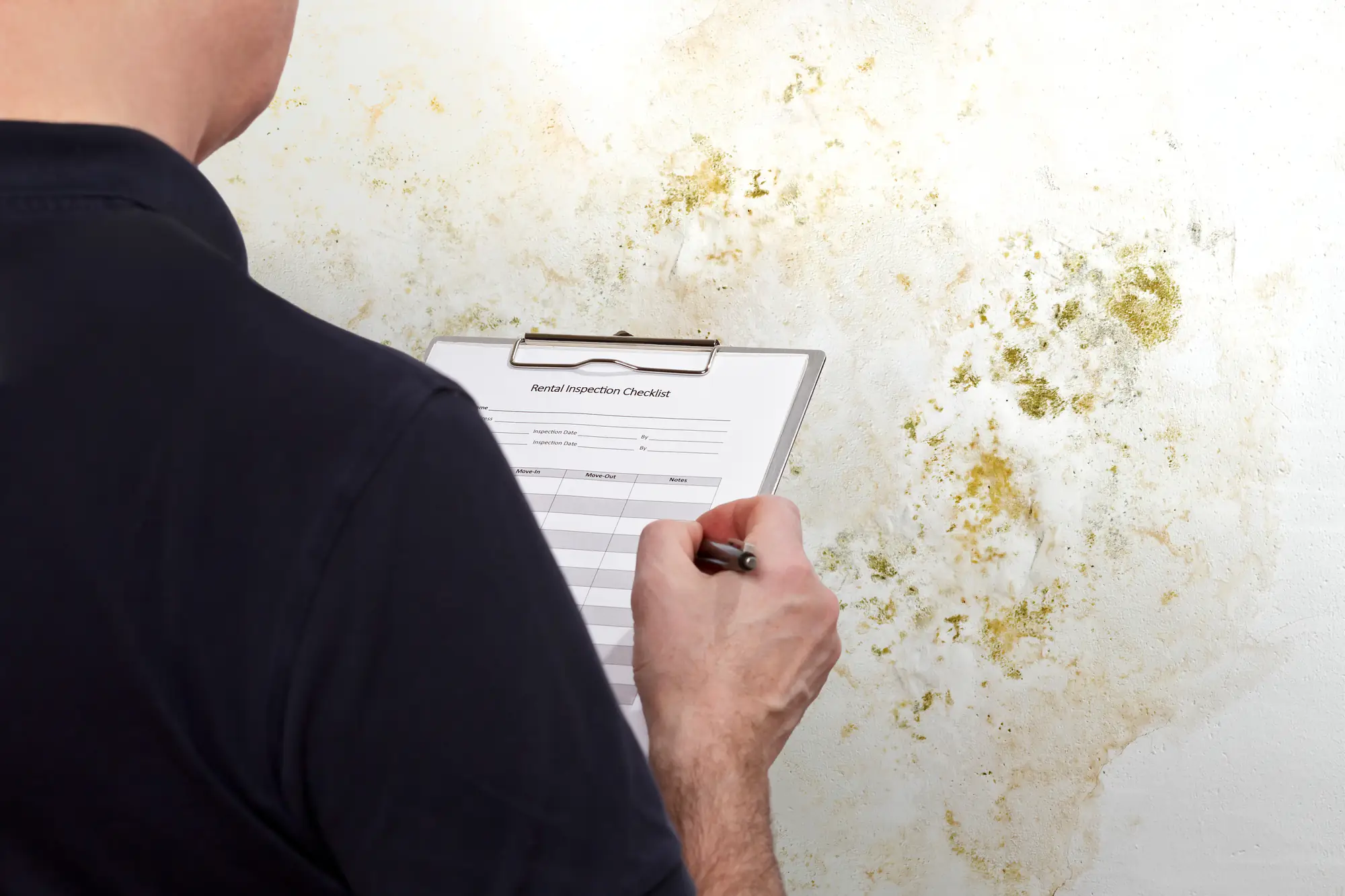
First, we walk through your property and look at the obvious spots—anywhere you’ve noticed discoloration, smelled something off, or had water issues. But we also check the places most people miss: behind appliances, inside HVAC systems, under sinks, around windows, in attics and crawl spaces.
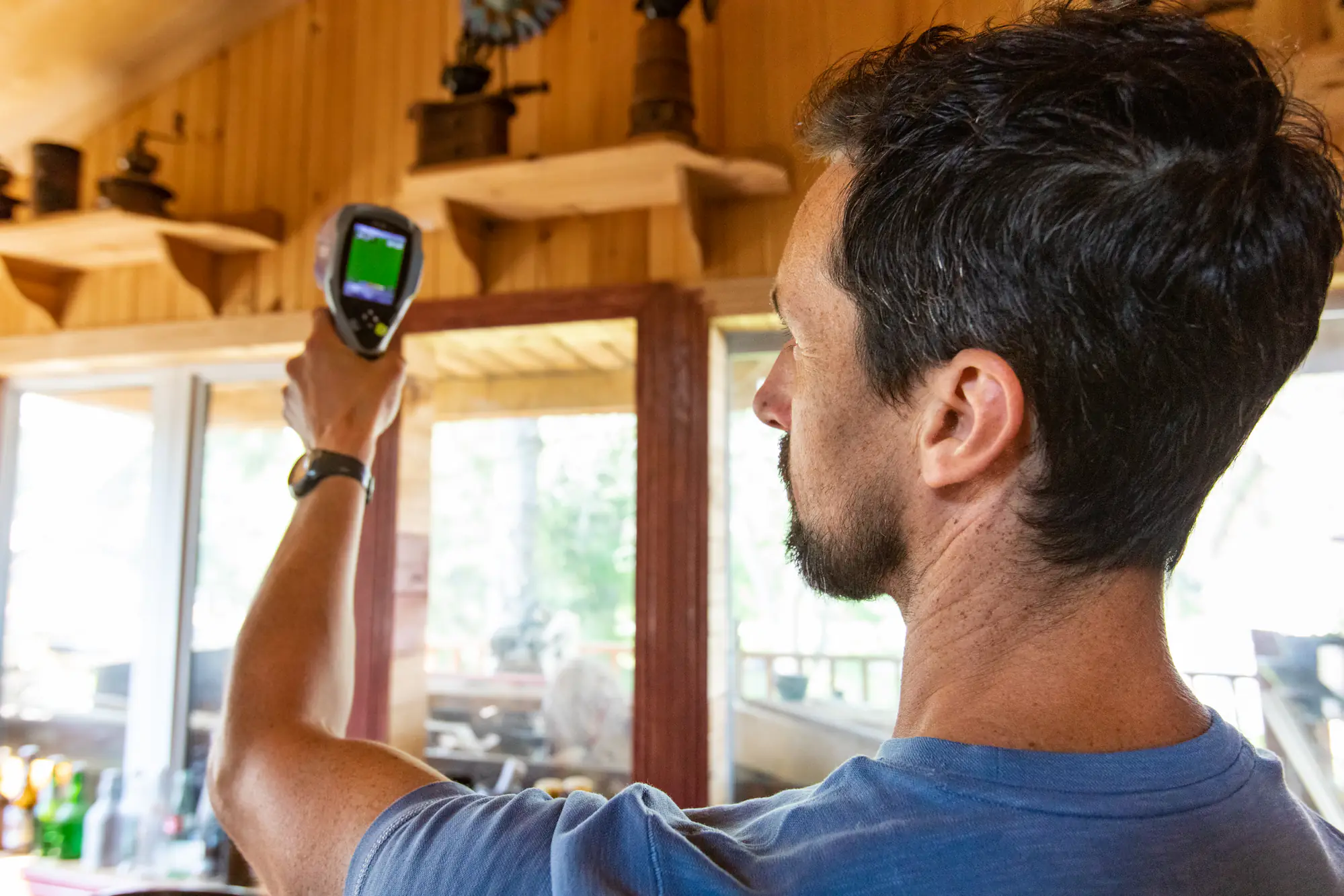
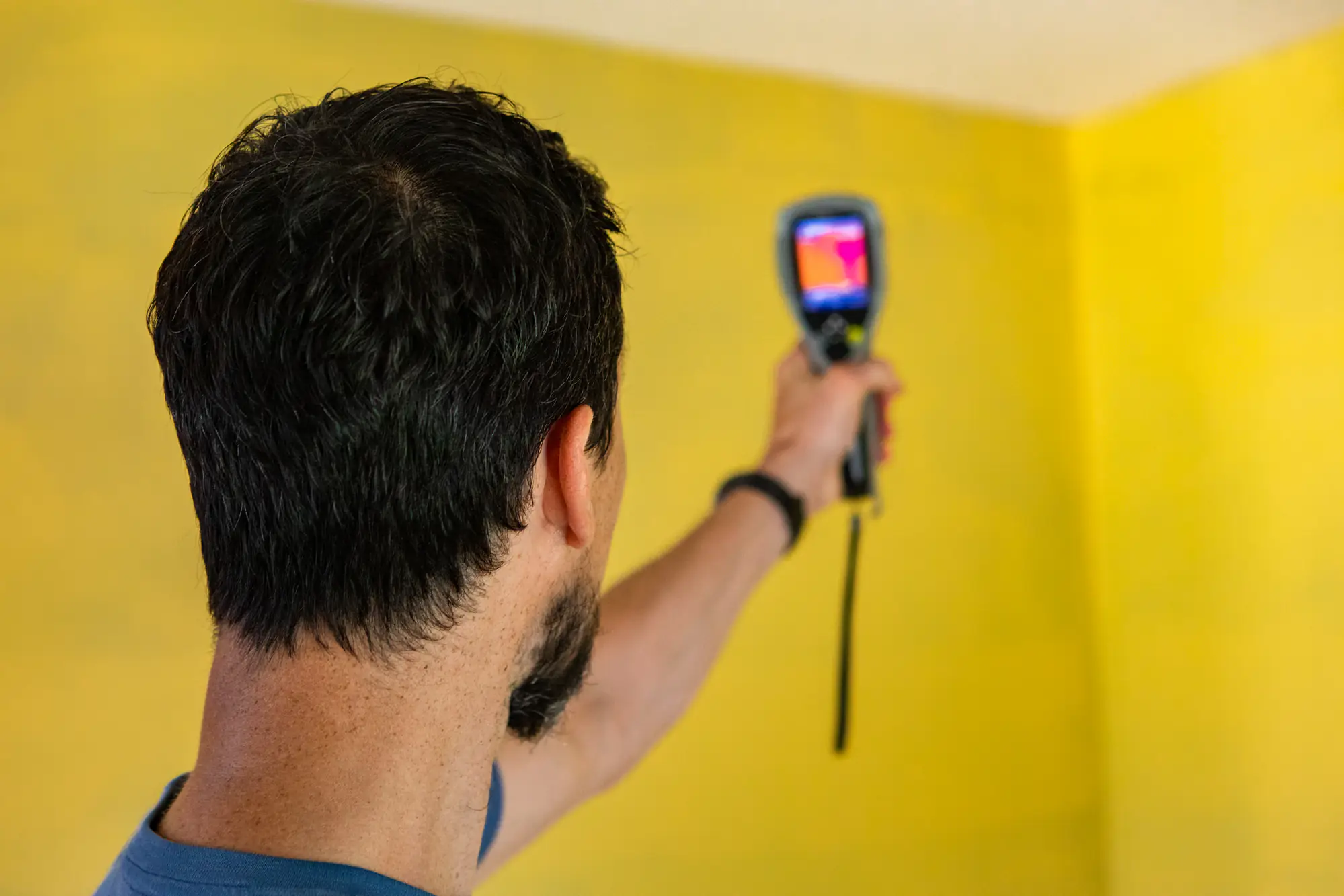
We use moisture meters to find hidden dampness and thermal imaging to spot temperature differences that indicate moisture problems behind walls. If we find visible mold or suspect hidden growth, we take samples. Air quality testing captures what’s floating around that you can’t see. Surface samples test specific areas. Sometimes we do both.
Those samples go to an independent lab for analysis. You get a detailed report that identifies the exact mold species, concentration levels, and whether your indoor air quality is within safe ranges. We explain what the results mean in plain language—no jargon, no scare tactics.
Then we talk about what happens next. Sometimes it’s a minor fix you can handle yourself. Sometimes it requires professional remediation. Either way, you’ll know exactly what you’re dealing with and what it’ll take to fix it properly.
Ready to get started?
You get a thorough property inspection that covers every area where mold typically grows. That includes basements, bathrooms, kitchens, laundry rooms, attics, crawl spaces, and anywhere else moisture accumulates. We’re looking at the whole picture—not just the spot you called about.
Testing includes both air samples and surface samples when needed. Air testing tells us what you’re breathing. Surface testing identifies specific mold types in problem areas. Both matter, and both get sent to certified labs for analysis.
Strawntown homes face specific challenges. The older properties in Bucks County often have foundation issues that let water seep in. Poor drainage around homes creates constant moisture problems. And because many houses here were built before modern building codes, ventilation isn’t always adequate—especially in bathrooms and basements where humidity builds up fast.
You also get documentation that holds up with insurance companies. If your mold problem resulted from a covered event like a burst pipe or roof leak, professional testing results support your claim. We’ve worked with enough insurance situations to know what documentation they need.
We’re available 24/7 because mold emergencies don’t wait for business hours. If you’ve just discovered a major leak or significant growth, we can get there fast.
If you can see mold, smell mold, or you’ve had water damage in the past six months, testing tells you how serious the problem is. Visible mold might just be surface growth, or it might indicate a bigger issue behind walls. That musty smell everyone talks about? It’s volatile organic compounds released by mold colonies—if you smell it, there’s growth somewhere.
You should also test if anyone in your home is experiencing unexplained respiratory issues, headaches, or allergy symptoms that get better when they leave the house. At least 4.6 million asthma cases are attributed to mold exposure. Kids and elderly family members are especially vulnerable.
Testing makes sense after any flooding, pipe bursts, roof leaks, or long-term moisture problems. Even if you cleaned everything up, mold can start growing within 24-48 hours of water exposure. Professional testing finds hidden growth before it becomes a major remediation job.
Free inspections are usually visual assessments offered by remediation companies. They’ll look around and tell you if they see mold, but there’s an obvious conflict of interest—they make money when they find problems that need fixing. Some are legitimate, but many push unnecessary services.
Professional mold testing includes laboratory analysis. We collect samples and send them to independent certified labs that identify the exact mold species and measure concentration levels. You get hard data about what’s in your home and whether it’s at dangerous levels. That’s the only way to know for sure if you’re dealing with toxic black mold or just common surface mildew.
Lab results also give you documentation for insurance claims and provide a baseline for confirming that remediation actually worked. After mold removal, post-testing verifies that spore counts are back to normal levels. You can’t get that verification from a visual inspection.
The cost of testing is minimal compared to the cost of unnecessary remediation or—worse—ignoring a serious problem until it requires major repairs.
The actual inspection and sample collection usually takes one to two hours, depending on your property size and how many areas we’re testing. We’re thorough but efficient—we’re not going to disrupt your entire day.
Lab results typically come back within three to five business days. The lab needs time to culture samples and identify specific mold species. If you’re in an emergency situation where someone’s having serious health reactions, we can request rush processing for faster results.
Once we get the lab report, we schedule a time to go over the findings with you. We’ll explain what types of mold were found, what the concentration levels mean, and whether your indoor air quality is within acceptable ranges. Then we discuss your options—what needs to happen next, what it’ll cost, and what timeline makes sense.
If remediation is needed, we can start as soon as you’re ready. If the results show minor issues, we’ll tell you that too. You’re not going to get pushed into services you don’t need.
It depends on what caused the mold. If it resulted from a sudden, covered event—like a burst pipe, roof damage from a storm, or appliance malfunction—most policies will cover testing and remediation. If it’s from long-term neglect, poor maintenance, or gradual moisture problems, probably not.
Pennsylvania doesn’t have state regulations requiring mold coverage, so it varies by policy. Some insurers include it automatically, others offer it as an add-on, and some exclude it entirely. You need to check your specific policy or call your agent.
Here’s why professional testing matters for insurance: adjusters want documentation. They need proof that mold exists, what type it is, and that it resulted from a covered event. Our lab reports provide that documentation. We’ve worked with insurance companies enough to know what they require.
Even if insurance doesn’t cover it, testing usually costs a few hundred dollars. Compare that to remediating the wrong areas or missing hidden growth that continues spreading—you’ll spend thousands more down the road. Testing first saves money in the long run.
Home test kits from hardware stores will tell you that mold exists—which you probably already know if you’re testing. They don’t tell you what type of mold, how much is present, or whether it’s affecting your air quality at dangerous levels. They also can’t find hidden mold behind walls or in HVAC systems.
Most home kits test surface samples only. They miss airborne spores, which are often the bigger health concern. And the lab analysis that comes with those kits is basic at best—you’re not getting the detailed species identification and concentration measurements that professional testing provides.
The bigger issue is that DIY testing doesn’t include a professional inspection. We find the moisture sources feeding mold growth. We identify all the affected areas, not just the one spot you tested. We use thermal imaging and moisture meters to detect problems you can’t see. That context matters when you’re trying to actually solve the problem instead of just confirming it exists.
If you’re dealing with potential black mold, health symptoms, or planning to file an insurance claim, home test kits won’t cut it. You need professional documentation from certified labs and experienced inspectors who know what they’re looking at.
First, understand that “black mold” usually refers to Stachybotrys chartarum, which produces mycotoxins that can cause serious health problems. But not all black-colored mold is Stachybotrys, and not all Stachybotrys is equally dangerous. The lab results tell us exactly what we’re dealing with.
If testing confirms toxic mold at high concentrations, you need professional remediation. This isn’t a DIY situation. Disturbing toxic mold without proper containment spreads spores throughout your home and increases exposure. Professional remediation includes containment barriers, negative air pressure, HEPA filtration, and proper disposal of contaminated materials.
We’ll walk you through the remediation process, timeline, and cost. We’ll also identify and fix the moisture source—because killing existing mold doesn’t matter if the conditions that caused it are still there. That might mean fixing leaks, improving ventilation, addressing drainage issues, or installing dehumidifiers.
After remediation, we do post-testing to verify that spore counts are back to safe levels. You get documentation proving the problem was handled correctly. Most importantly, your family isn’t breathing in mycotoxins anymore.
Other Services we provide in Strawntown