

Hear from Our Customers
That musty smell in your basement isn’t just unpleasant. It’s a sign that mold is actively growing somewhere in your home, releasing spores into the air your family breathes every day.
You can’t fix what you can’t see. Most mold hides behind walls, under floors, or inside HVAC systems where it quietly spreads for months before you notice the damage.
Professional mold testing gives you the full picture. We use thermal imaging to detect moisture patterns, air sampling to measure spore levels, and moisture meters to find the source. You’ll get lab results that show exactly what type of mold you’re dealing with, where it’s growing, and how severe the contamination is. No guessing. No assumptions. Just clear answers that help you make the right call about what happens next.
We’ve been testing and treating homes across Bucks County for years. We know how Pennsylvania’s humid summers and damp basements create perfect conditions for mold growth, especially in older homes with crawl spaces and poor ventilation.
Our technicians are certified in mold remediation and trained to use EPA-approved testing methods. We’re not here to upsell you on services you don’t need. We test, we report the findings, and we give you honest recommendations based on what the data shows.
Local insurance companies trust our documentation. Real estate agents call us when transactions hit a snag. Homeowners in Spinnerstown come back to us because we don’t exaggerate and we don’t cut corners.
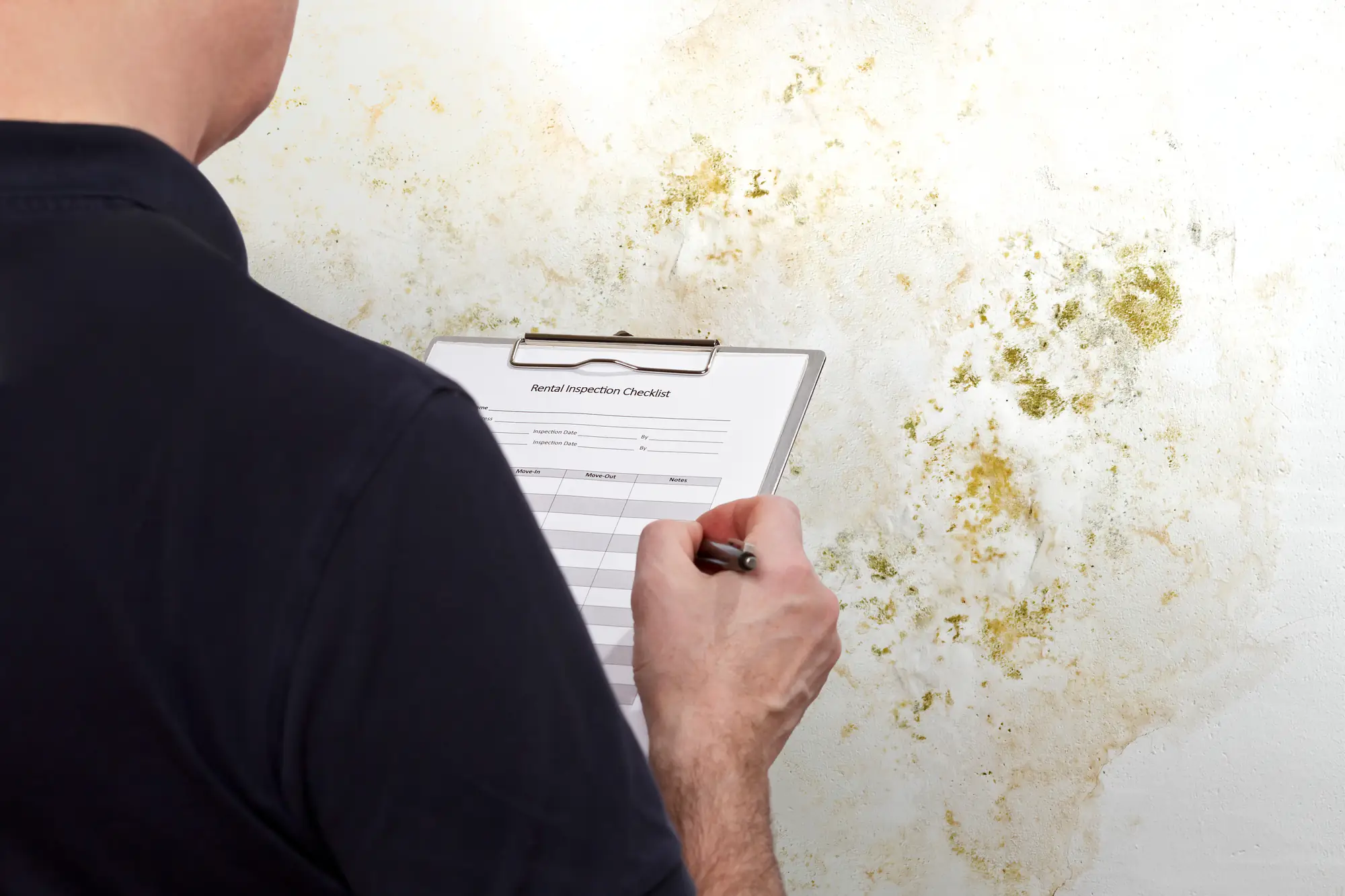
We start with a visual inspection of your home, checking areas where mold typically grows—basements, attics, crawl spaces, bathrooms, and around windows. We’re looking for visible growth, water stains, and signs of past leaks.
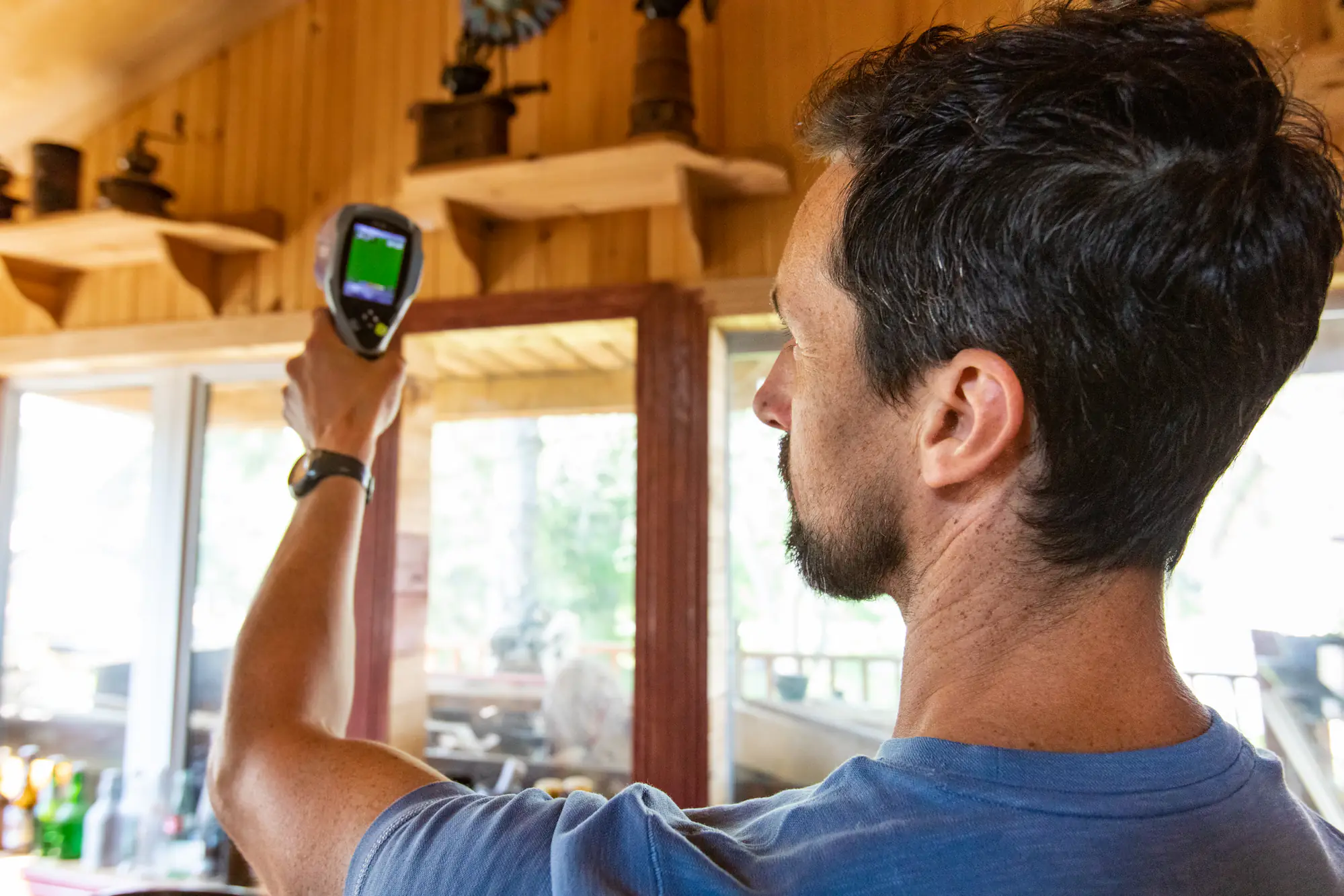
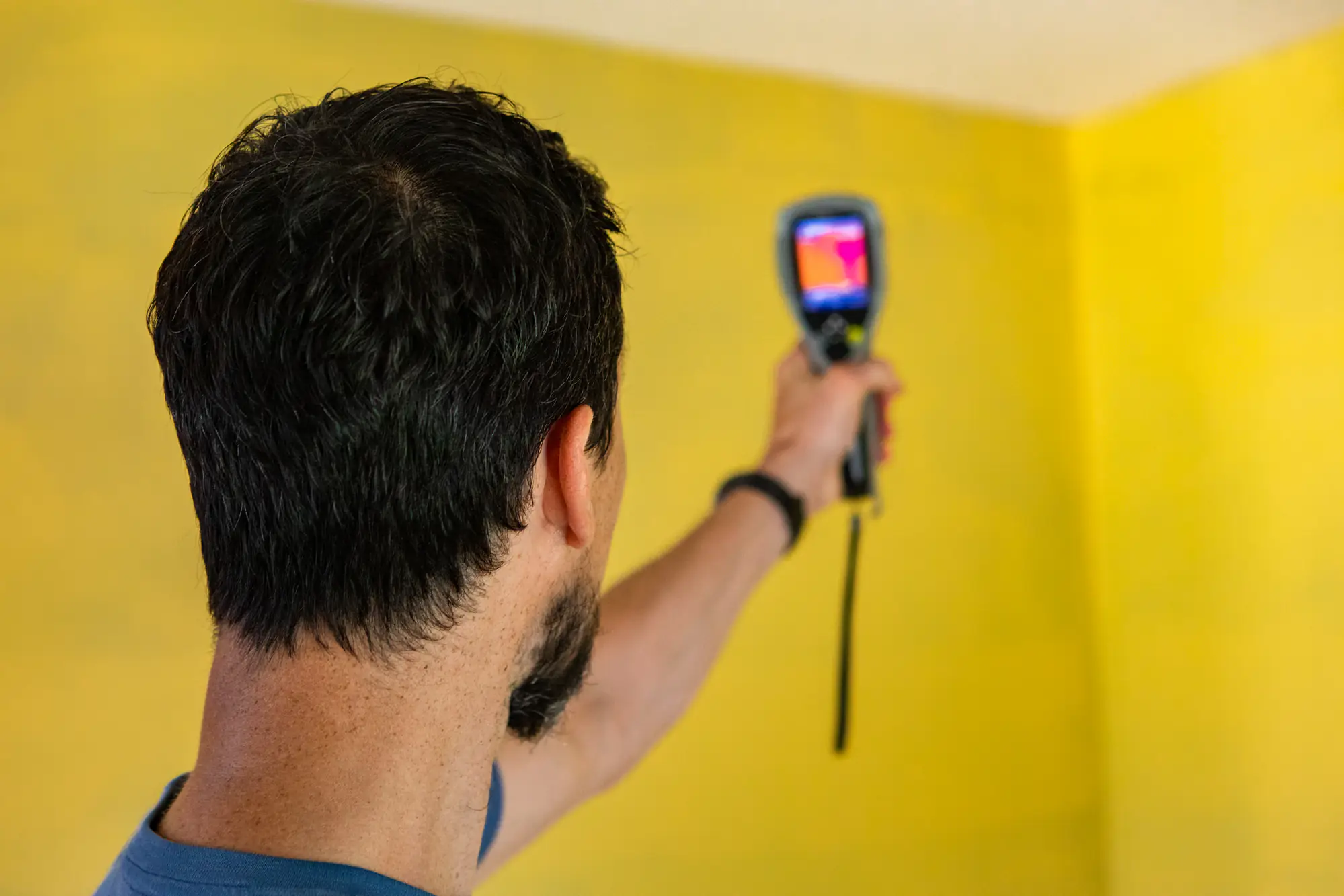
Next, we use thermal imaging cameras to detect temperature differences in walls and ceilings. Cold spots often indicate moisture trapped inside, which means mold could be growing where you can’t see it. We also use moisture meters to measure humidity levels in building materials.
Then we collect air samples from multiple rooms and send them to a certified lab for analysis. The lab identifies the types of mold present and measures spore concentrations. We also take surface samples if we find visible growth that needs identification.
You’ll receive a detailed report within a few days that breaks down the findings in plain language. It includes photos, lab results, moisture readings, and our recommendations for remediation if needed. If the test comes back clean, you’ll have documentation proving your home is safe.
Ready to get started?
Every mold testing service includes a full visual inspection of your property, thermal imaging to detect hidden moisture, and air quality sampling from multiple locations. We test both indoor and outdoor air so we can compare spore levels and determine if your home has an active mold problem.
In Spinnerstown, we pay extra attention to basements and crawl spaces. Bucks County’s clay-heavy soil doesn’t drain well, which means water tends to pool around foundations. Combined with Pennsylvania’s humidity levels that regularly exceed 60 percent during summer months, your basement becomes a breeding ground for mold growth.
We also inspect HVAC systems, because mold spores spread quickly through ductwork. If your system is circulating contaminated air, it doesn’t matter how clean the rest of your house looks—you’re still breathing those spores.
You’ll get lab-certified results that identify specific mold species, including black mold, which requires immediate attention. The report includes moisture readings, photos of problem areas, and a custom remediation plan if contamination is found. If you need the results for a real estate transaction or insurance claim, our documentation meets industry standards.
You need testing if you smell a persistent musty odor, see visible mold growth, or notice unexplained health symptoms like coughing, sneezing, or sinus irritation that improve when you leave the house. These are signs that mold is actively growing and releasing spores into your indoor air.
You also need testing after any water damage—even if it was cleaned up quickly. Mold can start growing within 24 to 48 hours of water exposure, and it often develops in hidden areas like wall cavities and under flooring where you won’t see it until the problem is severe.
If you’re buying or selling a home in Spinnerstown, professional mold testing protects both parties. Sellers get documentation proving the home is clean. Buyers get peace of mind before closing. Many real estate transactions require mold inspections, especially for older properties or homes with known moisture issues.
DIY test kits only tell you if mold spores are present—which they always are, because mold exists everywhere. They don’t tell you what type of mold you have, how much contamination exists, or where it’s growing. You’re basically paying for information you already know.
Professional mold testing uses calibrated equipment to measure spore concentrations in your indoor air and compare them to outdoor levels. If your indoor counts are significantly higher, that indicates active growth inside your home. Lab analysis identifies the specific species, which matters because some molds are more dangerous than others.
We also use thermal imaging and moisture meters to locate the source of the problem. Finding mold is only half the battle—you need to fix the moisture issue causing it, or it’ll just come back. DIY kits can’t detect hidden moisture or map out contamination patterns the way professional equipment can.
The on-site inspection typically takes one to two hours, depending on the size of your home and how many areas need testing. We’re thorough, but we’re not going to waste your time poking around in spaces that clearly aren’t problematic.
Air samples go to a certified lab for analysis, and you’ll receive results within three to five business days. The report includes spore counts, mold species identification, and our professional assessment of what the findings mean for your home.
If we find visible growth that needs immediate identification, we can expedite surface samples for faster results. In situations where health symptoms are severe or real estate transactions are time-sensitive, we prioritize lab processing to get you answers quickly. You’ll receive a detailed written report with photos, lab data, and clear recommendations for next steps.
Yes. Lab analysis identifies specific mold species, including Stachybotrys chartarum, which is commonly called black mold. If it’s present in your home, the lab report will confirm it and measure the concentration levels.
Black mold gets a lot of attention because it produces mycotoxins that can cause serious health problems, especially for children, elderly individuals, and anyone with respiratory conditions. But here’s what most people don’t realize—other mold types can be just as harmful depending on the concentration and your personal sensitivity.
What matters more than the species is the extent of contamination and where it’s growing. A small patch of black mold in a bathroom corner is less concerning than widespread growth of any mold type behind your walls or in your HVAC system. Professional testing gives you the complete picture so you can make informed decisions about remediation.
Pennsylvania’s climate is a major factor. Spinnerstown gets humid summers where indoor moisture levels regularly stay above 60 percent, which is high enough to support mold growth. Add in damp winters and you’ve got year-round conditions that favor contamination.
Bucks County’s soil composition doesn’t help. The clay-heavy ground doesn’t drain well, so water pools around foundations and seeps into basements and crawl spaces. Older homes in the area often lack proper waterproofing or have outdated drainage systems that can’t handle heavy rain.
Poor ventilation makes the problem worse. Attics without adequate airflow trap moisture. Bathrooms without exhaust fans stay damp after showers. Basements with limited air circulation become breeding grounds for mold. If your home was built before modern building codes addressed moisture control, you’re at higher risk. Professional testing identifies these vulnerabilities before they turn into expensive remediation projects.
Most residential mold testing runs between $300 and $600, depending on the size of your home and how many samples we need to collect. A small single-family home with one or two problem areas costs less than a large property that requires testing in multiple rooms.
That price includes the visual inspection, thermal imaging, moisture readings, air sampling, lab analysis, and a detailed written report. You’re not paying extra for each service—it’s all part of the complete assessment.
Testing costs less than remediation, and it’s a fraction of what you’ll pay if mold spreads unchecked and damages your home’s structure. Nearly half of residential buildings show visible mold or detectable odor, and professional remediation often helps sellers recover close to $20,000 more in resale value compared to those who just drop the price. If you’re dealing with health symptoms, real estate transactions, or insurance claims, professional documentation is worth the investment.
Other Services we provide in Spinnerstown