

Hear from Our Customers
You’re not looking for a mold testing company just to check a box. You need to know if there’s a problem, where it is, and what it’s going to take to fix it.
That’s what accurate mold testing does. It tells you if that musty smell in your basement is surface moisture or black mold spreading behind your walls. It shows you whether that water leak from last winter left damage you can’t see. And it gives you documentation you can use—whether that’s for your own peace of mind, a real estate transaction, or an insurance claim.
Bucks County’s humid summers and damp winters create perfect conditions for mold growth. Even well-maintained homes in Shelly can develop problems in basements, attics, and crawl spaces where moisture builds up. A professional mold test catches it early, before it becomes a health risk or an expensive remediation job.
You get a clear assessment of what’s happening in your home. No guessing. No waiting until symptoms get worse. Just real information that helps you make the right call.
Mack’s Mold Removal has spent years working in Shelly and throughout Bucks County. We understand how Pennsylvania’s seasonal changes affect your home—the basement moisture that shows up every spring, the attic condensation that builds during humid August weeks, the hidden dampness that older homes trap in wall cavities.
We’re not a national franchise following a script. We’re local professionals who’ve seen what mold does to homes in this area, and we know how to find it before it spreads.
Our testing uses EPA-approved methods and equipment that goes beyond what you can buy at a hardware store. Thermal imaging finds moisture you can’t see. Air quality testing identifies spore levels that affect your family’s health. And we document everything so you have a complete picture of what’s actually happening in your property.
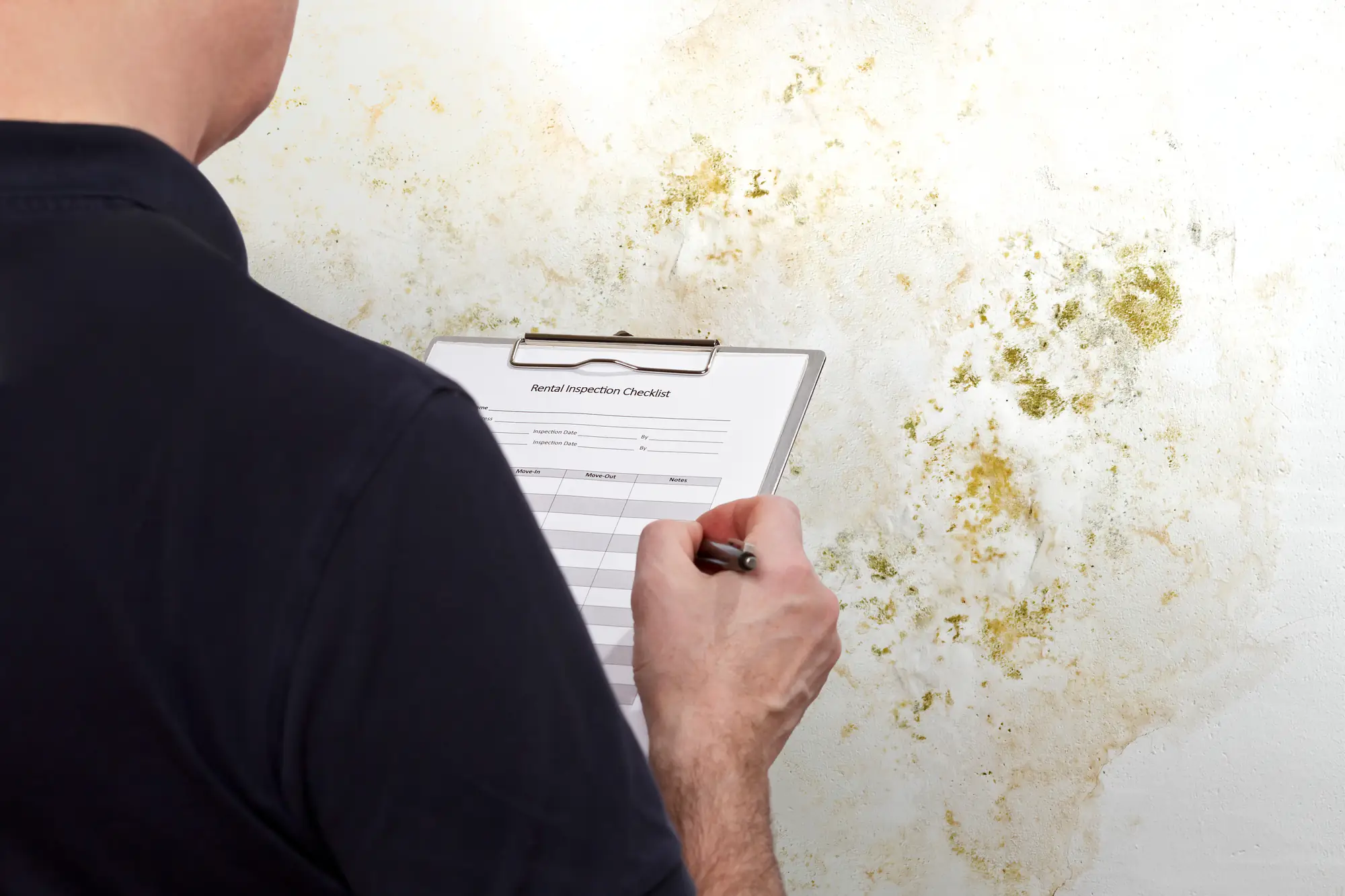
We start with a thorough visual inspection of your entire property. That means checking obvious areas like bathrooms and basements, but also looking in places most homeowners never think about—behind appliances, inside HVAC systems, around window frames, and in crawl spaces where moisture tends to collect.
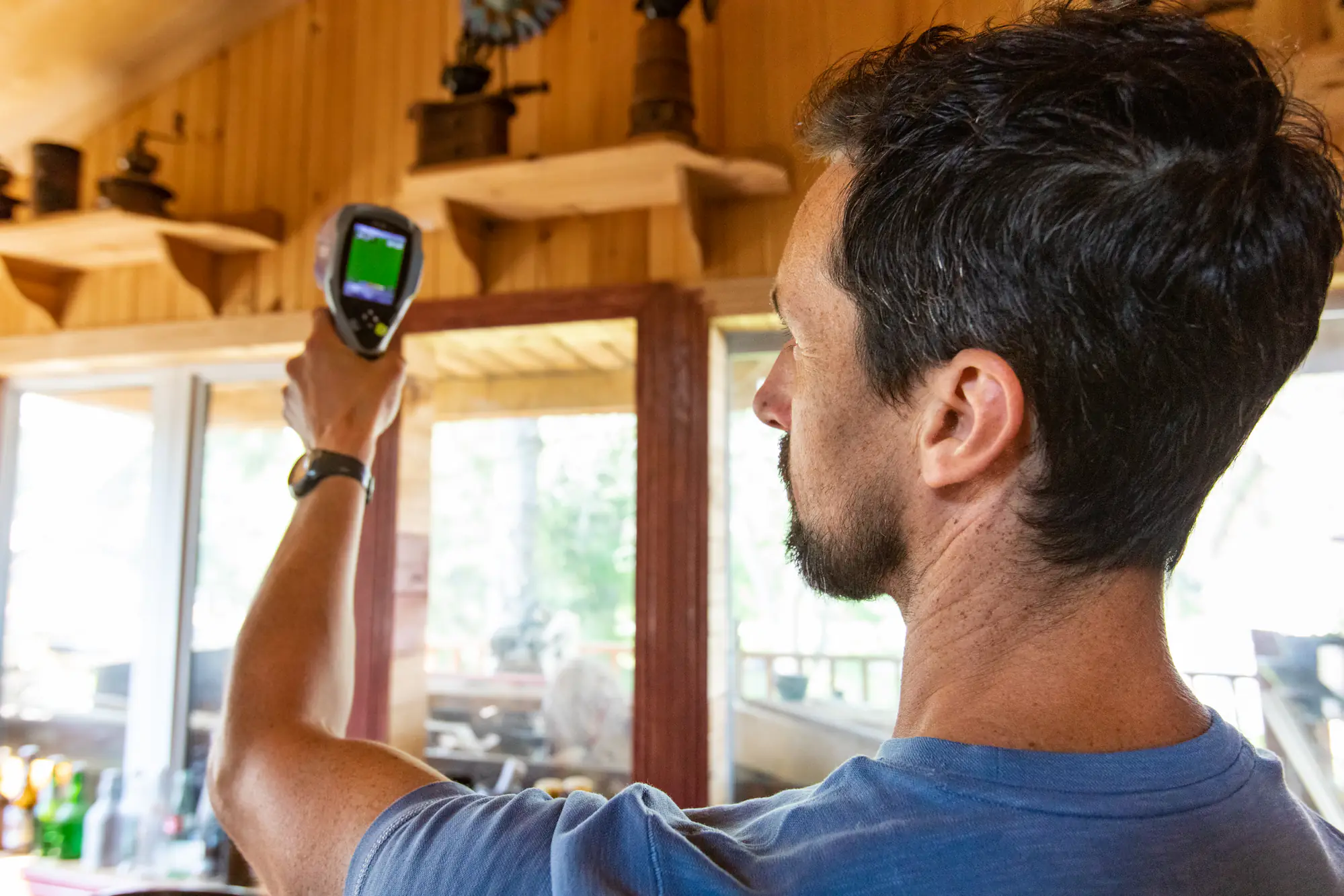
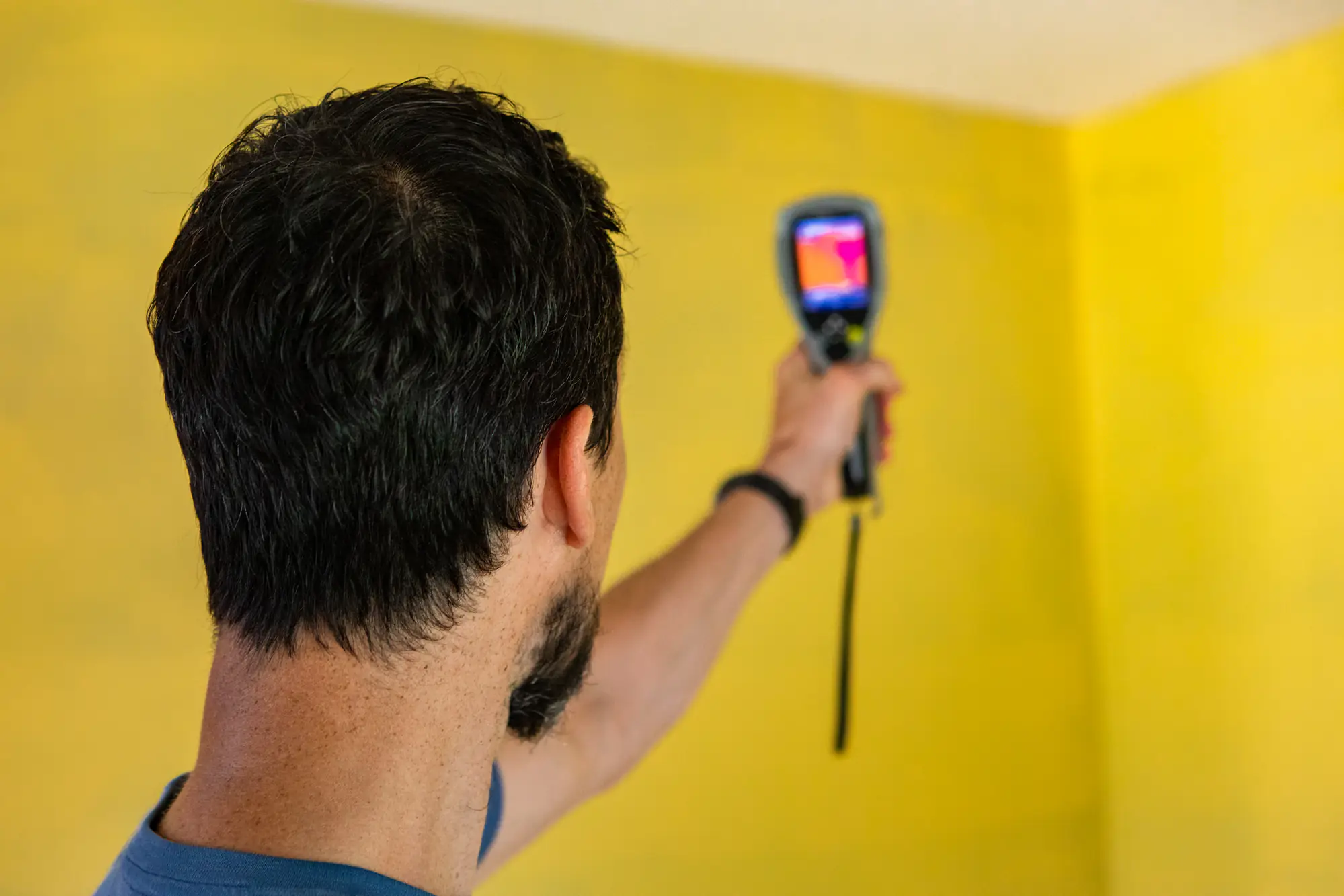
Next, we use infrared moisture mapping and thermal imaging to detect hidden water damage. Mold grows where there’s moisture, and this technology shows us problem areas behind walls and under floors without tearing anything apart. If we find suspicious areas, we take samples for lab analysis to identify exactly what type of mold you’re dealing with and how extensive the growth is.
You get a detailed report that explains what we found, where the moisture is coming from, and what needs to happen next. If there’s mold, we’ll tell you the scope of the problem and outline the remediation process. If your home is clear, you’ll have documentation proving it—useful for real estate transactions or just your own peace of mind.
The whole process typically takes a few hours, depending on your property size. We’re not rushing through to get to the next job. We’re making sure we find everything that matters.
Ready to get started?
Every residential mold testing appointment includes a complete property assessment. We inspect all moisture-prone areas, use advanced detection equipment, and provide clear documentation of our findings. You’re not paying for a quick walk-through—you’re getting a comprehensive evaluation of your home’s air quality and structural integrity.
Shelly homes face specific challenges. Many properties in Bucks County have basements with clay soil and high groundwater tables, which means moisture intrusion is common. Older homes often have ventilation issues that trap humidity. And even newer construction can develop problems if builders didn’t properly address drainage or vapor barriers.
Our testing accounts for these local factors. We know where to look based on your home’s age, construction type, and the common issues we see in this area. That means we’re more likely to find problems that a generic inspection might miss.
You also get direct support if you need to file an insurance claim or provide documentation for a real estate transaction. We work with insurance companies regularly and understand what they require. And if remediation is necessary, we’ll walk you through the entire process so you know what to expect at every step.
Most professional mold testing in Shelly runs between $300 and $600 for a standard residential property, depending on your home’s size and how extensive the inspection needs to be. That typically includes the visual inspection, moisture detection with thermal imaging, air quality testing, and a detailed report of findings.
Some companies offer free initial inspections, which can be helpful if you’re not sure whether you actually have a mold problem. These free assessments usually involve a visual check and moisture readings in suspected areas. If testing confirms mold presence, you’ll get a quote for remediation.
The cost goes up if you need lab analysis of multiple samples from different areas of your home, or if your property is larger or has multiple suspected contamination sites. But here’s the thing—professional testing almost always costs less than dealing with undetected mold damage down the road. Catching it early means smaller remediation jobs, less structural damage, and fewer health risks for your family.
A mold inspection is a visual assessment where we examine your property for signs of mold growth and moisture problems. We’re looking for visible mold, water stains, condensation, musty odors, and conditions that promote mold development. It’s a thorough walkthrough that identifies problem areas and potential risk factors.
Mold testing goes further. It involves collecting samples—either air samples or surface samples—and sending them to a lab for analysis. This tells you exactly what types of mold are present, the concentration of spores in your air, and whether you’re dealing with toxic varieties like black mold. Testing gives you specific data instead of just observations.
Most homeowners in Shelly need both. The inspection finds where mold is likely growing and where moisture is getting in. The testing confirms what’s actually there and how serious the contamination is. Together, they give you a complete picture that helps you make informed decisions about remediation. You’re not guessing about whether that dark spot is mold or just dirt—you know for certain.
DIY mold test kits from hardware stores can detect the presence of mold, but they’re not reliable for understanding the full scope of your problem. Most kits just tell you “yes, there’s mold”—which isn’t particularly helpful since mold spores exist in almost every home. They don’t tell you what type of mold, how much is present, or where it’s actually growing.
Professional mold testing uses calibrated equipment and controlled sampling methods that meet industry standards. We’re not just setting out a petri dish and seeing what grows. We’re taking strategic air samples from multiple locations, using thermal imaging to find hidden moisture, and collecting surface samples from suspected growth areas. The lab analysis identifies specific mold species and spore concentrations, which determines whether you have a health hazard or just normal background levels.
The bigger issue with DIY kits is what they miss. Mold often grows inside walls, under flooring, or in HVAC systems where you can’t see it. A surface test kit won’t detect airborne spores from hidden sources. Professional testing in Shelly accounts for how mold spreads in Bucks County homes—particularly in basements and attics where moisture problems are common. You get accurate information instead of partial data that might give you false confidence.
Yes, especially in Bucks County where humidity and older housing stock create higher mold risk. A standard home inspection doesn’t usually include mold testing, and sellers aren’t required to disclose mold problems unless they’re aware of them. That means you could be buying a property with hidden contamination that’ll cost thousands to remediate.
Pre-purchase mold testing gives you leverage. If the inspection finds mold, you can negotiate for the seller to handle remediation before closing, reduce the purchase price to cover the cost, or walk away from the deal entirely. Without testing, you’re accepting that risk blindly—and mold is one of the most common deal-breakers in Bucks County real estate once it’s discovered.
Pay attention to red flags during home tours: musty odors, water stains, warped flooring, or signs of previous water damage. These all warrant professional mold testing before you commit to the purchase. Even if everything looks fine, testing is smart for older homes, properties with basements, or houses that have been vacant for extended periods. Spending a few hundred dollars on testing now can save you from a five-figure surprise after you’ve already signed the papers.
The most common mold we find in Shelly homes is Cladosporium, which grows on damp surfaces like wood, drywall, and fabrics. It’s usually black or green and thrives in the humid conditions that Bucks County experiences during summer months. While it’s not as dangerous as some varieties, it still causes respiratory issues and allergic reactions in sensitive individuals.
Aspergillus is also prevalent, particularly in HVAC systems and areas with poor ventilation. This mold appears in various colors and releases spores that can trigger asthma attacks and lung infections. We find it frequently in attics with inadequate airflow and basements where humidity stays consistently high.
Black mold—Stachybotrys chartarum—is less common but more serious. It grows on materials with high cellulose content like drywall and wood when they stay wet for extended periods. This is the variety that produces mycotoxins linked to severe health problems. We typically find it after significant water damage that wasn’t properly dried, or in areas with chronic moisture problems like poorly waterproofed basements. If you suspect black mold, professional testing isn’t optional—you need to know exactly what you’re dealing with before anyone attempts removal.
The actual inspection and sample collection usually takes two to four hours for an average-sized home in Shelly. That includes the visual assessment, thermal imaging, moisture readings, and collecting air and surface samples from multiple locations. Larger properties or homes with extensive suspected contamination take longer because we’re being thorough, not rushing through to hit a quota.
Lab results typically come back within three to five business days. Some labs offer expedited analysis for an additional fee if you’re working under a tight deadline—like a real estate closing or an urgent health concern. Once we receive the lab report, we’ll walk you through the findings and explain what they mean for your specific situation.
You’ll get a detailed written report that documents everything we found, includes the lab analysis, identifies moisture sources, and outlines recommended next steps. This isn’t a one-page summary—it’s comprehensive documentation you can use for insurance claims, real estate negotiations, or remediation planning. If we find mold, we’ll provide a clear remediation proposal with timeline and cost estimates. If your home is clear, you’ll have proof that can be valuable for property transactions or simply for your own peace of mind knowing your family’s breathing clean air.
Other Services we provide in Shelly