

Hear from Our Customers
You’re not looking for someone to sell you mold removal. You’re looking for someone to tell you the truth about what’s in your home.
That’s where professional mold testing comes in. We collect air and surface samples, send them to an independent lab, and give you certified results that identify the exact species and concentration levels. You’ll know if it’s harmless surface mold or something that needs immediate attention.
Here’s what matters: you get documentation that insurance companies and real estate attorneys actually accept. You get answers about whether your headaches or respiratory issues are connected to your indoor air quality. And you get a clear path forward—whether that’s remediation, moisture control, or just peace of mind that your home is fine.
No guessing. No unnecessary work. Just accurate information from IICRC-certified professionals who understand Pennsylvania’s wet climate and what it does to homes in Passer.
We serve Passer and the surrounding Bucks County area with licensed mold assessment services. In Pennsylvania, you need a license to conduct professional mold testing—and we carry the certifications and insurance to back up every report we issue.
We’re not a restoration company trying to upsell you on remediation. We’re mold check professionals who give you independent, lab-verified results you can trust. That matters when you’re dealing with insurance claims, real estate transactions, or legal disputes.
Passer’s climate—especially with Pennsylvania’s recent 5-10% increase in precipitation—creates ideal conditions for mold growth. We’ve seen it in basements, crawl spaces, HVAC systems, and behind walls. Our job is to find it, test it, and give you a report that’s detailed enough to make informed decisions.
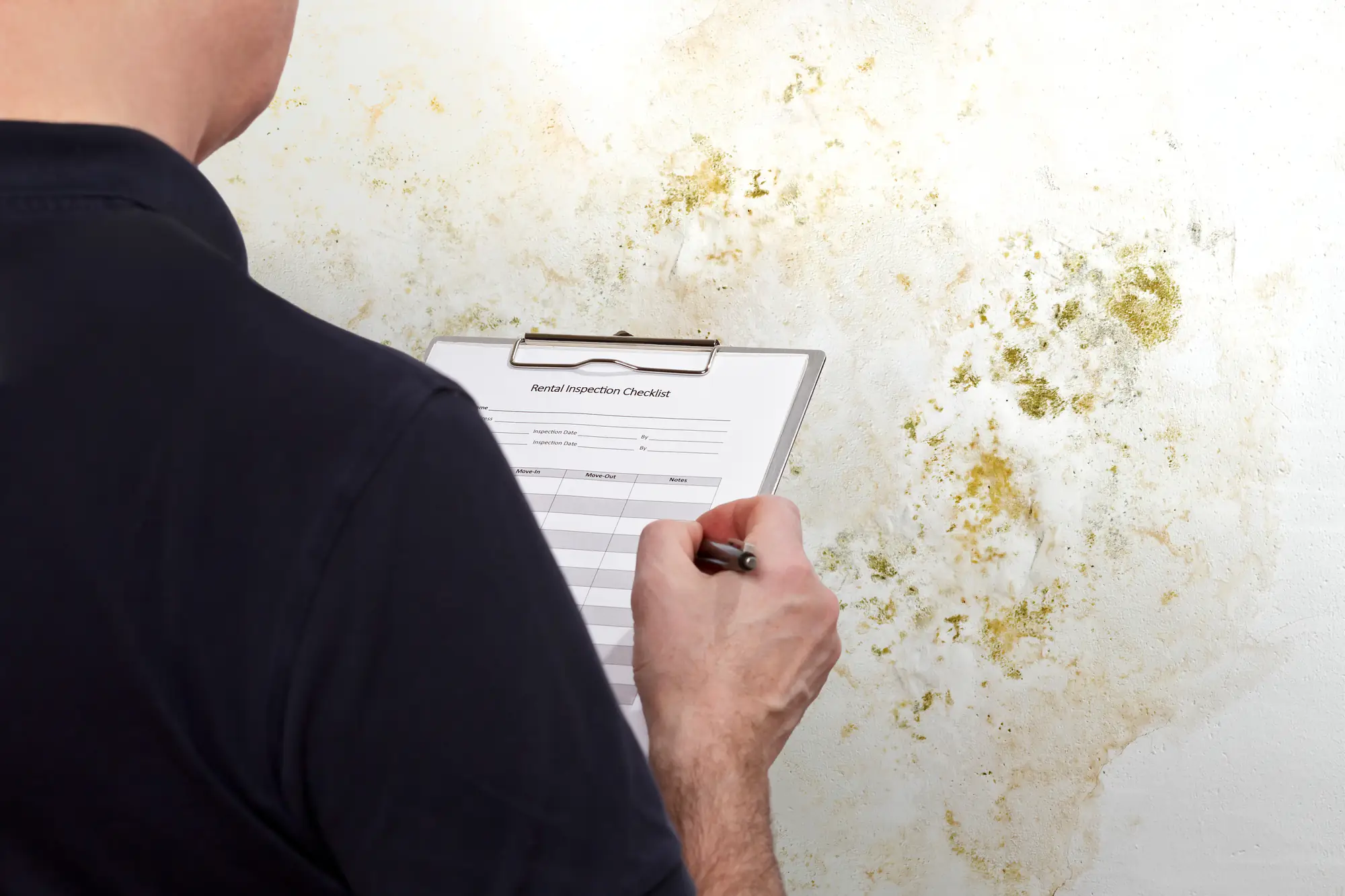
We start with a visual inspection of your property. That means checking areas where moisture accumulates—basements, attics, bathrooms, around windows, and inside HVAC systems. We’re looking for visible mold, water damage, condensation, and conditions that support mold growth.
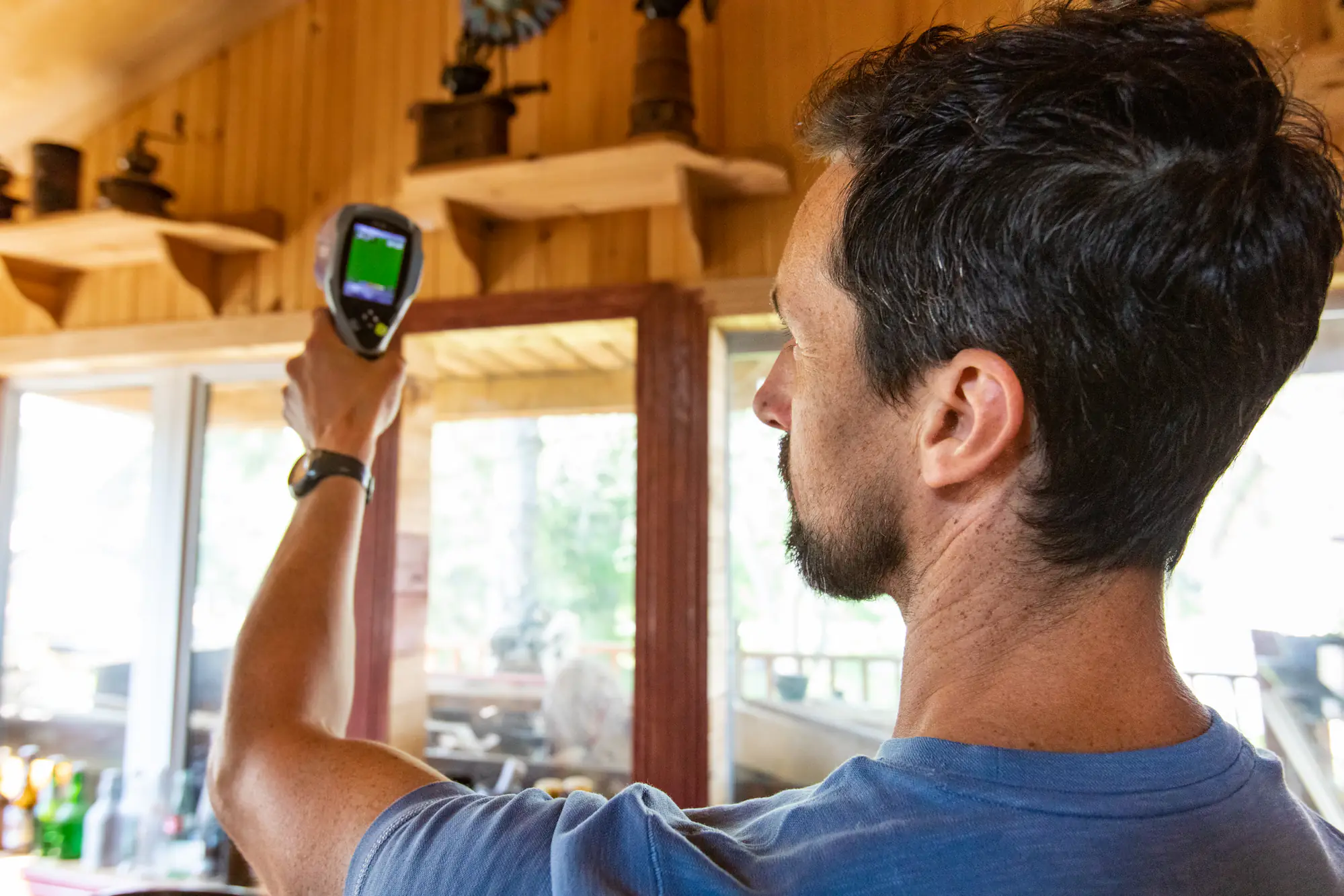
Next, we collect samples. Air sampling captures airborne spores you can’t see. Surface testing identifies what’s growing on walls, floors, or other materials. We also use moisture meters to detect hidden water issues that could be feeding mold behind drywall or under flooring.
Those samples go to an EPA-certified independent laboratory. They analyze the species, measure concentration levels, and determine whether what you have is normal background mold or a contamination issue. You get a written report with lab results, photos, moisture readings, and our professional assessment.
The whole process usually takes a few hours on-site, with lab results back within a few days. You’ll have everything you need to move forward—whether that’s filing an insurance claim, negotiating a real estate deal, or deciding if remediation is actually necessary.
Ready to get started?
Our residential mold testing service includes a full property assessment. We inspect every area where mold typically grows in Passer homes—basements that flood during heavy rain, attics with poor ventilation, crawl spaces with groundwater issues, and HVAC systems that circulate spores throughout your house.
You get both air and surface sampling. Air tests measure what you’re breathing. Surface tests identify what’s growing on materials. Both matter, because mold can be airborne without visible growth, or visible without high airborne counts.
The lab analysis breaks down exactly which species are present. That’s critical because not all mold is dangerous, but some species—like Stachybotrys, commonly called black mold—produce mycotoxins that cause serious health issues. You’ll know if what you have is cosmetic or a legitimate health risk.
Your report includes moisture readings, photos, sample locations, lab results, and our professional recommendations. It’s documentation that meets Pennsylvania Department of Health standards and holds up for insurance claims, real estate inspections, or legal disputes. And because we’re independent from remediation companies, you can trust the assessment isn’t inflated to create more work.
Most residential mold testing runs between $300 and $600, depending on the size of your home and how many samples we need to collect. A small condo with one suspected area costs less than a 3,000-square-foot house with multiple moisture issues.
Here’s what affects the price: square footage, number of rooms tested, whether we’re testing air or surfaces (or both), and how many lab samples we send. Air sampling typically costs $75-$125 per sample. Surface samples run about the same.
If you’re dealing with insurance, real estate, or legal issues, the investment is worth it. Certified test results can save you from unnecessary remediation work—or prove you need it when someone’s trying to tell you otherwise. Having documentation prevents disputes and keeps costs down in the long run.
A mold inspection is a visual assessment. We walk through your property, look for visible mold, check for moisture problems, and identify conditions that support mold growth. It’s helpful, but it’s not scientific proof.
Mold testing goes further. We collect physical samples—air or surface—and send them to a lab for analysis. You get species identification, spore counts, and contamination levels. That’s the difference between “I think you have a problem” and “here’s exactly what’s growing and how much.”
You need testing when you’re buying or selling a home, filing an insurance claim, dealing with health symptoms, or facing a legal dispute. Inspections are great for general assessments, but testing gives you documentation that actually holds up when it matters.
DIY kits can tell you if mold is present, but they can’t tell you if it’s a problem. Every home has some mold spores—that’s normal. What matters is the species and concentration.
Home test kits don’t measure airborne spore counts. They don’t identify dangerous species like Stachybotrys or Aspergillus. And they don’t give you documentation that insurance companies or courts will accept. You’re basically getting a yes/no answer without any context.
Professional testing uses calibrated equipment, controlled sampling methods, and independent lab analysis. You get results that compare your indoor air quality to outdoor baseline levels. You get species identification. And you get a report that’s actually useful for making decisions—not just confirmation that mold exists somewhere in your house.
The on-site inspection and sample collection usually takes 1-3 hours, depending on your property size and how many areas we’re testing. We’re thorough, but we’re not there all day.
Lab results typically come back within 3-5 business days. The lab needs time to culture samples, identify species, and measure concentration levels accurately. If you’re in a time-sensitive situation—like a real estate closing—we can sometimes request expedited analysis.
Once we get the lab results, we compile everything into a detailed report with photos, moisture readings, sample locations, and our professional assessment. You’ll have everything you need to move forward, whether that’s remediation, moisture control, or documentation for insurance or legal purposes.
If you’re experiencing unexplained health symptoms—congestion, headaches, eye irritation, coughing, skin rashes—that improve when you leave your home, that’s a red flag. Mold exposure affects people differently, but respiratory issues are common.
Visible mold growth is obvious, but you should also test if you smell musty odors without seeing anything, if you’ve had water damage or flooding, or if you have ongoing moisture problems. Mold grows in places you can’t see—inside walls, under flooring, in HVAC ducts.
You also need testing for real estate transactions, insurance claims, or if you’re in a dispute with a landlord or previous owner. Professional documentation protects you legally and financially. And if you’re in Passer, where precipitation has increased significantly, testing after any water intrusion is smart prevention.
Yes. Professional mold testing identifies the species, measures contamination levels, and compares your indoor air quality to normal outdoor baselines. That tells us whether you have a problem that requires remediation or just normal background mold.
Not every mold situation needs expensive remediation. Sometimes you just need better ventilation or a dehumidifier. Sometimes it’s a small area you can clean yourself with proper precautions. But if lab results show high concentrations of toxic species like black mold, or if contamination is widespread, you need professional removal.
Our report gives you clear recommendations based on lab data, not guesswork. And because we’re independent mold check professionals—not a remediation company—you can trust we’re not inflating the problem to create work. We tell you what the science says, and you decide how to move forward.
Other Services we provide in Passer