

Hear from Our Customers
You can’t fix what you can’t see. That’s the problem with mold in Kendigtown homes—it hides in wall cavities, crawl spaces, and behind finished surfaces where moisture sits unnoticed.
Our mold testing tells you three things: whether you have mold, what type it is, and where it’s coming from. We use calibrated air sampling equipment to measure spore counts in your indoor air and compare them against outdoor baselines. If your indoor levels are elevated, we find the source.
You get documentation you can use for insurance claims, real estate transactions, or just peace of mind. No upselling cleanup services you don’t need. Just accurate testing that shows you what’s actually happening in your home.
This matters in Bucks County, where precipitation has increased up to 10% in recent years. More rain means more moisture intrusion, more humidity in basements, and more conditions where mold thrives. Testing catches it before it becomes a bigger problem.
We’ve been helping Kendigtown and Bucks County property owners understand their mold problems without the runaround. We’re local, we’re direct, and we don’t have a financial interest in scaring you into unnecessary remediation.
Our technicians are trained in EPA-compliant testing methods. We follow the same protocols used by environmental consultants, using industry-standard equipment like Air-O-Cell cassettes and calibrated sampling pumps. You get lab results you can trust.
We’ve seen how Pennsylvania’s humid climate creates perfect conditions for mold growth, especially in older homes common throughout Kendigtown. Our testing process is designed to find problems early, when they’re still manageable and before they cut into your property value or your family’s health.
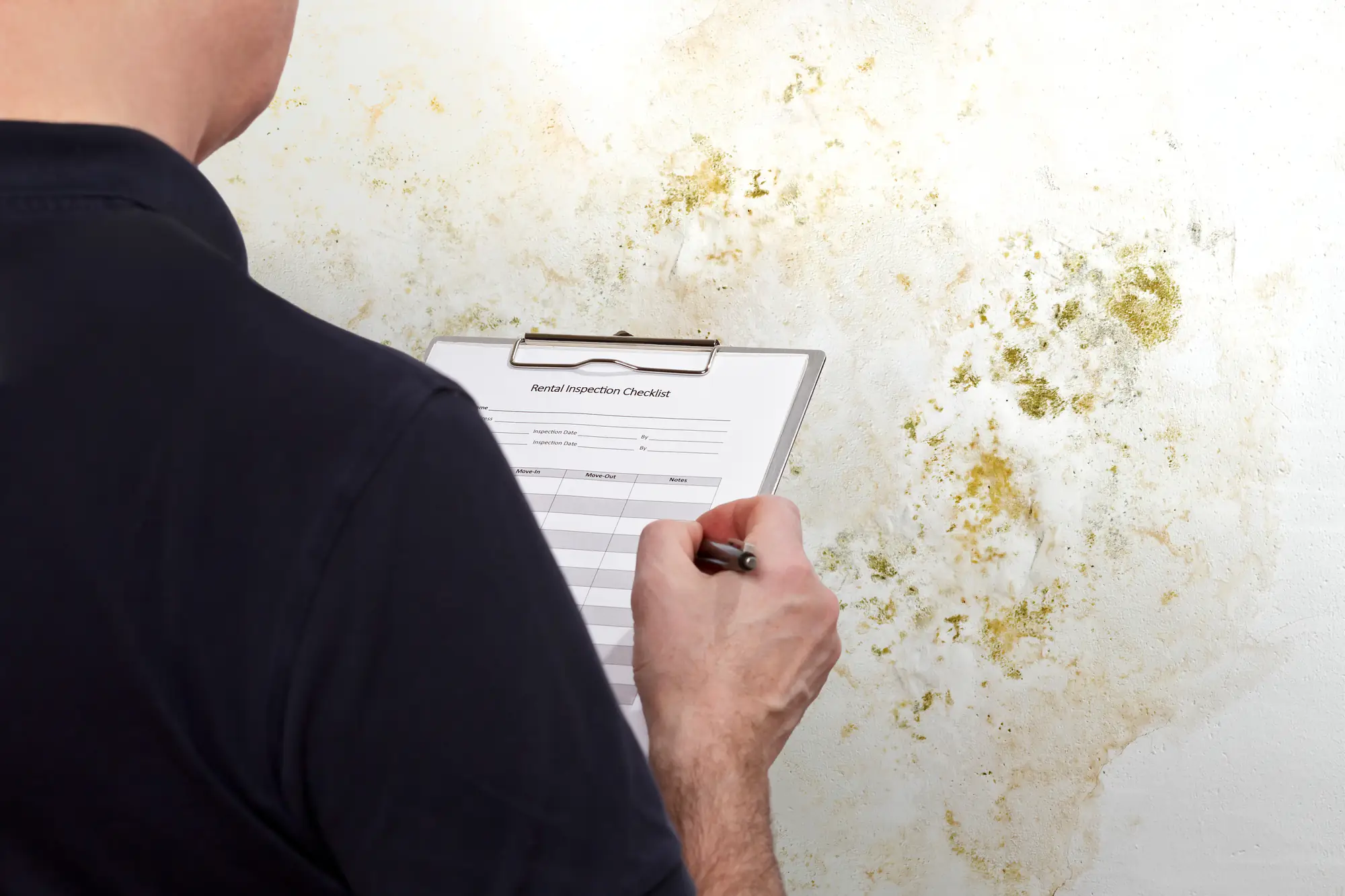
First, we do a visual inspection of your property. We’re looking for visible mold, water stains, moisture issues, and areas where conditions favor mold growth. This includes basements, attics, bathrooms, and anywhere you’ve had leaks or flooding.
Next, we collect air samples using spore trap sampling. We set up calibrated pumps that pull a measured volume of air through a collection cassette. We take samples in affected areas and in areas that seem fine, plus one outdoor sample for comparison. In a healthy home, your indoor spore counts should be lower than outdoor counts—usually around a 0.43 ratio.
We also take surface samples if we see visible growth or suspect contamination in specific areas. These samples go to an accredited lab for analysis. You’ll get a report that identifies mold types, spore concentrations, and whether your levels are elevated.
Then we walk you through the results. We explain what the numbers mean, where the moisture is coming from, and what your options are. If you need remediation, we’ll tell you. If you don’t, we’ll tell you that too.
Ready to get started?
You get a complete property inspection, multiple air samples from different areas of your home, surface sampling where needed, and an outdoor control sample. All samples are analyzed by a certified laboratory, and you receive a detailed report with spore counts and mold species identification.
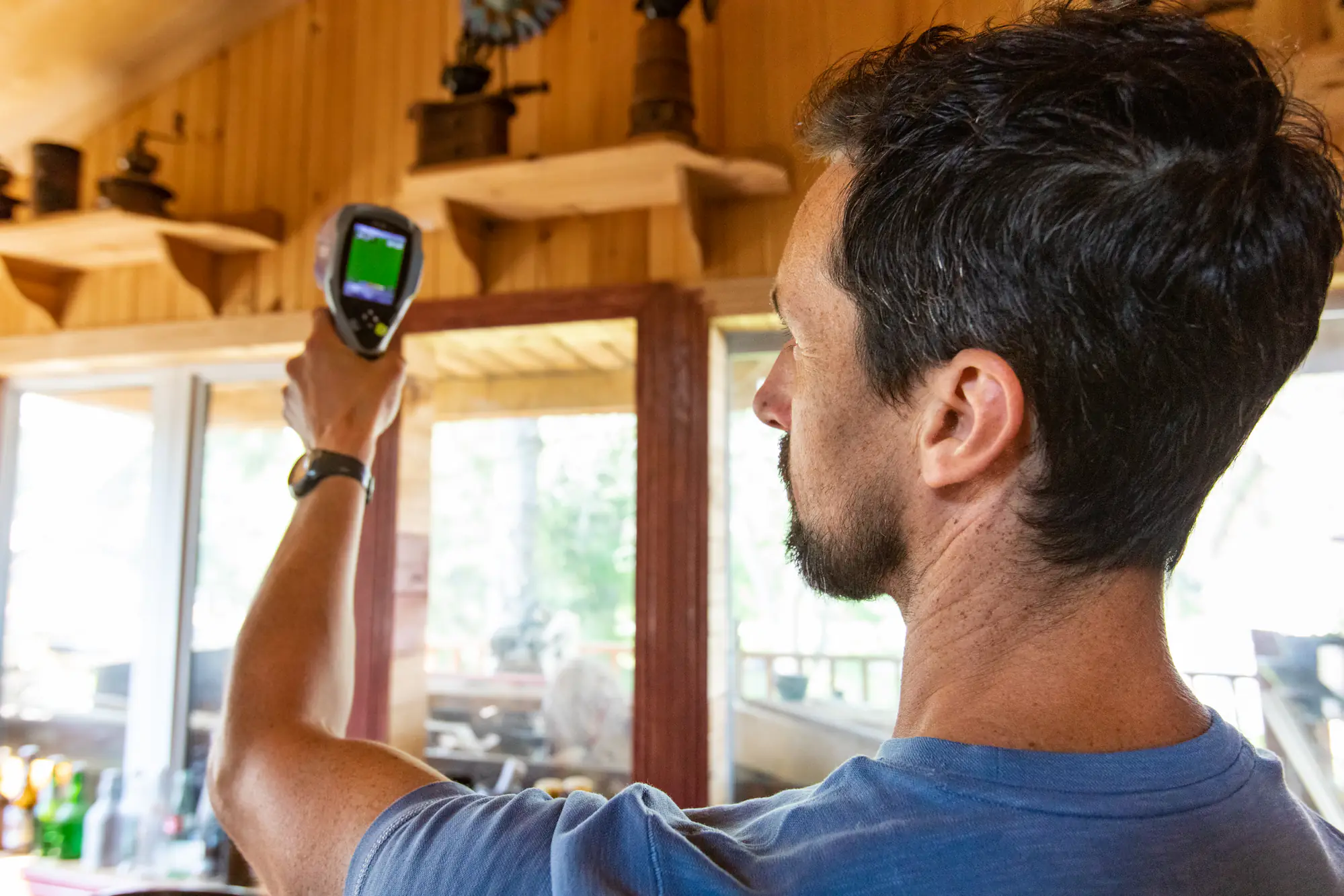
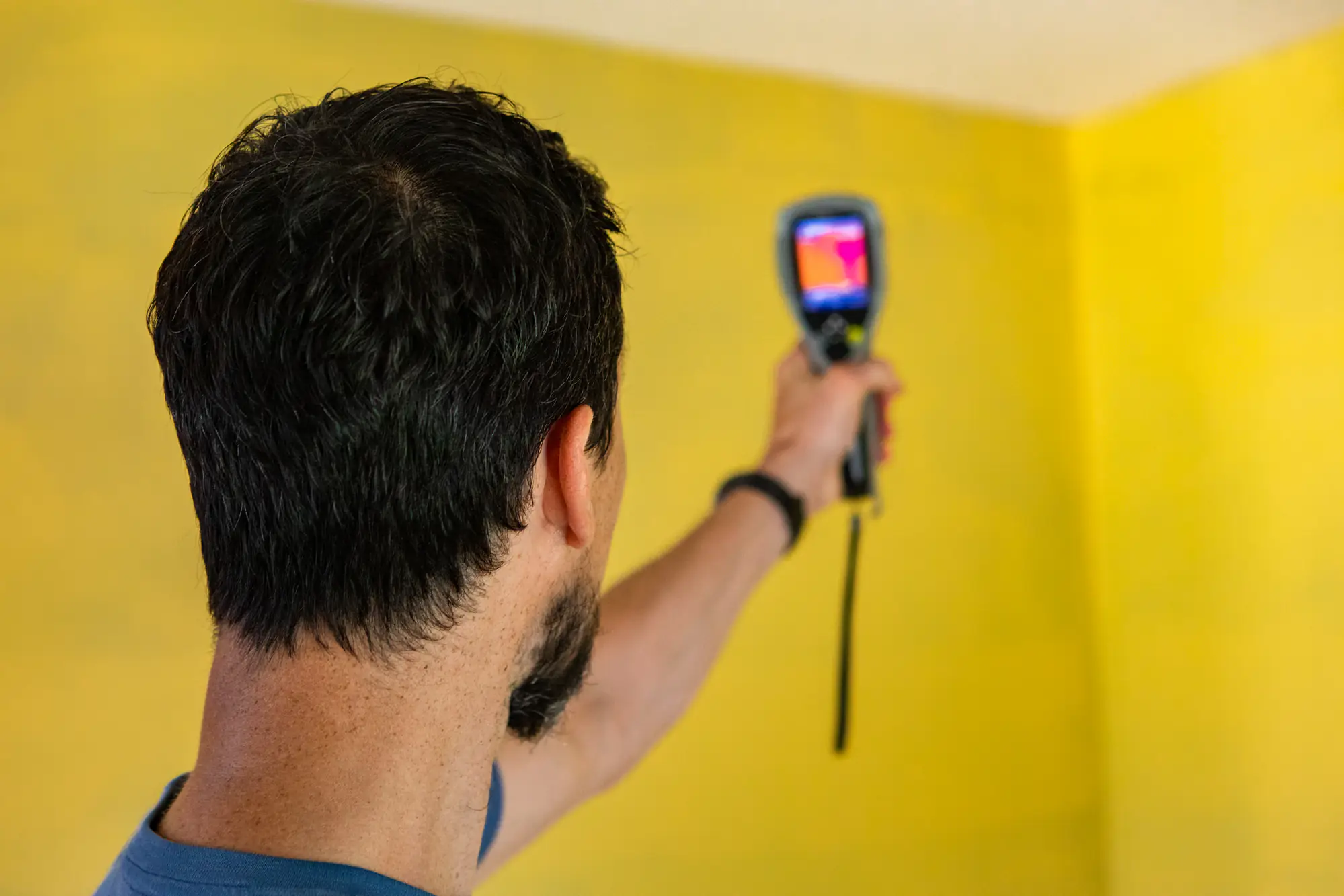
We also identify moisture sources. Mold is a symptom—water is the problem. We use moisture meters to check walls, floors, and building materials. We look for leaks, condensation, poor ventilation, and drainage issues. Fixing mold without fixing moisture just means the mold comes back.
This matters in Kendigtown, where many homes have basements prone to seepage and older construction that wasn’t built with modern moisture barriers. Pennsylvania’s regulations require proper documentation when mold is discovered, especially in rental properties or during real estate transactions. Our testing meets those requirements.
The typical residential mold testing costs between $300 and $1,000 depending on your home’s size and how many samples we need. That’s a fraction of what you’d spend on remediation you don’t need or property damage you didn’t catch early enough.
You need testing if you see visible mold and want to know what type it is, if you smell musty odors but can’t find the source, or if you’ve had water damage and want to confirm whether mold is growing.
You also need testing if someone in your home is experiencing unexplained respiratory issues, headaches, or allergic reactions that get better when they leave the house. Mold exposure causes real health problems, especially for children, elderly family members, and anyone with asthma or compromised immune systems.
Testing is also smart before buying a home in Kendigtown or anywhere in Bucks County, especially older properties. Water intrusion and mold can cut home values by 20% to 37%. A few hundred dollars for testing can save you tens of thousands in repairs or lost equity. If you’re selling, testing gives buyers confidence and can prevent deals from falling apart during inspection.
An inspection is visual—we look for mold, water damage, moisture problems, and conditions that favor mold growth. Testing involves collecting actual samples and sending them to a lab for analysis.
You can have an inspection without testing. Sometimes visible mold and obvious moisture issues are enough to know you have a problem. But testing tells you what species of mold you’re dealing with and how concentrated it is. That matters because some molds are more problematic than others, and spore counts determine how aggressive your response needs to be.
Testing also finds hidden mold. You might not see anything wrong, but elevated spore counts in your air samples tell us mold is growing somewhere. We then use moisture meters and inspection techniques to track down the source. In Kendigtown homes with finished basements or renovated spaces, mold often grows behind walls where you’d never spot it visually.
Home test kits are cheap, but they’re not reliable. Most kits just tell you that mold spores are present—which is always true, because mold spores exist everywhere. They don’t tell you concentrations, species, or whether your levels are actually elevated compared to normal outdoor air.
Professional testing uses calibrated equipment that pulls a specific volume of air through the collection medium. That gives you quantifiable data—spores per cubic meter—that you can compare against established baselines. We also take multiple samples from different areas and an outdoor control sample. That comparison is what tells you if you have a problem.
The lab analysis identifies specific mold species. Some molds are allergenic, some produce mycotoxins, and some indicate serious water damage. A home kit can’t give you that information. If you’re dealing with insurance claims, real estate transactions, or health concerns, you need professional testing with documentation that actually means something.
The onsite inspection and sample collection usually takes one to two hours, depending on your home’s size and how many areas we’re testing. We’re thorough but efficient—we’re not going to waste your time.
Lab results typically come back within three to five business days. We receive a detailed report showing spore counts, mold species identified, and whether your indoor levels are elevated compared to the outdoor sample. Some labs offer rush processing for an additional fee if you’re in a time-sensitive situation like a real estate closing.
Once we have results, we schedule a follow-up to walk you through the findings. We explain what the numbers mean in plain language, show you where the problems are, and discuss your options. If remediation is needed, we’ll outline the scope of work. If your results are normal, we’ll explain why you might be experiencing symptoms or odors and what else to investigate.
Insurance coverage depends on what caused the mold. If mold resulted from a covered event—like a burst pipe, roof leak during a storm, or appliance malfunction—your homeowners insurance may cover both testing and remediation.
If mold developed because of long-term neglect, poor maintenance, or ongoing moisture problems you didn’t address, insurance typically won’t cover it. That’s why documentation matters. Our testing provides the evidence you need to file a claim and show when the problem started.
Pennsylvania insurance policies vary, and some have specific mold coverage limits or exclusions. Before you file a claim, get testing done so you know the extent of the problem. Insurance adjusters often require professional testing anyway—home test kits won’t cut it. Our reports meet insurance documentation requirements and give you a clear picture of costs before you decide whether to file a claim or pay out of pocket.
“Black mold” usually refers to Stachybotrys chartarum, which produces mycotoxins and gets a lot of attention in the media. If testing identifies Stachybotrys or other toxigenic molds, you need professional remediation—this isn’t a DIY situation.
But here’s what most people don’t know: the color of mold doesn’t tell you much. Lots of mold species appear black or dark green. What matters is the species identification from lab testing and the concentration levels in your air. Some black-colored molds are relatively harmless. Some green or white molds are more problematic.
If your test shows elevated levels of any mold type, we’ll explain the health risks and recommend next steps. Remediation follows EPA protocols—containment, air filtration, removal of contaminated materials, and fixing the moisture source. We don’t do the cleanup ourselves, which means our testing recommendations aren’t influenced by trying to sell you services. You get honest answers about what needs to happen and what doesn’t.
Other Services we provide in Kendigtown