

Hear from Our Customers
You’ve noticed the musty smell in the basement. Your kids’ allergies seem worse at home than anywhere else. Or maybe you’re about to close on a house and something just feels off.
Mold doesn’t always show itself. It grows behind walls, under carpets, inside HVAC ducts. By the time you see it, you’re already breathing it. And if you’re selling or buying, hidden mold can tank a deal or cost you thousands after closing.
Professional mold testing tells you what’s actually there. Not a guess. Not a visual inspection that misses what’s hidden. Lab-analyzed results that identify the type of mold, the concentration levels, and where it’s coming from. You get documentation that insurance companies and real estate agents actually accept. You get answers that let you make decisions based on facts, not fear.
We’ve been serving Bucks County since the mid-90s. We live here. We know the older homes in Keelersville, the basements that flood every spring, the humidity issues that come with Pennsylvania summers.
We’re licensed, insured, and we follow EPA and IICRC standards because cutting corners in mold testing doesn’t just risk your health—it risks giving you false confidence or unnecessary panic. Our team uses the same equipment and protocols whether we’re testing a 100-year-old farmhouse or a newer development property.
When you call us, you’re talking to people who’ve seen thousands of Pennsylvania homes and know exactly what to look for in this area.
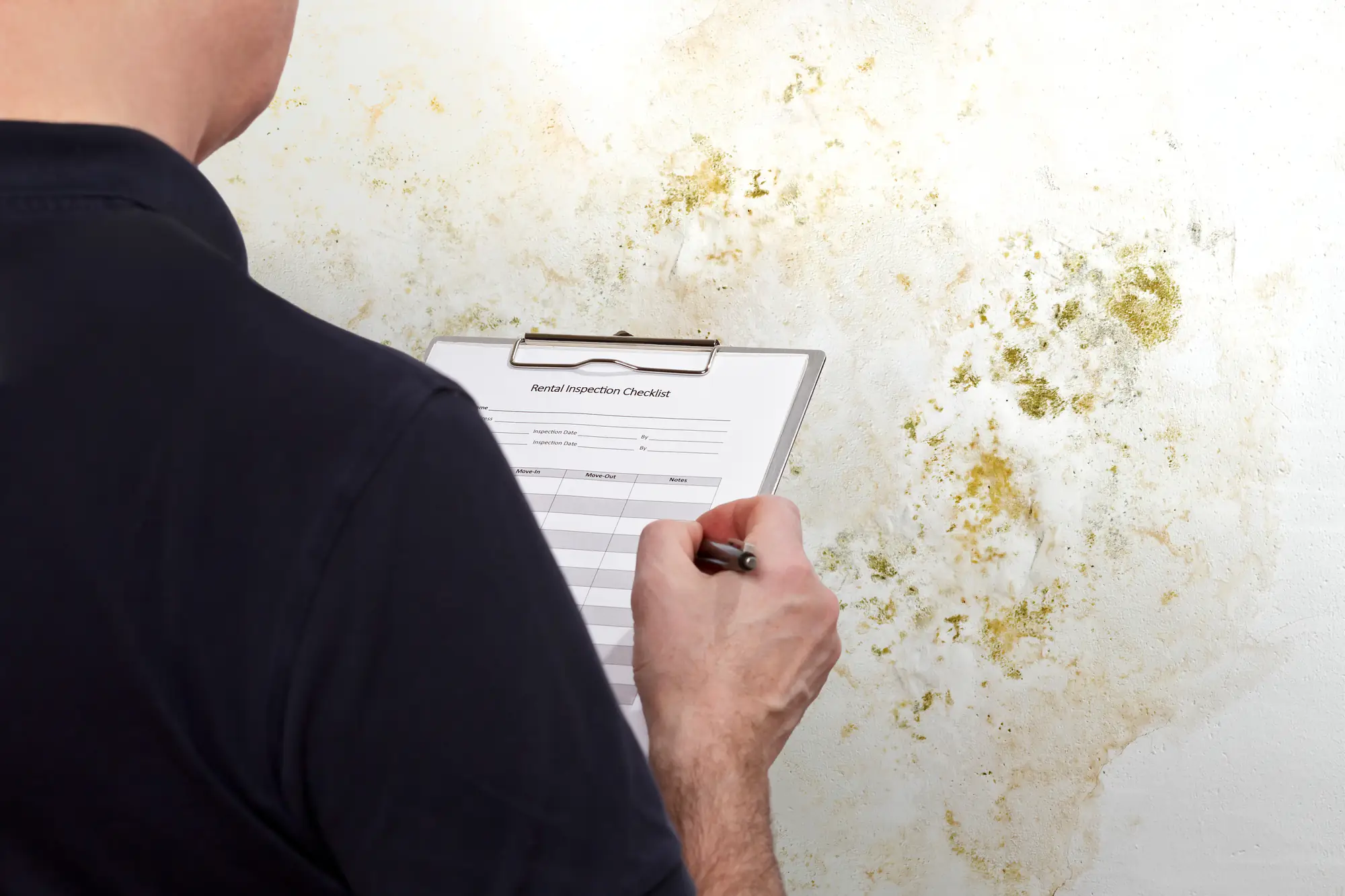
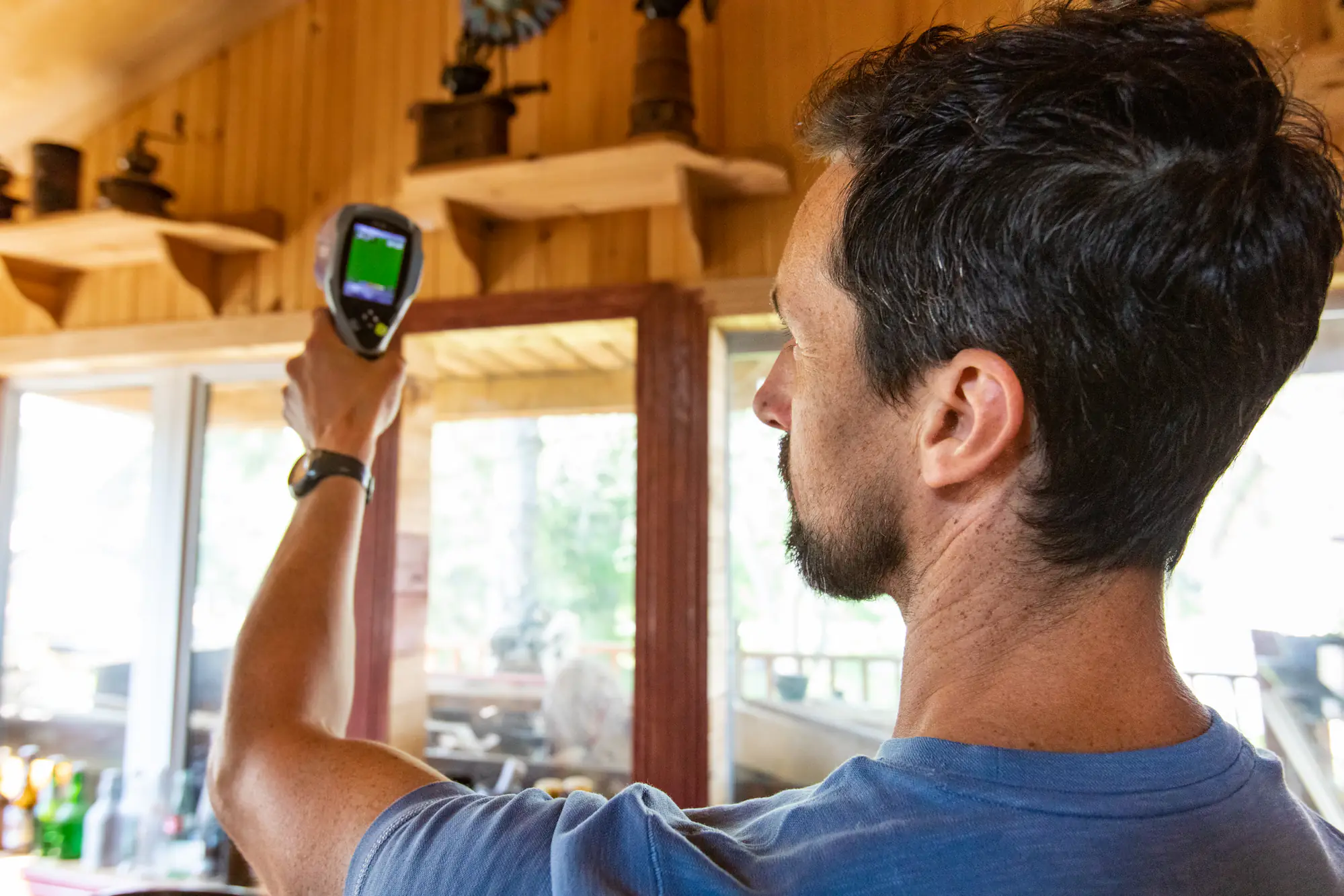
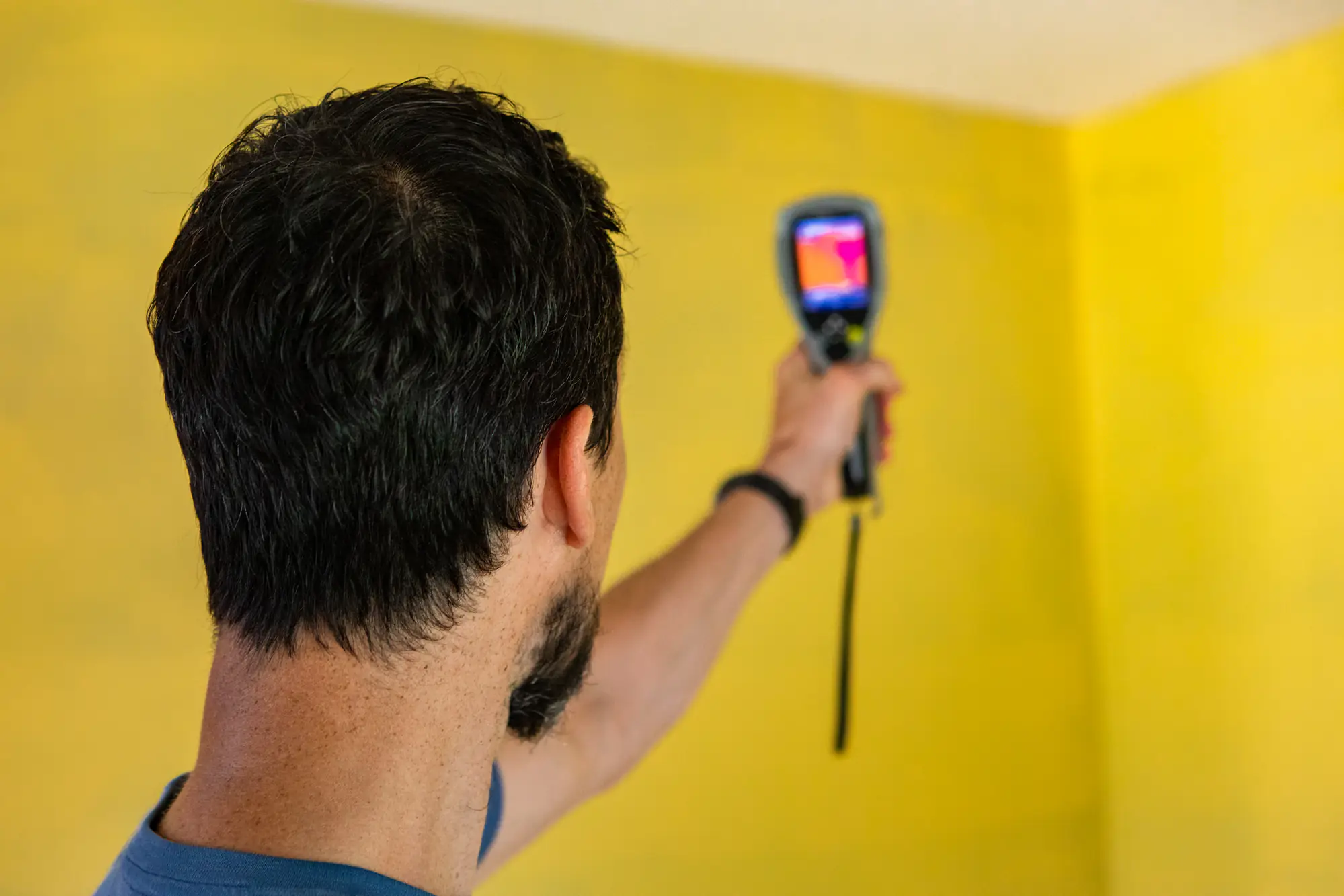
First, we walk through your property with you. You show us where you’ve noticed problems—water stains, musty odors, areas where allergies flare up. We use thermal imaging and moisture meters to find hidden water issues that feed mold growth.
Then we collect samples. Air samples capture what’s floating through your home. Surface samples test visible growth or suspicious areas. If needed, we take samples from inside walls or HVAC systems. Everything gets labeled, documented, and sent to an EPA-certified lab.
The lab identifies the exact species of mold and measures concentration levels. Within a few days, you get a report that’s actually readable—not buried in jargon. We walk you through what it means, what’s normal, what’s concerning, and what your options are.
You’re not locked into using us for remediation. The testing stands alone. You can take those results to your insurance company, your real estate agent, or another remediation company if that’s what makes sense for you.
Ready to get started?
You get a thorough visual inspection of your entire property, including areas most people don’t think to check. Attics, crawl spaces, behind appliances, inside ductwork. We’re looking for active growth, water damage, and conditions that allow mold to thrive.
Our testing uses professional-grade equipment. Infrared moisture mapping shows us where water is hiding. Air quality pumps and specialized filters capture spores you can’t see. Swabs and tape lifts collect samples from surfaces. Everything goes to the lab for analysis, not a quick field test that gives you a yes/no answer without details.
In Bucks County, we see a lot of basement mold from our wet springs and humid summers. Older homes in Keelersville often have stone foundations that let moisture seep through. Newer homes sometimes have mold in bathrooms or around windows where builders didn’t ventilate properly. We’ve tested enough local properties to know what’s common here and what’s a red flag.
You also get our availability. We offer 24/7 emergency response because sometimes you need answers fast—before a real estate closing, after a pipe bursts, when someone in your family is getting sick and you need to know why.
Most residential mold testing in the Keelersville area runs between $300 and $600, depending on your home’s size and how many samples we need to collect. A small condo with one problem area costs less than a 3,000-square-foot house where we’re testing multiple rooms and the HVAC system.
The lab analysis is included in that price. You’re not paying separately for the inspection and then getting hit with lab fees. If you need expedited results for a real estate closing, that typically adds to the cost, but we’ll tell you that upfront.
Some mold companies offer free testing if you use them for remediation. That sounds good until you realize they have a financial incentive to find problems. Independent testing costs money, but you get unbiased results you can trust.
A mold inspection is visual. We walk through your property, look for visible growth, check for water damage, and identify conditions that promote mold. It’s useful, but it doesn’t tell you what type of mold you have or how much is in your air.
Mold testing involves collecting actual samples and sending them to a lab. Air samples measure spore concentration. Surface samples identify the species. Testing gives you data—the kind insurance companies and buyers want to see.
Most people need both. The inspection finds the problems. The testing confirms what those problems are and how serious they are. You can’t treat what you haven’t properly identified, and you can’t prove to an insurance adjuster or home buyer that you’ve solved a mold problem without before-and-after testing.
Standard lab analysis takes 3 to 5 business days from the time we collect samples. The lab has to culture the samples, identify the species under a microscope, and generate a detailed report. That’s not something you can rush without sacrificing accuracy.
If you’re up against a real estate closing deadline or need results for an urgent health situation, we can request expedited processing. That usually gets you results in 24 to 48 hours, but it costs more because the lab prioritizes your samples.
Once we get the results, we’ll call you to schedule a time to review them together. We don’t just email you a report full of technical terms and leave you to figure it out. We explain what the numbers mean, what’s normal for Pennsylvania homes, and what action you should consider taking.
It depends on what caused the mold. If it’s from a sudden, covered event—like a burst pipe, roof leak during a storm, or appliance malfunction—your insurance will often cover testing and remediation. If it’s from long-term humidity, poor ventilation, or lack of maintenance, most policies won’t cover it.
The key is documentation. Insurance companies want proof that mold resulted from a specific incident, not gradual neglect. Professional testing provides that documentation. We’ve worked with enough insurance claims to know what adjusters look for in a report.
Even if insurance won’t cover the testing itself, having professional results can help your claim for remediation. It shows the extent of the problem and proves you took appropriate steps to assess the damage. Some homeowners skip testing to save money, then struggle to get their remediation covered because they can’t prove what they’re remediating.
You can, but those kits have serious limitations. Most just tell you that mold is present—which isn’t helpful, because mold spores exist in every home. What matters is the type of mold and the concentration levels. A hardware store kit won’t tell you if you’re dealing with toxic black mold or harmless surface mold.
The collection process matters too. If you don’t know where to sample or how to avoid contamination, your results won’t be accurate. Air sampling requires calibrated pumps that pull a specific volume of air through specialized filters. Surface sampling requires proper technique to avoid false positives or false negatives.
Professional testing costs more, but you’re paying for accuracy and interpretation. We know where mold hides in Pennsylvania homes. We use equipment that meets EPA standards. And we can explain what the results actually mean for your situation. A DIY kit might save you $200, but it won’t give you the answers you need to make good decisions about your health and your property.
In Bucks County, we see a lot of Aspergillus, Penicillium, and Cladosporium. These are common indoor molds that grow in damp conditions. They’re not as dangerous as Stachybotrys (black mold), but they still cause respiratory issues, especially for people with asthma or allergies.
Stachybotrys is less common, but we do find it in homes with serious water damage—usually from long-term leaks or flooding that wasn’t properly dried. It grows on materials with high cellulose content, like drywall and wood. It’s the one that produces mycotoxins and requires immediate attention.
The specific mold type matters because it tells us about the moisture conditions in your home and the health risks you’re facing. Some molds need constant water. Others just need high humidity. Testing identifies what’s growing so we can recommend the right fix—not just remove the visible mold, but address the conditions that let it grow in the first place.
Other Services we provide in Keelersville