

Hear from Our Customers
You can’t see most mold problems until they’re already expensive. It hides behind walls, under floors, inside HVAC systems. By the time you spot visible growth, spores have likely been circulating for weeks or months.
Professional mold testing gives you the actual data. We use calibrated air sampling equipment with Air-O-Cell cassettes—the same tools labs rely on. A microbiologist counts and identifies every spore type under a microscope. You get a report that tells you exactly what’s present, how much, and whether your indoor levels are higher than the outdoor baseline.
That outdoor sample matters. Without it, you’re just looking at numbers with no context. We take a control sample outside your home to establish what’s normal for Jamison. If your indoor counts are elevated compared to that baseline, you know there’s a problem worth addressing.
This isn’t about scaring you into unnecessary work. It’s about giving you enough information to make a smart decision about your home and your family’s health.
Mack’s Mold Removal has been serving Jamison homeowners with honest mold testing and removal services for years. We’re not the company that shows up, waves a moisture meter around, and calls it an inspection.
Our team uses the same professional-grade equipment that certified industrial hygienists rely on. We know how to collect samples properly, where to place them, and how to interpret lab results in a way that actually helps you.
Jamison homes—especially those built in the 1980s—have specific vulnerabilities. Older HVAC systems, finished basements, and the humid summers we get in Bucks County create conditions where mold problems develop quietly. We’ve seen it hundreds of times, and we know what to look for in homes like yours.
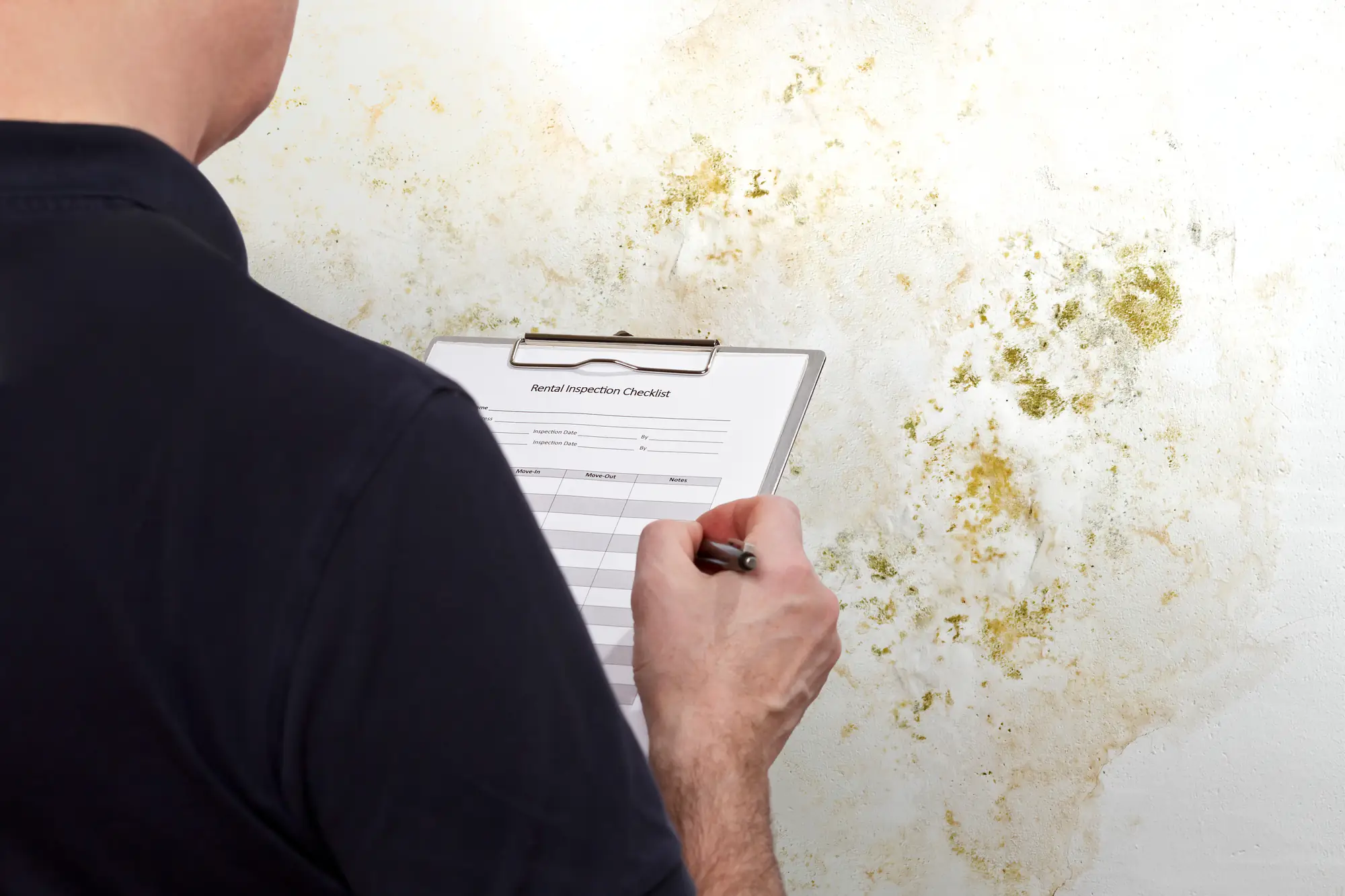
First, we walk through your home and talk about what you’ve noticed—musty smells, water damage history, health symptoms that improve when you leave the house. That conversation helps us understand where to focus.
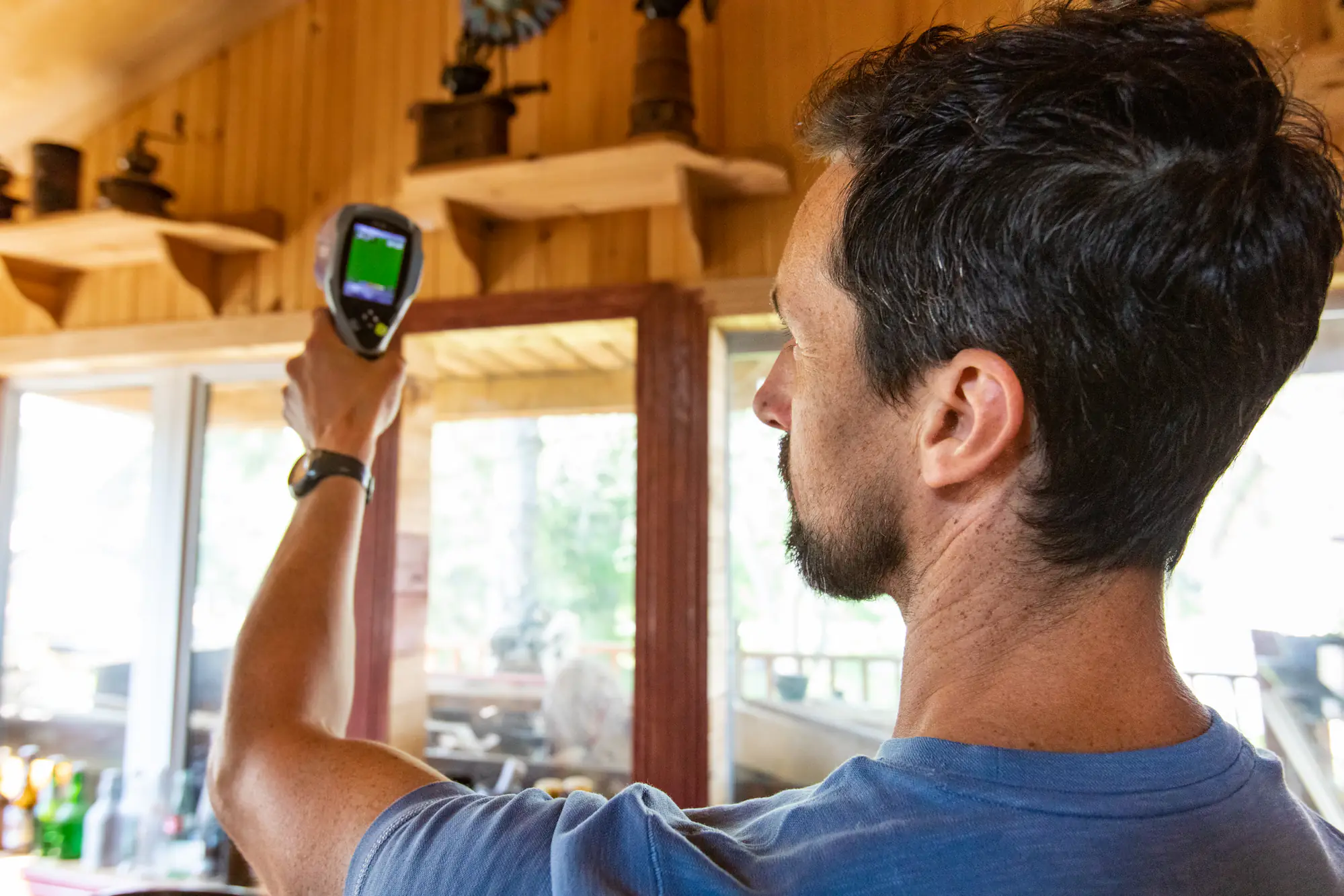
Next, we set up air sampling in the areas of concern. We use calibrated pumps that pull a measured volume of air through a collection cassette. Spores get trapped on a slide inside. This typically takes 5 to 10 minutes per sample location. We also take that critical outdoor control sample so we have a comparison point.
Then we collect the cassettes and send them to an accredited lab. A microbiologist examines each slide under a microscope, identifies the types of mold present, and counts the spores. You get a detailed report within a few days.
Finally, we review the results with you. If levels are elevated, we explain what that means and what your options are. If everything looks normal, you have peace of mind and documentation to back it up. Either way, you’re not left wondering.
Ready to get started?
You get spore trap air sampling using Air-O-Cell or Allergenco-D cassettes—the industry standard for residential mold testing. These aren’t the unreliable petri dish kits you see at hardware stores. They’re the same tools professionals use when accuracy matters.
You get an outdoor control sample. This is what separates real testing from guesswork. Mold spores are everywhere outdoors, and some level indoors is normal. The outdoor sample tells us what “normal” looks like for your property on that specific day.
You get lab analysis by a certified microbiologist. They identify each spore type and provide a count. The report shows you exactly what’s in your air—Aspergillus, Penicillium, Cladosporium, Stachybotrys (black mold), and others.
You get a clear explanation of what the results mean. We don’t hand you a report and disappear. We walk you through it, answer your questions, and help you understand whether action is needed. In Jamison, where the median home value is over $600,000, you deserve testing that protects your investment with real data, not vague recommendations.
Most residential mold testing in Jamison runs between $300 and $600, depending on how many sample locations you need. A basic test with two or three air samples and one outdoor control usually falls on the lower end. Larger homes or situations where you want to test multiple rooms or levels cost more.
The price includes the air sampling equipment, lab analysis, and a written report with spore counts and identification. Some companies charge separately for the site visit and the lab work—we don’t. You get one clear price that covers everything from start to finish.
If you’re comparing prices, make sure you’re comparing the same service. A $99 “mold test” that uses a petri dish you leave out for a few days isn’t the same as professional air sampling with lab analysis. Those home kits don’t give you spore counts, they don’t include an outdoor control, and they can’t tell you if your levels are actually unusual.
Professional mold testing is significantly more accurate because it measures actual spore concentration in your air and compares it to outdoor levels. Home test kits just collect whatever lands on a petri dish over a few days. They can’t tell you if what they found is normal or concerning.
The air sampling we use pulls a specific volume of air through a collection cassette in a controlled timeframe. A microbiologist then counts and identifies every spore type under a microscope. You get quantitative data—actual numbers you can compare to the outdoor baseline and to established guidelines for indoor air quality.
Home kits will almost always show mold growth because mold spores are literally everywhere. But that doesn’t mean you have a problem. Without knowing what’s outside and without accurate counts, those kits create more confusion than clarity. If you’re dealing with health symptoms, preparing to buy or sell a home, or trying to document a problem for insurance, professional testing is the only option that holds up.
Lab analysis can identify dozens of different mold types, but the most common ones we find in Jamison homes are Aspergillus, Penicillium, Cladosporium, and occasionally Stachybotrys—which is what people call black mold.
Aspergillus and Penicillium are the types that often grow in damp basements, around HVAC systems, and in areas with poor ventilation. Cladosporium is common outdoors but can grow indoors on wood, drywall, and fabrics. Stachybotrys is less common but gets the most attention because it produces mycotoxins and typically indicates a serious moisture problem.
The lab report breaks down each type found and gives you a count for each. Some molds are more concerning than others, especially if you have asthma, allergies, or other respiratory conditions. The report helps you understand not just what’s there, but whether the levels are elevated compared to what’s normal outside. That context is what turns raw data into actionable information.
Get testing done if you’ve had water damage—even if it was cleaned up quickly. Mold can start growing within 24 to 48 hours after materials get wet, and it often develops in places you can’t see.
You should also test if you’re noticing musty odors that won’t go away, if anyone in your household has unexplained respiratory symptoms that improve when they leave the house, or if you see small patches of growth but aren’t sure how widespread the problem is.
Testing makes sense before buying a home in Jamison, especially older homes built in the 1980s. It’s also smart if you’re selling and want to document that your home is clear, or if you’re dealing with a landlord or insurance claim and need official lab results. Basically, any time you need to know for certain whether you have a mold problem—not just suspect it—professional testing gives you that answer.
You’ll typically get lab results back within three to five business days after we collect the samples. The timeline depends on the lab’s current workload, but most accredited labs turn around residential air samples pretty quickly.
The actual sample collection during your appointment takes about 30 to 45 minutes for a typical home. We’re not there all day. We set up the air pumps, let them run for the required time, collect the cassettes, take the outdoor control sample, and then send everything to the lab.
Once results come in, we’ll contact you to review them. We can walk through the report over the phone or meet in person if you prefer. The report itself shows spore types, counts for each location tested, and the outdoor comparison. If the results show elevated levels, we’ll talk about what that means and what your next steps should be. If everything looks normal, you have documentation and peace of mind.
Yes. If your indoor spore counts are significantly higher than the outdoor baseline, or if the lab identifies problem types like Stachybotrys in high concentrations, that’s a clear indicator that remediation is needed.
The lab report gives us the data, but interpreting it requires understanding what’s normal for this area and for homes like yours. Some mold presence is expected—it’s when levels are elevated or when you’re seeing types that shouldn’t be growing indoors that action becomes necessary.
Testing doesn’t tell you exactly where the mold is growing or what’s causing it. That requires a physical inspection. But it does tell you whether you have a problem worth investigating further. If results show elevated levels, the next step is usually a more detailed inspection to locate the source, identify the moisture problem feeding it, and determine the scope of remediation needed. Testing is the starting point that tells you whether you need to keep digging.
Other Services we provide in Jamison