

Hear from Our Customers
You can’t fix what you can’t see. That musty smell in the basement, the dark spots behind the water heater, the allergies that won’t quit—these aren’t things you should guess about.
Professional mold testing gives you actual data. Not a hunch, not a maybe. You’ll know if there’s mold, what type it is, and how much of it is in your air. That matters because black mold requires a different approach than surface mildew, and knowing the difference saves you time and money.
Once you have that information, you can make a real decision. Whether it’s a minor cleanup or a bigger remediation project, you’re not flying blind. You’re working with facts, and that’s how you protect your home and your family the right way.
We’ve been serving homeowners across Bucks County for years, and we’ve seen just about every mold situation you can imagine. Haycock homes—especially the older ones scattered across rural lots—deal with moisture issues that come with the territory. Crawl spaces, attics, basements near wooded areas. We know what to look for.
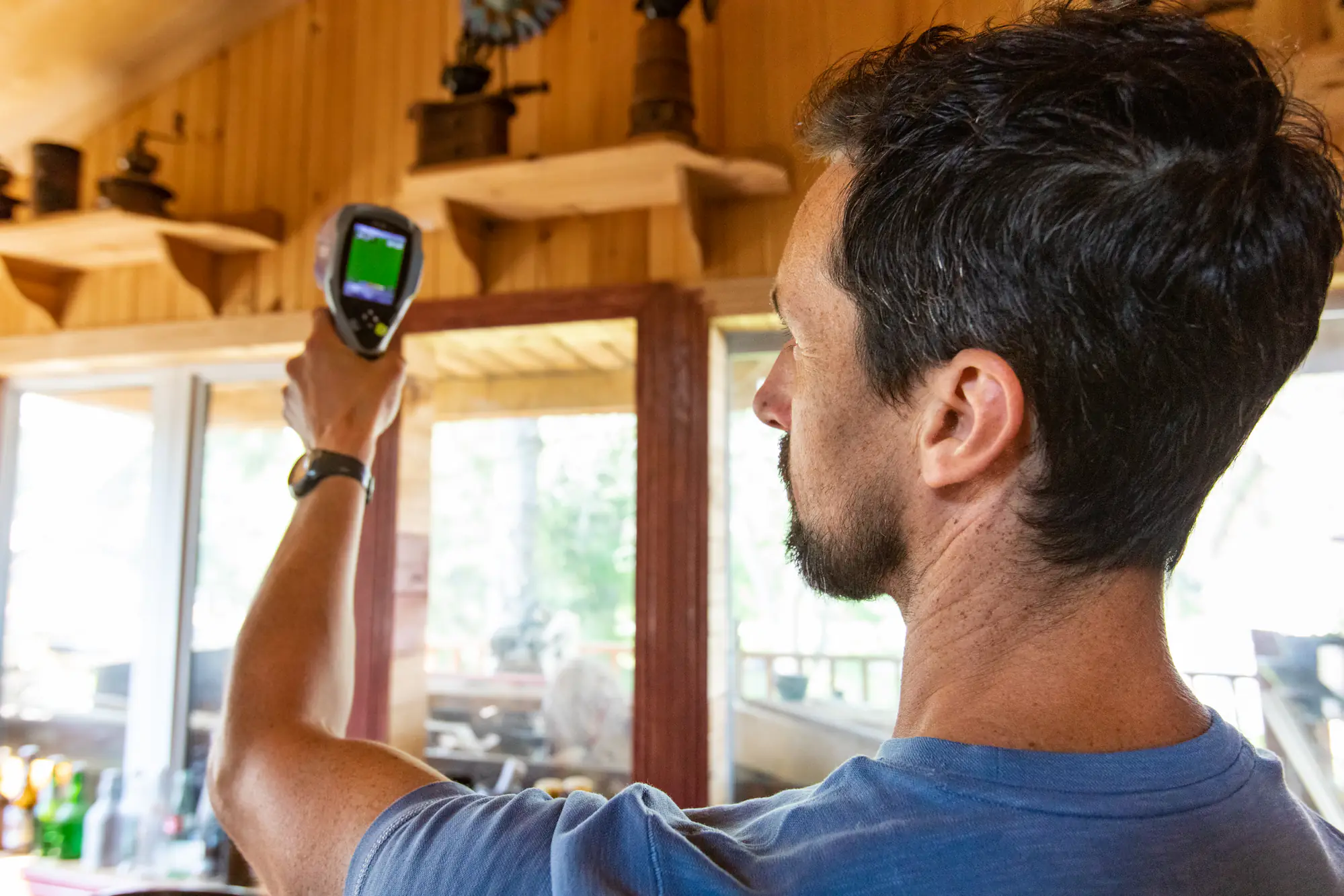
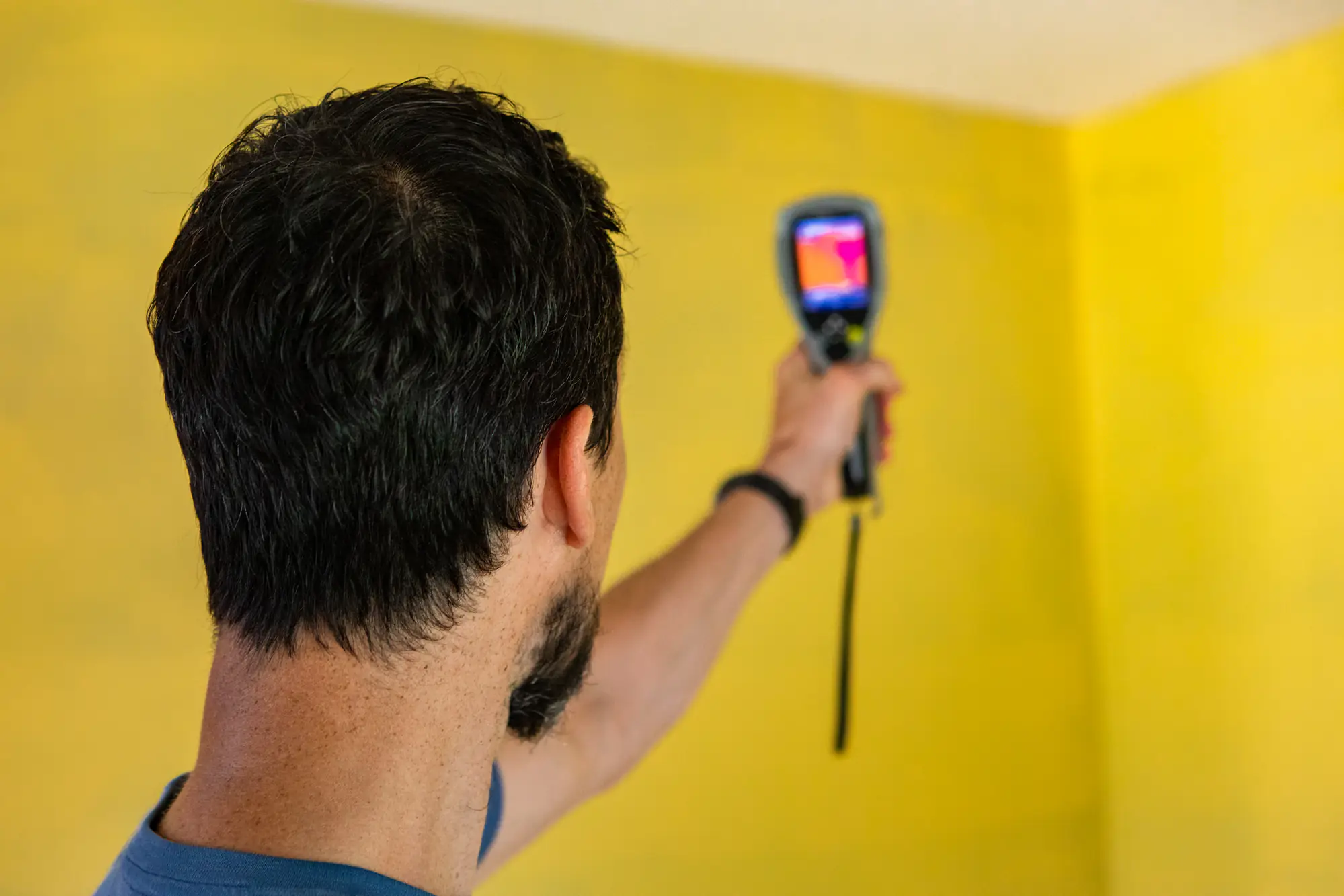
Our team uses advanced detection equipment to test air quality and surface samples. We’re certified, we’re thorough, and we don’t upsell you on services you don’t need. You’ll get a detailed report that explains what we found, where we found it, and what it means for your home.
We’re local, and we’re here when you need us. That includes evenings and weekends if something urgent comes up.
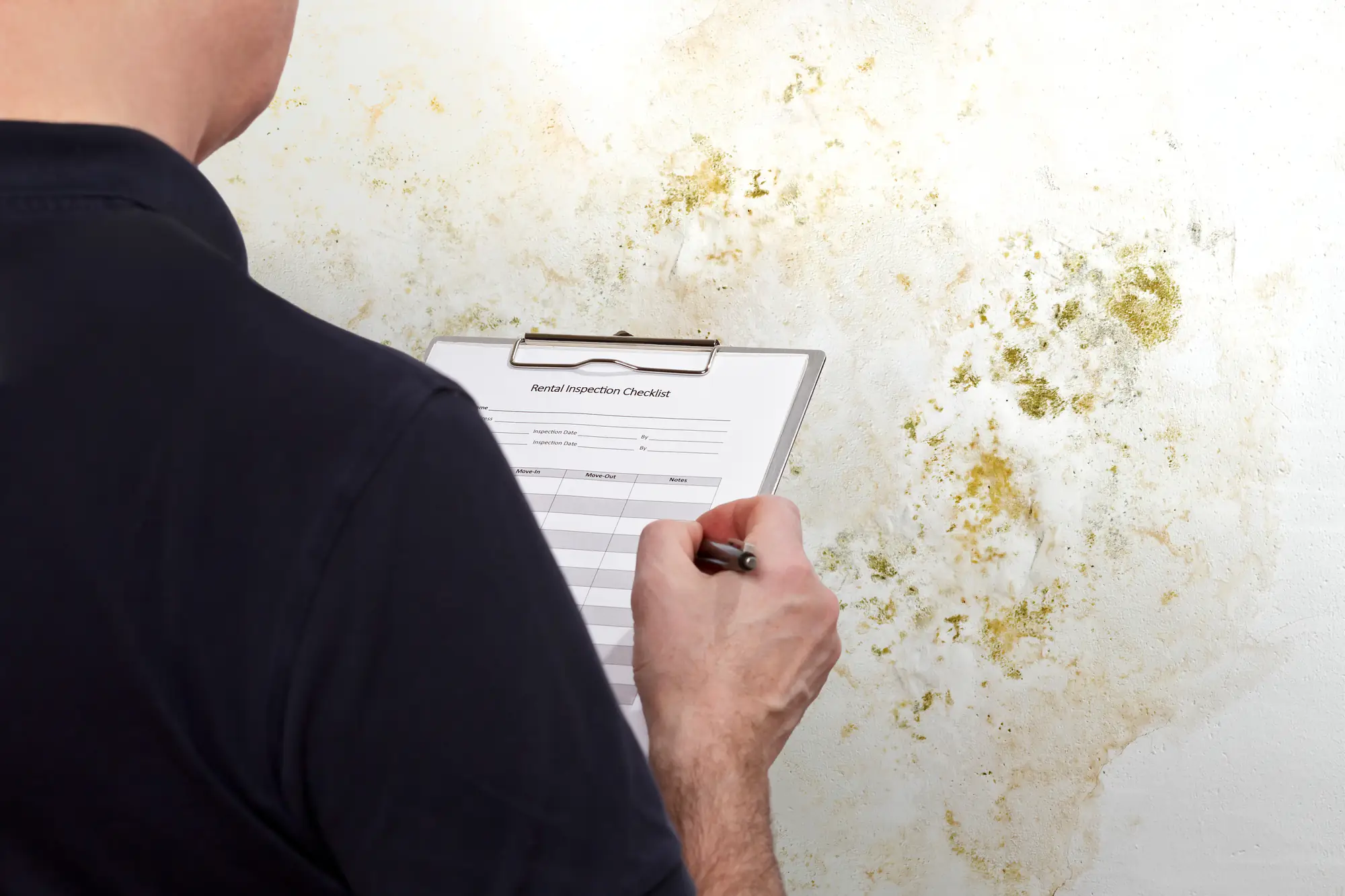
First, we walk through your home with you. You’ll point out any areas of concern—water damage, strange smells, visible growth—and we’ll inspect the usual trouble spots like basements, crawl spaces, attics, and around HVAC systems.
Then we collect samples. That might mean air sampling to measure spore levels in different rooms, surface sampling from suspicious spots, or bulk sampling if there’s visible growth. We use the right method based on what your home needs, not a one-size-fits-all approach.
After that, samples go to a certified lab for analysis. You’ll get a report that breaks down what was found, the concentration levels, and whether those levels are normal or concerning. We’ll walk you through the results in plain language and recommend next steps if remediation is needed. No pressure, no upselling—just honest information so you can decide what’s best for your property.
Ready to get started?
Every mold test starts with a free inspection. We’re not going to charge you just to take a look and figure out what’s going on. During that inspection, we’ll assess moisture levels, check for visible growth, and identify any conditions that could be feeding a mold problem.
If testing makes sense, we’ll collect air and surface samples from the areas that matter most. In Haycock, that often means focusing on basements with stone foundations, attics with older insulation, or crawl spaces that see seasonal moisture from Pennsylvania’s wet springs and humid summers. We know the local climate plays a role, and we adjust our approach accordingly.
You’ll receive a detailed lab report that identifies mold types, spore counts, and comparisons to outdoor air quality. We also provide clear recommendations—whether that’s improving ventilation, addressing a leak, or moving forward with professional remediation. And if you need help navigating insurance claims, we’ll work with your provider to make that process easier.
You don’t need a mold test every time you see a water stain. But if you’re dealing with ongoing health symptoms like respiratory issues, headaches, or allergy flare-ups that won’t go away, it’s worth checking. Same goes for musty odors you can’t track down or any area of your home that’s had water damage—even if it was months ago.
Mold testing is also smart if you’re buying or selling a home in Haycock. Older properties with stone foundations or limited crawl space ventilation can hide problems that aren’t obvious during a walkthrough. A test gives you documentation and peace of mind.
If you’re not sure, we’ll come out for a free inspection and give you an honest assessment. Sometimes the issue is ventilation or a minor moisture problem you can handle yourself. Other times, testing is the right move. We’ll tell you either way.
Air sampling measures the concentration of mold spores floating in your indoor air. It’s useful when you suspect mold but can’t see it, or when you want to compare air quality between rooms. We collect samples from different areas and send them to a lab that counts spore types and levels.
Surface sampling tests a specific spot—like that dark patch on your basement wall or the discoloration near a window frame. We swab or tape-lift the area and analyze what’s actually growing there. This tells you the exact mold type, which matters if you’re dealing with something like black mold that requires more careful handling.
Most thorough mold tests use both methods. Air sampling gives you the big picture of what’s in your environment. Surface sampling confirms what’s growing in problem areas. Together, they give you the full story so you’re not guessing about what needs to be done.
The actual testing appointment usually takes about an hour, depending on the size of your home and how many areas we’re sampling. We’re not rushing through it—we’re being thorough. You can be there during the process or not, whatever works for your schedule.
Lab results typically come back within three to five business days. Once we have them, we’ll schedule a time to go over the report with you. We’ll explain what the numbers mean, which mold types were found, and whether the levels are something to address or just normal background spores that exist in every home.
If you’re in a time crunch—maybe you’re closing on a house or dealing with a health situation—let us know. We can sometimes expedite lab processing for an additional fee. But in most cases, a few days gives you accurate results without cutting corners.
It depends on what caused the mold. If it’s the result of a sudden, covered event—like a burst pipe, roof leak during a storm, or appliance malfunction—there’s a good chance your policy will cover testing and remediation. Pennsylvania homeowners insurance typically excludes mold that developed from long-term neglect or maintenance issues, like a slow leak you ignored for months.
The best move is to check your policy or call your insurance agent before you schedule testing. Some policies have specific mold coverage limits or require documentation of the water damage that caused it. We can help with that process—we work with insurance companies regularly and know what they need to see.
Even if insurance doesn’t cover it, mold testing is usually a few hundred dollars, and it can save you thousands by catching a problem early. We’ll give you a clear quote upfront so there are no surprises.
You can, but you’re probably not going to get useful information. Most DIY kits test whether mold is present, which isn’t helpful—mold spores exist in every home. What matters is the type of mold and the concentration levels, and cheap kits don’t measure that accurately.
Professional mold testing uses calibrated equipment and certified labs. We’re collecting samples under controlled conditions and comparing your indoor air quality to outdoor baselines. That gives you data you can actually use to make decisions. A DIY kit might tell you “mold detected,” but it won’t tell you if it’s a problem or what to do about it.
If you’re trying to save money, we get it. But if you’re going to spend time and effort testing, it makes sense to get results that are actually reliable. Our free inspection can help you figure out if testing is even necessary, which might save you from buying a kit that doesn’t tell you anything useful.
First, don’t panic. Finding mold doesn’t mean your house is unlivable or that you’re facing a five-figure repair bill. It means you have information, and now you can address it properly.
We’ll walk you through the report and explain what the results mean for your specific situation. If it’s a small area of surface mold, you might be able to handle cleanup yourself with the right products and precautions. If it’s more extensive—or if it’s black mold or growth inside walls—we’ll recommend professional remediation.
Our team handles mold removal too, so we can take care of the problem from start to finish. That includes finding and fixing the moisture source, removing contaminated materials safely, treating affected areas, and verifying the air quality afterward. We’ll also help you document everything for insurance if that’s part of your situation. You’re not stuck figuring this out alone.
Other Services we provide in Haycock