

Hear from Our Customers
You can’t fix what you can’t see. That musty smell in your basement or the dark spots behind your bathroom tile might be surface-level, or they might signal a bigger problem spreading through your walls.
Professional mold testing tells you exactly what type of mold you’re dealing with, where it’s hiding, and how far it’s spread. You get lab results that show spore counts in your air and surfaces. You get a moisture map that reveals why mold keeps coming back.
Most importantly, you get a clear path forward. Some mold situations need immediate professional remediation. Others you can handle yourself with the right approach. Testing removes the guesswork so you’re not overpaying for work you don’t need or underestimating a problem that’s affecting your family’s health.
We operate as an inspection-only company serving Eddington and Bucks County. That means we test and report findings without selling you remediation services. You get unbiased results.
Our PA state-licensed inspectors have completed thousands of mold inspections across the Delaware Valley. We use thermal imaging and moisture detection equipment to find problems you can’t see. Every sample goes to an independent accredited laboratory for analysis.
Eddington’s older homes and humid climate create perfect conditions for mold growth, especially in basements and crawl spaces. We’ve seen how quickly water damage from aging plumbing or poor drainage turns into a mold problem. Our testing process is designed specifically for the challenges homeowners face in this area.
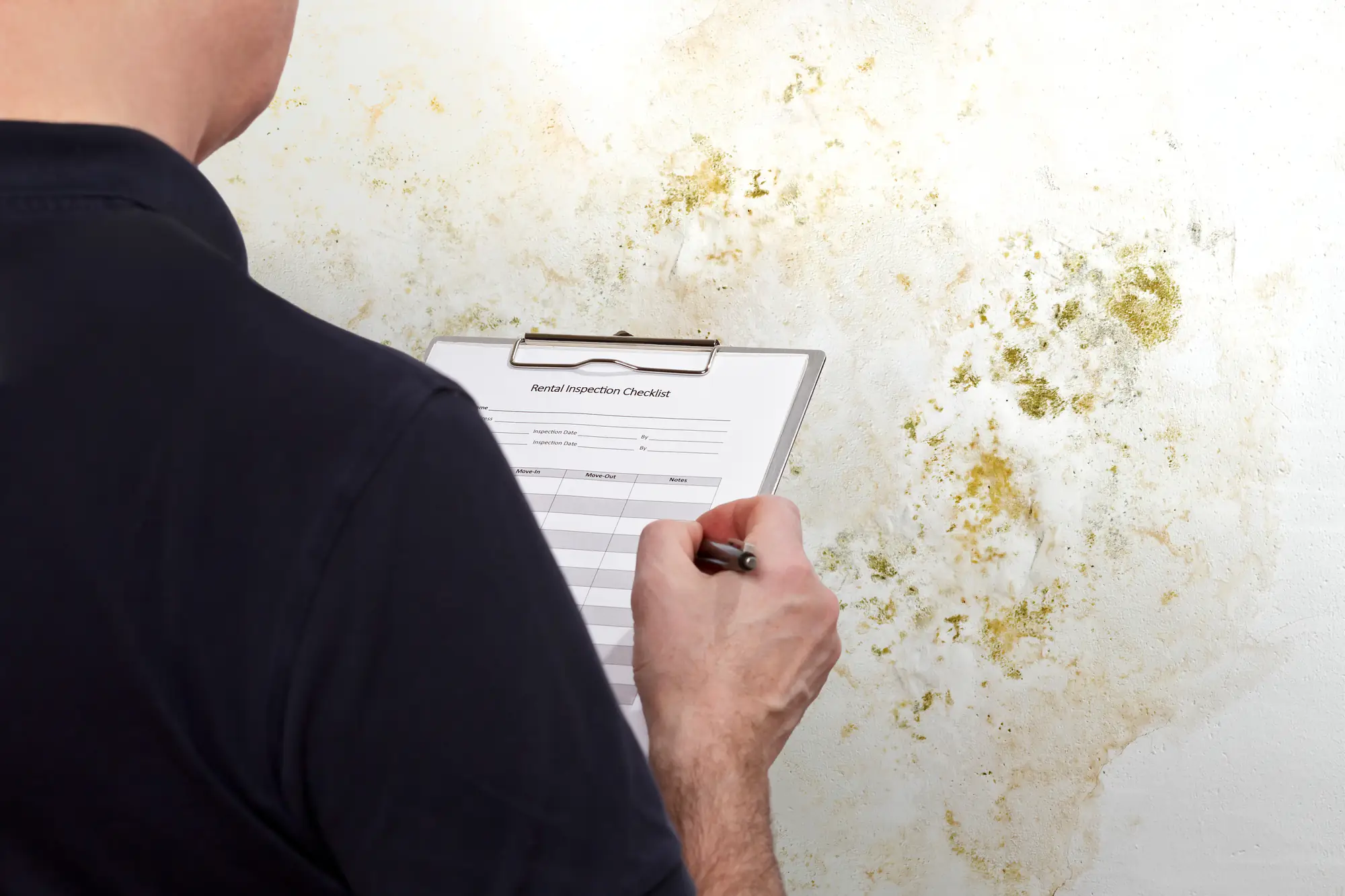
We start with a visual inspection of your property, looking for visible mold growth, water damage, and moisture issues. Our inspectors check common problem areas like basements, bathrooms, attics, and crawl spaces, but we also look in places most people miss.
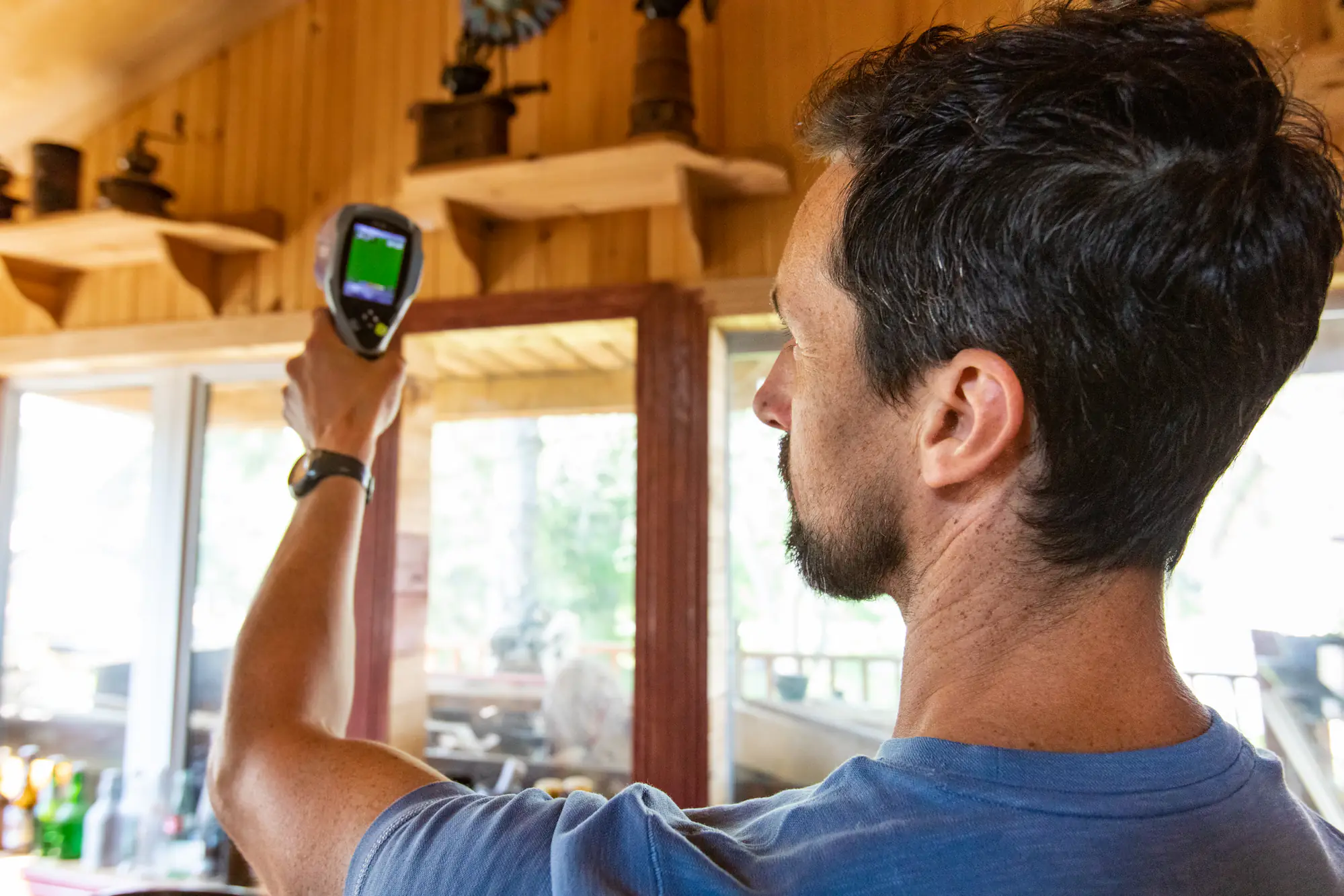
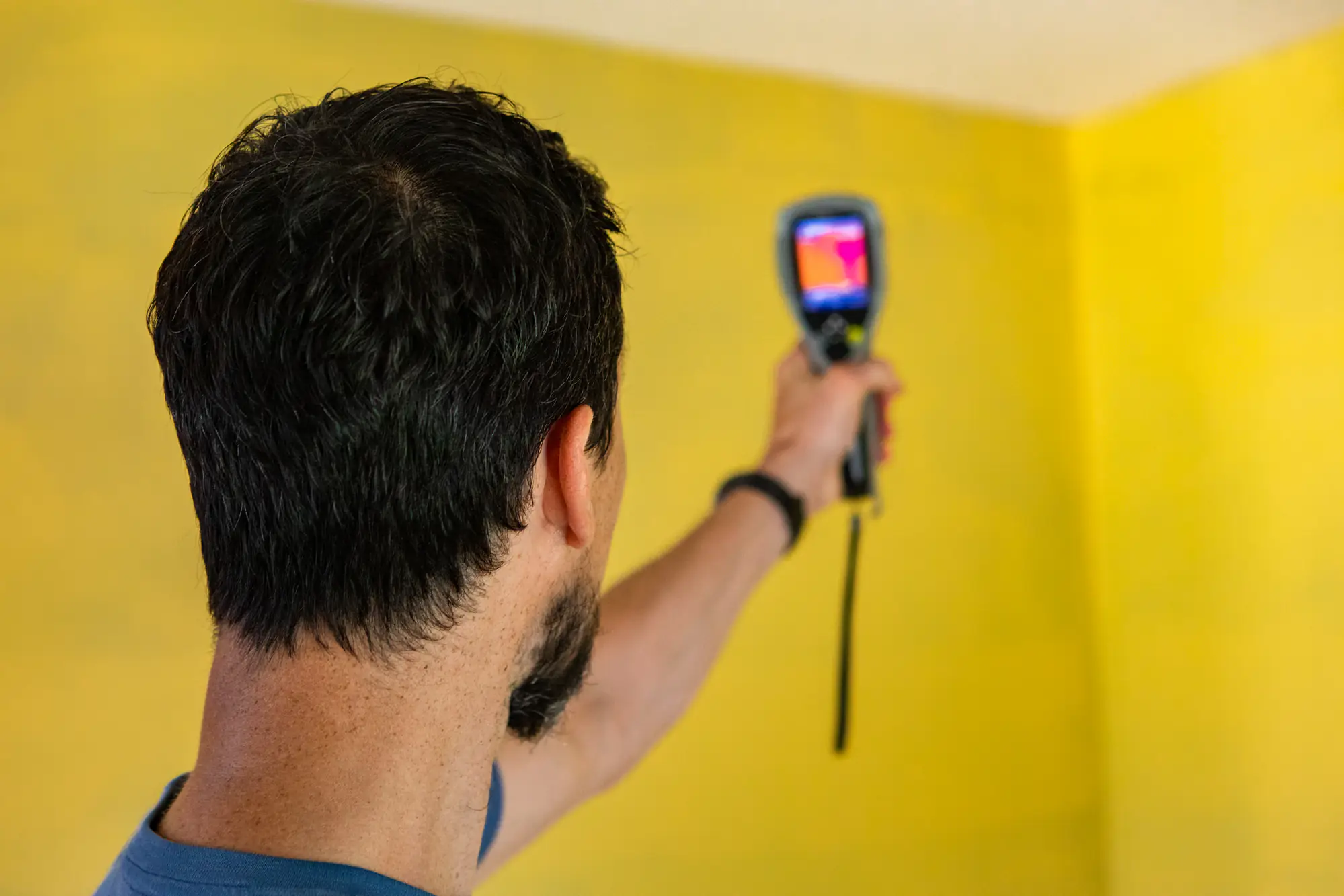
Next comes moisture detection. We use thermal imaging cameras and moisture meters to find wet spots behind walls, under floors, and in ceiling cavities. Mold grows where water sits, so finding moisture tells us where mold is likely hiding or will develop soon.
Then we collect samples. Depending on what we find, that might mean air sampling to measure spore counts, surface sampling from suspected mold growth, or bulk sampling of materials. We take samples from problem areas and from clean areas for comparison.
All samples go to an independent laboratory for analysis. You receive a detailed report that identifies mold types, spore concentration levels, and moisture readings. We walk you through the results and explain what they mean for your specific situation. You’ll know whether you need professional remediation, minor cleanup, or just better ventilation and moisture control.
Ready to get started?
Your mold testing service includes a complete property inspection with advanced detection equipment. We bring thermal imaging cameras that reveal temperature differences indicating moisture problems and moisture meters that measure water content in walls, floors, and ceilings.
You get multiple testing methods based on your property’s specific concerns. Air quality sampling measures mold spore levels throughout your home. Surface sampling tests visible growth or suspicious stains. We customize the testing protocol to your situation whether you’re dealing with water damage, buying a home, or investigating health symptoms.
Every sample is analyzed by an independent accredited laboratory. Your detailed report includes mold species identification, spore count measurements, and moisture level documentation. We explain the results in plain language and provide clear recommendations.
Bucks County’s climate brings humidity and precipitation that create ongoing mold challenges. Eddington’s mix of older homes means aging plumbing, settling foundations, and ventilation systems that weren’t designed for today’s energy-efficient, tightly sealed construction. Our testing accounts for these local factors. We look for the specific moisture patterns and mold types common to this area, and we know which findings require immediate action versus monitoring.
Professional mold testing in Eddington typically runs between $300 and $650 for a complete inspection. That price includes the on-site inspection, sample collection, laboratory analysis, and a detailed report with recommendations.
The exact cost depends on your property size and how many samples we need to collect. A small home with one suspected area costs less than a large property requiring multiple air samples and surface tests. Additional samples add $50 to $350 each, depending on the type of analysis required.
Air quality testing alone runs $150 to $500 if you just want to measure spore levels without a full inspection. But most homeowners benefit from the complete inspection because it identifies moisture sources and hidden growth areas that air sampling alone won’t reveal. You’re not just finding out if you have mold – you’re learning why it’s there and how to prevent it from coming back.
A mold inspection is the visual examination of your property. An inspector looks for visible mold growth, water damage, moisture problems, and conditions that promote mold. They use moisture meters and thermal imaging to find hidden issues. You get a report describing what they found and where.
Mold testing adds laboratory analysis. We collect air samples, surface samples, or bulk material samples and send them to a lab. The lab identifies specific mold species and measures spore concentrations. Testing gives you scientific data about what types of mold are present and how severe the contamination is.
Most situations benefit from both. The inspection finds the problem areas and moisture sources. The testing confirms what’s growing and how widespread it is. If you see obvious mold growth, you might not need testing – you already know you have mold and need to remove it. But if you smell musty odors without seeing mold, or if you’re experiencing health symptoms, or if you’re buying a home, testing provides the documentation and specifics you need to make informed decisions.
The on-site inspection and sample collection typically takes one to three hours, depending on your property size and the number of samples needed. We’re thorough but efficient. You don’t need to leave during the inspection.
Laboratory analysis takes three to five business days in most cases. Rush processing is available if you need results faster for a real estate transaction or urgent health concern. The lab is identifying mold species and counting spores, which requires growing cultures and microscopic analysis.
Once we receive the lab results, we prepare your detailed report and schedule a time to review findings with you. The report includes photos from the inspection, moisture readings, lab data showing mold types and concentrations, and our recommendations. We walk you through everything so you understand what the numbers mean and what actions make sense for your situation. You’re not just getting a stack of technical data – you’re getting an explanation you can actually use.
DIY mold test kits are available at hardware stores for $10 to $50. They typically involve setting out a petri dish to collect spores or swabbing a surface and mailing it to a lab. These kits can confirm that mold is present, but they don’t tell you much beyond that.
The problem with DIY testing is that mold spores exist everywhere. A petri dish left out in any home will grow mold. What matters is the type of mold, the concentration levels, and where it’s growing. DIY kits don’t measure spore counts in your air, don’t identify specific species, and don’t find hidden moisture problems causing the growth.
Professional mold testing uses calibrated air sampling equipment that measures exactly how many spores per cubic meter are in your air, compared to outdoor baseline levels. We collect samples from multiple locations and heights. We use moisture meters and thermal imaging to find hidden problems. The laboratory analysis identifies specific mold species, including toxic varieties like Stachybotrys (black mold). You get actionable data, not just confirmation that mold exists somewhere in your house. If you’re making decisions about remediation costs or health concerns, professional testing provides the documentation you need.
Aspergillus and Penicillium are the most common mold types we find in Eddington homes. These molds thrive in damp conditions and appear as green, blue, or white fuzzy growth. They’re often found in bathrooms, basements, and around windows where condensation occurs.
Cladosporium is another frequent finding, especially in attics and on HVAC systems. It appears as black or olive-green spots and grows in both warm and cool conditions. Alternaria shows up in areas with water damage, particularly around leaky pipes and in damp basements.
Stachybotrys, commonly called black mold, is less common but does appear in homes with significant water damage or chronic moisture problems. It requires consistently wet conditions to grow and typically shows up on water-damaged drywall, ceiling tiles, or wood. Bucks County’s humidity and Eddington’s older housing stock create conditions where any of these molds can establish themselves if moisture isn’t controlled. Testing identifies which types you’re dealing with because some require more aggressive remediation than others, and some pose greater health risks to sensitive individuals.
Mold testing identifies what types of mold are in your home and measures concentration levels. It doesn’t diagnose medical conditions. But it does provide important information about your exposure risk.
Some mold types produce mycotoxins that cause respiratory problems, allergic reactions, and other health issues. Testing tells you if these varieties are present in your home. High spore counts indicate heavy contamination that increases exposure risk. The lab report shows whether levels in your home exceed normal outdoor baseline levels.
If family members are experiencing symptoms like persistent coughing, sneezing, congestion, eye irritation, or breathing difficulties, and testing reveals elevated mold levels, that’s useful information to share with your doctor. Children, elderly family members, and anyone with asthma or compromised immune systems face higher risk from mold exposure. Testing helps you understand whether your indoor air quality might be contributing to health problems and whether remediation is necessary to reduce exposure. It’s one piece of the puzzle, alongside medical evaluation, in determining whether mold is affecting your family’s health.
Other Services we provide in Eddington