

Hear from Our Customers
You shouldn’t have to wonder if that musty smell means trouble. Or if your kid’s cough is just allergies or something worse hiding in your walls.
Professional mold testing gives you actual answers. We use thermal imaging and moisture meters to check behind walls, under floors, and in crawl spaces where mold grows unnoticed. Then we send samples to a third-party lab so you get objective results, not a sales pitch.
Most homeowners in Echo Reach call us for one of three reasons. They’re buying or selling a home and need documentation. They’ve had water damage and want to know if mold followed. Or they’re dealing with health symptoms that won’t go away and suspect their home might be the cause.
Testing takes the guesswork out. You’ll know exactly what you’re dealing with, where it’s growing, and what needs to happen next. No more lying awake wondering if you’re breathing in something toxic.
We’ve spent years working in Echo Reach and throughout Bucks County. We’ve seen what Pennsylvania’s humid summers and damp winters do to homes, especially older ones built before modern ventilation became standard.
That local experience matters because mold doesn’t grow the same way everywhere. The moisture problems you get in a Bucks County basement are different from what homeowners deal with in drier climates. We know where to look and what to test for because we’ve done this hundreds of times in homes just like yours.
When we test your home, we’re not trying to scare you into unnecessary work. We’re giving you the information you need to make a smart decision about your property and your family’s health.
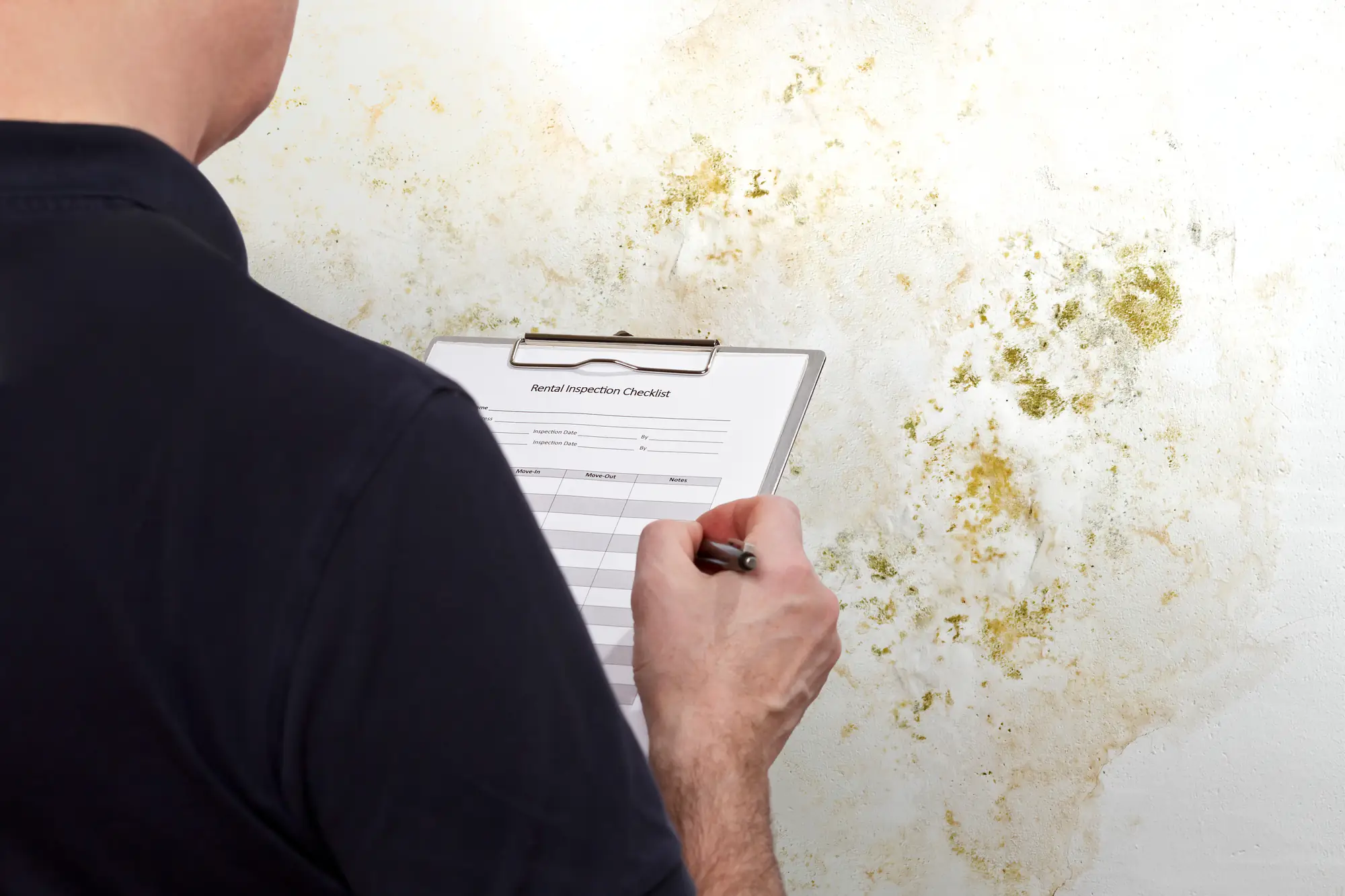
We start with a free inspection of your property. That means walking through your home, checking moisture levels, looking for visible growth, and identifying any conditions that create mold problems.
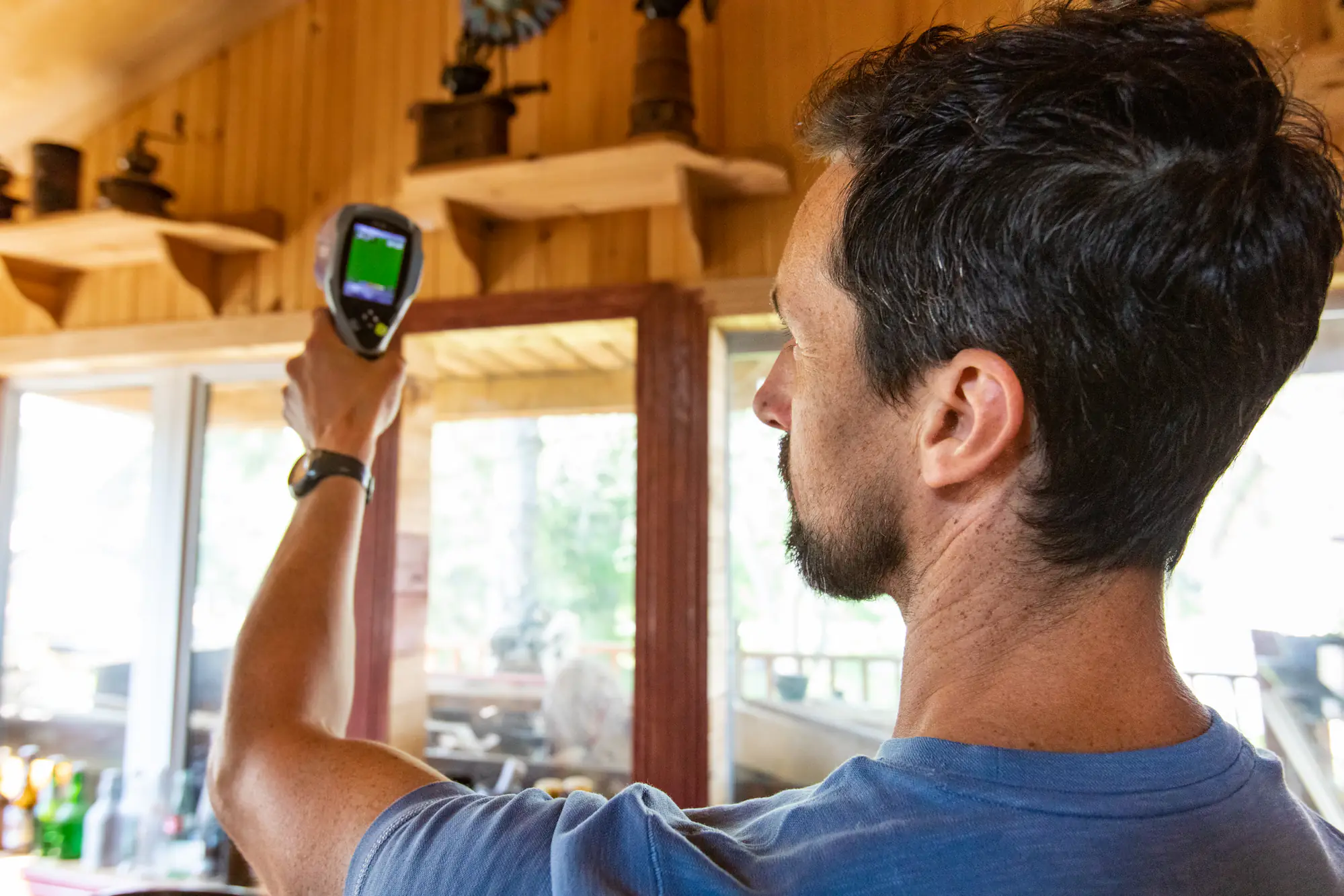
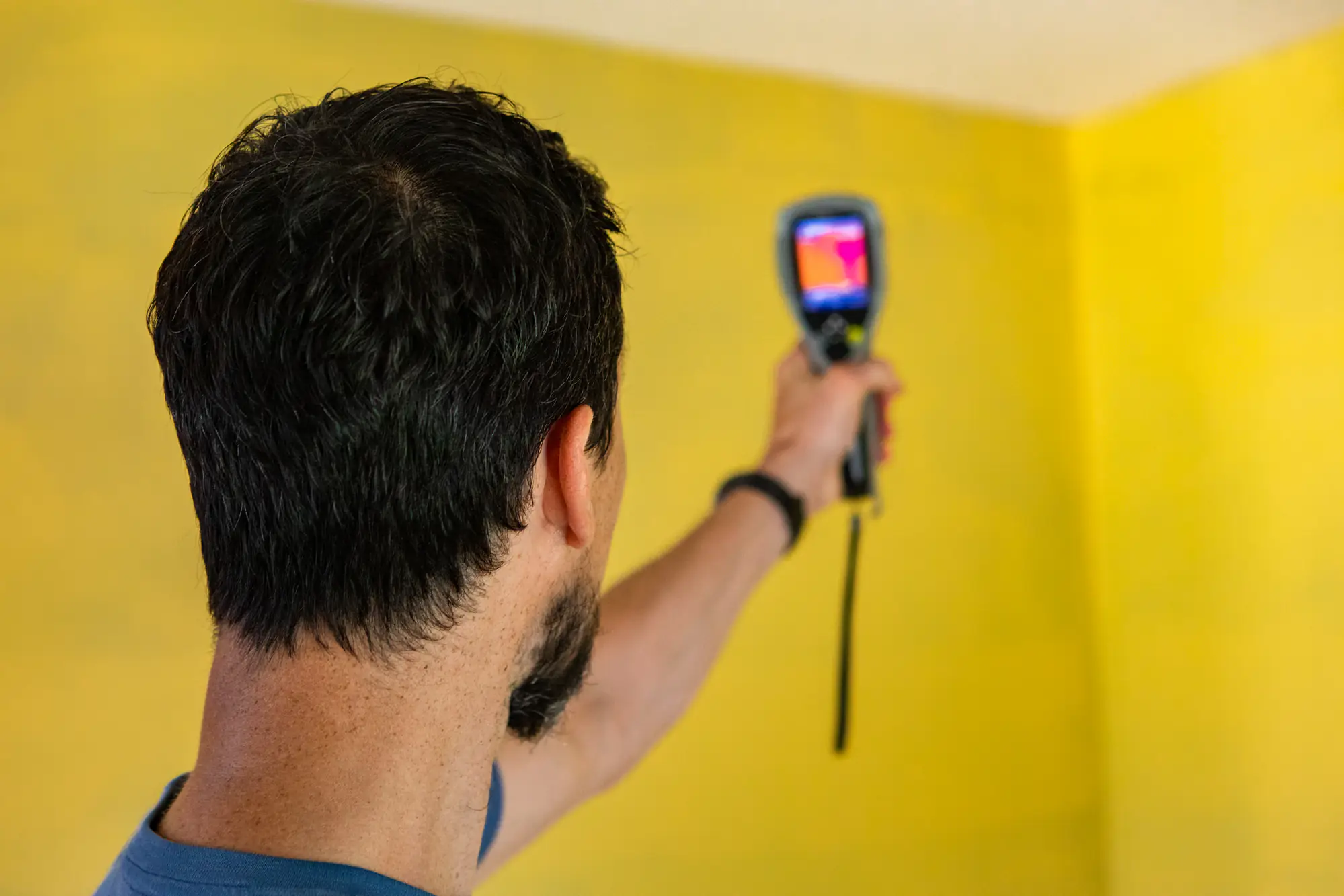
If testing makes sense, we’ll collect air samples from different areas of your home and take surface samples from any suspicious spots. We use professional equipment like infrared cameras to spot temperature differences that indicate moisture behind walls. Digital moisture meters tell us if building materials are wet enough to support mold growth.
Those samples go to an independent certified lab for analysis. You’re not relying on our word alone. The lab identifies exactly what types of mold are present and at what concentration levels.
Once results come back, we sit down and explain what they mean in plain language. If you have a problem, we’ll tell you how serious it is and what your options are. If your home tests clean, you’ll have documentation proving it. Either way, you’ll know exactly where you stand.
Ready to get started?
Every mold testing service includes a thorough visual inspection of your entire property. We check basements, crawl spaces, attics, bathrooms, and anywhere else moisture tends to accumulate in Echo Reach homes.
You get professional air quality testing with samples sent to an independent lab for detailed analysis. The lab report breaks down exactly what’s in your air and whether levels are normal or concerning. Surface testing is included anywhere we spot potential growth.
We also identify the moisture source causing the problem. Mold is just a symptom. The real issue is always water or humidity that shouldn’t be there. That might be a hidden leak, poor ventilation, condensation from temperature differences, or groundwater seeping into your basement. Bucks County’s climate makes humidity control especially important, and many older homes in Echo Reach weren’t built with that in mind.
You’ll receive a detailed report with lab results, photos, moisture readings, and our recommendations. If remediation is needed, we’ll explain what that involves and give you a clear price. If the problem is minor enough to handle yourself, we’ll tell you that too.
Professional mold testing typically runs between $300 and $600 depending on your home’s size and how many samples we need to collect. That’s significantly more reliable than the $10 DIY kits you can buy at hardware stores.
Consumer Reports tested those DIY kits and rated every single one as “Not Recommended.” The problem is that settling plates will always grow mold when exposed to air, but that doesn’t tell you whether your home actually has a mold problem. You’re basically paying to confirm that mold exists in the world, which isn’t useful information.
Professional testing uses calibrated equipment and certified lab analysis to measure actual mold concentrations in your home’s air. We compare those levels to outdoor samples and established safety thresholds. That gives you actionable information instead of just creating more anxiety.
A mold inspection is a visual assessment where we walk through your property looking for visible growth, moisture problems, and conditions that support mold. We use moisture meters and thermal imaging to check behind surfaces. This inspection is free and helps us determine whether testing is actually necessary.
Mold testing involves collecting air and surface samples that get analyzed by a lab. Testing tells you exactly what types of mold are present and at what concentration levels. It’s especially important when you can’t see any mold but suspect you have a problem, or when you need documentation for a real estate transaction or insurance claim.
Most homeowners need both. The inspection identifies problem areas and guides where we should collect samples. The testing provides scientific confirmation and detailed information about what’s growing in your home. Together, they give you a complete picture of your indoor air quality.
The actual testing process takes about two to three hours depending on your home’s size. We’re collecting air samples, taking surface samples, measuring moisture levels, and documenting everything with photos and notes.
Lab results typically come back within three to five business days. The lab needs time to culture the samples and identify specific mold species. Rush processing is available if you’re in the middle of a real estate transaction with a tight deadline.
Once we receive the lab report, we’ll contact you to schedule a time to review the results together. We’ll explain what the numbers mean, show you exactly where problems exist, and discuss your options. That conversation usually takes about 30 minutes and you’re welcome to ask as many questions as you need to feel confident about next steps.
If you can see significant mold growth, you already know you have a problem that needs remediation. Testing to confirm that visible mold is actually mold doesn’t add much value in that situation.
However, testing is still useful even when mold is visible because it tells you what else might be growing in areas you can’t see. Mold rarely stays contained to just one spot. If you’ve got visible growth in your bathroom, there’s a good chance you have hidden growth behind those walls or in other areas with similar moisture conditions.
Testing also provides a baseline before remediation begins. Then we can do post-remediation testing to verify that mold levels have returned to normal and the job was done correctly. That’s especially important if you’re dealing with a contractor you haven’t worked with before, or if you need documentation for insurance purposes or to satisfy a real estate contingency.
Bucks County’s humid climate creates ideal conditions for several mold species. Aspergillus is extremely common and thrives in damp indoor environments. Cladosporium grows on porous materials like wood and drywall. Penicillium often shows up after water damage or in areas with chronic humidity problems.
Black mold, technically called Stachybotrys chartarum, gets the most attention because it produces mycotoxins that can cause serious health problems. It’s less common than other species but does appear in Echo Reach homes, especially after flooding or significant water damage that wasn’t dried properly.
The specific types of mold in your home depend on what materials got wet, how long moisture was present, and what spores happened to be in the air when conditions became favorable for growth. That’s why professional testing matters. Different mold species require different approaches to remediation, and some are more concerning for health than others. Lab analysis tells you exactly what you’re dealing with instead of guessing based on color or appearance.
Insurance coverage for mold depends entirely on what caused the moisture problem. If mold resulted from a sudden, accidental event like a burst pipe or storm damage, your policy will typically cover both testing and remediation. If mold developed gradually due to poor maintenance or chronic humidity issues, insurance usually won’t pay.
The key is documenting everything properly from the start. That means calling your insurance company as soon as you discover water damage, taking photos, and getting professional testing done quickly. Waiting too long can give your insurance company grounds to deny the claim by arguing that the mold resulted from neglect rather than the original covered event.
We work with insurance companies regularly and can provide the documentation they need to process your claim. That includes detailed reports, lab results, photos, and a clear scope of work for remediation. Having professional testing done by a certified company strengthens your claim significantly compared to trying to handle everything yourself. Even if insurance doesn’t cover the full cost, the documentation protects you if issues come up later during a home sale or if health problems develop.
Other Services we provide in Echo Reach