

Hear from Our Customers
You’re not imagining it. That musty smell in the basement. The allergies that won’t quit. The weird stain that keeps coming back after you painted over it.
Mold doesn’t always announce itself. It grows behind walls, under floors, inside HVAC systems—places you can’t see until the damage is done. And in East Rockhill, where humidity spikes in summer and older homes have vulnerabilities you didn’t build, mold finds a way.
Professional mold testing tells you what’s actually there. Not a guess. Not a maybe. Lab-analyzed results that identify the type of mold, the concentration, and whether your indoor air quality is compromised. That’s the difference between wondering if you have a problem and knowing exactly what you’re dealing with.
Once you know, you can act. Fix it before it spreads. Protect your family’s health. Stop small issues from turning into structural damage that costs thousands to repair.
We’ve been testing and removing mold in East Rockhill and throughout Bucks County for years. We’ve seen what happens when mold gets ignored—and what it takes to catch it early.
We’re not here to upsell you on services you don’t need. We test, we document, we explain what we found in plain language. If there’s a problem, we’ll tell you. If there’s not, we’ll tell you that too.
East Rockhill homes deal with specific challenges. Older construction. Seasonal humidity. Basements that weren’t built with modern moisture barriers. We know where to look because we’ve been in hundreds of homes just like yours.
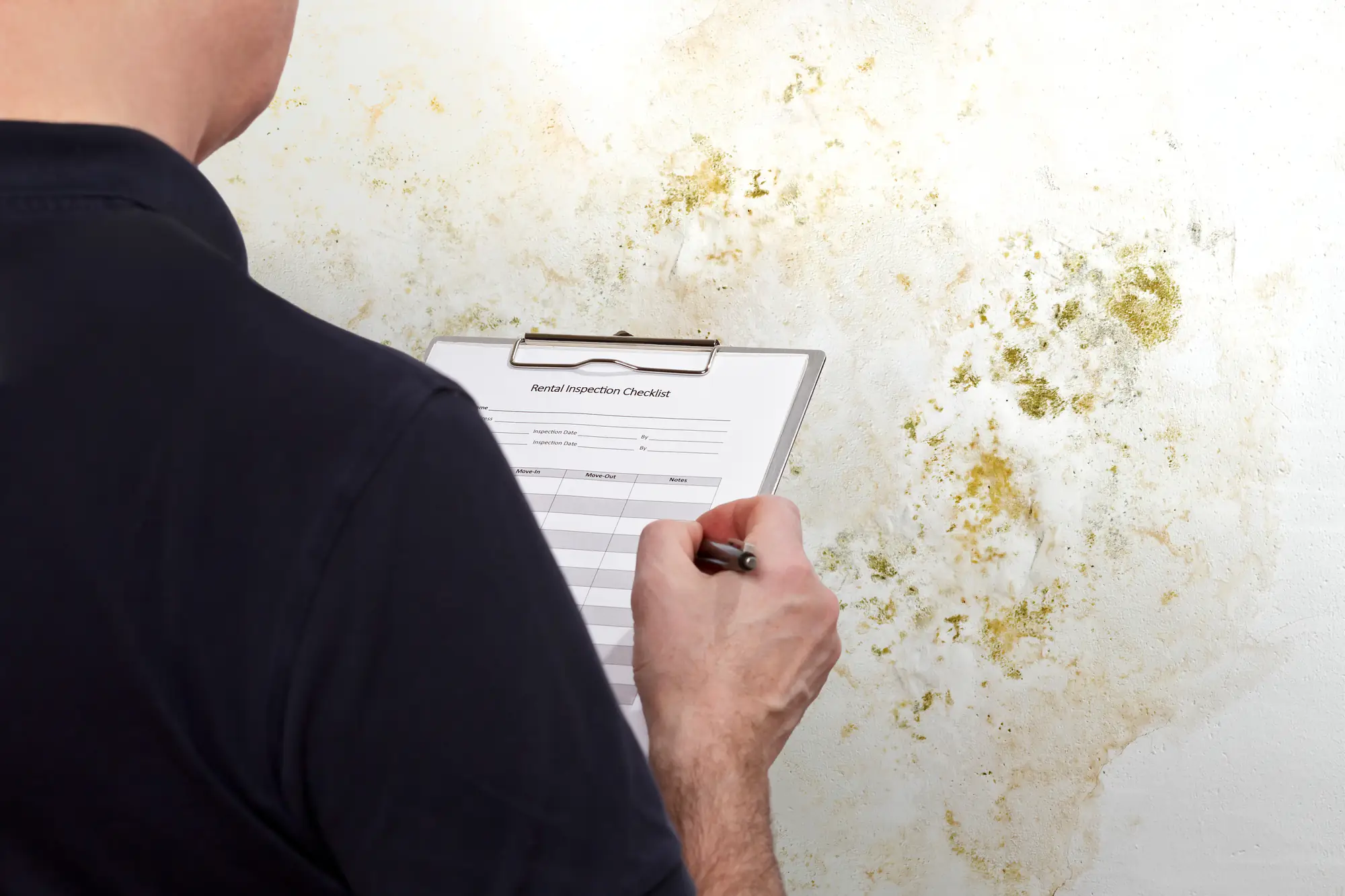
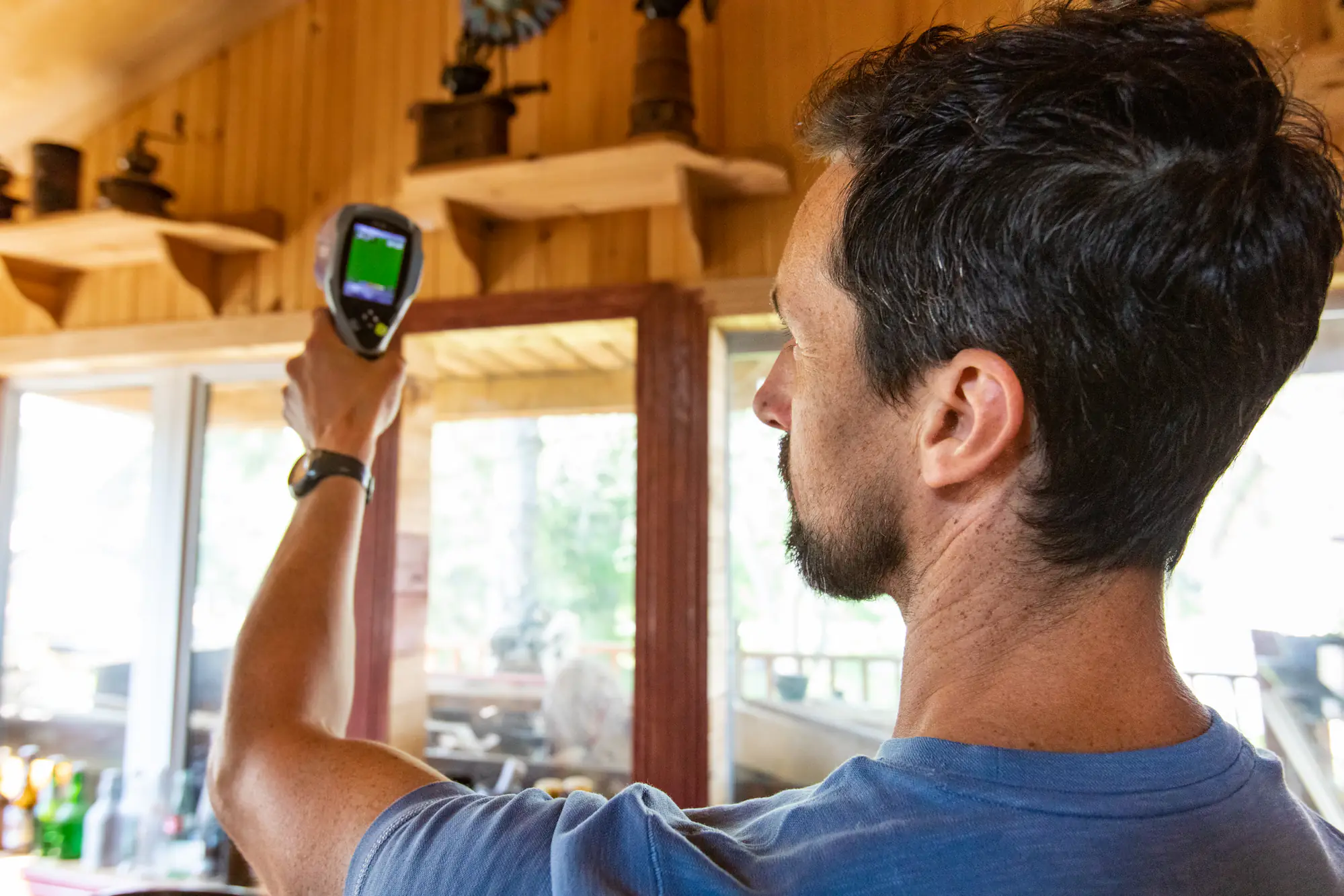
First, we walk through your property and look for visible signs—discoloration, water damage, areas that feel damp or smell off. We use moisture meters and thermal imaging to detect problems you can’t see with your eyes.
Then we take air samples from different areas of your home. These samples get sent to a certified lab where they’re analyzed for mold spore types and concentrations. We also take samples from outside so we can compare your indoor air quality to what’s normal for East Rockhill’s environment.
The lab results come back with a full breakdown: what types of mold are present, how much, and whether the levels are elevated compared to outdoor air. We review those results with you and explain what they mean in practical terms—not jargon.
If we find mold, we’ll also identify the moisture source. Because removing mold without fixing the cause just means it’ll come back. We look for leaks, condensation issues, ventilation problems, anything that’s feeding the growth.
Ready to get started?
Every mold inspection includes a full visual assessment of your property. We check basements, crawl spaces, attics, bathrooms, kitchens—anywhere moisture tends to accumulate. We use moisture detection tools to find hidden dampness behind walls and under flooring.
Air quality testing is standard. We collect samples from multiple rooms and send them to an accredited lab for analysis. The lab report identifies mold species, spore counts, and whether your indoor levels are higher than what’s typical outdoors in East Rockhill.
You also get documentation. A written report that includes our findings, lab results, photos of problem areas, and recommendations for next steps. This matters if you’re buying or selling a home, filing an insurance claim, or just need proof that the issue has been addressed.
In East Rockhill, where real estate transactions can stall over mold concerns, having professional documentation protects everyone involved. Buyers get transparency. Sellers get clarity. And nobody’s guessing about what’s actually growing in the house.
We’re also looking for the why. What’s causing the mold? Is it a roof leak? Poor ventilation? A plumbing issue? Identifying the source is just as important as identifying the mold itself.
Most residential mold testing in East Rockhill starts around $300 to $400 for homes under 4,000 square feet. That typically includes a visual inspection, moisture detection, and two air samples—one from inside and one from outside for comparison.
Larger homes or properties that need more extensive testing can run between $700 and $1,000. The size of your home is the biggest factor, but the complexity matters too. If you’ve got a finished basement, multiple HVAC zones, or a history of water damage, expect the inspection to take longer and cost more.
Lab analysis is usually included in that price. The samples get sent to a certified lab where they’re tested for mold species and spore concentration. You’ll get a written report that breaks down what was found and whether the levels are elevated compared to outdoor air.
Some companies charge extra for things like thermal imaging or additional air samples. Ask up front what’s included so you’re not surprised by add-ons later.
You can, but the results are limited. DIY kits usually test for the presence of mold spores—which are everywhere. Every home in East Rockhill has some level of mold spores in the air. The question isn’t whether they’re there, it’s whether the concentration is high enough to be a problem.
DIY kits don’t give you context. They can’t tell you if your levels are normal or elevated compared to outdoor air. They can’t identify hidden mold behind walls or under floors. And they can’t pinpoint the moisture source that’s feeding the growth.
Professional testing uses lab analysis to identify specific mold species and measure spore counts. That tells you whether you’re dealing with common environmental mold or something more concerning like black mold. It also gives you documentation that’s useful for insurance claims or real estate transactions.
If you’re just curious, a DIY kit might satisfy that. But if you’re dealing with health symptoms, visible growth, or a musty smell that won’t go away, professional testing gives you answers you can actually act on.
Most labs turn around results in 24 to 48 hours. The samples get analyzed for mold species and spore concentration, then compiled into a report that breaks down what was found in each area of your home.
Some labs offer rush services if you’re in a time crunch—like during a real estate transaction that’s about to close. That can get you results the same day or within a few hours, but it usually costs extra.
Once the lab report comes back, we review it with you. We’ll explain what types of mold were detected, whether the levels are elevated, and what that means for your home. The report also includes recommendations for remediation if mold levels are high enough to warrant action.
In East Rockhill, where real estate deals can hinge on mold inspections, timing matters. If you’re buying or selling, plan for at least two to three days between the inspection and when you’ll have final results. That keeps the transaction moving without unnecessary delays.
A mold inspection is the visual assessment. We walk through your property, look for signs of mold growth, check for water damage, use moisture meters and thermal imaging to find hidden problems. It’s about identifying where mold is likely growing and what’s causing it.
Mold testing takes it further. We collect air samples or surface samples and send them to a lab for analysis. The lab identifies the specific types of mold present and measures the concentration of spores in your indoor air. That gives you hard data about what’s actually there.
Most professional mold inspections include both. The visual assessment tells us where to look. The lab testing tells us what we’re looking at and whether it’s a problem. You need both pieces to get a complete picture.
In East Rockhill, where older homes often have hidden moisture issues, testing is especially important. Mold can be growing inside walls or under flooring where you’d never see it during a visual inspection. Air sampling catches what’s invisible but still affecting your indoor air quality.
If you’re experiencing symptoms—allergies, respiratory issues, headaches that improve when you leave the house—testing makes sense even if you don’t see visible growth. Mold can grow in hidden areas and still release spores into your air.
Same goes if you’ve had water damage in the past. A roof leak, burst pipe, or flooding creates conditions for mold growth that can persist long after the visible water is gone. Moisture gets trapped in walls, insulation, and subfloors where it feeds mold you’ll never see until it becomes a bigger problem.
Musty odors are another red flag. If your basement or crawl space smells off, that’s often mold releasing volatile organic compounds. The smell means growth is happening somewhere, even if it’s not visible yet.
In East Rockhill, where humidity spikes in summer and older homes weren’t built with modern moisture barriers, hidden mold is common. Testing gives you peace of mind if nothing’s there—or catches problems early before they turn into expensive repairs. Either way, you know what you’re dealing with instead of guessing.
Yes. Lab analysis identifies specific mold species, including Stachybotrys chartarum—the type commonly called black mold. The lab report will list every type of mold detected in your air samples and tell you the concentration of each.
Black mold gets a lot of attention because it can produce mycotoxins that cause health issues. But it’s not the only mold that matters. Other species like Aspergillus, Penicillium, and Cladosporium can also trigger allergies and respiratory problems, especially in high concentrations.
What matters more than the type is the concentration. Even common molds become a problem when spore counts are significantly higher indoors than outdoors. The lab results compare your indoor air quality to outdoor samples collected during the same inspection, so you can see whether your levels are elevated.
If black mold is detected, the report will specify where it was found and at what concentration. That gives you the information you need to decide on remediation. In East Rockhill, where basements and crawl spaces often have moisture issues, black mold shows up more often than most homeowners expect. Testing is the only way to know for sure.
Other Services we provide in East Rockhill