

Hear from Our Customers
Mold doesn’t always show itself. It hides in wall cavities, under flooring, behind cabinets, and in attics where moisture gets trapped. You might smell it before you see it. Or you might not notice anything at all until someone in your house starts coughing more than usual.
That’s where professional mold testing comes in. We don’t just look around and make assumptions. We use air sampling, surface testing, and moisture mapping to figure out what’s growing, where it’s growing, and how much of it you’re dealing with. Then we send samples to a certified lab so you get actual data, not a best guess.
The report you receive tells you the type of mold, the concentration levels, and whether it’s something that needs immediate attention or just routine cleanup. If you’re working with insurance, buying a home, or trying to figure out why your kid’s asthma keeps flaring up, that documentation matters. It gives you something concrete to act on.
We’ve been serving Cobalt Ridge and the surrounding Bucks County area with certified mold testing and remediation services for over two decades. We’re licensed in Pennsylvania, which requires actual credentials to conduct professional mold assessments—not just a truck and a moisture meter.
Our team knows what to look for in older homes with poor ventilation, newer builds with improper vapor barriers, and everything in between. Bucks County’s humid summers create perfect conditions for mold growth, especially in attics where heat and moisture get trapped under the roof deck. We’ve seen it all, and we know how to test for it properly.
You’re not getting a salesperson. You’re getting a certified inspector who follows EPA-approved methods and Pennsylvania regulations, and who’ll walk you through what we find without the runaround.
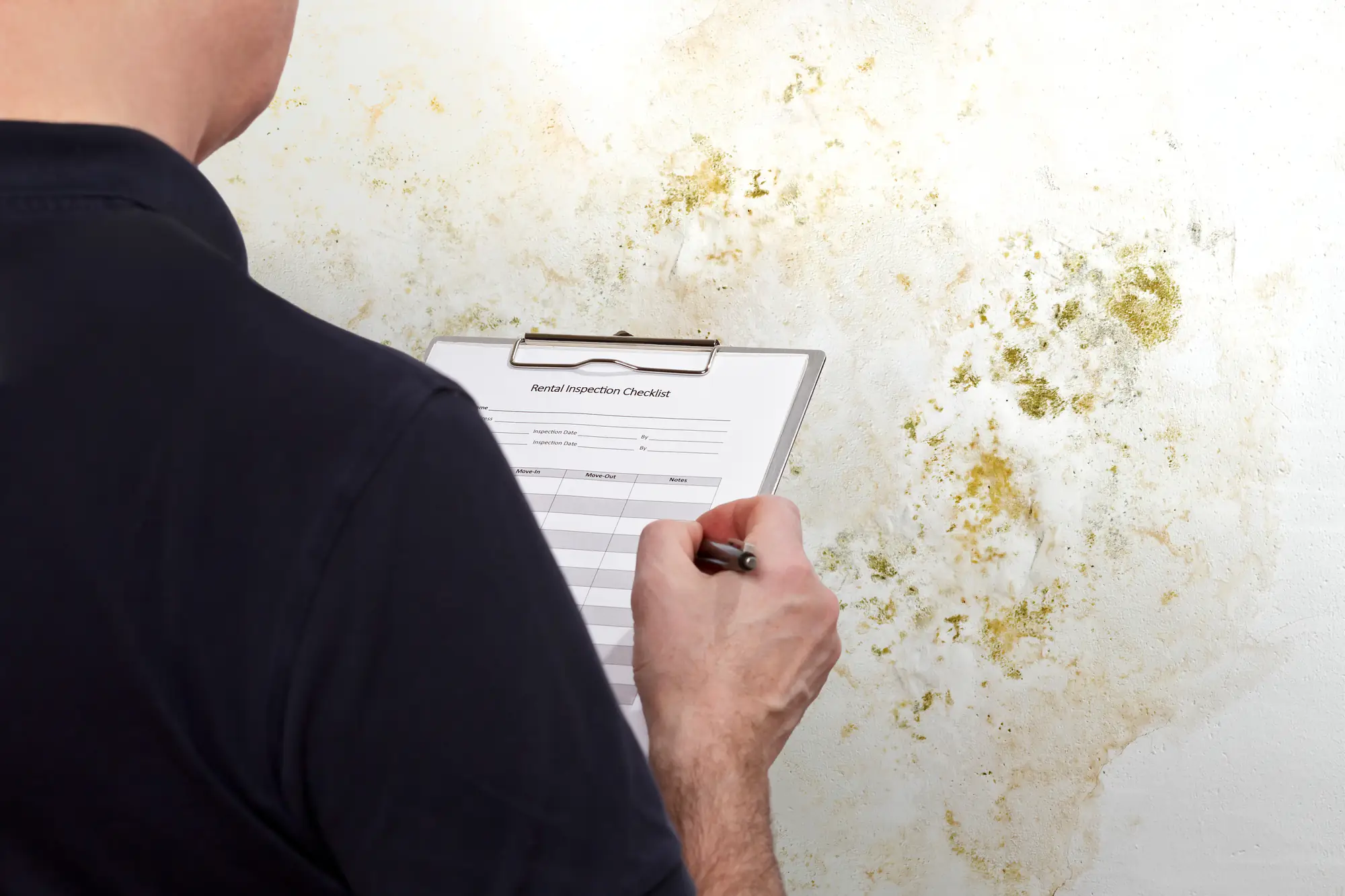
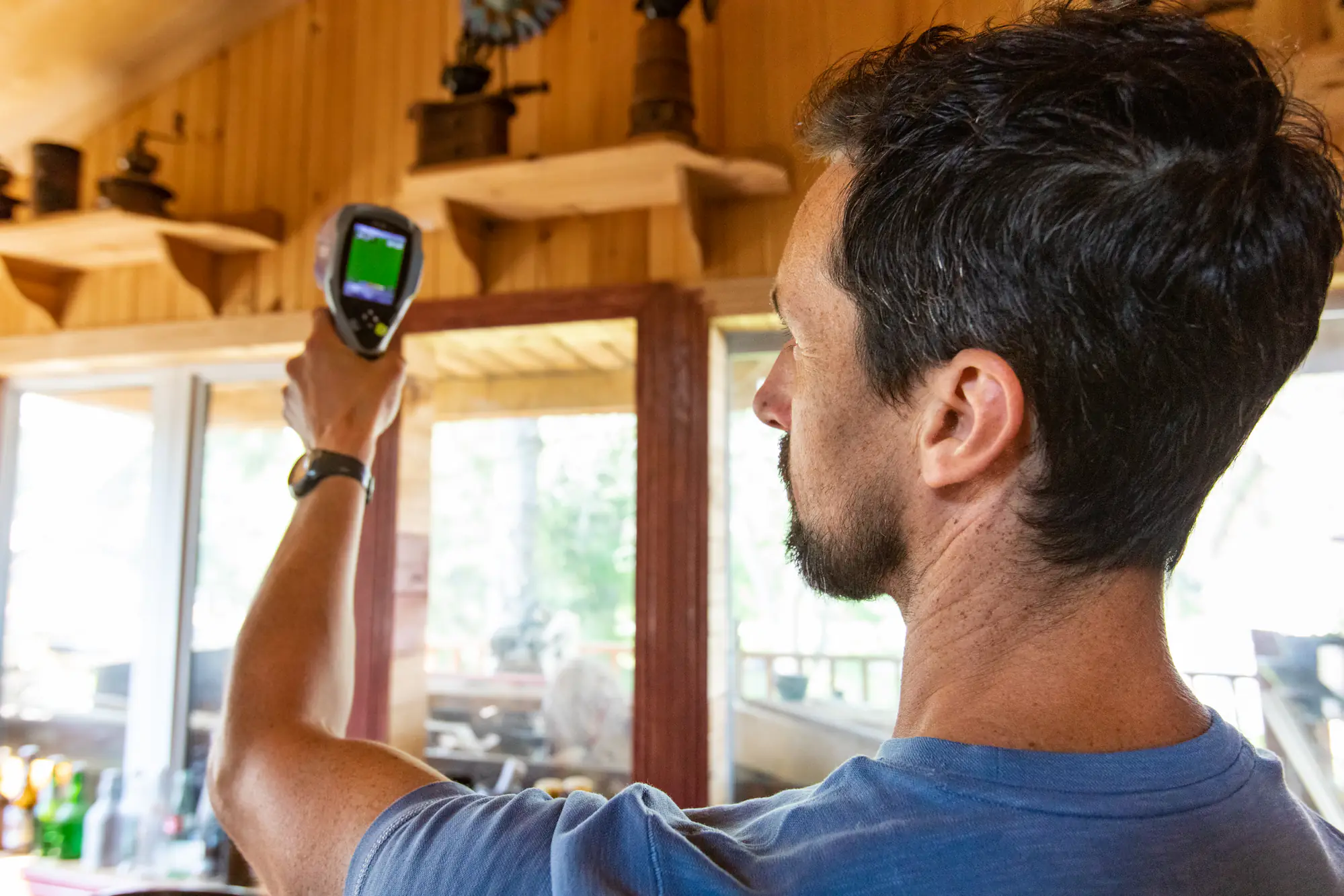
First, we schedule a free initial inspection. One of our certified technicians comes out to your property in Cobalt Ridge, walks through the space, and identifies any visible signs of mold or moisture intrusion. We check the usual suspects—bathrooms, basements, attics, crawl spaces—but we also look in places most people don’t think about.
If testing is needed, we collect air samples from different areas of your home to measure mold spore levels. We also take surface samples if there’s visible growth or staining. These samples go to an independent, accredited lab for analysis. You’re not relying on our opinion. You’re getting third-party lab results that tell you exactly what’s in your air and on your surfaces.
Once the lab sends back the report, we review it with you in plain language. We explain what the numbers mean, what types of mold were detected, and whether the levels are normal or elevated. If remediation is needed, we give you a detailed plan. If it’s minor and you can handle it yourself, we’ll tell you that too. The goal is to give you the information you need to make the right call for your home and your family.
Ready to get started?
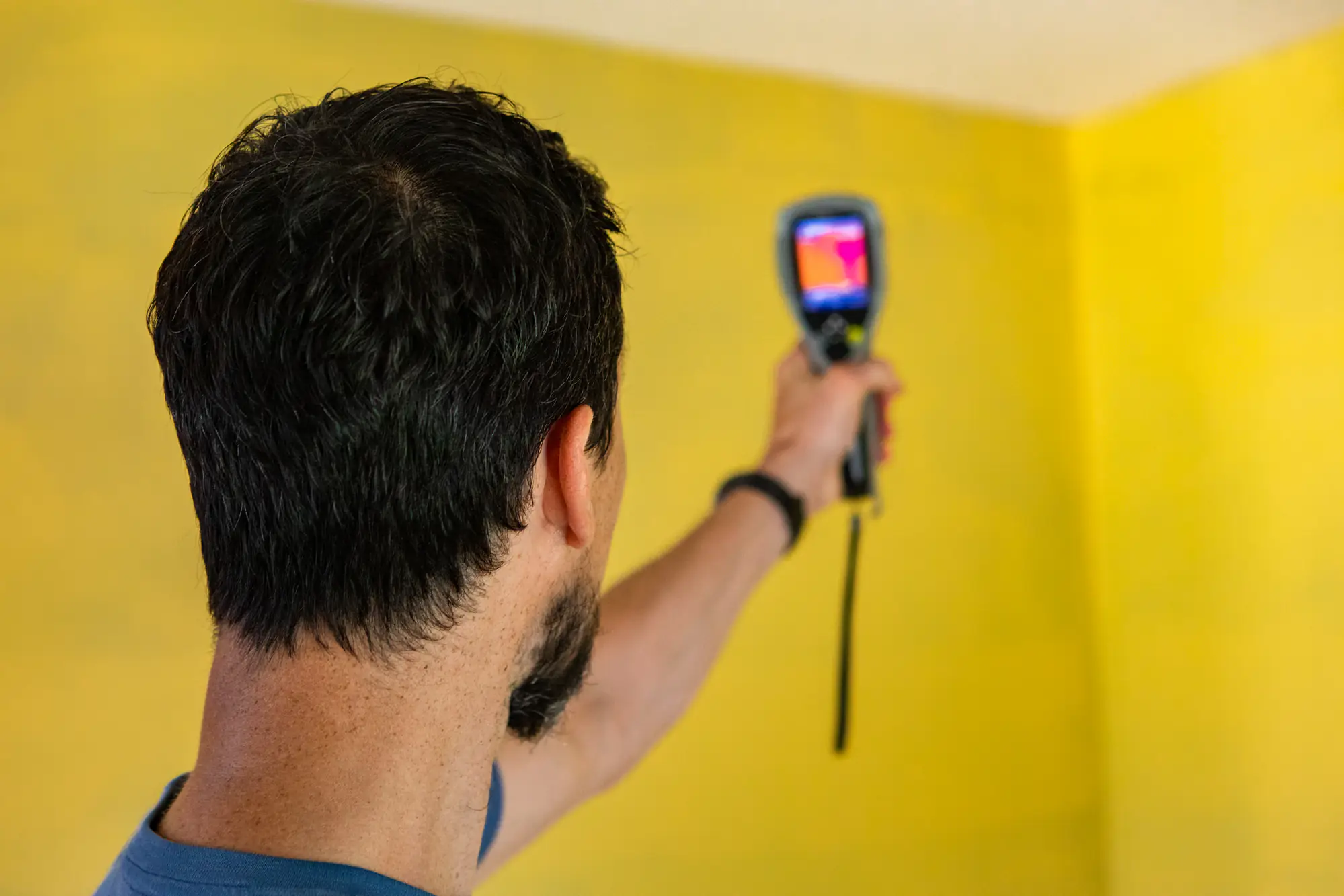
Our residential mold testing includes a full visual inspection of your property, moisture readings in key areas, and air quality sampling that measures spore concentration in your indoor environment. We also conduct surface testing when there’s visible growth or water staining that needs identification.
In Cobalt Ridge and throughout Bucks County, we see a lot of mold issues tied to Pennsylvania’s humid climate. Summers here are hot and wet, which means attics turn into moisture traps and basements stay damp even without active leaks. Older homes often lack proper ventilation, and newer homes sometimes have construction issues that create hidden moisture problems. We test with that context in mind.
You’ll receive a lab report that identifies mold species, including black mold (Stachybotrys), which gets a lot of attention because of its health risks. But the report also covers other common molds like Aspergillus, Penicillium, and Cladosporium—all of which can cause respiratory issues depending on concentration and exposure. If you’re dealing with an insurance claim, a real estate transaction, or a tenant dispute, this documentation is what you need to move forward with confidence.
Professional mold testing typically ranges from a few hundred dollars to around $800, depending on the size of your home and how many samples we need to collect. A basic air quality test for a smaller home costs less than a full inspection with multiple air and surface samples across a larger property.
We offer free initial inspections, so you’re not paying anything just to have us come out and assess the situation. After that inspection, we’ll give you a clear estimate based on what we found and what kind of testing makes sense for your situation. If you only need a couple of air samples, that’s one price. If you need surface testing, moisture mapping, and samples from multiple rooms, that’s another.
DIY mold test kits run anywhere from $10 to $150, but Consumer Reports rated every kit they tested as “Not Recommended.” Those kits can’t tell you concentration levels, and they don’t give you the documentation you’d need for insurance or legal purposes. If you’re serious about knowing what’s in your home, professional testing is the way to go.
A mold inspection is a visual and moisture-focused assessment. We walk through your home, look for visible mold growth, check for water damage, measure moisture levels in walls and floors, and identify conditions that could lead to mold problems. It’s about understanding what’s happening in your space and where the risks are.
Mold testing goes a step further. We collect air samples and surface samples, send them to a lab, and get back data on what types of mold are present and how much of it is in your environment. Testing gives you specific information that an inspection alone can’t provide—like whether you’re dealing with black mold, whether spore levels are elevated, and whether the air quality in your home is actually a problem.
Most of the time, we do both. The inspection tells us where to test, and the testing confirms what’s there. If you’re buying a home and the inspector noted moisture in the basement, testing tells you if that moisture has already created a mold issue. If someone in your family has unexplained respiratory symptoms, testing can confirm whether mold is the culprit.
Lab results typically come back within three to five business days after we collect the samples. We send everything to an accredited third-party lab that specializes in mold analysis, and they process the samples using industry-standard methods.
Once we receive the report, we’ll contact you to schedule a time to review the findings. We don’t just email you a PDF and leave you to figure it out. We walk you through what the lab found, explain what the numbers mean, and answer any questions you have about next steps.
If you’re in a time-sensitive situation—like a real estate closing or an insurance claim deadline—let us know upfront. We can sometimes expedite the lab work for an additional fee, though that’s not always necessary. Most people are fine with the standard turnaround, especially since we provide a preliminary assessment during the inspection itself.
Yes and no. Mold testing identifies the species of mold in your home and measures the concentration of spores in your air. Certain types—like Stachybotrys, commonly called black mold—are known to produce mycotoxins that can cause serious health issues, especially in children, elderly individuals, and people with respiratory conditions.
But here’s the thing: any mold can be a problem if the concentration is high enough or if someone in your home is sensitive to it. The lab report will show you what’s there and how much of it is present compared to normal outdoor levels. If your indoor spore count is significantly higher than what’s outside, that’s a red flag.
What the test won’t do is diagnose health problems. If you’re experiencing symptoms like coughing, wheezing, headaches, or asthma flare-ups, you should see a doctor. But the test results can give your doctor useful information about what you’re being exposed to at home. And if the levels are elevated, you’ll know it’s time to address the source and get the mold removed.
Not always, but it depends on what you’re trying to accomplish. If you can see mold and you just want it gone, you might not need testing—you need remediation. Visible mold is visible mold, and it needs to be removed regardless of what species it is.
That said, testing can still be useful even when mold is visible. It tells you what type of mold you’re dealing with, which can inform the remediation approach. It also measures airborne spore levels, so you know if the problem is contained to one area or if it’s spread throughout your home. And if you’re filing an insurance claim or dealing with a landlord-tenant dispute, having lab documentation strengthens your case.
Testing is also helpful after remediation is complete. We can do post-remediation testing to confirm that spore levels have returned to normal and that the mold hasn’t come back. That’s especially important if the original problem was caused by a moisture issue that might not be fully resolved.
First, don’t panic. Most homes have some level of mold spores in the air—it’s unavoidable. What matters is the type of mold and the concentration. If the lab report shows elevated levels or identifies a problematic species like Stachybotrys, then you need to take action.
The next step is figuring out where the moisture is coming from. Mold doesn’t grow without water, so if you’ve got a mold problem, you’ve got a moisture problem. That could be a leaky pipe, a roof issue, poor ventilation, high humidity, or water intrusion from outside. We’ll help you identify the source during the inspection, and fixing that issue is priority one. If you remove the mold but don’t fix the moisture problem, the mold will come back.
Once the moisture source is addressed, we move forward with remediation. Depending on the extent of the growth, that might mean removing contaminated materials, cleaning affected surfaces with EPA-approved methods, and using air filtration to reduce spore levels. After remediation, we can do follow-up testing to make sure the problem is actually solved. You’re not guessing—you’re confirming with data.
Other Services we provide in Cobalt Ridge