
Hear from Our Customers
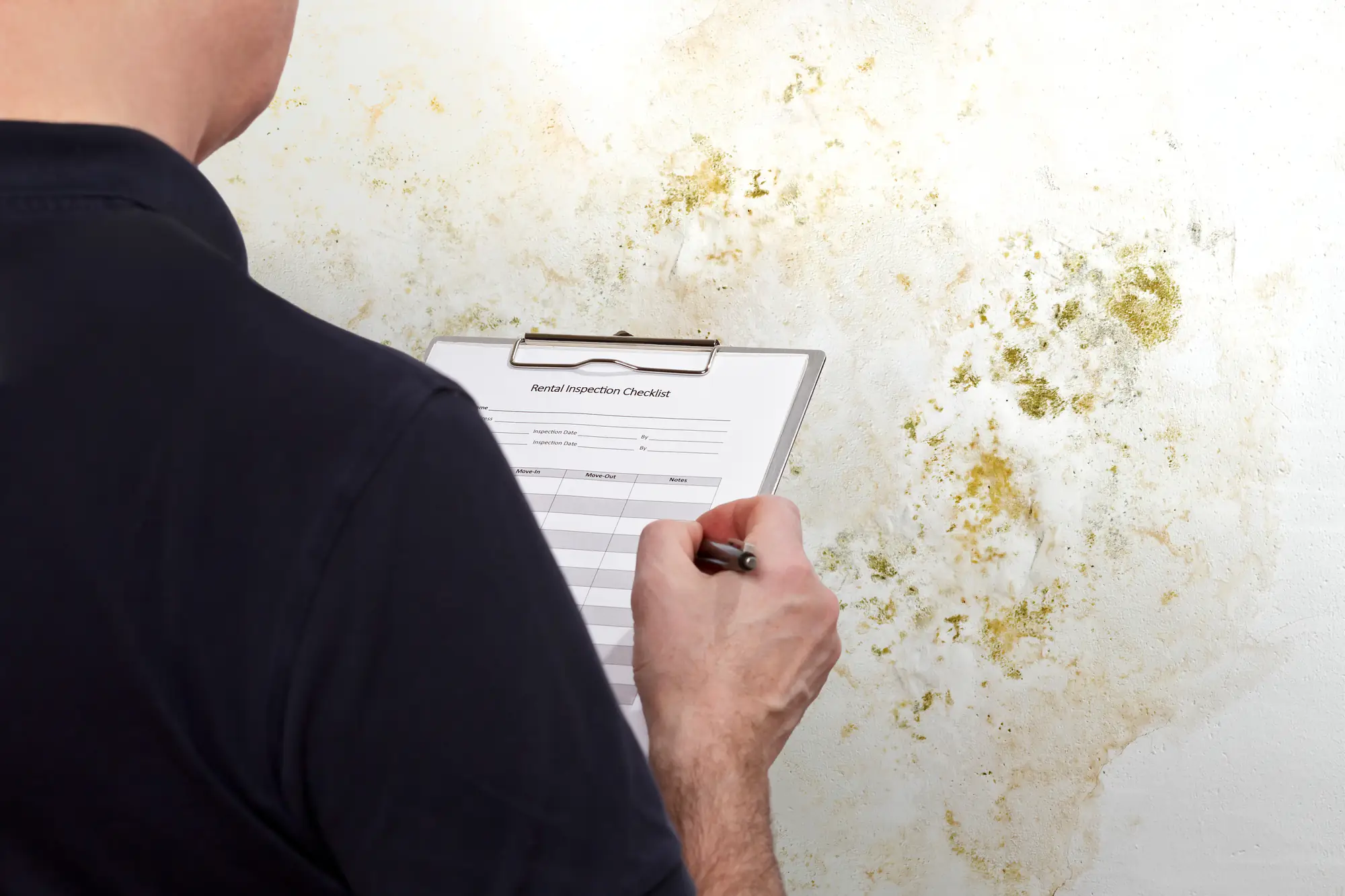
You’re not imagining that musty smell. Your allergies getting worse at home isn’t a coincidence. That discoloration on the ceiling isn’t just a stain.
Mold grows where you can’t see it. Behind drywall. Under carpets. Inside HVAC systems. By the time it’s visible, it’s already a bigger problem than it looks.
A proper mold inspection tells you three things: where the mold is, what type it is, and why it’s there. That last part matters most. If you don’t fix the source, you’re just cleaning up the same mess twice.
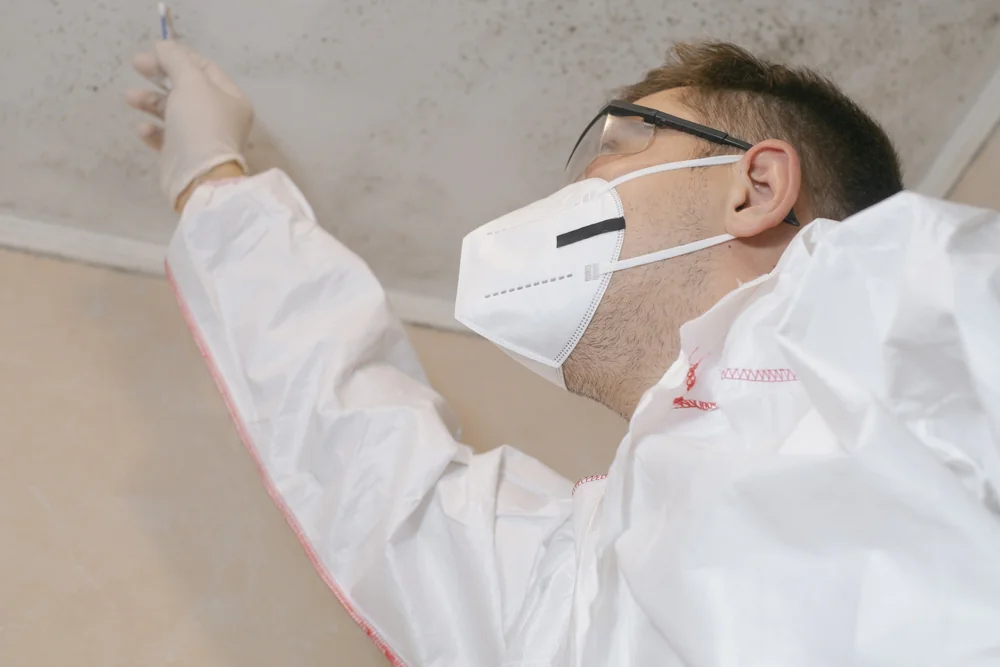
We use thermal imaging and moisture meters to find problem areas before they become disasters. Then we send samples to an independent lab for analysis. No guessing. No upselling. Just clear answers about what’s happening in your home.
We’ve been inspecting homes across Bucks County long enough to know the patterns. Woodside homes deal with humidity from the Delaware River valley. Older homes have ventilation issues. Newer construction sometimes traps moisture in all the wrong places.
We’re not a national franchise reading from a script. We’ve seen what happens when a sump pump fails during a spring storm. We know which local contractors cut corners on bathroom exhaust venting.
Our inspectors are certified, our equipment is current, and our lab results come from an independent facility. We follow EPA and IICRC S520 standards because cutting corners in mold detection just means you’ll be calling someone back in six months.
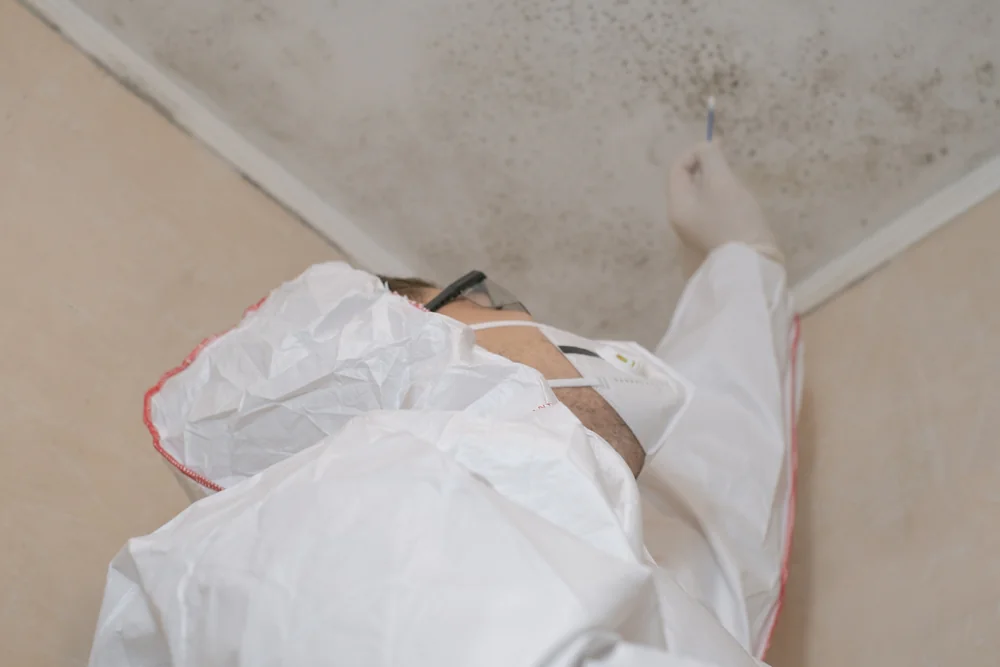
First, we walk through your home and listen. You know where the problems are, even if you don’t know they’re mold problems yet. We check those areas plus the common hiding spots: attics, crawl spaces, behind appliances, around windows.
We use thermal imaging to spot temperature differences that indicate moisture. Moisture meters tell us if materials are wet when they shouldn’t be. If we find something suspicious, we take samples. Air samples test what you’re breathing. Surface samples identify what’s growing.
Those samples go to an independent certified lab. Not our lab. Not our buddy’s lab. A third party that has no reason to exaggerate or downplay results. You get a written report that explains what was found, where it was found, and what it means for your health and your home.
Then we give you a written proposal. It covers what needs to be removed, what needs to be fixed to prevent it from coming back, and what it costs. No surprises. No pressure. Just information you can use to make a decision.

Ready to get started?
The inspection itself costs you nothing. We’re not looking for reasons to sell you services you don’t need. We’re looking for mold, moisture problems, and the conditions that let both thrive.
You get a visual assessment of your entire home. We check visible areas and use equipment to investigate hidden ones. Thermal imaging finds cold spots that indicate water intrusion. Moisture meters measure humidity levels in walls, floors, and ceilings.
If we find mold, we explain what type it likely is and recommend lab testing to confirm. That testing isn’t free, but it’s not expensive either, and it’s the only way to know for sure what you’re dealing with. Some molds are allergenic. Some produce mycotoxins. Some are just ugly. The difference matters.
Pennsylvania’s humidity has increased 5% to 10% in recent years. That means more moisture in homes, more condensation problems, and more mold growth. Woodside sits in a valley where humidity lingers. Your home is dealing with conditions that didn’t exist a decade ago. We account for that when we inspect.
You need an inspection if you smell something musty that doesn’t go away, if your allergies or respiratory symptoms get worse at home but improve when you leave, or if you’ve had any water damage in the past year. Even if the water was cleaned up quickly.
You also need one if you’re buying a home in Woodside, especially an older one. Sellers aren’t required to disclose mold unless they know about it, and most don’t look hard enough to know. A pre-purchase inspection protects you from inheriting someone else’s moisture problem.
Visible mold is an obvious reason to call. But here’s the thing: if you can see mold, there’s usually more you can’t see. Mold grows in colonies. What’s on your bathroom ceiling is probably also inside your bathroom wall. An inspection finds the full extent of the problem so you’re not just treating symptoms.
An inspection is the visual assessment. We look at your home, use equipment to find moisture and temperature anomalies, and identify areas where mold is likely growing. That’s the inspection, and it’s free.
Testing is when we take samples and send them to a lab. Air samples measure mold spore concentration in your indoor air. Surface samples identify the specific type of mold growing on a material. Testing costs extra because labs charge for analysis, but it gives you definitive answers instead of educated guesses.
Most people need both. The inspection finds the problem areas. The testing confirms what’s growing and whether it’s a health risk. Some molds are worse than others. Black mold (Stachybotrys) produces mycotoxins that cause serious respiratory problems. Other molds just trigger allergies. You can’t tell the difference by looking at it.
Plan on two to three hours for a thorough inspection of an average-sized home. Larger homes or homes with crawl spaces, attics, and basements take longer. We’re not rushing through your house checking boxes. We’re looking for problems.
The inspection itself happens in one visit. If we take samples for lab testing, results come back in three to five business days. Then we schedule a follow-up to review the results and provide a written remediation proposal if needed.
Some companies do “free inspections” that take 20 minutes and always find problems that require immediate expensive remediation. That’s not an inspection. That’s a sales call. A real inspection takes time because we’re checking areas most homeowners never look at and using equipment to find issues that aren’t visible.
It depends on what caused the mold. If mold grew because of a covered event like a burst pipe or storm damage, most policies cover remediation. If it grew because of long-term neglect or a maintenance issue like a slow leak you ignored, probably not.
Insurance companies want documentation. That’s where professional inspection and lab testing matter. We provide detailed reports that show what we found, where we found it, and what caused it. That documentation supports your claim and speeds up the approval process.
We work with insurance companies regularly. We know what they require, how they process mold claims, and what documentation they need. We can’t guarantee your claim will be approved, but we can make sure you’re submitting everything they need to make a decision. Many Woodside homeowners have gotten claims approved with our reports.
You can buy a kit at the hardware store, but it won’t tell you much. Those kits detect mold spores in the air, which isn’t useful information by itself. Every home has mold spores in the air. The question is how many, what types, and where they’re coming from.
DIY kits don’t measure concentration. They don’t identify species. They don’t tell you if the levels are abnormal. And they definitely don’t find the source of the problem. You’ll get a result that says “mold detected” and have no idea what to do with that information.
A professional inspection includes context. We compare your indoor air quality to outdoor air quality. We identify which rooms have elevated levels. We find the moisture sources feeding the growth. That’s what you need to actually solve the problem instead of just confirming it exists.
First, don’t panic. Finding mold doesn’t mean your home is condemned or worthless. It means you have a problem that needs to be addressed, and now you know about it before it gets worse.
We explain what we found, where it is, and what likely caused it. If testing is recommended, we take samples and send them to the lab. Once results come back, we provide a written proposal that covers removal, source repair, and prevention. You’ll know exactly what needs to happen and what it costs.
You’re not obligated to hire us for remediation just because we did the inspection. Some companies only offer free inspections if you use them for the work. We don’t operate that way. Our job is to give you accurate information. What you do with it is your decision. But if you do hire us, we’re available 24/7, we follow all EPA and IICRC guidelines, and we guarantee the work.
Other Services we provide in Woodside