
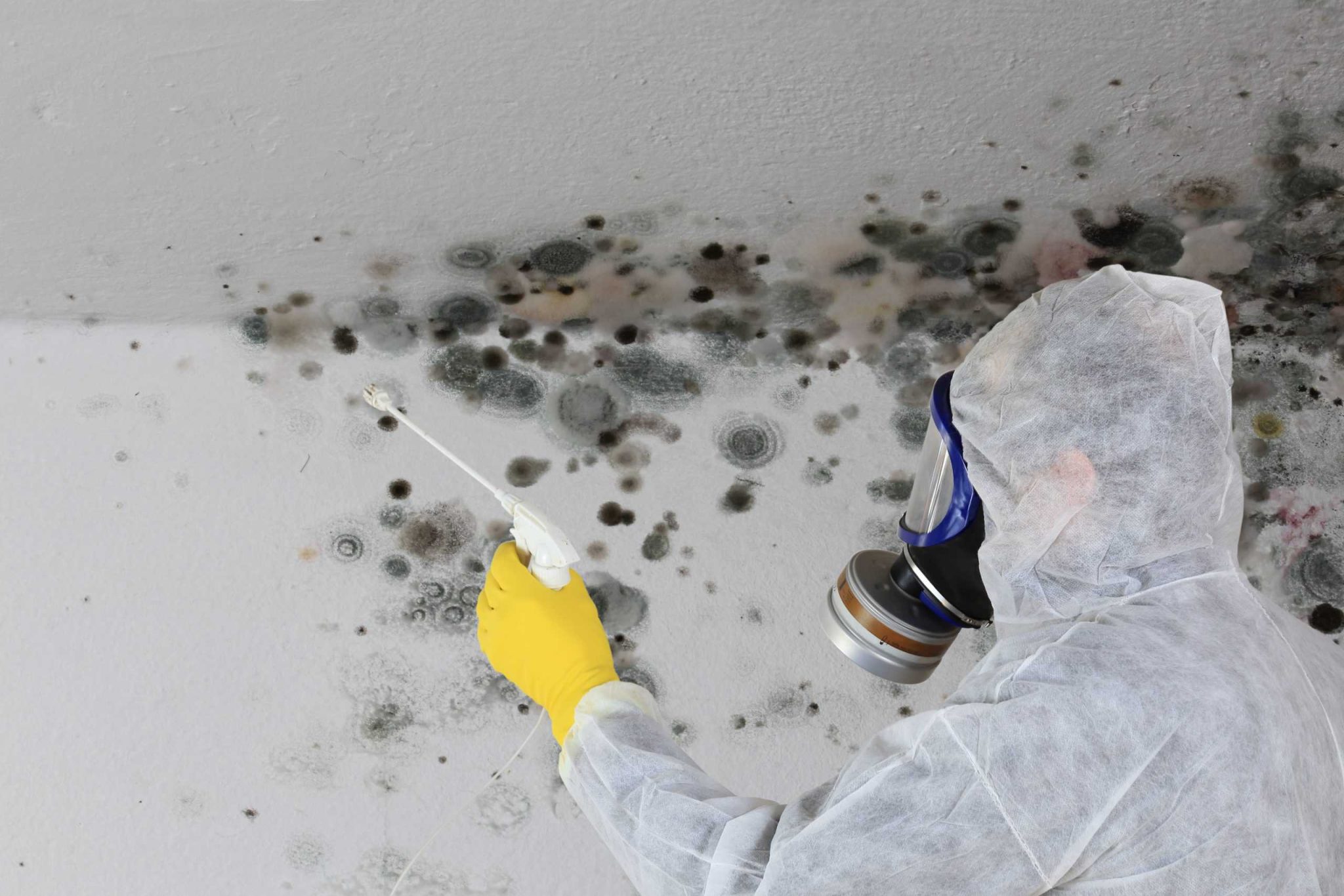
Hear from Our Customers
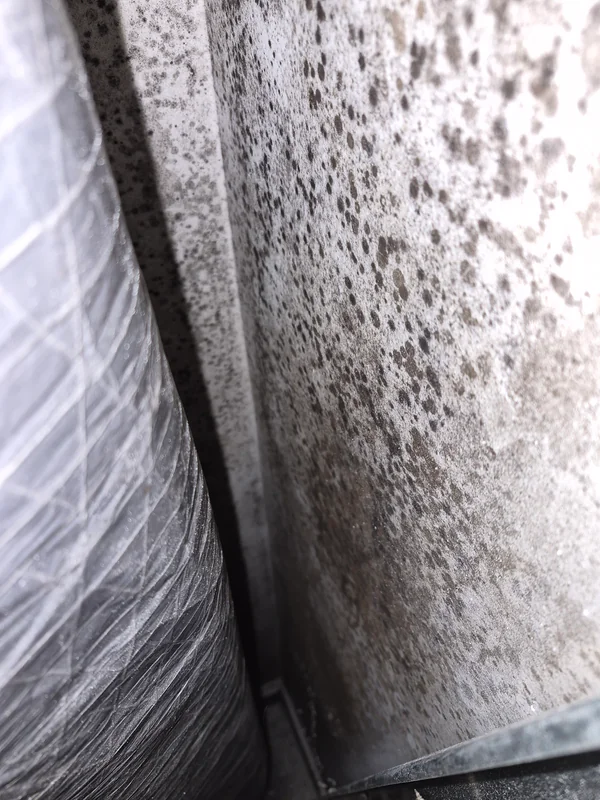
Most homes in Warminster Village were built between 1940 and 1969. They’re solid, well-built houses but the ductwork that came with them was never designed to be cleaned, and it’s been sitting inside walls and ceilings for decades, pulling in humid Bucks County air every single season.
When that changes when the system is properly inspected, cleaned, and verified you notice it. Less stuffiness when the heat kicks on. Fewer mornings waking up congested for no obvious reason. A house that just feels different.
Warminster Village averages around 51 inches of rain per year and sits at 67% relative humidity annually, peaking in late summer. That sustained moisture is exactly what mold needs to take hold inside ductwork especially in older homes where insulation has degraded and duct seams were never airtight to begin with. Cleaning the visible parts of your home doesn’t fix what’s happening inside the system.
For residents in Rosewood Park and the surrounding neighborhoods of Warminster Village, the age of the housing stock is the biggest factor here. The older the home, the longer the ductwork has been accumulating whatever the air carries dust, debris, mold spores, and moisture. Getting a certified inspection tells you exactly what’s in there. If something is found, having it properly remediated not just disturbed means it doesn’t come back.
We’re based in Bensalem right here in Bucks County and have been doing this work for over 15 years. The difference between us and a general HVAC company offering duct cleaning as a side service is straightforward: when mold is involved, you need someone who knows how to contain it, remove it properly, and then confirm it’s actually gone. Disturbing mold in ductwork without the right protocols doesn’t solve the problem it spreads it.
What sets us apart isn’t a tagline. It’s the fact that we send mold samples to a lab, we document what we find, and we test the affected areas after the job to confirm the results. For Warminster Village homeowners many of whom have been in their homes for 20 or 30 years and understand what it means when something invisible turns out to be a real problem that kind of verification matters. You’re not taking anyone’s word for it. You have proof.
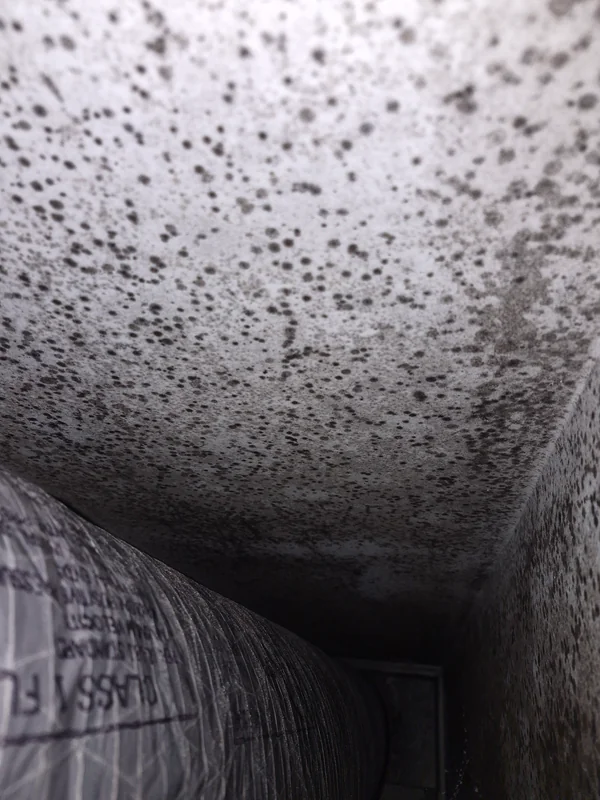
It starts with a free inspection. One of our certified mold specialists comes out to your Warminster Village home, takes a look at the HVAC system, and gives you an honest assessment of what’s going on inside the ductwork. You get upfront pricing before any work begins no estimates that change on the day of service, no pressure to approve something you weren’t expecting.
If the inspection turns up mold, the process moves into proper containment. This is where our mold specialist background matters. Cleaning ductwork that has mold without containment protocols means you’re pushing spores into the living space rather than removing them. We use the right equipment and the right approach to address the source, not just the surface. For homes in Warminster Village particularly those built in the 1950s and 60s with older duct materials and less-than-airtight seams this step is critical. Bucks County’s wet springs and humid summers have had decades to work moisture into those systems.
After the cleaning is complete, we test the area to confirm the mold is gone. That’s not standard practice across the industry most companies clean and leave. Here, you get documentation. If dryer vent cleaning is also needed, that’s handled in the same visit a clogged dryer vent in an older Warminster Village home with a long or convoluted vent run is a genuine fire risk, not just a maintenance item.

Ready to get started?
Standard duct cleaning and mold remediation in ductwork are not the same service, and they shouldn’t be treated as interchangeable. When mold is confirmed in an HVAC system, the job requires mechanical cleaning to remove physical debris, proper containment to prevent cross-contamination, and in many cases air duct sanitizing, which applies an antimicrobial treatment to the interior surfaces after cleaning. Skipping that last step leaves biological material behind that mechanical cleaning alone won’t fully address.
For Warminster Village homes, the Neshaminy Creek and Pennypack Creek drainage systems that run through the township contribute to elevated groundwater and basement moisture levels, particularly during wet seasons. That moisture migrates upward into HVAC systems over time. If your home sits in a lower-lying section of the neighborhood or has a basement that’s seen any water intrusion, the ductwork is a logical next place to look after any mold remediation work elsewhere in the house.
We also handle dryer vent cleaning and in the older homes throughout Warminster Village, this is worth taking seriously. Vent runs in postwar-era construction are often longer, more convoluted, or made of flexible materials that trap lint more aggressively than modern installations. The NFPA reports that failure to clean dryer vents is the leading cause of dryer-related house fires, which account for nearly 16,000 structural fires per year in the U.S. If you haven’t had the vent run inspected recently, it’s worth adding to the visit.

The most common sign is a musty smell that shows up specifically when your HVAC system turns on and then fades once the air settles. If you’re noticing that smell consistently, especially during the first few cycles after switching from heating to cooling in the spring, that’s worth taking seriously. Other signs include worsening allergy or asthma symptoms indoors, visible discoloration around vent registers, or a general stuffiness that doesn’t improve with ventilation.
In Warminster Village, the age of the housing stock makes this more likely than in newer communities. Homes built in the 1950s and 60s have ductwork that’s been in place for decades, and the area’s above-average humidity gives mold everything it needs to take hold in dark, damp interior duct sections. The only way to know for certain is a professional inspection we offer free inspections, so you’re not spending anything to get a real answer.
That’s a fair question, and the honest answer depends on what’s driving the concern. The EPA’s position is nuanced they don’t recommend routine duct cleaning as a general maintenance practice without a specific reason. But they do explicitly recommend it when mold is confirmed in the system, when there’s been a pest or rodent infestation, or when substantial debris is blocking airflow. Those aren’t edge cases they’re exactly the situations that come up in older homes regularly.
For a home in Warminster Village built in the 1960s, with aging duct materials and decades of Bucks County humidity cycling through the system, the question isn’t whether cleaning is a marketing gimmick. It’s whether your specific system has a problem that warrants it. A free inspection answers that question without any commitment. If nothing concerning is found, you’ll be told that. If something is found, you’ll have documentation of what it is and what it would take to address it.
Cleaning and sanitizing are two separate steps, and both matter when mold is involved. Mechanical cleaning removes the physical buildup inside the ductwork dust, debris, biological material using professional equipment that creates negative air pressure to pull contaminants out rather than pushing them further into the system. Sanitizing comes after that, and it involves applying an antimicrobial treatment to the interior duct surfaces to address any remaining biological contamination that mechanical cleaning alone doesn’t fully eliminate.
If you’re dealing with a routine dust buildup situation, cleaning alone may be sufficient. But in a case where mold has been confirmed or where the conditions strongly suggest it, as they often do in Warminster Village during the humid summer months sanitizing is the step that completes the job. Skipping it means you’ve removed what you can see and reach, but left the surface conditions that allowed mold to grow in the first place largely unchanged.
Yes, and that’s what makes it different from mold you find in a single location like a basement corner or a bathroom ceiling. When mold colonizes ductwork, every time your HVAC system runs, it’s actively distributing spores through every supply vent in the house. One contaminated section of ductwork becomes a whole-home problem over time and the more the system runs, the more widely the spores spread.
This is particularly relevant after a mold remediation job elsewhere in the home. If mold was found and removed from a basement or crawl space, but the HVAC system wasn’t inspected as part of that process, there’s a real risk that the ducts are already contaminated and that they’ll reintroduce mold spores into the remediated space. We handle both sides of that equation, which is why homeowners in Bucks County who’ve already had remediation work done elsewhere in their home often call to have the ductwork checked as a follow-up step.
For a typical single-family home, a thorough air duct cleaning takes roughly four to six hours. That timeframe accounts for inspecting the full system, cleaning both supply and return ducts, and addressing any additional steps like sanitizing if mold is present. A job that wraps up in under an hour almost certainly didn’t cover the full system that’s one of the clearest warning signs of a low-quality or bait-and-switch service.
For homes in Warminster Village, particularly the larger split-levels and colonials built in the 1960s with multiple HVAC zones or more complex duct layouts, the job may run toward the longer end of that range. The free inspection at the start of the job gives you a realistic picture of the scope before any work begins, so you’re not surprised by the time commitment or the final cost. Upfront pricing is confirmed before the work starts what you’re quoted is what you pay.
Yes we’re based in Bensalem, PA, and serve Bucks County as a primary service area. Warminster Village, Rosewood Park, Warminster Heights, and the surrounding areas along York Road and Street Road are all well within our regular service area. Being a Bucks County company means our team already understands the local housing stock, the seasonal moisture patterns that affect this part of the county, and the specific conditions that make ductwork in older Warminster Village homes more susceptible to mold than what you’d find in a newer development.
If you’re in Warminster Township and want to know what’s actually inside your HVAC system, the starting point is a free inspection. There’s no obligation attached to it, and you’ll walk away with a clear picture of what’s going on whether that’s reassurance that everything looks fine, or a documented finding and a straightforward explanation of what addressing it would involve. We’re reachable 24 hours a day, seven days a week, including for situations that feel urgent.
Other Services we provide in Warminster Village